Emperor Tetra Size – A Master Guide To Growth, Space, And Care
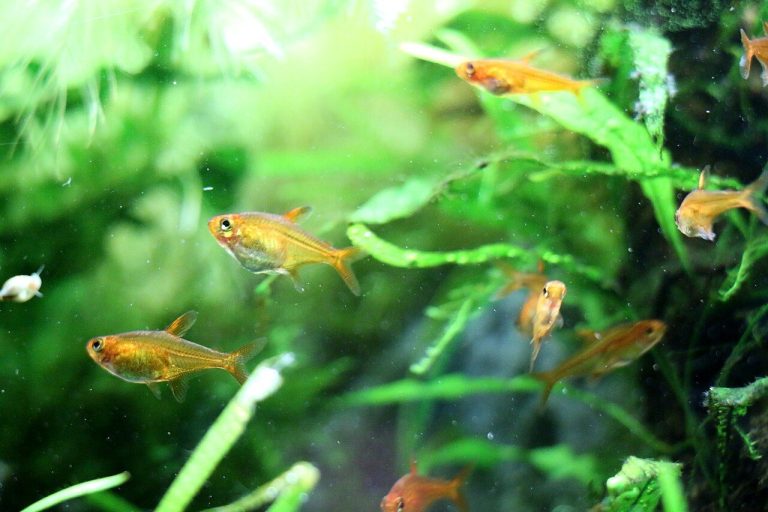
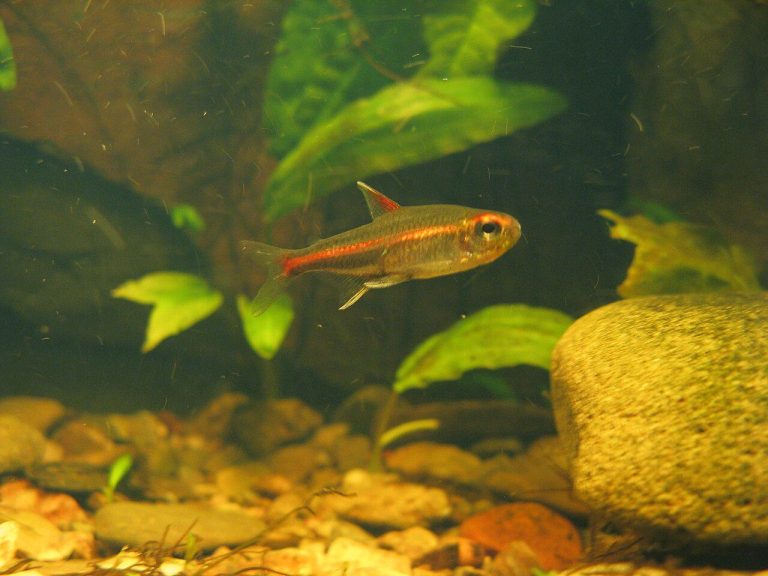
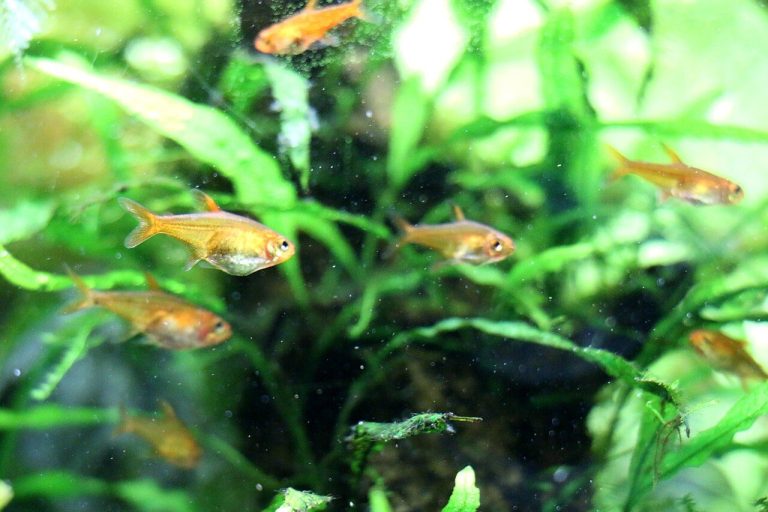
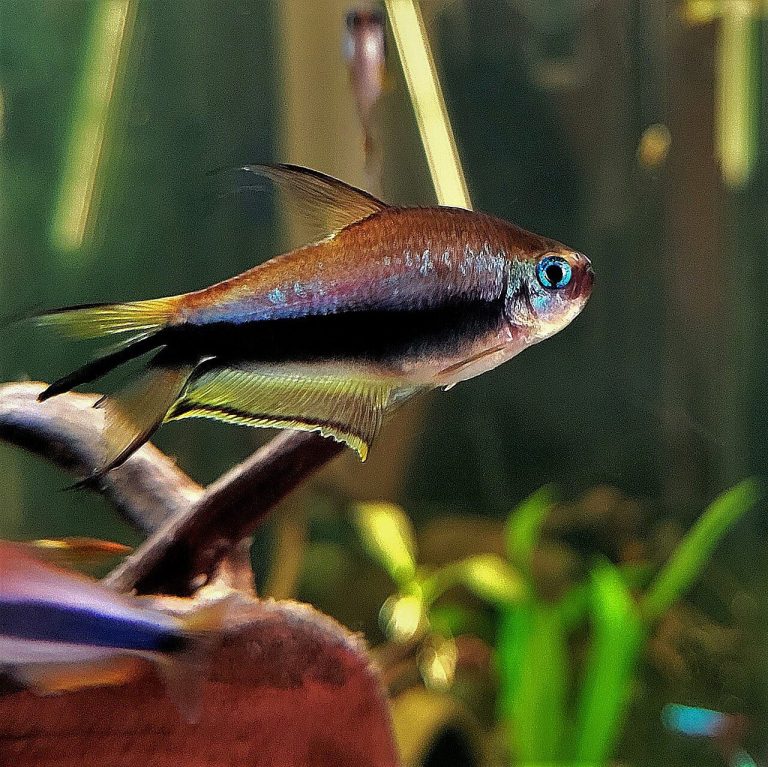
Adult Emperor Tetras typically reach a maximum size of 2 inches (5 cm) for males, while females are slightly smaller at 1.5 inches. Their elongated fins often make them appear larger and more majestic in the aquarium.
Few fish bring as much elegance to a freshwater setup as the Nematobrycon palmeri. In my fifteen years of maintaining community tanks, I have found that understanding the Emperor Tetra size is the first step toward creating a flourishing aquatic environment.
These fish are not your average small characin; they possess a regal presence that demands specific attention to their physical development. If you are just starting out with this regal species, understanding their final dimensions is important for long-term success.
In this guide, we will look closely at everything regarding their growth, from the nuances of their “trident” tails to the tank dimensions they need to display their full splendor. Let’s ensure your Emperors have the room they need to rule their underwater kingdom.
At a glance: Emperor tetra (Nematobrycon palmeri)
- Temperature
- 73–81°F (23–27°C)
- Water pH
- 5.0–7.8
- Adult size
- 2 in (5 cm)
- Minimum tank
- 20 gal
- Group size
- Groups of 6+
- Temperament
- Peaceful, males spar
- Diet
- Omnivore: flakes, pellets, frozen foods
- Lifespan
- 5–6 years
Keeper’s tip: Keep more females than males so one dominant male does not stress the rest.
Understanding the Maximum Emperor Tetra size
When we talk about Emperor Tetra size, it is important to distinguish between what you see in the local fish store and what you will see in a year. Most juveniles are sold at about an inch, but they have quite a bit of growing left to do.
In a well-maintained home aquarium, a healthy male will usually top out at 2 inches (roughly 5 centimeters). Females tend to stay more petite, usually reaching a maximum of 1.5 inches (4 centimeters).
This difference might seem small on paper, but in the water, the males’ extended finnage makes them look significantly more substantial. They belong to the family Characidae, and like many of their cousins, their environment dictates their final stature.
Standard Length vs. Total Length
In the scientific community, we often refer to “Standard Length,” which measures the fish from the snout to the base of the tail. However, for hobbyists, “Total Length” is more practical because it includes those magnificent fins.
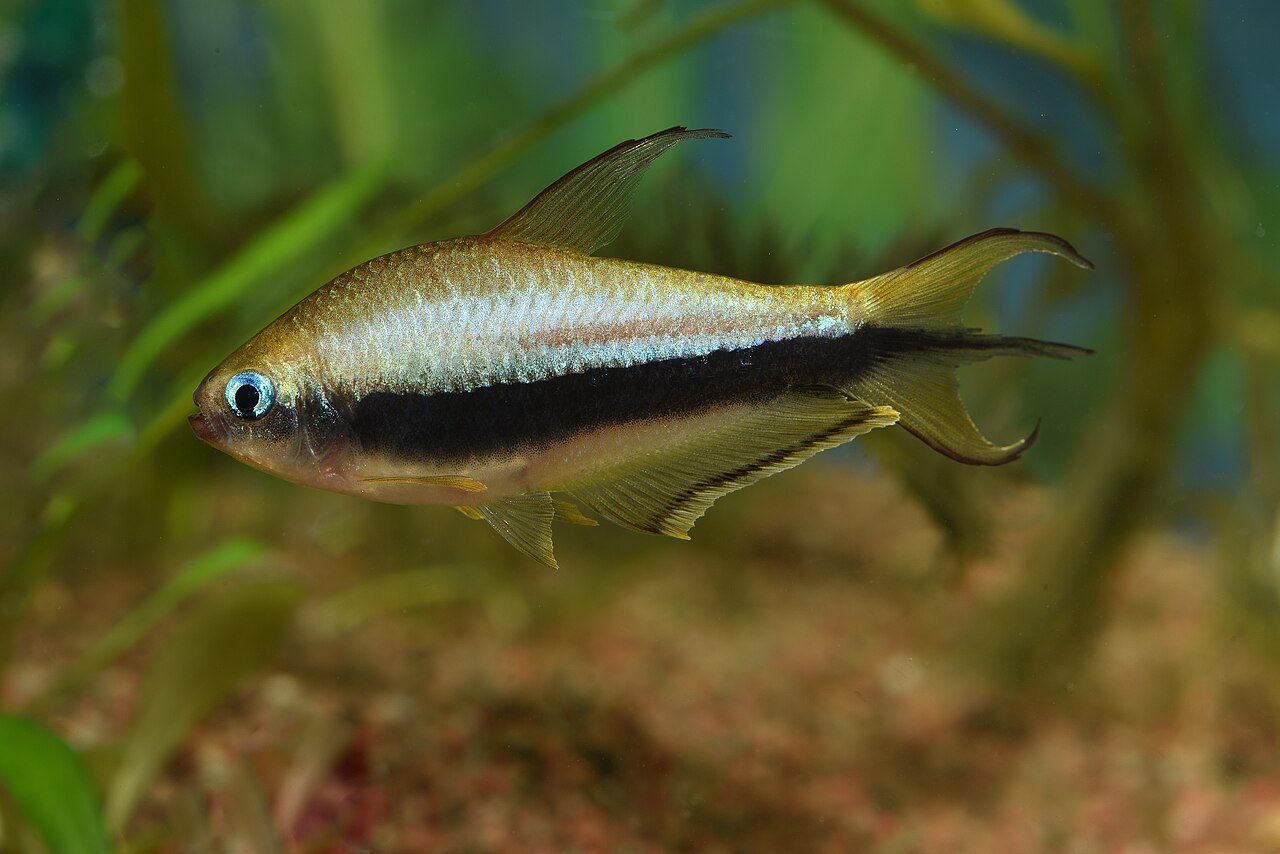
The male’s unique trident caudal fin features a central extension that can add significant visual “length” to the fish. When planning your tank, always account for this extra trailing finnage to prevent a cramped environment.
Pro Tip: When purchasing your fish, look for individuals with clear eyes and active swimming patterns. Don’t worry if they look a bit “washed out” in the store; their true size and color emerge once they settle into a stable environment with high-quality food.
| Attribute | Male Specification | Female Specification |
|---|---|---|
| Average Body Length | 2.0 inches (5 cm) | 1.5 inches (4 cm) |
| Fin Characteristics | Long, pointed dorsal and trident tail | Shorter, more rounded fins |
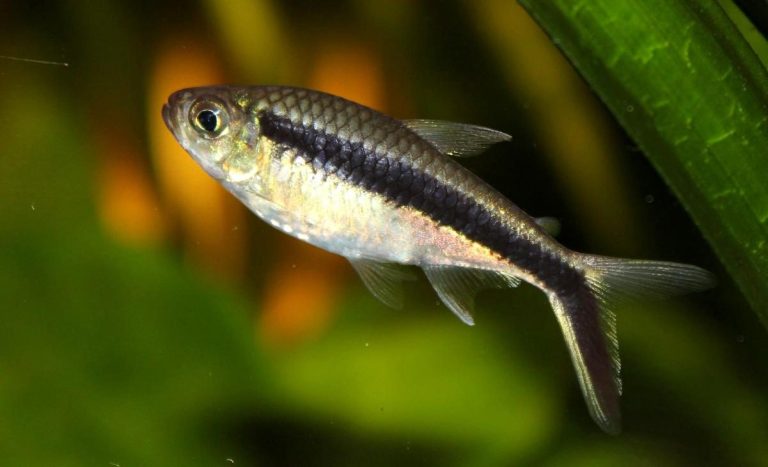
| Eye Color | Distinctive blue hue | Typically green or yellow-green |
How Sexual Dimorphism Affects Visual Size
One of the most unusual aspects of making sure these fish is observing sexual dimorphism as they mature. While their base body mass is somewhat similar, their silhouettes are worlds apart.
Males develop a eye-catching dorsal fin elongation that arches back toward the tail. This, combined with the central rays of the caudal fin growing outward, gives them a much larger “tank footprint” than the females.
Females remain more “torpedo-shaped” and lack the dramatic extensions. In my experience, a group of six or more shows these differences most clearly, as the males will “flare” their fins to impress the females.
The Role of the Trident Tail
The trident tail is the signature of a mature male Nematobrycon palmeri. It consists of the upper and lower lobes, with a distinct middle spike that continues the dark lateral line of the body.
This middle extension can grow up to half an inch beyond the rest of the tail. When calculating the Emperor Tetra size for stocking purposes, I always recommend treating them as 2.5-inch fish just to be safe.
Growth Factors: Reaching the Full Emperor Tetra size
Achieving the maximum Emperor Tetra size isn’t just about genetics; it’s about the quality of care they receive during their first year. I’ve seen many Emperors stay stunted at 1.2 inches simply because their basic needs weren’t met.
Diet is the most critical factor in their development. Choosing the best food will make sure they reach their full potential and display those deep purple and gold hues.
Water stability also plays a massive role. Inconsistent parameters cause stress, which diverts energy away from growth and toward basic survival and immune function.
The Importance of Water Parameters
Emperor Tetras hail from the San Juan and Atrato river basins in Colombia. They prefer soft, slightly acidic water, which mimics their natural blackwater habitats.
While they are adaptable, keeping your carbonate hardness low will often result in better fin development and faster growth rates. I’ve noticed that in harder water, their fins tend to stay slightly shorter and less rich.
| Parameter | Ideal Range |
|---|---|
| Temperature | 73°F – 81°F (23°C – 27°C) |
| pH Level | 6.0 – 7.5 (6.5 is best) |
| Carbonate Hardness (KH) | 3 – 8 dKH |
| General Hardness (GH) | 5 – 12 dGH |
Tank Requirements for an Active School
Because of the Emperor Tetra size and their active nature, tank dimensions are more important than total volume. They are mid-water swimmers that love to dart through plants and chase one another.
A 20-gallon “long” tank is the absolute minimum I suggest for a small group. However, if you want to see their natural behavior, a 29 or 30-gallon tank provides the swimming room they crave.
When selecting community tank mates, consider the space required for their activity levels. They aren’t aggressive, but they are confident and will occupy the central “theater” of your aquarium.
Aquascaping for Growth and Comfort
To help your Emperors reach their full 2-inch potential, provide plenty of hiding spots using live plants like Java Fern or Amazon Swords. This reduces stress, which is the primary killer of growth in young tetras.
Floating plants are also a great addition. They diffuse the light, making the fish feel more secure and encouraging them to spend more time in the open water where you can admire their size.
Pro Tip: Use a dark substrate to make their colors pop. In my experience, Emperor Tetras kept over light-colored sand often look washed out and may even appear smaller because their reflective scales don’t have a dark background to contrast against.
Health Issues That Can Impact Growth
A fish’s growth can be permanently halted by disease or poor environmental conditions during its juvenile stage. One of the most common issues is Ichthyophthirius multifiliis, commonly known as Ich.
If a young Emperor Tetra has to fight off parasites frequently, its growth will lag behind. Maintaining a strict quarantine protocol for new arrivals is the best way to protect your existing school.
Preventing Stunting
Stunting occurs when a fish is kept in a tank that is too small or when nitrate levels are consistently high. High nitrates inhibit the hormone production necessary for healthy bone and tissue development.
Regular water changes (25-30% weekly) are the “secret sauce” for reaching that maximum 2-inch Emperor Tetra size. Clean water is just as important as high-quality protein in their diet.
Dietary Needs for Maximum Development
In the wild, these fish are omnivores, feeding on small insects, crustaceans, and plant matter. To replicate this in the aquarium, you need a varied diet.
I recommend a base of high-quality flake or micro-pellet food. However, to really see them reach their full size and develop those “regal” fins, you must include frozen or live foods.
Baby brine shrimp, daphnia, and bloodworms are excellent choices. These protein-dense snacks provide the building blocks for the dorsal fin elongation that makes the males so spectacular.
Quick answers About Emperor Tetra Size
How long does it take for an Emperor Tetra to reach full size?
Generally, they will reach their full adult size within 6 to 9 months, depending on water temperature and feeding frequency. Warmer water slightly accelerates their metabolism and growth.
Are there different varieties that grow larger?
While the standard Nematobrycon palmeri is most common, there is also a “Black” Emperor Tetra (often a color morph or Nematobrycon amphiloxus). They generally reach the same 1.5 to 2-inch size range.
Can I keep Emperor Tetras in a 10-gallon tank?
I strongly advise against it. While they might physically fit, they are active swimmers and territorial. A 10-gallon tank is too small for a proper school and will likely lead to stress-related illnesses.
Why are my Emperor Tetras staying small?
If they aren’t growing, check your nitrate levels and feeding schedule. Ensure they aren’t being bullied by larger tank mates, as stress can significantly stunt a fish’s growth.
The short version
Mastering the Emperor Tetra size and care requirements is a rewarding journey for any aquarist. These fish offer a level of sophistication and beauty that few other tetras can match, provided you give them the space they need.
If you provide a 20-gallon or larger tank, maintaining soft water, and offering a diverse diet, you will be rewarded with a shimmering school of “royalty” in your living room. The 2-inch male with his trident tail is a sight to behold, but he only gets there with your dedicated care.
Keep your water clean, your plants dense, and your fish well-fed. Your Emperor Tetras will thank you by showing off their full, majestic size for years to come.

- 2003First tank
- 20+Years keeping
- 40+Tanks kept
- 0Sponsored picks
Howard set up his first 10-gallon planted tank in 2003 and lost half of it within six weeks. Two decades and more than forty aquariums later, he writes the guides he wished he had then: clear numbers, the reasons behind them, and what actually goes wrong in home tanks.