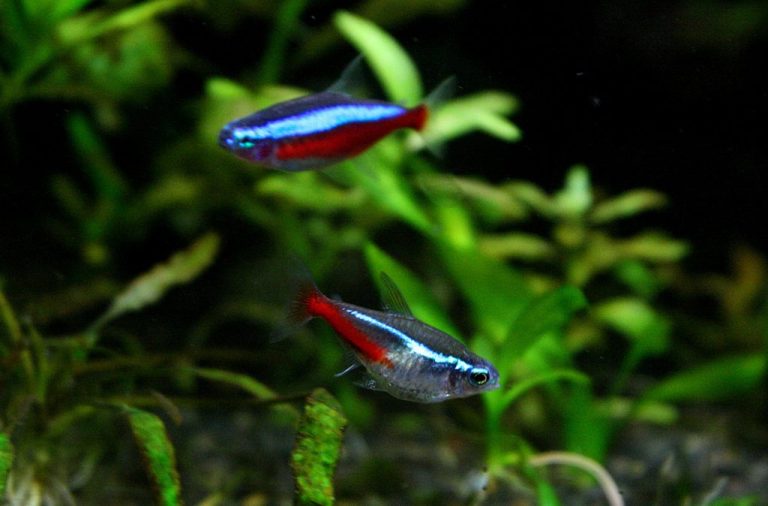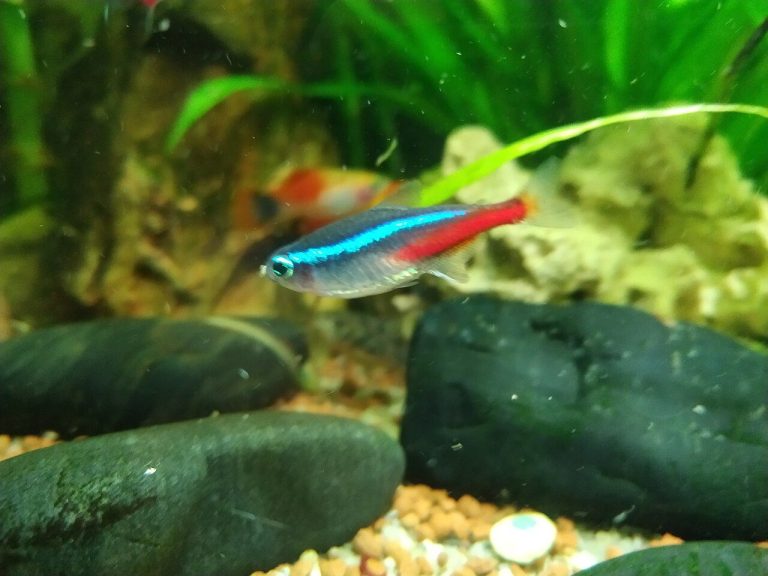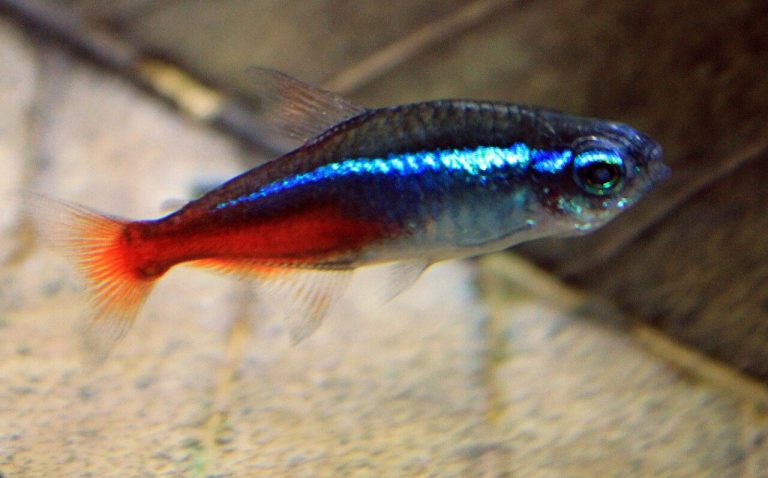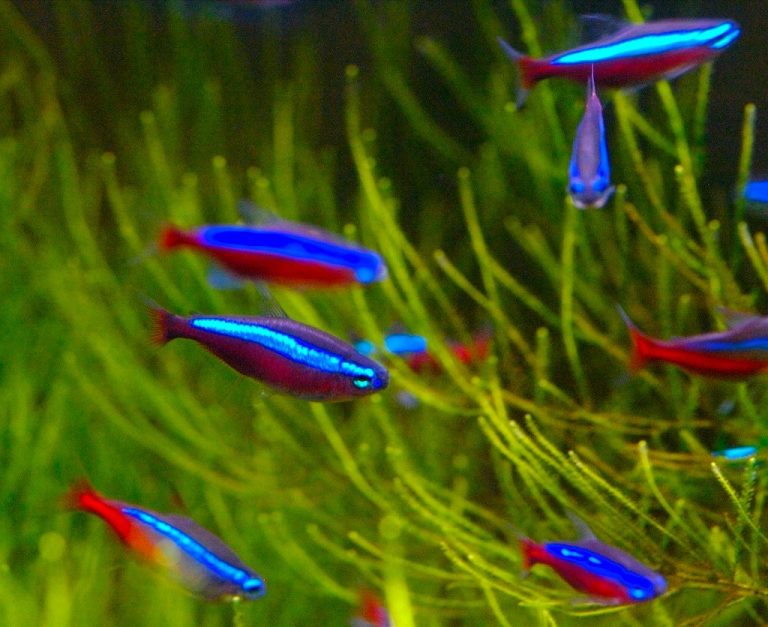
Ember Tetra Disease / Dying / Stress Signs – Causes and Treatment
Identify Ember Tetra disease by looking for faded colors, clamped fins, or lethargy. Common causes include poor water quality, Ich, and stress-induced bacterial infections. Rapid intervention with clean water and medication is vital for recovery.
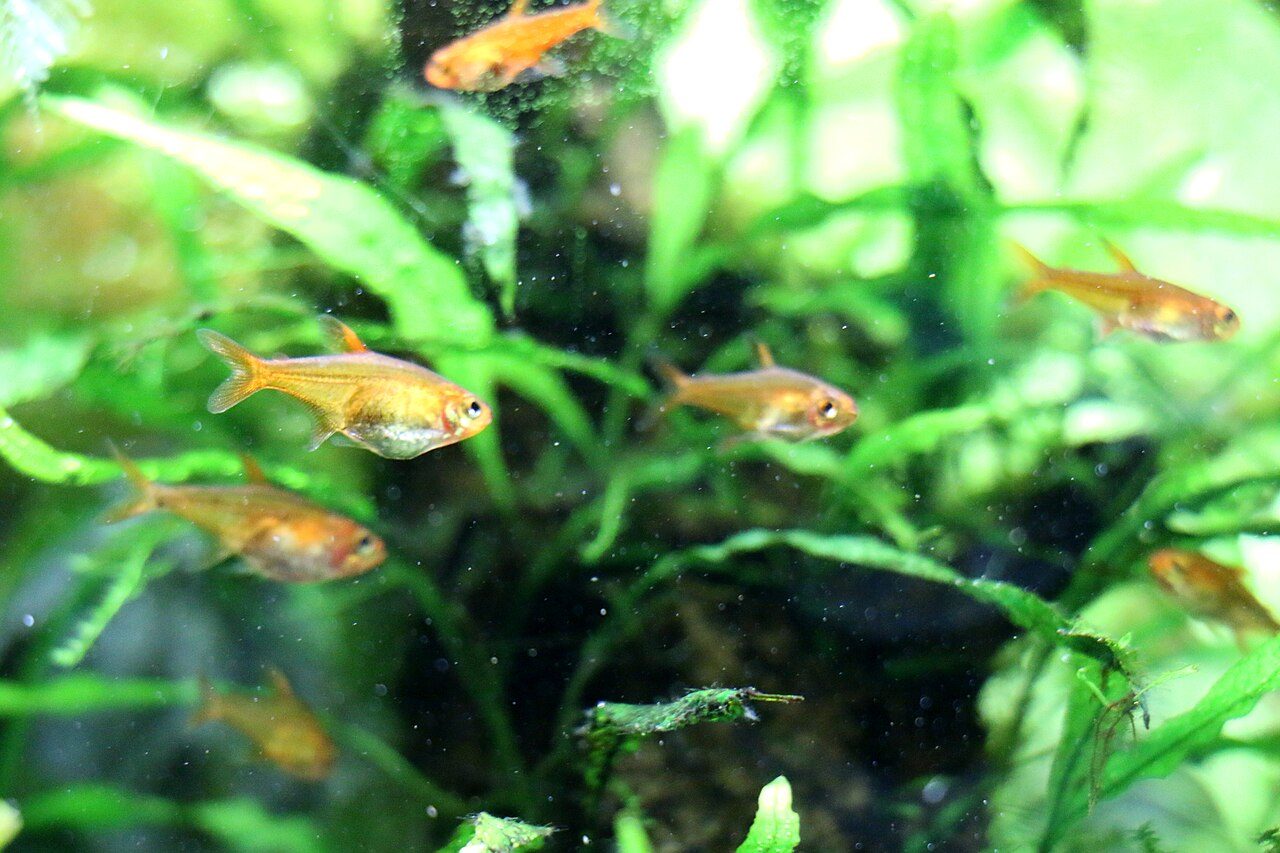
Watching a school of Hyphessobrycon amandae dart through a lushly planted aquarium is one of the most satisfying sights in the hobby. These tiny, fiery-orange fish are generally hardy, but they are not invincible to the pressures of a closed ecosystem.
Understanding Ember Tetra disease / dying / stress signs is the first step in making sure your nano-school lives a long, healthy life. In my experience, these fish are often the “canaries in the coal mine,” showing signs of distress before larger tank mates do.
When I first started keeping these tetras over a decade ago, I learned the hard way that their small body mass makes them highly sensitive to changes. A slight shift in water chemistry can lead to rapid health declines if you aren’t paying close attention.
At a glance: Ember tetra (Hyphessobrycon amandae)
- Temperature
- 72–82°F (22–28°C)
- Water pH
- 5.0–7.0
- Adult size
- 0.8 in (2 cm)
- Minimum tank
- 10 gal
- Group size
- Groups of 8+
- Temperament
- Very peaceful
- Diet
- Micro-predator: crushed flakes, baby brine shrimp, micro pellets
- Lifespan
- 2–4 years
Keeper’s tip: Their colour deepens over dark substrate with plenty of plants and floating cover.
Recognizing Early Ember Tetra Stress Signs
The key to preventing a total tank collapse is catching the subtle cues your fish give you before they become overtly ill. Stress is the precursor to almost every major Ember Tetra disease / dying / stress signs scenario you will encounter.
One of the most obvious signs of stress is the loss of their bright orange coloration. When these fish are unhappy or ill, they often turn a pale, translucent silver or greyish-white.
You might also notice “glass surfing,” where the fish swim frantically up and down the side of the glass. This behavior often indicates that the fish is uncomfortable with its environment or the water parameters.
Behavioral Red Flags
Pay close attention to how your school interacts with one another. If a normally social fish begins to isolate itself in a corner or hide behind a filter intake, it is likely suffering from significant stress.
Clamped fins—where the fish holds its fins tight against its body—are another classic indicator of discomfort. This is often seen when the fish is dealing with Osmotic shock or external parasites.
Gasping at the surface is a critical warning sign that should never be ignored. This usually points toward low dissolved oxygen saturation or damage to the gills from chemical spikes.
Pro Tip: Always observe your fish during feeding time. An Ember Tetra that refuses high-quality crushed flakes or baby brine shrimp is almost certainly dealing with an internal issue or high stress levels.
Common Ember Tetra Disease and Pathogens
Even with the best care, pathogens can find their way into your aquarium. Identifying the specific Ember Tetra disease / dying / stress signs early can mean the difference between a quick recovery and a mounting death toll.
One of the most frequent visitors to the community tank is Ichthyophthirius multifiliis, commonly known as Ich or White Spot Disease. It presents as tiny, salt-like grains on the body and fins of the fish.
Because Ember Tetras have such small scales, they can be particularly sensitive to copper-based Ich treatments. I always recommend starting with a slightly raised temperature and half-dose medications to avoid further stressing their systems.
Bacterial and Fungal Infections
Bacterial infections like Flavobacterium columnare (Columnaris) often manifest as white, fuzzy patches around the mouth or a “saddleback” marking on the dorsal area. This disease moves incredibly fast in warm water and requires immediate antibiotic treatment.
Fin rot is another common ailment, usually characterized by ragged, blackened, or fraying edges on the tail and fins. This is almost always a secondary infection caused by poor water quality or bullying from tank mates.
If you notice your fish becoming bloated or having scales that stick out like a pinecone, they may be suffering from Dropsy. Unfortunately, by the time physical symptoms are this advanced, the internal organ failure is often irreversible.
Internal Parasites
Internal worms or protozoa can cause your tetras to waste away despite eating well. You might see long, stringy white feces or a sunken belly appearance in affected individuals.
In my years of fish keeping, I have found that preventative deworming for new arrivals is a real improvement. It ensures that you aren’t introducing hidden pathogens into an established, healthy community.
When you are first setting up your school, it is helpful to understand the physical differences between your fish. Knowing how to tell an Ember Tetra male vs female can help you identify if a “bloated” fish is actually a female carrying eggs or a sick individual.
Environmental Stressors: Ammonia Toxicity and Water Chemistry
The most common reason for Ember Tetra disease / dying / stress signs isn’t a virus or bacteria, but the water itself. These fish require stable, clean water to settle in over the long term.
Ammonia toxicity is a silent killer that burns the delicate gill tissues of your fish. This often leads to Gill hyperplasia, where the gills become inflamed and thickened, making it difficult for the fish to breathe.
Similarly, Nitrite poisoning prevents the blood from carrying oxygen effectively, leading to “Brown Blood Disease.” Even small traces of these chemicals can be fatal to nano-fish like the Ember Tetra.
| Parameter | Ideal Range | Danger Zone |
|---|---|---|
| Ammonia | 0 ppm | > 0.25 ppm |
| Nitrite | 0 ppm | > 0.25 ppm |
| Nitrate | 5-20 ppm | > 40 ppm |
| pH | 6.0 – 7.0 | < 5.5 or > 8.0 |
| Temperature | 73°F – 82°F | Fluctuations > 3°F |
The Dangers of Acidosis and Osmotic Shock
Ember Tetras naturally inhabit soft, acidic blackwater environments. If your pH drops too low too quickly, they can suffer from Acidosis, which causes them to dart erratically and eventually perish.
Conversely, if you move a fish from soft water to very hard water without proper acclimation, they may experience Osmotic shock. This disrupts their ability to regulate the fluids in their body, often leading to death within 24 to 48 hours.
I always recommend using a drip acclimation kit when introducing these fish to a new tank. Taking an extra hour to slowly equalize the water chemistry can prevent a lot of heartache later on.
Why Are My Ember Tetras Dying? Troubleshooting Sudden Loss
It is heartbreaking to wake up and find several fish dead with no obvious symptoms. When dealing with sudden Ember Tetra disease / dying / stress signs, you must look at the “invisible” factors of your aquarium.
Temperature fluctuations are a major culprit. If your heater malfunctions or you perform a large water change with water that is too cold, the shock can kill small tetras almost instantly.
Low levels of dissolved oxygen saturation can also cause nighttime deaths. Plants consume oxygen at night, and if your surface agitation is low, the fish may suffocate while you are asleep.
Ember Tetras are peaceful, but they can be easily bullied by larger or more boisterous fish. Constant chasing from a semi-aggressive tank mate will keep their cortisol levels high, suppressing their immune system.
If the tank is too small, this stress is magnified. Making sure you have the right Ember Tetra tank size is essential for providing enough swimming space and hiding spots.
In many cases, the “disease” is actually just physical exhaustion from being bullied. Always observe your tank for at least 15 minutes a day to ensure everyone is getting along and no one is being nipped.
Pro Tip: If you see one fish dying, don’t just dump medication into the main tank. Check your parameters first. Often, a 25% water change is more effective than any chemical at stopping a “mysterious” die-off.
Preventing Ember Tetra Disease / Dying / Stress Signs through Proper Care
The best way to handle Ember Tetra disease / dying / stress signs is to prevent them from occurring in the first place. A proactive approach to care creates a resilient environment where fish can fight off minor pathogens naturally.
One of my favorite methods for boosting tetra health is the use of Humic substances. Adding Indian Almond leaves or alder cones releases tannins into the water, which have natural antibacterial and antifungal properties.
These tannins also help mimic their natural habitat, making the fish feel more secure. When an Ember Tetra feels “at home,” its colors will deepen to a rich, glowing orange, and its immune system will function at its peak.
Diet and Nutrition for Immunity
Feeding a variety of foods is another pillar of health. While high-quality flakes are a good staple, supplementing with frozen cyclops, daphnia, or specialized micro-pellets ensures they get the vitamins they need.
A fish that receives a diverse diet is much less likely to succumb to internal parasites or bacterial infections. I’ve noticed that fish fed live or high-protein frozen foods recover from stress much faster than those on a single-food diet.
Furthermore, maintaining a proper school size is vital. Ember Tetras should be kept in groups of at least 8 to 10. A large school provides “safety in numbers,” which significantly reduces the baseline stress levels for every individual in the group.
If you are wondering about the capacity of your setup, knowing how many Ember Tetras fit in 10 gallons can help you find that perfect balance between a rich school and a healthy bio-load.
A few common questions
Why is my Ember Tetra gasping at the surface?
Gasping usually indicates a lack of oxygen or high ammonia/nitrite levels. Check your filter flow for surface agitation and test your water immediately for chemical spikes.
Can Ember Tetras recover from Ich?
Yes, they can recover if treated early. Use a heat-and-salt method or a half-dose of commercial Ich medication, as they are sensitive to harsh chemicals.
Do Ember Tetras need a heater?
Absolutely. They are tropical fish that require stable temperatures between 73°F and 82°F. Fluctuating temperatures are a primary cause of stress and disease.
Why did my Ember Tetra turn white?
Loss of color is a primary sign of stress, fear, or illness. It can also happen naturally at night when the fish are “sleeping,” but if it persists during the day, check your water parameters.
How often should I change the water for Ember Tetras?
I recommend a 20-30% water change weekly. This removes nitrates and replenishes essential minerals, keeping the environment stable and reducing the risk of disease.
In short
Managing Ember Tetra disease / dying / stress signs requires a blend of keen observation and consistent maintenance. These little gems are surprisingly hardy when their basic needs for clean, soft water and a peaceful environment are met.
By recognizing the early signs of faded colors or clamped fins, you can intervene before a minor issue becomes a major crisis. In nano-fish, stability is your most powerful tool.
Keep your water parameters steady, provide plenty of hiding spots with live plants, and feed a high-quality diet. If you do these things, your school of Ember Tetras will be the glowing centerpiece of your aquarium for years to come.
Don’t be discouraged by a single loss; instead, use it as an opportunity to audit your tank’s health. With patience and care, you will find that keeping these fish is one of the most satisfying experiences an aquarist can have.

- 2003First tank
- 20+Years keeping
- 40+Tanks kept
- 0Sponsored picks
Howard set up his first 10-gallon planted tank in 2003 and lost half of it within six weeks. Two decades and more than forty aquariums later, he writes the guides he wished he had then: clear numbers, the reasons behind them, and what actually goes wrong in home tanks.