Neon Tetra Care And Tank Requirements – The Ultimate Expert Guide
Neon tetra care and tank requirements focus on soft, acidic water, stable temperatures between 72-78°F, and a minimum 10-gallon aquarium. Providing a densely planted environment with low lighting and a school of 6+ fish ensures their long-term health.
Few sights in the aquarium hobby are as iconic as a shimmering school of Neon Tetras darting through a dense, green aquascape. These bright members of the Characidae family have been a staple for decades, yet many beginners struggle to keep them alive for more than a few months.
In my decade of keeping these “jewels of the Amazon,” I have learned that success comes down to more than just luck. Understanding neon tetra care and tank requirements is about replicating their delicate natural environment while maintaining rock-solid water stability.
If you are looking to create a eye-catching display that mimics the Blackwater biotope of South America, you are in the right place. Let’s look at everything you need to know to help these tiny fish flourish in your home aquarium.
At a glance: Neon tetra (Paracheirodon innesi)
- Temperature
- 72–78°F (22–26°C)
- Water pH
- 6.0–7.0
- Adult size
- 1.5 in (4 cm)
- Minimum tank
- 10 gal (20 gal for a proper school)
- Group size
- Groups of 8+
- Temperament
- Peaceful
- Diet
- Omnivore: micro pellets, flakes, frozen daphnia
- Lifespan
- 5–8 years
Keeper’s tip: Add neons only to a fully cycled, stable tank; they are among the first fish to suffer from ammonia swings.
Understanding the Origins of Paracheirodon innesi
The Neon Tetra, scientifically known as Paracheirodon innesi, originates from the clear water and blackwater streams of the Amazon basin. These waters are naturally stained by decaying organic matter, which releases humic acid and tannic acid into the water column.
This environment is extremely soft and acidic, which is a far cry from the liquid rock that comes out of many modern tap water sources. To master neon tetra care and tank requirements, we must first respect where these fish come from.
In the wild, they are found in shaded areas where the sunlight rarely penetrates the thick forest canopy. This is why Neons often look washed out or stressed in overly bright tanks without sufficient cover.
Essential Neon Tetra Care and Tank Requirements
When setting up a new home for your Neons, the first thing to consider is the volume of water. While they are small, their active shoaling behavior means they need horizontal swimming space to feel secure and exhibit natural movements.
A 10-gallon aquarium is the absolute minimum I recommend for a small group of six. However, if you want to see them flourish, a larger 20-gallon setup provides much better stability and space for a larger school.
Pro Tip: Always add Neon Tetras to a mature, well-established aquarium. They are notoriously sensitive to the small ammonia spikes often found in newly cycled tanks. I usually wait at least 2-3 months after a tank has cycled before introducing these delicate fish.
Water Parameters for Success
Consistency is more important than hitting a “perfect” number, but Neons do have a specific range where they stay healthy. High levels of carbonate hardness (KH) can lead to stress and a weakened immune system over time.
I have found that keeping the water soft and slightly acidic mimics their natural habitat and brings out their brightest colors. Below is a breakdown of the ideal parameters you should aim for:
| Parameter | Ideal Range |
|---|---|
| Temperature | 72°F to 78°F (22°C – 26°C) |
| pH Level | 6.0 to 7.0 |
| General Hardness (GH) | 2 to 10 dGH |
| Carbonate Hardness (KH) | 1 to 2 dKH |
| Ammonia / Nitrite | 0 ppm (Strict) |
| Nitrate | < 20 ppm |
Filtration and Water Flow
Neons come from slow-moving streams, so they do not appreciate a “washing machine” effect in their tank. A high-quality sponge filter or a hang-on-back filter with an adjustable flow is ideal.
You may also consider peat filtration if your tap water is naturally hard. Adding a bag of aquarium-safe peat to your filter can help naturally lower the pH and add beneficial tannins to the water.
Creating the Perfect Aquascape
To fulfill neon tetra care and tank requirements, you must think about the visual and physical environment. Neons are prey animals in the wild, and a bare tank will make them feel exposed and terrified.
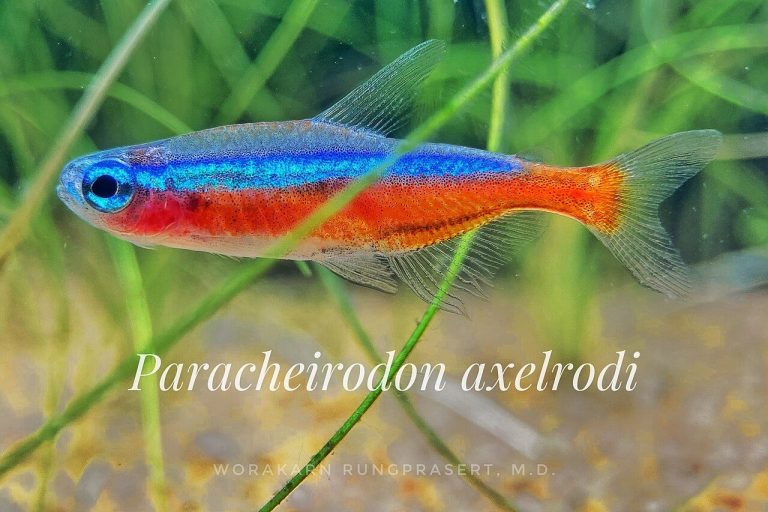
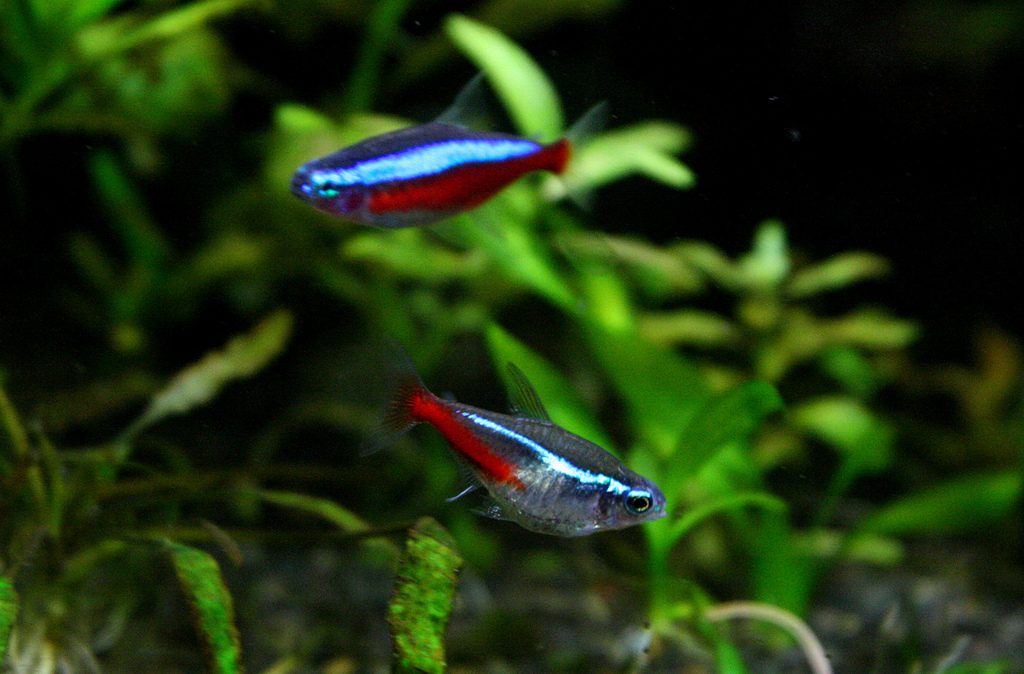
I always recommend a dark substrate, such as black sand or dark fluorite. This makes their neon blue and red stripes pop and also helps the fish feel more secure.
The Importance of Live Plants
Live plants are not just for aesthetics; they act as a natural biological filter. Species like Java Fern, Anubias, and Cryptocoryne are excellent choices because they settle in in the lower lighting conditions Neons prefer.
Floating plants like Frogbit or Salvinia are also fantastic. They provide a “canopy” that filters the light, making the fish feel like they are back under the Amazonian trees.
Using Driftwood and Leaf Litter
If you want to go the extra mile, add some Malaysian Driftwood or Indian Almond leaves. As these materials decay, they release tannins that tint the water a tea-like color.
This creates a true blackwater environment that promotes better health and even encourages natural spawning behaviors. It is the gold standard for anyone serious about neon tetra care and tank requirements.
Diet and Nutritional Requirements
Neons are omnivores and are generally not picky eaters. However, providing a varied diet is the secret to maintaining their rich colors and strong immune systems.
In my experience, a base of high-quality crushed flakes or tiny micro-pellets works best. Because they have very small mouths, make sure the food is small enough for them to swallow easily.
Best Foods for Neon Tetras
Live and Frozen Foods: I try to offer frozen daphnia, baby brine shrimp, or cyclops at least twice a week. These protein-rich foods mimic the small invertebrates they would eat in the wild.
Vegetable Matter: Occasional offerings of spirulina-enriched flakes help provide the necessary vitamins they might miss from a purely protein-based diet.
Common Mistake: Overfeeding is a leading cause of death in small tetra tanks. Only feed what they can consume in under two minutes. Leftover food quickly rots, causing ammonia spikes that these fish cannot tolerate.
Neons are incredibly peaceful and should never be kept with aggressive or large tank mates. A good rule of thumb is: if a fish can fit a Neon in its mouth, it eventually will.
They are a schooling species and must be kept in groups. When kept in groups of fewer than six, they become stressed, hide constantly, and their lifespan significantly decreases.
Compatible Tank Mates
Ideally, you want to pair them with other peaceful, small species. Good options include Rasboras, Corydoras catfish, and small shrimp like Cherry Shrimp.
Before adding new fish, I highly recommend checking a compatibility guidelines resource to help your water parameters match for all inhabitants. Avoid large cichlids or nippy fish like Tiger Barbs.
The Schooling Effect
When you have a school of 10 to 15 Neons, you will notice a unusual social dynamic. They will move together as a single unit, especially when they perceive a “threat” like you walking up to the glass for feeding time.
This shoaling behavior is their primary defense mechanism. The more fish you have in the school, the more confident and active they will be in the mid-water levels of your tank.
Health Challenges and Disease Prevention
Despite our best efforts, these fish can be susceptible to certain ailments. The most feared is “Neon Tetra Disease,” caused by the microsporidian parasite Pleistophora hyphessobryconis.
Symptoms include a loss of color, cysts on the body, and a curved spine. Unfortunately, there is no known cure for this specific disease, so prevention through strict neon tetra care and tank requirements is vital.
Preventing Illness
The best way to prevent disease is to quarantine all new fish for at least two weeks. This makes sure you aren’t introducing parasites or bacteria into your main display tank.
Regular water changes of 25% weekly are also non-negotiable. Keeping nitrates low prevents the “stress-induced” illnesses like Ich or fin rot that often plague neglected aquariums.
Breeding Neon Tetras: A Challenge for the Dedicated
If you find yourself successfully maintaining a healthy school, you might be interested in breeding these fish. Be warned: it is not as easy as breeding guppies or platies.
Neons require extremely soft water (almost 0 dGH) and total darkness for the eggs to develop. The fry are also incredibly tiny and require specialized foods like infusoria or vinegar eels for the first few weeks of life.
While difficult, it is a rewarding experience that proves you have mastered the complexities of neon tetra care and tank requirements.
A few common questions
How many neon tetras can I put in a 10-gallon tank?
You can comfortably keep a school of 6 to 8 neon tetras in a 10-gallon tank, provided it is well-filtered and planted. Avoid adding other mid-water fish to keep the bioload manageable.
Do neon tetras need a heater?
Yes, they are tropical fish and require a stable temperature between 72°F and 78°F. Fluctuations in temperature can weaken their immune system and lead to outbreaks of Ich.
Can neon tetras live with Bettas?
It depends on the Betta’s temperament. In a 20-gallon tank with plenty of hiding spots, they can often coexist. However, in smaller tanks, the Betta may see the bright colors of the Neons as a threat or the Neons may nip at the Betta’s long fins.
Why are my neon tetras losing their color at night?
This is perfectly normal. Neons “turn off” their colors when they sleep to hide from predators. Once the lights come back on in the morning, their bright blue and red stripes will return within 30 minutes.
How long do neon tetras live?
With proper care, neon tetras can live for 5 to 8 years. Most premature deaths are caused by poor water quality or the stress of being moved from a pet store to an uncycled home aquarium.
In short
Mastering neon tetra care and tank requirements is a journey that rewards patience and attention to detail. If you focus on water stability, providing a soft-water environment rich in tannins, and keeping them in proper schools, you can enjoy these beautiful fish for years.
Remember that they are more than just “starter fish”; they are sophisticated creatures that require a specific habitat to shine. Whether you are setting up your first 10-gallon or a massive Blackwater biotope, the effort you put into their care will be reflected in their brilliant, glowing colors.
Keep your water clean, your plants well-grown, and your school large. Your Neons will thank you by becoming the vivid centerpiece of your aquatic world.

- 2003First tank
- 20+Years keeping
- 40+Tanks kept
- 0Sponsored picks
Howard set up his first 10-gallon planted tank in 2003 and lost half of it within six weeks. Two decades and more than forty aquariums later, he writes the guides he wished he had then: clear numbers, the reasons behind them, and what actually goes wrong in home tanks.