How Long Do Cardinal Tetras Live – Lifespan Facts
Cardinal tetras typically live between 3 to 5 years in a home aquarium. However, with expert care, pristine water conditions, and a stress-free environment, these bright fish can occasionally reach 7 or 8 years.
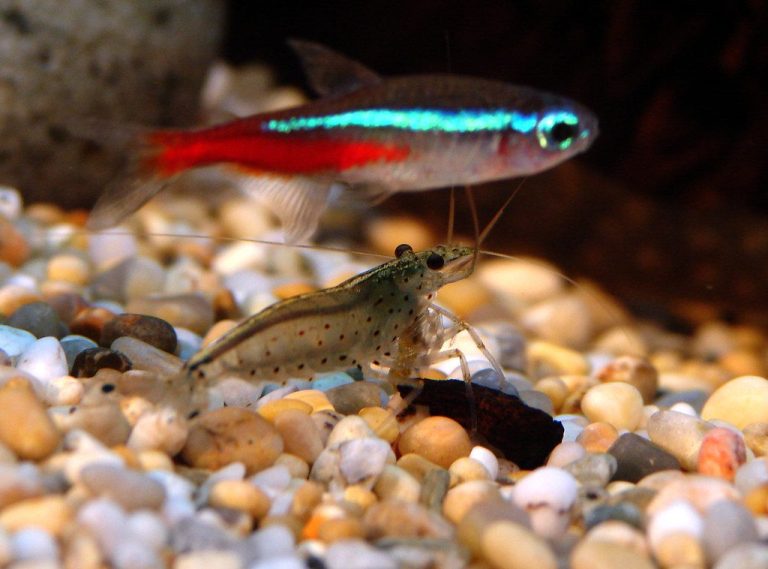
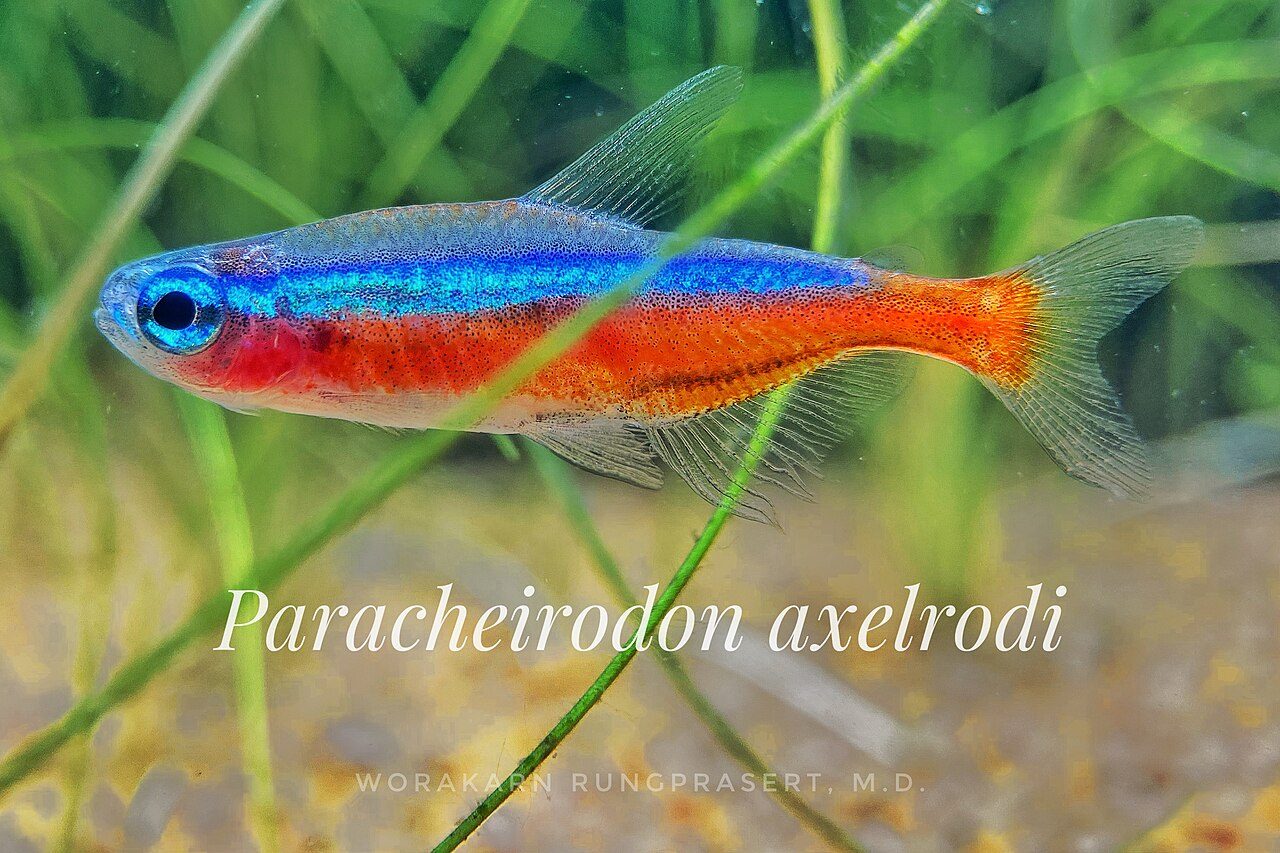
One of the most frequent questions I receive from new hobbyists is how long do cardinal tetras live when kept in a home setting. These shimmering jewels of the Amazon, scientifically known as Paracheirodon axelrodi, are staples in the hobby for good reason.
In my experience, the longevity of these fish is directly tied to the effort you put into mimicking their natural environment. While many sources list a short lifespan, I have seen well-cared-for schools stay healthy far beyond the average expectations.
Understanding the needs of the Characidae family is the first step toward success. If you focus on water quality, diet, and social dynamics, you can make sure your school remains vivid and healthy for many years to come.
At a glance: Cardinal tetra (Paracheirodon axelrodi)
- Temperature
- 76–84°F (24–29°C)
- Water pH
- 4.5–7.0
- Adult size
- 2 in (5 cm)
- Minimum tank
- 20 gal
- Group size
- Groups of 8+
- Temperament
- Peaceful
- Diet
- Omnivore: small pellets, flakes, frozen bloodworm
- Lifespan
- 4–6 years
Keeper’s tip: Cardinals like it warmer and softer than neons, so they are a poor match for cool-water tank mates.
how long do cardinal tetras live in Captivity?
When we discuss the lifespan of these fish, we must differentiate between their life in the wild and their life in our tanks. In the wild, specifically in the Rio Negro and Orinoco river basins, many cardinal tetras are effectively annual fish.
This is because the seasonal drying of their habitats often leads to massive population die-offs. In a stable home aquarium, however, we remove those environmental pressures, allowing them to reach their full biological potential.
Most hobbyists can expect a lifespan of 3 to 5 years. If you are comparing this to other small fish, you might find it similar to the longevity of different species within the same family.
Pro Tip: Buy your fish from a reputable breeder rather than a “big box” store whenever possible. Fish that have been handled carefully during transport and acclimated slowly often have much stronger immune systems, leading to a longer life in your care.
To give you a better idea of what to expect based on care levels, I have put together this comparison table.
| Care Level | Expected Lifespan | Primary Focus |
|---|---|---|
| Basic / Beginner | 1 – 2 Years | Standard tap water, generic flake food. |
| Intermediate | 3 – 5 Years | Weekly water changes, varied diet, stable temp. |
| Expert / Advanced | 6 – 8 Years | RO/DI water, botanical additions, live foods. |
The Role of Water Chemistry in Longevity
Water quality is the single most important factor when considering how long do cardinal tetras live. These fish come from extremely soft, acidic “blackwater” environments where the mineral content is almost non-existent.
In these native waters, the Total Dissolved Solids (TDS) are incredibly low. When we keep them in hard tap water with high Carbonate hardness (dKH), their organs, particularly their kidneys, have to work overtime to process the excess minerals.
Over months and years, this physiological stress shortens their lives significantly. I always recommend using Reverse Osmosis Deionization (RO/DI) water for cardinals if your local tap water is liquid rock.
Mastering Soft Water Parameters
To mimic the Rio Negro, you should aim for a pH between 4.5 and 6.5. While they can survive in neutral water (pH 7.0), they will not flourish or show their best colors, and their immune systems may suffer.
Maintaining a low dKH is also vital because it allows the pH to remain in that acidic range. However, be cautious; low KH can lead to pH swings if you aren’t monitoring the tank regularly.
I’ve noticed that adding humic substances through the use of Indian Almond leaves or alder cones provides a natural buffer. These botanicals release tannic acid, which tints the water and also provides antibacterial benefits.
Temperature and Metabolic Rate
Temperature is another critical element that dictates the pace of a fish’s life. Like all cold-blooded animals, a cardinal tetra’s metabolism is driven by the warmth of its environment.
Keeping them at the higher end of their range (above 82°F) will increase their metabolic rate. While this can encourage spawning behavior, it also means they “burn out” faster, potentially shortening their lifespan.
Aiming for a stable, ideal thermal range of 75°F to 80°F is usually the sweet spot for long-term health. Consistency is more important than a specific number, as fluctuations cause stress.
The Importance of a Stress-Free Environment
Stress is a silent killer in the aquarium hobby. When fish are stressed, their cortisol levels rise, which suppresses their immune system and makes them susceptible to pathogens.
Cardinal tetras are a schooling species and derive their sense of security from being in a large group. I never recommend keeping fewer than 10 individuals; in my experience, a school of 20 or more is where they begin to feel safe.
When they feel secure, they spend less time hiding and more time foraging. This natural behavior is a key indicator of a healthy fish that is likely to live a long life.
Aquascape and Hiding Spots
The physical layout of your tank plays a massive role in reducing stress. In the wild, these fish are often found among submerged tree roots and fallen branches.
Using driftwood and dense plantings of species like Cryptocoryne or Amazon Swords provides the cover they need. If a tank is too bright or too open, these tetras will become skittish and pale.
Floating plants are also a fantastic addition. They help dim the light and suck up excess nitrates, which is essential for maintaining the pristine water quality they require.
Pro Tip: Try using peat filtration in your canister filter. This slowly releases tannins and helps naturally lower the pH and hardness, creating a much more authentic environment for your Paracheirodon axelrodi.
Nutrition: Feeding for a Long Life
What you feed your fish is just as important as the water they swim in. A cardinal tetra that eats only one type of low-quality flake food will rarely reach its fifth birthday.
In their natural habitat, they are micropredators. They feed on small crustaceans, insect larvae, and zooplankton that do well in the leaf litter of the river floor.
To replicate this, I provide a varied diet that includes high-quality micro-pellets, frozen bloodworms, and live baby brine shrimp. The carotene in live foods is what keeps their red stripe looking neon-bright.
Feeding Schedule and Portion Control
Overfeeding is a common mistake that leads to poor water quality and fatty liver disease in fish. I prefer feeding small amounts twice a day rather than one large meal.
Make sure all food is consumed within two minutes. Any leftover food will rot, increasing ammonia and nitrate levels, which are toxic to sensitive species like cardinals.
A healthy diet supports a solid immune system. This is your best defense against Pleistophora hyphessobryconis, more commonly known as Neon Tetra Disease, which can occasionally affect cardinals as well.
Preventing Disease and Common Health Problems
Even with a perfect proper care routine, diseases can occasionally enter the system. The key to ensuring your fish live a full life is early detection and prevention.
One of the most devastating issues is Pleistophora hyphessobryconis. While less common in cardinals than in neons, it is still a threat that causes muscle wasting and loss of color.
There is no known cure for this parasite, so quarantine is essential. Always quarantine new arrivals for at least 30 days before adding them to your established school.
Dealing with ICH and Fungal Infections
Cardinals are quite sensitive to medications, especially those containing copper. If your school develops ICH (white spot disease), I recommend a gradual heat treatment or using half-doses of medication first.
Poor water quality often manifests as fin rot or fungal growth. If you see white, fuzzy patches, it is a sign that your Total Dissolved Solids (TDS) might be too high or your water change schedule has slipped.
Regularly testing your water parameters with a reliable liquid kit is non-negotiable. I have found that keeping nitrates below 10 ppm is the “gold standard” for maximizing the lifespan of these delicate characins.
The Impact of Tank Mates on Longevity
Who you house with your cardinals will significantly impact their stress levels and physical health. Large, boisterous, or aggressive fish will intimidate them, leading to a shortened lifespan.
Ideal tank mates include other peaceful tetras, rasboras, and dwarf cichlids like Apistogramma. Bottom dwellers like Corydoras or small Loricariids (bristlenose plecos) also make excellent companions.
Avoid keeping them with fish large enough to fit them in their mouths. Even if the larger fish isn’t aggressive, the constant threat of predation will keep your cardinals in a state of chronic stress.
The Schooling Dynamic
As mentioned earlier, the size of the school is vital. In a large group, the “dilution effect” takes place, where any individual fish feels less likely to be targeted by a predator.
I’ve noticed that in larger schools, the fish display much more interesting social behaviors. They will “spar” for dominance in a non-harmful way, which provides mental stimulation and keeps them active.
An active fish is generally a healthy fish. Just ensure your tank size is appropriate for the school; a 20-gallon long is the minimum I recommend for a group of 15-20 cardinals.
Future Trends: The Evolution of Cardinal Tetra Care
The hobby is constantly evolving, and we are learning more about these fish every year. One of the most exciting shifts is the move toward “Botanical Method” aquariums.
This approach focuses on the heavy use of leaves, seed pods, and wood to create a complex ecosystem. This setup provides a constant source of “biofilm” for the fish to snack on between feedings.
We are also seeing more captive-bred cardinal tetras in the market. While wild-caught fish are still common, captive-bred specimens are often more resilient to slightly harder water, which may increase the average lifespan for the casual hobbyist.
Using specialized lighting that mimics the dappled sunlight of the rainforest can also reduce stress. Modern LED controllers allow us to program slow sunrises and sunsets, preventing the “shock” of lights suddenly snapping on in a dark room.
Still wondering?
How can I tell if my cardinal tetra is reaching the end of its life?
Old age in cardinals usually manifests as a slight “hump” in the spine, slower movement, and a decreased interest in food. Their colors may also become slightly less vivid, though they should never look completely washed out.
Do cardinal tetras live longer than neon tetras?
Generally, yes. While they are very similar, cardinal tetras are often considered slightly hardier once they are acclimated. In the same conditions, a cardinal will often outlive a neon by a year or two.
Can I keep cardinal tetras in a 5-gallon tank?
I strongly advise against this. A 5-gallon tank is too small to house a proper school, and the water parameters will fluctuate too quickly. Small volumes of water are much harder to keep stable, which is detrimental to their longevity.
Does the pH really matter that much for their lifespan?
Yes, it does. While they can “survive” at a pH of 7.5, their biological systems are designed for acidic water. Long-term exposure to high pH and hardness causes mineral deposits in their organs, leading to premature death.
Is it better to get wild-caught or captive-bred cardinals?
Captive-bred fish are generally easier to keep in standard tap water. However, wild-caught fish often have more intense coloration. If you are a beginner, look for captive-bred sources to make sure a higher survival rate.
Wrapping up
So, how long do cardinal tetras live? The answer is ultimately in your hands. While the average might be 3 to 5 years, your dedication to water chemistry and a low-stress environment can push that number much higher.
If you prioritise soft, acidic water, providing a diverse diet, and keeping them in a large, secure school, you are giving these beautiful fish the best possible life. It is a satisfying challenge that results in a eye-catching, shimmering display of nature in your home.
I encourage you to experiment with botanicals and RO/DI water if you haven’t already. The difference in the health and longevity of your school will be noticeable almost immediately.
Keep learning, keep testing your water, and enjoy the tranquil beauty that a healthy school of cardinal tetras brings to your aquarium.

- 2003First tank
- 20+Years keeping
- 40+Tanks kept
- 0Sponsored picks
Howard set up his first 10-gallon planted tank in 2003 and lost half of it within six weeks. Two decades and more than forty aquariums later, he writes the guides he wished he had then: clear numbers, the reasons behind them, and what actually goes wrong in home tanks.