How Long Do Black Skirt Tetras Live – Lifespan Facts
Black skirt tetras typically live between 3 and 5 years in a home aquarium. With exceptional care, pristine water quality, and a stress-free environment, some individuals can settle in for up to 7 or 8 years.
When you first bring home a school of these monochromatic beauties, it is natural to wonder about their longevity. In my decade of keeping Gymnocorymbus ternetzi, I have found them to be among the most resilient members of the Characidae family.
Understanding how long do black skirt tetras live is the first step in providing a high-quality life for your aquatic companions. While the average lifespan is well-documented, the actual time they spend in your tank depends heavily on your management style.
In this guide, I will share the exact strategies I use to push these fish toward their maximum age. We will cover everything from water chemistry to the psychological needs of these schooling fish.
At a glance: Black skirt tetra (Gymnocorymbus ternetzi)
- Temperature
- 70–85°F (21–29°C)
- Water pH
- 6.0–7.5
- Adult size
- 2.5 in (6 cm)
- Minimum tank
- 20 gal
- Group size
- Groups of 6+
- Temperament
- Semi-peaceful, may nip fins
- Diet
- Omnivore: flakes, pellets, frozen foods
- Lifespan
- 3–5 years
Keeper’s tip: Keep them in a proper group; singles and pairs are the ones that harass bettas and angelfish.
Understanding the Lifespan of Gymnocorymbus ternetzi
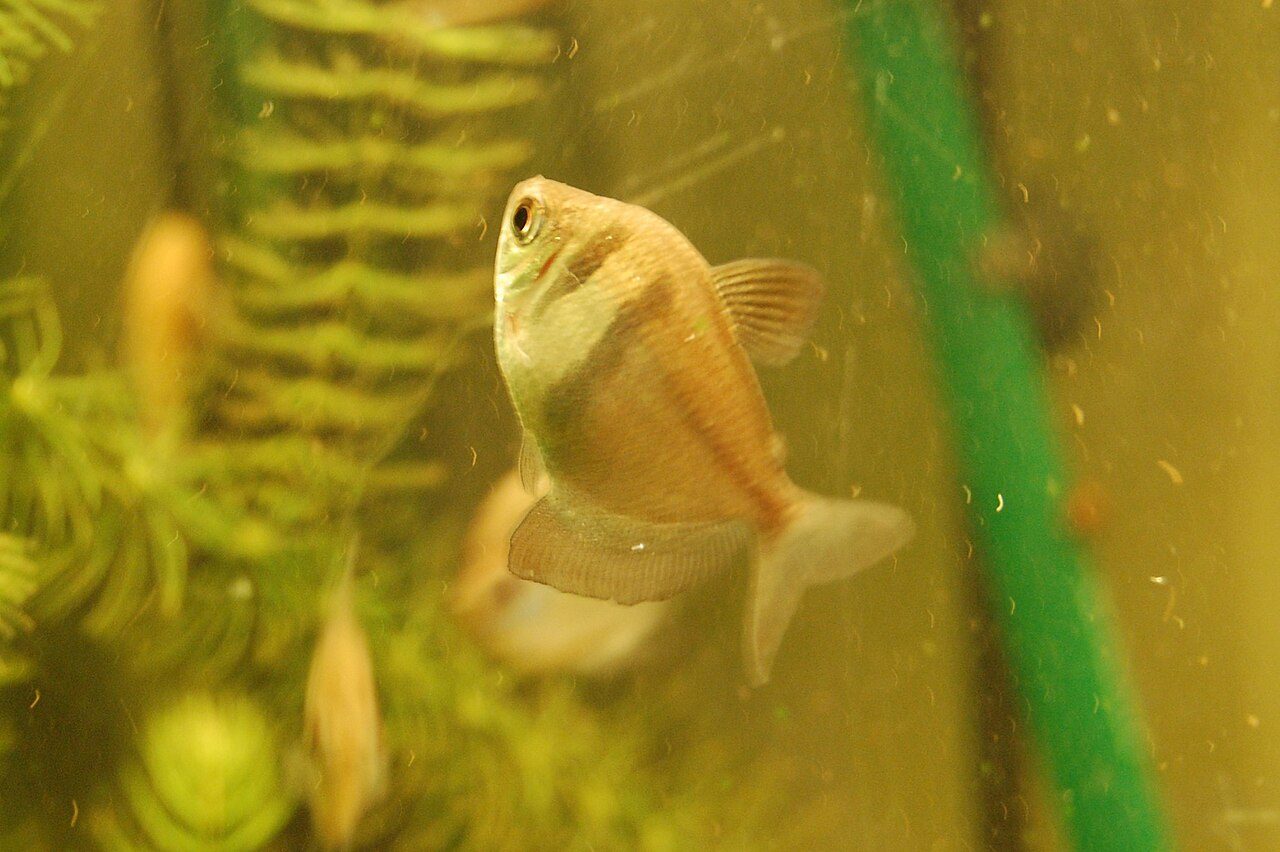
The black skirt tetra, also known as the black widow tetra, belongs to the subfamily Tetragonopterinae. In the wild, their lifespan is often cut short by predation and environmental shifts, but in captivity, they enjoy a much safer existence.
Most hobbyists see their fish live for about 3 or 4 years before they start showing signs of age. However, I have seen well-cared-for specimens maintain their deep black coloration and activity levels well into their fifth or sixth year.
To give you a clear overview of what to expect, I have compiled a quick reference table of their biological expectations. This helps in planning your long-term aquarium goals and community stocking.
| Attribute | Detail |
|---|---|
| Scientific Name | Gymnocorymbus ternetzi |
| Average Lifespan | 3 to 5 Years |
| Maximum Lifespan | 7+ Years (Rare) |
| Adult Size | 2 to 2.5 Inches |
| Family | Characidae |
The Role of Genetics and Sourcing
Not all black skirt tetras are born with the same potential for long life. Fish sourced from high-quality breeders often have stronger immune systems than those mass-produced in overstocked commercial ponds.
When I first started, I noticed that fish from local reputable breeders lived significantly longer than “bargain” fish. Genetic diversity plays a massive role in how well a fish can handle minor environmental fluctuations.
If you are looking for long-term success, always inspect the fish at the store for clear eyes and upright fins. Avoid any tanks showing signs of Ichthyophthirius multifiliis or lethargic swimming patterns.
Pro Tip: When purchasing your school, look for younger, smaller fish rather than fully grown adults. This helps make sure you have more time to enjoy them and that they haven’t already spent half their life in a holding tank.
Critical Factors Influencing how long do black skirt tetras live
The environment you create is the single most important factor in determining the longevity of your fish. While they are hardy, they are not invincible to poor husbandry and neglect.
In my experience, the biggest silent killer in the hobby is nitrate toxicity. While many fish tolerate moderate levels, long-term exposure to nitrates above 40ppm causes chronic stress that shortens their life significantly.
To maximize their years, you must focus on stability rather than just “cleanliness.” Sudden swings in water chemistry can cause osmotic stress, which taxes the fish’s internal organs and weakens their defenses.
Water Quality and Chemical Balance
Maintaining a consistent nitrogen cycle is non-negotiable for a healthy aquarium. I recommend weekly water changes of 25% to keep organic waste from accumulating to dangerous levels.
You should also pay close attention to carbonate hardness (KH), as it acts as a buffer for your pH levels. A stable pH prevents the “acid crashes” that can happen in older aquariums with low buffering capacity.
When researching the lifespan of various tetra species, you will find that the black skirt is particularly sensitive to ammonia spikes. Always use a high-quality liquid test kit to monitor these levels frequently.
Temperature and Metabolism
The temperature of your water directly affects the metabolic rate of your fish. If the water is too warm, their metabolism speeds up, which can actually shorten their overall lifespan.
I aim for thermal stability by using a high-quality heater and a reliable thermometer. Fluctuations of more than a few degrees in a single day can be devastating to their immune systems.
Keeping them at the lower end of their preferred range (around 74-76°F) can sometimes extend their life by slowing down biological processes. However, you must balance this with their activity levels and overall comfort.
The Importance of Diet and Nutrition
Feeding your fish “whatever is on sale” is a recipe for a shorter lifespan. A varied diet ensures they receive all the essential vitamins and minerals needed for cellular repair and immune health.
I like to use a high-quality flake or micro-pellet as a staple but supplement it with frozen or live foods. Brine shrimp, daphnia, and bloodworms provide the protein and fats that dry foods often lack.
Overfeeding is another common pitfall that leads to fatty liver disease and poor water quality. I feed my tetras only what they can consume in two minutes, once or twice a day.
| Food Type | Frequency | Benefit |
|---|---|---|
| High-Quality Flakes | Daily staple | Balanced vitamins |
| Frozen Brine Shrimp | 2-3 times weekly | High protein / Digestion |
| Live Daphnia | Once weekly | Natural hunting behavior |
| Blanched Spinach | Occasionally | Fiber for gut health |
Vitamins and Color Enhancement
The deep black pigment of these fish is a visual indicator of their health. When they are stressed or malnourished, they turn a ghostly grey color.
I have found that foods rich in carotenoids help maintain their rich appearance and overall vitality. Healthy fish with strong pigmentation are generally better equipped to fight off opportunistic pathogens.
Consider soaking their dry food in a liquid vitamin supplement once a week. This is a trick I learned from professional breeders to make sure no nutritional gaps exist in their diet.
Creating a Stress-Free Environment
Stress is the silent contributor to many early deaths in the aquarium hobby. For a schooling fish like the black skirt tetra, security comes in numbers and a well-structured environment.
They are naturally timid fish that do well when they have plenty of hiding spots. If they feel exposed, they will constantly produce cortisol, which suppresses their immune response over time.
Choosing an appropriate tank size is vital to reducing aggression and stress. A cramped tank leads to fin nipping and territorial disputes, even among peaceful species.
The Power of Schooling
Never keep a black skirt tetra alone or in pairs; they are social creatures that require a group. I recommend a minimum of six individuals, though a group of ten or more is much better for their mental health.
In a large school, the “pecking order” is distributed among many fish, preventing any one individual from being bullied. This social structure is essential for their long-term well-being and longevity.
When they feel safe in their school, they are much more active and display their natural behaviors. This activity keeps them physically fit, which is a major factor in how long do black skirt tetras live.
Pro Tip: Use a dark substrate and plenty of live plants to mimic their natural habitat. The dark background makes them feel more secure and makes their black “skirts” pop visually.
Aquarium Decor and Hiding Spots
Plants like Amazon Swords and Java Fern are excellent choices for a black skirt tetra tank. They provide vertical cover that allows the fish to retreat if they feel threatened by movement outside the glass.
Adding driftwood can also introduce humic acid and tannins into the water. These natural compounds have mild antibacterial properties and help replicate the soft, slightly acidic water of South America.
Avoid sharp plastic plants that can tear their delicate fins. Any injury to the finnage can lead to secondary bacterial infections, which are often difficult to treat in older fish.
Advanced Care: Oxygen and Filtration
High dissolved oxygen saturation is often overlooked but critical for active swimmers. Black skirt tetras are deep-bodied and require efficient gas exchange to maintain their energy levels.
I always keep my filter provides enough surface agitation to keep the water well-oxygenated. If you notice your fish gasping at the surface, it is a sign that your oxygen levels are dangerously low.
Furthermore, a sturdy filtration system is necessary to handle the bio-load of a schooling group. I prefer oversized canisters or hang-on-back filters that provide both mechanical and biological filtration.
Managing Water Flow
While they need oxygen, they do not enjoy being tossed around by a “washing machine” current. Moderate flow is best, allowing them to swim against it for exercise without becoming exhausted.
I like to position my filter intake and output to create a gentle circular flow in the tank. This ensures that nutrients are distributed to plants and waste is moved toward the filter efficiently.
Monitoring the flow also helps prevent stagnant “dead zones” where debris can collect and rot. These zones can lead to localized spikes in ammonia that can harm your fish over time.
Preventing Common Health Issues
Disease prevention is far more effective than trying to cure an illness once it has taken hold. Most diseases that affect tetras are opportunistic, meaning they strike when the fish is already weakened.
One of the most common issues is Ichthyophthirius multifiliis, also known as White Spot Disease. It is often triggered by sudden temperature drops or the introduction of new, unquarantined fish.
Always quarantine new additions for at least two weeks before adding them to your main display. This simple step has saved my main colonies from disaster more times than I can count.
Recognizing Signs of Aging
As your tetras reach the end of their natural lifespan, you will notice certain changes. Their colors may fade permanently, and they may become less interested in food or social interaction.
You might also see a slight curving of the spine or a thinning of the body. When this happens, I make sure the water is extra clean and that they don’t have to compete too hard for food.
In many cases, an older fish will simply pass away peacefully in its sleep. If you have provided a good life, reaching 5 years of age is a significant achievement for any aquarist.
| Water Parameter | Ideal Range for Longevity |
|---|---|
| Temperature | 72°F – 80°F (75°F is ideal) |
| pH Level | 6.0 – 7.5 |
| Ammonia / Nitrite | 0 ppm |
| Nitrate | < 20 ppm |
| Water Hardness | 4 – 12 dGH |
FAQ: Common Questions About Black Skirt Tetra Longevity
Why is my black skirt tetra losing its color?
Loss of color is usually a sign of stress, poor water quality, or aging. Check your ammonia and nitrate levels immediately, as these are the most common environmental triggers for fading colors.
Can they live in a 10-gallon tank?
While they can technically survive, it is not ideal for their lifespan. A 20-gallon long tank is much better, as it provides the swimming space they need to stay healthy and active.
Do black skirt tetras nip the fins of other fish?
They can be “nippy” if they are kept in too small a group or a cramped tank. Keeping a proper school of 6 or more usually keeps this behavior contained within the group and away from tank mates like guppies or angels.
When choosing companions, you might want to look at silvertip vs black skirt tetras to see which schooling dynamic fits your tank better. Both are hardy, but their social behaviors differ slightly.
How can I tell if my tetra is dying of old age?
Signs of old age include a loss of appetite, lethargy, and a slight hunch in the back. If the water parameters are perfect and there are no signs of disease, it is likely just the natural end of their life cycle.
A closing note
Maximizing how long do black skirt tetras live is a satisfying challenge that requires a holistic approach to fish keeping. If you focus on stability, nutrition, and social needs, you can easily help your fish reach their full 5-year potential.
The key to a long-lived tetra is a stress-free environment. Pristine water, a high-quality diet, and the security of a large school are the three pillars of success for Gymnocorymbus ternetzi.
As you continue your journey in the hobby, always keep learning and observing your fish. They will often tell you exactly what they need through their behavior and coloration if you take the time to watch.
Thank you for visiting Successful Aquarium. We are dedicated to helping you create the best possible home for your aquatic friends, making sure they live long, healthy, and vivid lives.

- 2003First tank
- 20+Years keeping
- 40+Tanks kept
- 0Sponsored picks
Howard set up his first 10-gallon planted tank in 2003 and lost half of it within six weeks. Two decades and more than forty aquariums later, he writes the guides he wished he had then: clear numbers, the reasons behind them, and what actually goes wrong in home tanks.