How Long Does A Tetra Fish Live – Maximizing Longevity In Your Home
Most tetra fish typically live between 3 to 5 years in a home aquarium. However, with expert care, stable water parameters, and a high-quality diet, species like Cardinal tetras can survive up to 8 years.
Understanding how long does a tetra fish live is one of the first questions I get from new hobbyists. After more than a decade of maintaining dozens of tanks, I have found that “average” lifespans are often just a starting point.
In my experience, the difference between a fish that lives two years and one that lives seven years usually comes down to small, consistent habits. Tetras are hardy, but they are also sensitive to the environment we create for them.
This guide will break down the biological and environmental factors that determine the lifespan of these colorful schooling fish. Whether you are keeping a small nano tank or a massive planted display, these insights will help you provide the best possible life for your aquatic pets.
At a glance: Tetras (general) (Family Characidae and relatives)
- Temperature
- 72–80°F (22–27°C) for most species
- Water pH
- 6.0–7.5 for most species
- Adult size
- 1–3 in (2.5–8 cm)
- Minimum tank
- 10–30 gal depending on species
- Group size
- Groups of 6–10+
- Temperament
- Mostly peaceful schooling fish
- Diet
- Omnivores: quality flakes or micro pellets plus frozen foods
- Lifespan
- 3–8 years
Keeper’s tip: Schooling size matters more than tank size for most tetras: small groups hide, nip and stress.
The Biological Reality of Tetra Lifespans
When we ask how long does a tetra fish live, we have to recognize that “tetra” covers hundreds of different species. Each species has evolved in a specific niche in the wild, from the blackwater streams of the Amazon to the clear rivers of South America.
In the wild, many tetras are considered “annual” or short-lived because of heavy predation and seasonal changes. In our home aquariums, we remove the predators and provide a constant food source, which significantly extends their natural life.
However, genetics still play a massive role. Some smaller species have faster metabolisms and naturally shorter lifespans than their larger cousins.
Pro Tip: Always source your fish from reputable breeders or local shops that prioritize health over high-volume turnover. Fish that are “mass-produced” in overcrowded ponds often have weakened immune systems before they even reach your tank.
Comparing Lifespans Across Popular Tetra Species
Not all tetras are created equal when it comes to longevity. While the how long does a tetra fish live question usually averages out to five years, some species are known for being particularly long-lived.
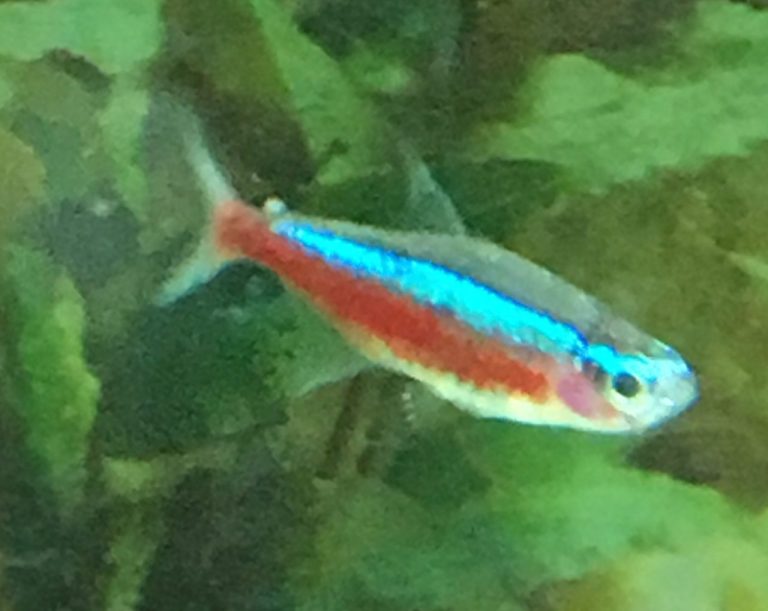
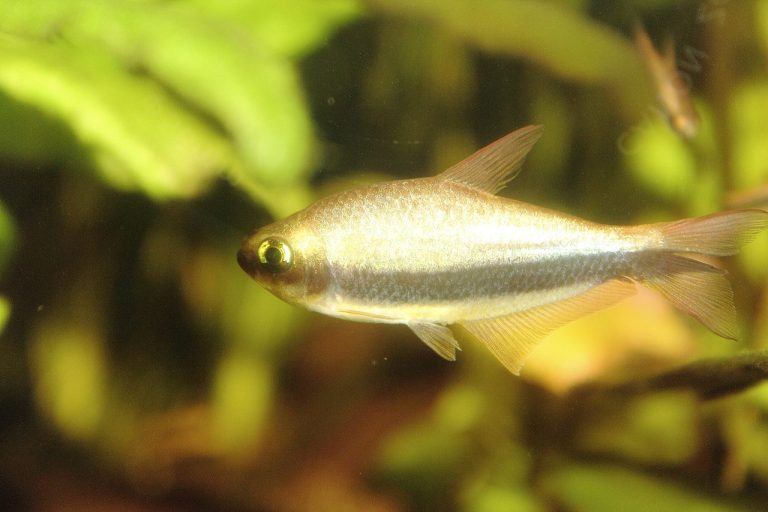
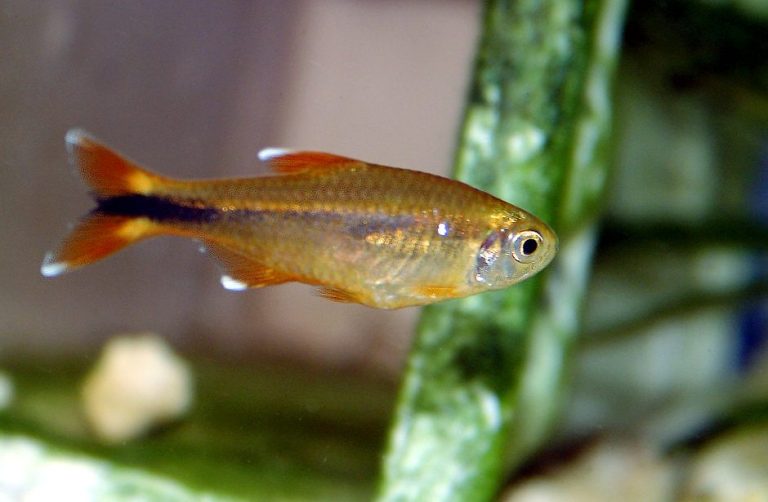
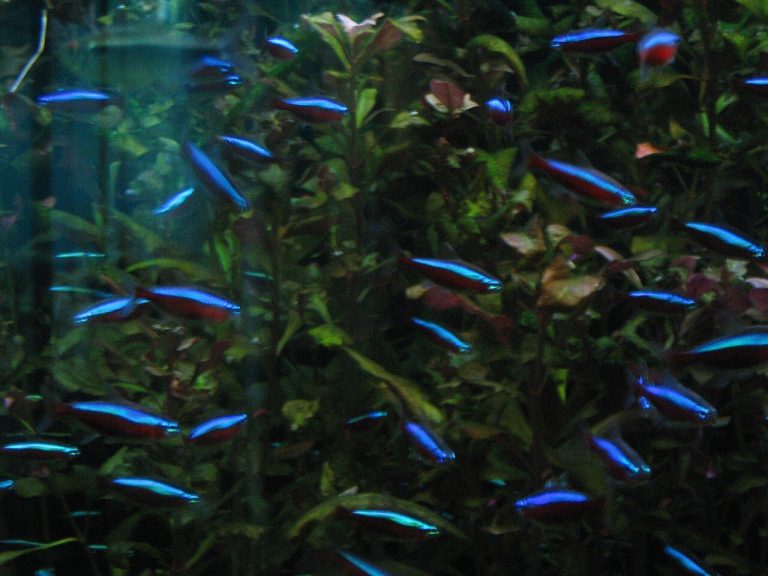
For instance, the Cardinal Tetra often outlives the popular Neon Tetra because it is slightly hardier once acclimated. Similarly, larger-bodied tetras like the Congo Tetra can live much longer than the tiny Ember Tetra.
Below is a comparison of common species and what you can realistically expect regarding their lifespan under best conditions.
| Tetra Species | Average Lifespan | Max Potential |
|---|---|---|
| Neon Tetra | 3-5 Years | 8 Years |
| Cardinal Tetra | 4-6 Years | 10 Years |
| Black Skirt Tetra | 3-5 Years | 7 Years |
| Rummy Nose Tetra | 5-6 Years | 8 Years |
| Congo Tetra | 5-10 Years | 12 Years |
As you can see, choosing the right species is the first step in ensuring your aquarium remains vivid for years. If you are just starting out, keeping neon tetras is a classic choice, but be prepared for their specific sensitivity.
Water Quality: The Foundation of Longevity
The most critical factor in how long does a tetra fish live is the water they swim in every second of the day. Unlike us, fish cannot escape a poor environment; they are literally breathing their surroundings.
Aquarium water pH stability is much more important than hitting a “perfect” number. While most tetras prefer slightly acidic water, a fluctuating pH is far more deadly than a stable, slightly alkaline one.
Nitrate accumulation is the silent killer in many established tanks. While ammonia and nitrite should always be zero, nitrates can creep up over time, weakening the fish’s immune system and shortening its life.
The Importance of Biological Filtration
High biological filtration efficiency makes sure that toxic waste is processed immediately. A well-established colony of beneficial bacteria is your fish’s best friend.
I always recommend over-filtering tetra tanks. If you have a 20-gallon tank, using a filter rated for 40 gallons provides a safety net for those times you might accidentally overfeed.
Managing Water Hardness and Temperature
General Hardness (GH) levels are often overlooked by beginners. Tetras generally prefer “soft” water, which mimics the mineral-poor rivers of the Amazon basin.
The water temperature range (72-78°F) must remain consistent. Heat speeds up a fish’s metabolism; keeping them at the higher end of the range (80°F+) might make them more active, but it can actually shorten their lifespan by making their bodies work harder.
| Parameter | Ideal Range for Tetras | Impact on Lifespan |
|---|---|---|
| Temperature | 72°F – 78°F | Stable temps prevent stress and metabolic burnout. |
| pH | 6.0 – 7.0 | Stability prevents osmotic shock. |
| Nitrates | < 20 ppm | High levels lead to chronic stress and disease. |
Common Diseases That Shorten Tetra Lives
Even with perfect water, disease can strike. Understanding the common ailments is key to answering how long does a tetra fish live in your specific setup.
The most notorious is Neon Tetra Disease (Pleistophora hyphessobryconis). This is a parasitic condition that is unfortunately incurable and highly contagious, often wiping out entire schools.
Another common threat is Ichthyophthirius multifiliis, commonly known as “Ich” or white spot disease. While treatable, the stress of the parasite and the medication can take a toll on a fish’s long-term health.
Pro Tip: Quarantine all new arrivals for at least two weeks. It is much easier to treat a few fish in a small container than to risk your entire established community in a large display tank.
I’ve noticed that stress is the primary gateway for these diseases. When tetras feel unsafe, their slime coat thins, leaving them vulnerable to whatever bacteria are present in the water.
Nutrition and Diet: Fueling a Long Life
If you want to know how long does a tetra fish live when given “premium” care, look at their diet. Many keepers rely solely on cheap flake food, which loses nutritional value quickly once opened.
A varied diet is essential for a strong immune system. I recommend a mix of high-quality micro-pellets, frozen bloodworms, and live daphnia.
Daphnia, in particular, acts as a natural laxative and provides essential chitin. This prevents bloating, which is a common cause of premature death in deep-bodied species like the Black Skirt Tetra.
The minimum aquarium volume for most tetras is often listed as 10 gallons, but I strongly disagree. In my experience, a 20-gallon long tank is the “sweet spot” for longevity.
Larger volumes of water are more chemically stable. A small mistake in a 5-gallon tank can cause a massive ammonia spike, whereas the same mistake in a 20-gallon tank might go unnoticed.
Furthermore, tetras are schooling fish. They derive security from being in a group of at least 6 to 10 of their own kind.
When kept in too small a group, they live in a state of constant “high alert.” This chronic stress releases cortisol, which suppresses their immune system and leads to a shorter life.
Before adding new fish, checking a tank mate compatibility guide is vital. Bullying from larger or more aggressive fish can lead to physical injuries and constant hiding, both of which drastically reduce lifespan.
Environmental Enrichment and Stress Reduction
A bare tank is a stressful tank for a tetra. In the wild, they spend their lives darting between plants and driftwood to avoid birds and larger fish.
Adding live plants provides cover and also helps maintain water quality by absorbing nitrates. Floating plants are particularly effective at providing the “dappled” light that many tetras prefer.
When tetras feel secure, you will see their colors intensify. A pale tetra is often a stressed tetra, and a stressed tetra will not live to its full potential.
Making sure you have the proper aquarium volume and plenty of hiding spots is the best way to make sure they reach that 5-to-8-year mark.
Questions and answers
1. Can tetras live for 10 years?
While rare, some species like the Cardinal Tetra and the Congo Tetra have been documented living up to 10 years or more in captivity. This requires near-perfect water conditions and a highly varied diet.
2. Why do my neon tetras die so fast?
Neon tetras are often over-bred, leading to genetic weaknesses. They are also highly susceptible to “Neon Tetra Disease” and are very sensitive to shifts in water parameters during the first few weeks in a new tank.
3. Does tank size affect how long a tetra lives?
Yes, indirectly. Smaller tanks are harder to keep stable. Larger tanks provide more swimming space and a larger volume of water to dilute toxins, leading to a healthier, longer-lived fish.
4. How can I tell if my tetra is old?
Older tetras may show a slight “hump” in their back, move more slowly, and have less bright colors. They may also be less interested in competing for food during school feeding frenzies.
5. Do tetras need a heater to live long?
Absolutely. Tetras are tropical fish. Keeping them in unheated water causes their metabolism to slow down dangerously, leading to a suppressed immune system and an early death.
Where that leaves you
So, how long does a tetra fish live? The answer is largely in your hands. While biology sets the baseline at 3 to 5 years, your dedication to water stability, diet, and stress reduction can push that number much higher.
I have seen tetras stay healthy for nearly a decade when their keepers prioritized consistency over constant tinkering. The goal is to create an ecosystem, not just a decoration.
If you focus on high biological filtration efficiency, maintaining a steady water temperature range (72-78°F), and providing a peaceful social environment, you can enjoy the beauty of these shimmering fish for many years to come.
Stay observant, keep your water clean, and your tetras will reward you with a lifetime of vivid activity.

- 2003First tank
- 20+Years keeping
- 40+Tanks kept
- 0Sponsored picks
Howard set up his first 10-gallon planted tank in 2003 and lost half of it within six weeks. Two decades and more than forty aquariums later, he writes the guides he wished he had then: clear numbers, the reasons behind them, and what actually goes wrong in home tanks.