Do Tetras Need A Heater – The Essential Guide To Tropical Tank
Yes, tetras need a heater. As tropical fish native to warm climates, they require stable water temperatures between 75°F and 80°F to maintain their immune systems and prevent fatal thermal shock or disease.
One of the most frequent questions I hear from new hobbyists is, “do tetras need a heater?” It is a valid concern because many beginners start with small kits that might not include climate control.
In my experience over the last decade, maintaining a consistent environment is the single most important factor for success. Tetras are hardy, but they are not cold-water fish like goldfish or minnows.
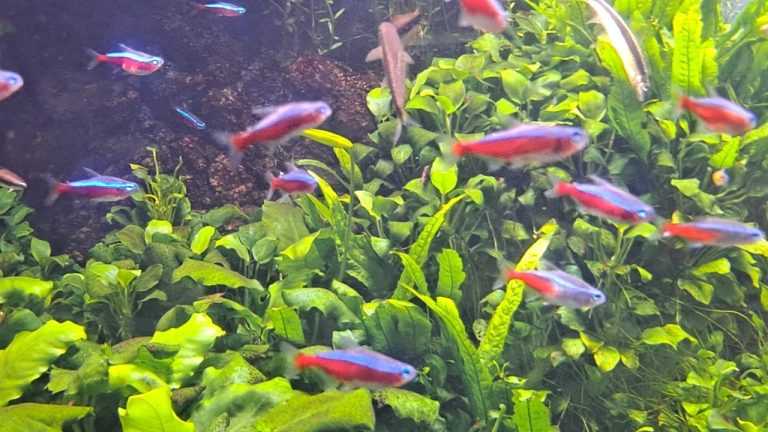
When you bring home these colorful swimmers, you are essentially trying to recreate a slice of the Amazon basin. This guide will walk you through exactly why heat is non-negotiable for your schooling friends.
At a glance: Tetras (general) (Family Characidae and relatives)
- Temperature
- 72–80°F (22–27°C) for most species
- Water pH
- 6.0–7.5 for most species
- Adult size
- 1–3 in (2.5–8 cm)
- Minimum tank
- 10–30 gal depending on species
- Group size
- Groups of 6–10+
- Temperament
- Mostly peaceful schooling fish
- Diet
- Omnivores: quality flakes or micro pellets plus frozen foods
- Lifespan
- 3–8 years
Keeper’s tip: Schooling size matters more than tank size for most tetras: small groups hide, nip and stress.
Do Tetras Need a Heater for Long-Term Survival?
To answer the question do tetras need a heater simply: yes, they absolutely do if you want them to live past a few weeks. Without a reliable heat source, your fish are at the mercy of your home’s ambient temperature.
Most homes fluctuate significantly between day and night. These swings can cause massive stress to the delicate physiology of a tetra, leading to a weakened immune response.
In the wild, these fish live in large bodies of water that hold heat extremely well. An aquarium is a much smaller volume of water, meaning it loses or gains heat rapidly without intervention.
Pro Tip: I always recommend using two smaller heaters rather than one large one. If one fails and stays “on,” it is less likely to cook your fish, and if one fails “off,” the other keeps the water from plummeting to dangerous levels.
Understanding Ectothermic Regulation
Fish are ectothermic, meaning their body temperature is regulated by the water around them. Unlike humans, they cannot shiver to get warm or sweat to cool down.
If the water is too cold, their metabolic rate slows down to a crawl. This leads to lethargy, a lack of appetite, and eventually, organ failure.
The Danger of Room Temperature
Many people assume that if their room feels “room temperature,” the fish will be fine. However, water is usually several degrees cooler than the surrounding air due to evaporation.
If your house is 70°F, your tank might actually be 66°F or 67°F. For a tropical species, this is a recipe for a slow and painful decline.
The Biological Importance of Heat for Tropical Fish
When we discuss whether do tetras need a heater, we have to look at their internal biology. Proper warmth is required for homeostasis, the state of steady internal conditions.
A stable temperature makes sure that enzymes in their bodies function correctly. This is vital for digesting the nutrients found in high-quality neon tetra food.
Warm water also influences the dissolved oxygen saturation within the tank. While colder water holds more oxygen, tetras have evolved to settle in in the specific oxygen levels found in warmer tropical biotope environments.
Preventing Common Diseases
One of the biggest threats to an unheated tank is Ichthyophthirius multifiliis, commonly known as Ich. This parasite stays healthy when a fish’s immune system is suppressed by cold.
I have noticed that “Ich” breakouts almost always follow a sudden drop in temperature. By using a submersible thermostat, you keep the water stable and the fish’s natural defenses strong.
Thermal Shock and Its Effects
Thermal shock occurs when the temperature changes too rapidly for the fish to adapt. This can happen during water changes or if a heater fails.
Symptoms include gasping at the surface, erratic swimming, or “laying” on the bottom of the tank. Maintaining a steady 78°F prevents these traumatic events from occurring.
Temperature Requirements for Popular Tetra Species
Not all tetras are identical, though most share a similar range. Understanding the specific needs of your species is key to a healthy aquarium.
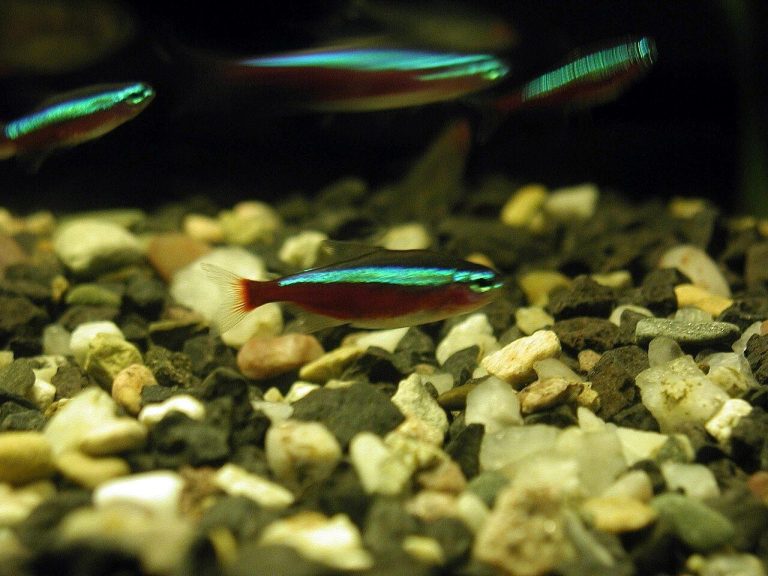
For instance, the Paracheirodon innesi (Neon Tetra) is slightly more tolerant of cooler water than the Cardinal Tetra, but it still requires a heater. You can find more details on the ideal water temperature for tetras in our specialized guide.
The following table outlines the preferred ranges for common species:
| Tetra Species | Ideal Temp Range (°F) | Ideal Temp Range (°C) |
|---|---|---|
| Neon Tetra | 72°F – 78°F | 22°C – 26°C |
| Cardinal Tetra | 75°F – 82°F | 24°C – 28°C |
| Rummy Nose Tetra | 75°F – 84°F | 24°C – 29°C |
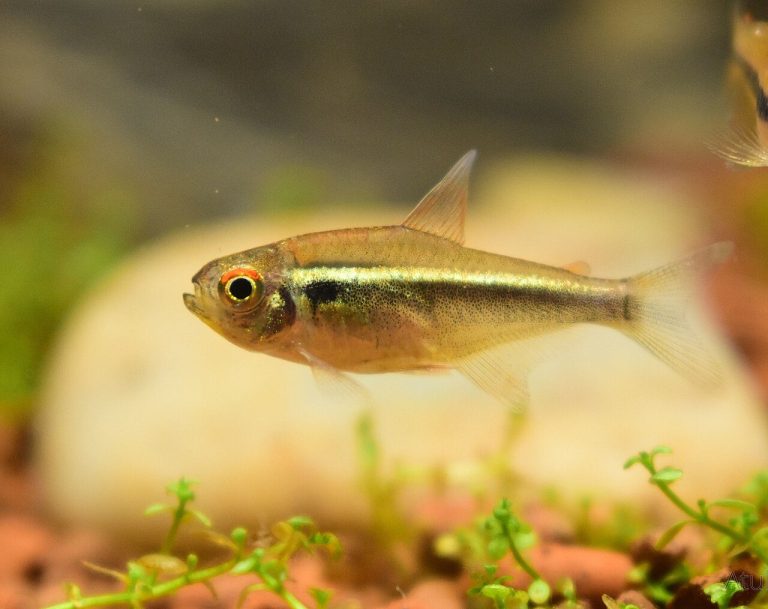
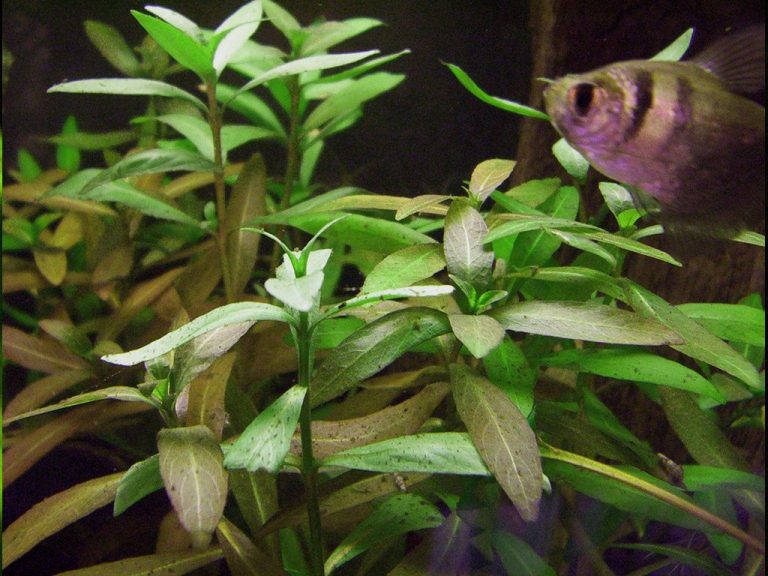
| Black Skirt Tetra | 70°F – 82°F | 21°C – 28°C |
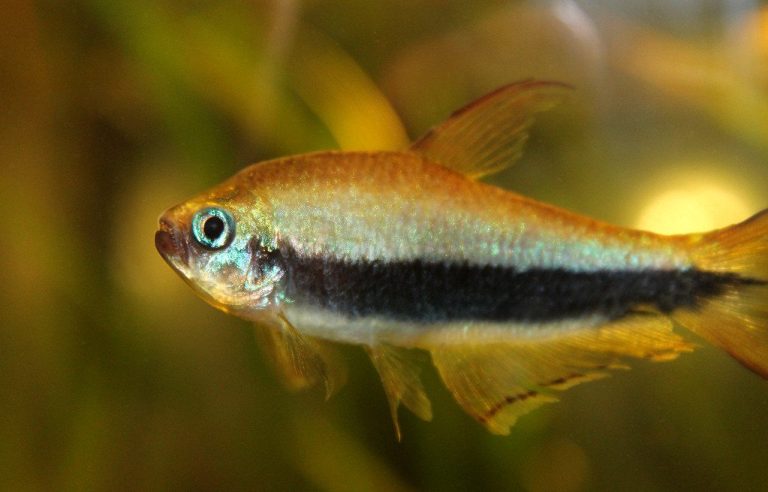
| Ember Tetra | 73°F – 84°F | 23°C – 29°C |
Selecting the Perfect Heater for Your Tetra Tank
Once you realize the answer to do tetras need a heater is a resounding yes, you need to pick the right one. Not all heaters are created equal.
You should aim for approximately 3 to 5 watts of power per gallon of water. For a 20-gallon tank, a 75W or 100W heater is usually sufficient.
I prefer fully submersible models because they offer more flexibility in placement. Placing the heater near the filter intake or outflow helps make sure the warm water is distributed evenly throughout the tank.
Common Mistake: Never turn on your heater until it has been submerged for at least 20 minutes. The glass needs time to adjust to the water temperature, or it may crack when the heating element engages.
Types of Aquarium Heaters
There are several styles available on the market today. Each has its own benefits depending on your setup.
- Submersible Heaters: These are the most common and are placed entirely underwater.
- Preset Heaters: These are set to 78°F at the factory and cannot be adjusted. They are great for beginners but lack flexibility.
- Adjustable Heaters: These allow you to fine-tune the temperature, which is essential if you need to treat diseases like Ich.
- In-line Heaters: These attach to canister filter hoses, keeping the equipment out of the main display.
The Importance of a Separate Thermometer
Never trust the dial on the heater itself. They are often calibrated incorrectly or can drift over time.
I always use a separate digital or glass thermometer on the opposite side of the tank. This confirms that the entire water column is reaching the desired neon tetra heat needs.
Signs Your Tetra Tank is Too Cold
If you are still wondering, do tetras need a heater, look for these warning signs in an unheated tank. These behaviors indicate that your fish are suffering.
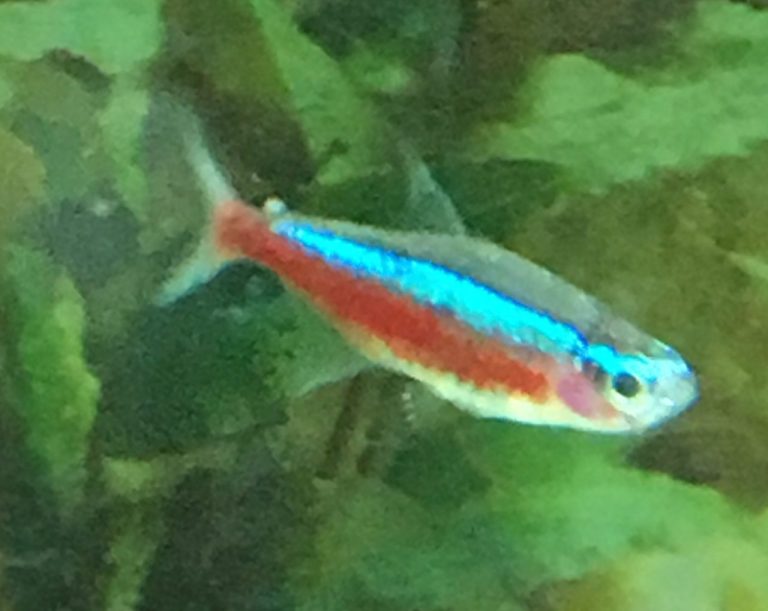
Tetras that are too cold will often lose their bright colors. A pale Neon Tetra is a stressed Neon Tetra, and temperature is usually the culprit.
You may also see them hovering near the bottom or hiding behind decorations. They are trying to conserve energy because their metabolism has slowed down too much.
Loss of Appetite
When fish are cold, they stop eating. If you notice food falling to the bottom and being ignored, check your thermometer immediately.
If the water remains cold, the food will rot, leading to ammonia spikes. This creates a “double-whammy” of stress that few tetras can survive.
Increased Vulnerability to Stress
A cold fish is a stressed fish. In this state, they are much more likely to be bullied by tank mates or succumb to minor infections that a healthy fish would fight off easily.
Consistency is the hallmark of a comprehensive care guide. Without stability, your tetras will never stay healthy or display their best colors.
Advanced Tips for Temperature Stability
For those looking to take their hobby to the next level, there are ways to ensure even more stability. This is especially important for smaller “nano” tanks.
Small volumes of water are very volatile. A drafty window or a blast of air conditioning can swing a 5-gallon tank by several degrees in an hour.
Using Temperature Controllers
I have started using external temperature controllers on all my display tanks. You plug your heater into the controller, and it uses its own probe to manage the power.
This provides a fail-safe. If the heater’s internal thermostat fails, the controller will cut the power before the tank gets too hot or cold.
Insulating Your Tank
If you live in a very cold climate, you might consider insulating the back and sides of your tank. This can be done with simple foam board or specialized aquarium backgrounds.
This reduces the workload on your heater and saves money on your electricity bill. It also helps maintain a steady tropical biotope environment during winter power outages.
Frequently asked questions
Can tetras live without a heater in the summer?
While the air might be warm, it is rarely stable. A heater is still necessary during summer to prevent nighttime temperature drops when the sun goes down or the AC kicks in.
How long can tetras survive without a heater?
It depends on the ambient temperature. If the water drops below 70°F, they may start showing signs of stress within hours. Long-term survival below 65°F is very unlikely.
What happens if the heater breaks?
If your heater breaks and the temperature drops, you should wrap the tank in blankets to retain heat. Do not pour hot water directly into the tank, as this causes thermal shock.
Do I need a heater for a 5-gallon tetra tank?
Yes, smaller tanks actually need heaters even more than large ones. Small water volumes fluctuate much faster, making a heater essential for stability.
Can I use a heater meant for a larger tank?
It is risky. A heater that is too powerful can heat the water so fast that it shocks the fish, or it may “short-cycle,” turning on and off too frequently and burning out.
My final take
The answer to do tetras need a heater is clear: it is a fundamental requirement for their health. If you provide a stable, warm environment, you are making sure your fish can digest their food, fight off disease, and live a full lifespan.
Maintaining a steady 75-80°F range allows the natural beauty of these schooling fish to shine. It mimics the leafy, warm waters of the Amazon and provides the foundation for a successful aquarium.
Invest in a quality heater and a reliable thermometer today. Your tetras will thank you with rich colors and active, playful behavior for years to come.

- 2003First tank
- 20+Years keeping
- 40+Tanks kept
- 0Sponsored picks
Howard set up his first 10-gallon planted tank in 2003 and lost half of it within six weeks. Two decades and more than forty aquariums later, he writes the guides he wished he had then: clear numbers, the reasons behind them, and what actually goes wrong in home tanks.