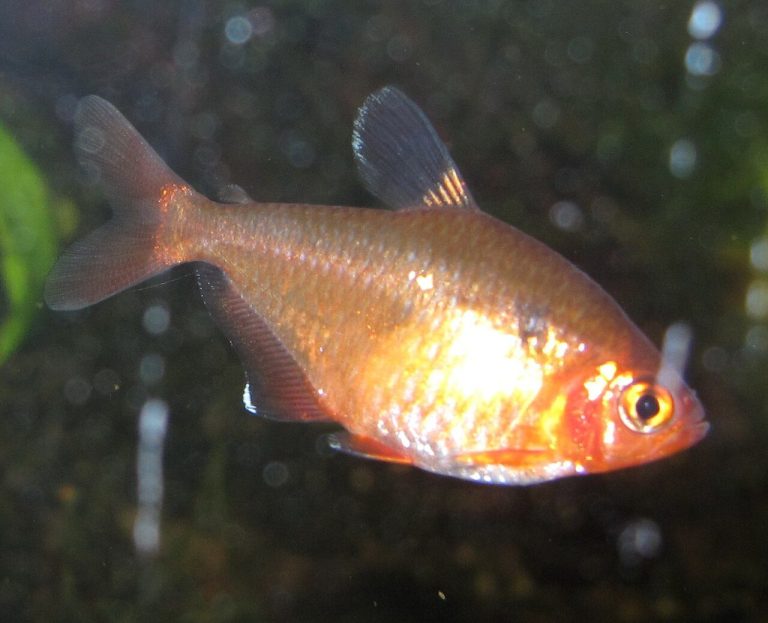
Black Skirt Tetra Lifespan – The Ultimate Expert Guide To Longevity
The average black skirt tetra lifespan is between 3 to 5 years. With expert care, stable water parameters, and a high-quality diet, these resilient fish can often reach 7 or even 8 years of age.
Bringing a school of Gymnocorymbus ternetzi into your home is a rewarding experience for any aquarist.
These striking fish, often recognized by their deep, compressed bodies and bold dark fins, are staples in the hobby for a reason.
In my decade of keeping various members of the Characidae family, I have found that the black skirt tetra lifespan is largely a reflection of the effort put into their daily environment.
While many beginners expect their fish to last only a year or two, these tetras have much more to give.
Understanding their biological needs is the first step toward making sure they stay healthy in your care for the long haul.
Let’s go through the specifics of how you can extend their lives and keep them vivid for years to come.
Pro Tip: Always buy your tetras from a reputable source. Fish that have been stressed during shipping or kept in poor conditions at a store often have weakened immune systems, which can permanently shorten their potential lifespan before you even get them home.
At a glance: Black skirt tetra (Gymnocorymbus ternetzi)
- Temperature
- 70–85°F (21–29°C)
- Water pH
- 6.0–7.5
- Adult size
- 2.5 in (6 cm)
- Minimum tank
- 20 gal
- Group size
- Groups of 6+
- Temperament
- Semi-peaceful, may nip fins
- Diet
- Omnivore: flakes, pellets, frozen foods
- Lifespan
- 3–5 years
Keeper’s tip: Keep them in a proper group; singles and pairs are the ones that harass bettas and angelfish.
Understanding the Factors Affecting black skirt tetra lifespan
The typical black skirt tetra lifespan in a home aquarium is influenced by a combination of genetics and environmental stewardship.
In the wild, these fish face predators and seasonal changes, but in our tanks, we control every variable of their existence.
I have noticed that fish kept in stable, larger volumes of water tend to outlive those in smaller, fluctuating environments.
Biological homeostasis is much easier for a fish to maintain when the environment doesn’t change rapidly.
When we talk about longevity, we are really talking about minimizing the biological “cost” the fish pays to stay alive.
Every time a fish has to fight off a spike in ammonia or a sudden drop in temperature, it uses energy that would otherwise go toward growth and cellular repair.
Genetics and Initial Health
Not all black skirt tetras are born with the same internal clock.
Mass-produced fish can sometimes suffer from genetic bottlenecks, which may slightly reduce their overall hardiness.
However, by focusing on high-quality care from day one, you can overcome many of these initial hurdles.
The Role of Stress in Longevity
Stress is the silent killer in the aquarium hobby.
High stress levels lead to increased cortisol, which suppresses the immune system and makes fish vulnerable to pathogens.
If you provide plenty of hiding spots and a proper school size, you directly contribute to a longer black skirt tetra lifespan.
Water Chemistry and Environmental Stability
To maximize the black skirt tetra lifespan, you must master the chemistry of your water.
These fish are native to the Rio Paraguay and Rio Guaporé basins, where the water is typically soft and slightly acidic.
Maintaining thermal stability is one of the most critical aspects of their care, as rapid shifts can shock their systems.
The nitrogen cycle must be fully established before adding these fish to your tank.
Even low levels of ammonia or nitrite can cause permanent gill damage, which shortens their lives significantly.
I always recommend a strong filtration system to keep the nitrate concentration below 20 ppm at all times.
| Parameter | Ideal Range |
|---|---|
| Temperature | 72°F to 82°F (22°C – 28°C) |
| pH Level | 6.0 to 7.5 |
| Carbonate Hardness (KH) | 4 to 8 dKH |
| Ammonia / Nitrite | 0 ppm |
| Nitrate | < 20 ppm |
The Importance of Carbonate Hardness
While many focus solely on pH, carbonate hardness is vital for preventing pH crashes.
A stable KH acts as a buffer, making sure the water chemistry doesn’t swing wildly during a water change or after a heavy feeding.
In my experience, fish kept in buffered water live longer because they aren’t subjected to the stress of fluctuating acidity.
Managing Metabolic Rate with Temperature
The temperature of your aquarium directly dictates the metabolic rate of your fish.
Keeping your tetras at the higher end of their range (80°F+) will speed up their metabolism, often leading to faster growth but a shorter overall life.
If you want to maximize the black skirt tetra lifespan, aiming for a consistent middle-ground temperature of 75°F to 76°F is often the best strategy.
You can learn more about maintaining stable water temps to ensure your fish don’t experience unnecessary thermal stress.
Dietary Habits for a Healthier Life
Feeding your tetras isn’t just about filling their bellies; it’s about providing the building blocks for long-term health.
In the wild, they are opportunistic omnivores, eating insects, small crustaceans, and some plant matter.
A diverse diet is essential for proper osmoregulation, which is the process fish use to maintain the balance of water and salt in their bodies.
If a fish is malnourished, its organs have to work harder to maintain this balance, leading to premature organ failure.
I always suggest a base of high-quality flake or pellet food, supplemented with frozen or live offerings.
Variety makes sure they receive all necessary vitamins and minerals that might be missing from a single food source.
Recommended Foods for Longevity
- High-quality tropical flakes: Look for brands where the first ingredient is a whole protein source like fish meal or shrimp.
- Frozen Brine Shrimp or Mysis Shrimp: Excellent for protein and essential fatty acids.
- Daphnia: Known as a “laxative” for fish, it helps prevent bloating and digestive issues.
- Freeze-dried Bloodworms: A great treat, but use sparingly to avoid fatty liver issues.
Avoiding Overfeeding
Overfeeding is one of the most common mistakes that shortens the black skirt tetra lifespan.
Excess food rots and spikes the nitrate concentration, while overeating leads to obesity and internal organ stress.
I feed my tetras only what they can consume in about two minutes, once or twice a day.
Pro Tip: Observe your fish during feeding. If you notice one fish is significantly rounder than the others, or if food is hitting the bottom and remaining there, you are likely overfeeding. Fasting your fish one day a week can actually improve their digestive health.
Black skirt tetras are schooling fish, and their social structure plays a huge role in their mental well-being.
Keeping a single tetra is a recipe for a short life due to extreme chronic stress.
They need the “safety in numbers” that a group provides to feel secure in their environment.
I recommend a minimum group of six, but eight to ten is even better if your tank size allows.
When they are in a proper school, their natural behaviors emerge, and their stress levels drop significantly.
Reduced stress translates directly to a stronger immune system and a longer black skirt tetra lifespan.
Tank Mates and Fin Nipping
While they are generally peaceful, black skirt tetras can be “nippy,” especially if they are in a group that is too small.
If they are kept with long-finned or slow-moving fish, they may engage in aggressive behavior.
This aggression creates a stressful environment for everyone in the tank, including the tetras themselves.
Choosing compatible tank mates is a key part of longevity of various species within a community setting.
Selecting the Right Tank Size
While they are small fish, they are active swimmers and need room to move.
A cramped tank leads to stunted growth and poor water quality.
When selecting the right tank size, I always suggest starting with at least a 20-gallon long aquarium for a school of these tetras.
Common Health Issues and Disease Prevention
Even with the best care, fish can occasionally fall ill.
The most common ailment I see in this species is Ichthyophthirius multifiliis, commonly known as Ich or white spot disease.
This parasite stays healthy in environments where fish are stressed by temperature fluctuations or poor water quality.
Maintaining a clean environment is the best defense against disease.
Regular water changes are non-negotiable for anyone wanting to reach the maximum black skirt tetra lifespan.
I perform a 25-30% water change every week to remove organic waste and replenish essential minerals.
Identifying Signs of Illness
- Clamped Fins: A sign of general stress or discomfort.
- White Spots: Evidence of the Ich parasite.
- Lethargy: If a tetra isn’t schooling or eating, something is wrong.
- Gasping at the Surface: This usually indicates poor oxygenation or high ammonia levels.
Quarantine Procedures
I cannot stress enough the importance of a quarantine tank.
Any new fish or plants should be kept separate for at least two to four weeks.
This prevents the introduction of pathogens into your main display tank, protecting the investment you’ve made in your existing school’s health.
The Ideal Aquarium Setup for Longevity
To help your fish reach that 7-year mark, the physical layout of the tank matters.
Black skirt tetras appreciate a tank with plenty of plants, both real and artificial.
Plants provide cover, which lowers their stress, and live plants help manage the nitrate concentration by absorbing waste products.
Floating plants are particularly beneficial as they diffuse the light.
These fish come from waters that are often shaded by overhanging vegetation, so they feel most comfortable in slightly dimmer conditions.
A dark substrate can also help their colors pop while making them feel more secure.
Filtration and Aeration
A good filter is the heart of the aquarium.
It provides the surface area for the beneficial bacteria needed for the nitrogen cycle.
However, make sure the flow isn’t so strong that the tetras are constantly struggling to swim against it.
Moderate water movement with plenty of surface agitation helps keep high oxygen levels, which is essential for their long-term respiratory health.
Things people often ask
Why is my black skirt tetra losing its color?
Color loss is often a sign of stress, poor nutrition, or aging.
As they get older, it is natural for the deep black to fade slightly into a more silvery-grey.
However, if a young fish loses color suddenly, check your water parameters immediately, as it usually indicates a spike in ammonia or nitrite.
Can black skirt tetras live in a 10-gallon tank?
While they can survive in a 10-gallon tank, it is not ideal for their long-term health.
The limited swimming space and the difficulty of maintaining stable water parameters in a small volume can shorten the black skirt tetra lifespan.
A 20-gallon tank is the “sweet spot” for a healthy school.
How do I know if my tetra is dying of old age?
Old age in tetras usually manifests as a slow decline.
You might notice the fish becoming less active, losing its appetite, or developing a slightly curved spine.
If your water parameters are perfect and no other fish are sick, it may simply be the end of its natural life cycle.
Do GloFish tetras have the same lifespan?
Yes, GloFish tetras are actually the same species (Gymnocorymbus ternetzi) that have been genetically modified for color.
Their care requirements and potential lifespan are identical to the natural black skirt tetra.
As long as they receive the same high-quality care, they can live just as long.
The short version
Maximizing the black skirt tetra lifespan is a journey that combines science with consistent daily care.
If you prioritise thermal stability, maintaining a clean nitrogen cycle, and providing a diverse diet, you can enjoy these wonderful fish for many years.
In my experience, the most successful aquarists are those who view their tank as a living ecosystem rather than just a decoration.
Treat your school with the respect their biology demands, and they will reward you with years of activity and beauty.
The key to longevity isn’t a secret chemical or a fancy piece of equipment—it’s the dedication to small, regular tasks that keep the environment stable and stress-free.

- 2003First tank
- 20+Years keeping
- 40+Tanks kept
- 0Sponsored picks
Howard set up his first 10-gallon planted tank in 2003 and lost half of it within six weeks. Two decades and more than forty aquariums later, he writes the guides he wished he had then: clear numbers, the reasons behind them, and what actually goes wrong in home tanks.