Water Temp For Tetra Fish – Complete Guide
The ideal water temp for tetra fish typically ranges between 75°F and 80°F (24°C to 27°C). Maintaining a stable environment within this range ensures high dissolved oxygen levels and supports their metabolic health.
Setting up a beautiful, shimmering school of tetras is one of the most satisfying experiences in the aquarium hobby.
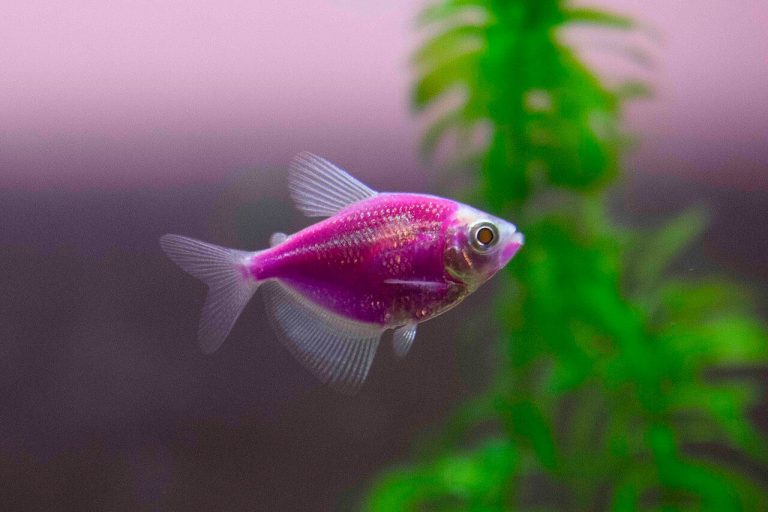
Whether you are mesmerized by the neon glow of Paracheirodon innesi or the deep reds of the Cardinal tetra, temperature is the foundation of their health.
In my ten years of keeping these delicate characins, I have learned that the right water temp for tetra fish is about more than just comfort; it is about biological survival.
When I first started, I assumed any “room temperature” water would work, but I quickly realized that tetras are far more sensitive than I imagined.
These fish come from the warm, slow-moving waters of South America and Africa, where conditions remain remarkably consistent throughout the year.
Once you understand the science behind their environment, you can prevent common diseases and make sure your fish live their full, rich lifespans.
At a glance: Tetras (general) (Family Characidae and relatives)
- Temperature
- 72–80°F (22–27°C) for most species
- Water pH
- 6.0–7.5 for most species
- Adult size
- 1–3 in (2.5–8 cm)
- Minimum tank
- 10–30 gal depending on species
- Group size
- Groups of 6–10+
- Temperament
- Mostly peaceful schooling fish
- Diet
- Omnivores: quality flakes or micro pellets plus frozen foods
- Lifespan
- 3–8 years
Keeper’s tip: Schooling size matters more than tank size for most tetras: small groups hide, nip and stress.
Understanding Ectothermic Metabolism in Tetras
Tetras are ectothermic organisms, which means their internal body temperature is regulated entirely by the water surrounding them.
Unlike humans, they cannot shiver to get warm or sweat to cool down, making them completely dependent on your aquarium heater.
When the water is too cold, their ectothermic metabolism slows down significantly, leading to a suppressed immune system and lethargy.
Conversely, if the water is too hot, their metabolism accelerates to a point where they may burn through energy faster than they can consume it.
I have noticed that tetras kept in water that is consistently too warm often have shorter lifespans because their bodies are essentially “running” at a high speed.
Maintaining a precise balance is the key to seeing those active, schooling behaviors that make this species guide so popular among hobbyists.
The Role of Dissolved Oxygen Saturation
One often overlooked factor is the relationship between temperature and dissolved oxygen saturation.
As water temperature rises, its ability to hold oxygen decreases, which can be dangerous for active schooling fish.
In a crowded tank, a spike in temperature can lead to gasping at the surface, even if your filtration is running perfectly.
Pro Tip: If you notice your tetras hanging out near the filter output or gasping at the surface during a summer heatwave, increase surface agitation. Adding an air stone or adjusting your filter return to create more ripples will help oxygenate the warmer water more effectively.
Best Water Temp for Tetra Fish
Finding the exact water temp for tetra fish depends slightly on the specific species you are keeping.
While most do well in a “middle ground” of 76°F to 78°F, some species have evolved to prefer slightly cooler or warmer pockets of the rainforest.
Below is a reference table I’ve developed based on years of maintaining various community setups.
| Tetra Species | Scientific Name | Ideal Temp Range (°F) | Ideal Temp Range (°C) |
|---|---|---|---|
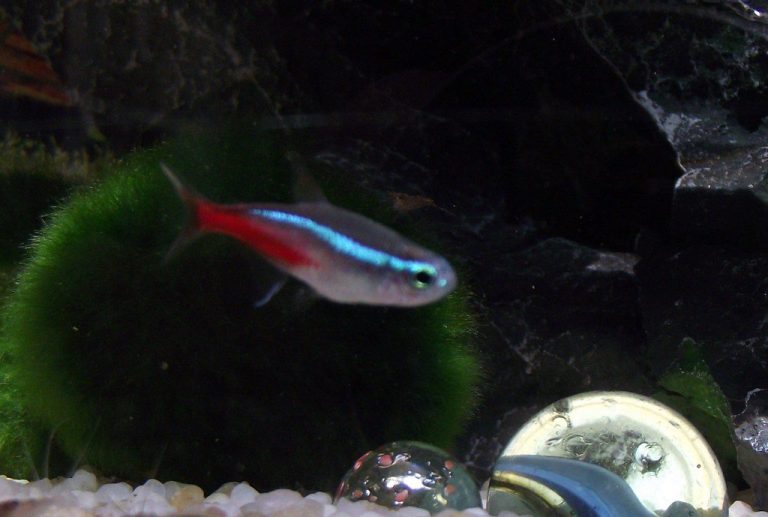
| Neon Tetra | Paracheirodon innesi | 72°F – 78°F | 22°C – 25°C |
| Cardinal Tetra | Paracheirodon axelrodi | 75°F – 82°F | 24°C – 28°C |
| Rummy Nose Tetra | Hemigrammus rhodostomus | 75°F – 84°F | 24°C – 29°C |
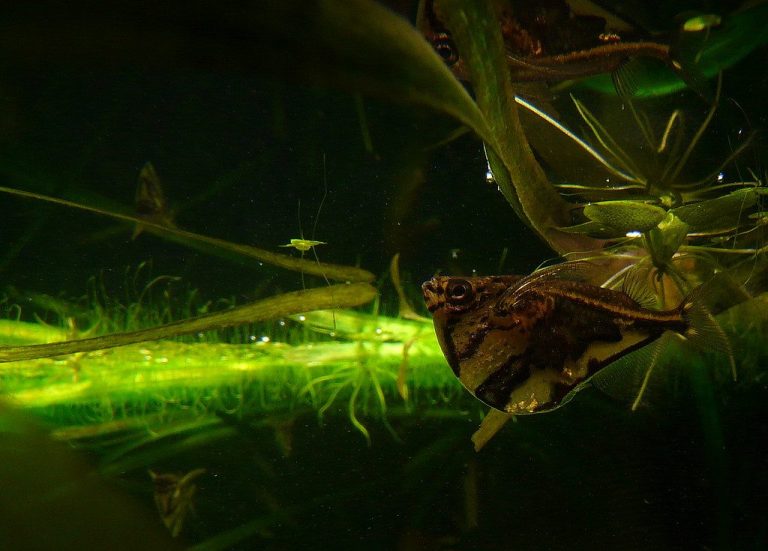
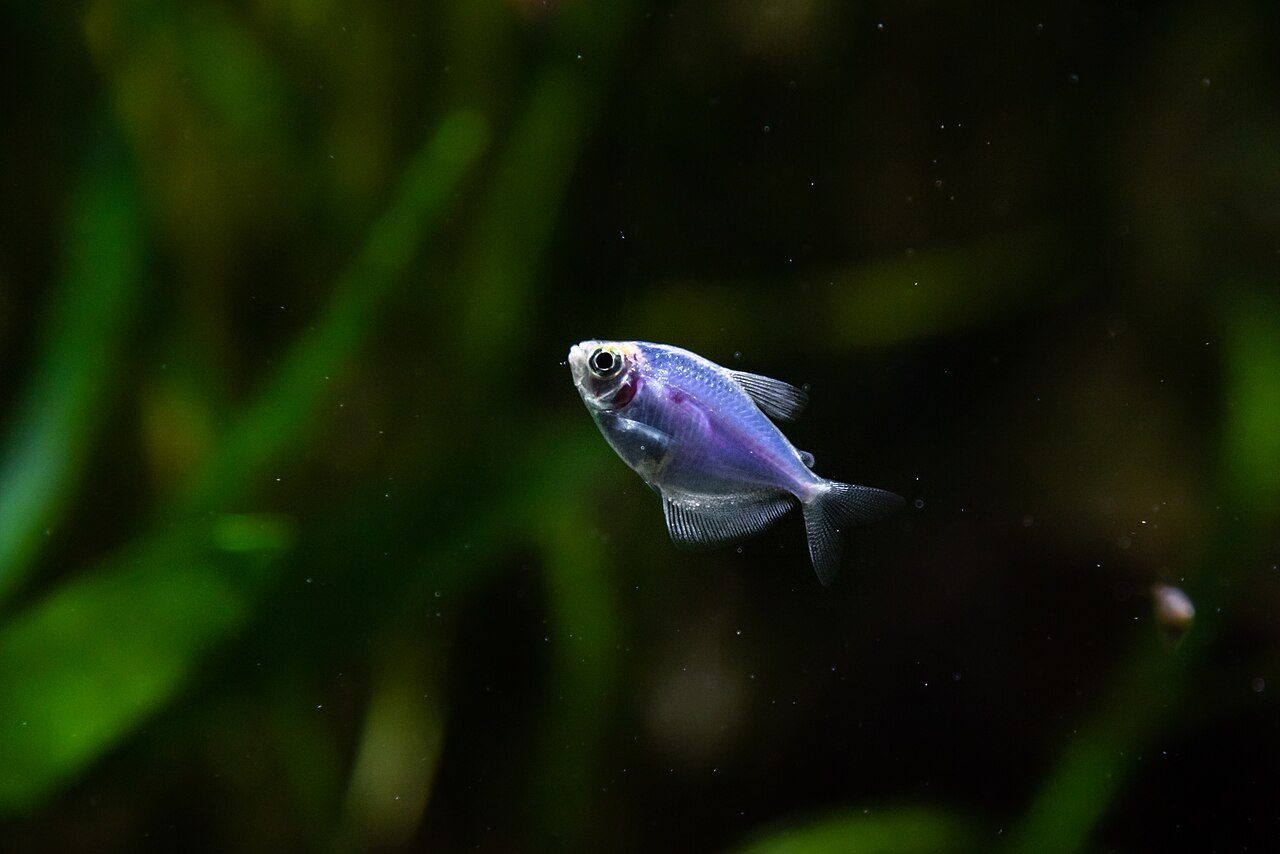
| Black Skirt Tetra | Gymnocorymbus ternetzi | 72°F – 80°F | 22°C – 27°C |
Temperature for Breeding vs. Maintenance
If your goal is maintenance, keeping the tank at a steady 77°F is generally the safest bet for a mixed community.
However, if you are looking into spawning techniques, you may need to manipulate the temperature.
I have found that a slight, gradual increase in temperature (about 2 degrees) often mimics the arrival of the breeding season in the wild.
This increase, combined with high-quality live foods, signals to the fish that it is time to produce eggs.
Always help you are using a high-quality submersible heater when making these adjustments to avoid accidental overheating.
Essential Tools for Temperature Management
To maintain the correct water temp for tetra fish, you cannot rely solely on the dial of your heater.
In my experience, many heaters are off by 2 or 3 degrees right out of the box.
This discrepancy is why thermostat calibration is a vital skill for every aquarist to master.
I recommend using a secondary digital thermometer to verify the reading on your heater’s internal sensor.
Place the thermometer on the opposite side of the tank from the heater to ensure the entire water column is being warmed evenly.
Choosing and Placing a Submersible Heater
A submersible heater is the most reliable way to keep your tetras warm.
When selecting one, aim for 3 to 5 watts of power per gallon of water in your aquarium.
For a standard 20-gallon setup, a 75W or 100W heater is usually sufficient to maintain a steady temperature.
Placement is equally important to avoid creating a dangerous thermal gradient.
I always place my heaters near the filter intake or the outflow to make sure the warmed water is circulated immediately.
If the water stays still around the heater, it may shut off prematurely, leaving the rest of the tank too cold.
Pro Tip: Never pull a heater out of the water while it is plugged in, and always wait 15 minutes after unplugging it before removing it. The glass can shatter from the rapid change in temperature, a mistake I unfortunately made in my early years.
The Dangers of Temperature Fluctuation
While tetras can adapt to a range of temperatures over time, a rapid temperature fluctuation is often fatal.
This is particularly common during water changes if the new water is significantly colder or warmer than the tank water.
Sudden shifts can lead to thermal shock, which stresses the fish’s internal organs and can cause immediate death.
I always use a dedicated digital thermometer to test my replacement water before adding it to the tank.
Even a 4-degree difference can be enough to send a sensitive school of Neons into a state of shock.
Stability is always more important than hitting a “perfect” number on the thermometer.
Vulnerability to Disease
When the water temp for tetra fish drops below their preferred range, they become highly susceptible to parasites.
The most common of these is Ichthyophthirius multifiliis, more commonly known as “Ich” or white spot disease.
This parasite stays healthy in cooler water and quickly takes advantage of a fish with a suppressed immune system.
I have seen entire schools wiped out by Ich simply because a heater failed during a cold winter night.
Keeping the temperature slightly on the higher side (around 80°F) can actually help speed up the life cycle of these parasites, making them easier to treat.
However, prevention through consistent temperature monitoring is always the better path.
Creating a Harmonious Environment
When building a community compatibility plan, you must help all inhabitants share the same temperature requirements.
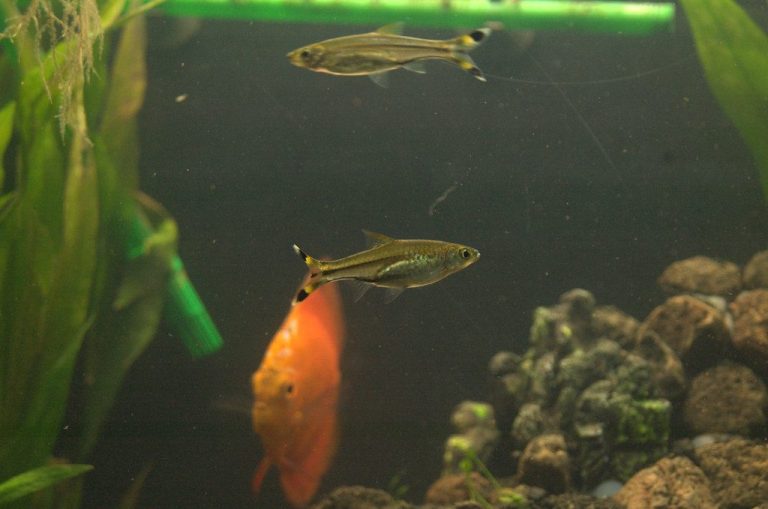
For example, keeping a “cold water” fish like a Goldfish with tropical tetras is a recipe for disaster.
One fish will always be stressed by the temperature, leading to disease and a shortened lifespan.
Tetras are active swimmers and need plenty of space to explore their thermally regulated environment.
If you keep the water within the 75°F to 80°F range, you ensure they have the energy to school and interact naturally.
This range also supports the growth of live aquatic plants, which many tetras use for cover and security.
Managing Summer Heatwaves
While we often focus on keeping the water warm, sometimes the challenge is keeping it cool.
During the summer, ambient room temperatures can push an aquarium well above 85°F.
This is where dissolved oxygen saturation becomes a critical concern, as tetras will begin to struggle for air.
In my experience, the best way to cool a tank safely is to use a small clip-on fan blowing across the surface of the water.
This promotes evaporative cooling, which can drop the temperature by 3 to 5 degrees without the shock of adding ice cubes.
Always keep your aquarium lid slightly propped open during these times to allow heat to escape.
FAQ Section
What is the absolute minimum water temp for tetra fish?
While some hardy species like the Buenos Aires tetra can survive down to 68°F, most tropical tetras should never be kept below 72°F. Prolonged exposure to temperatures below this range will lead to lethargy and a high risk of Ich.
Can tetras live in unheated tanks?
In most homes, an unheated tank will fluctuate too much between day and night. Unless your room is consistently kept at 76°F or higher 24/7, a submersible heater is a mandatory piece of equipment for tetra health.
Why are my tetras losing color at night?
It is normal for tetras to “fade” their colors when the lights are off as a defense mechanism. However, if they remain pale during the day, check your water temp for tetra fish immediately, as it may be too cold, causing them significant stress.
How do I fix a heater that is overheating the tank?
If your temperature is climbing above 84°F and your heater is still on, unplug it immediately. Replace it with a new unit, as the internal thermostat has likely failed in the “on” position, which is a common cause of tank crashes.
Is 82 degrees too hot for Neon Tetras?
For Paracheirodon innesi, 82°F is on the very high end of their tolerance. While they can survive it temporarily, I recommend aiming for 75°F to 78°F to make sure they don’t suffer from metabolic exhaustion.
Where that leaves you
Mastering the water temp for tetra fish is one of the most impactful things you can do as an aquarist.
If you provide a stable, warm environment, you are directly supporting their immune systems, energy levels, and overall longevity.
Consistency is just as important as the number on the dial.
Invest in a high-quality heater, calibrate it with a reliable thermometer, and always match your water change temperatures.
When you see your tetras darting through the plants with vivid colors and tight schooling behavior, you’ll know that your attention to detail has paid off.
Keep a close eye on those thermometers, and your aquarium will remain a healthy, flourishing slice of the tropics for years to come.

- 2003First tank
- 20+Years keeping
- 40+Tanks kept
- 0Sponsored picks
Howard set up his first 10-gallon planted tank in 2003 and lost half of it within six weeks. Two decades and more than forty aquariums later, he writes the guides he wished he had then: clear numbers, the reasons behind them, and what actually goes wrong in home tanks.