Tetra Fish Water Temperature – The Expert Guide To A Thriving Tank
The ideal tetra fish water temperature generally falls between 75°F and 80°F (24°C–27°C). Maintaining a stable temperature within this range is vital for supporting their metabolism and preventing stress-related illnesses like Ich.
Getting the tetra fish water temperature right is one of the most critical steps in keeping your aquatic pets live a long, bright life. After keeping various species for over a decade, I have found that temperature stability is often more important than the exact number on the thermometer.
When I first started in this hobby, I underestimated how much a few degrees could impact fish behavior. Tetras are remarkably hardy, but they rely on us to simulate their tropical origins accurately.
In this guide, we will explore the biological needs of these fish and how you can master your aquarium’s climate.
At a glance: Tetras (general) (Family Characidae and relatives)
- Temperature
- 72–80°F (22–27°C) for most species
- Water pH
- 6.0–7.5 for most species
- Adult size
- 1–3 in (2.5–8 cm)
- Minimum tank
- 10–30 gal depending on species
- Group size
- Groups of 6–10+
- Temperament
- Mostly peaceful schooling fish
- Diet
- Omnivores: quality flakes or micro pellets plus frozen foods
- Lifespan
- 3–8 years
Keeper’s tip: Schooling size matters more than tank size for most tetras: small groups hide, nip and stress.
The Biological Importance of Tetra Fish Water Temperature
Tetra fish are ectothermic, meaning their internal body temperature is regulated by the water around them. This ectothermic regulation dictates every aspect of their lives, from how fast they swim to how efficiently they digest their food.
When the tetra fish water temperature is too low, their metabolic rate slows down significantly. You might notice your fish becoming lethargic, losing their appetite, or hiding more often than usual.
Conversely, if the water is too warm, their metabolism accelerates to an unsustainable level. This causes them to age faster and puts an immense strain on their internal organs.
Pro Tip: Always place your thermometer at the opposite end of the tank from your heater. This ensures you are measuring the average temperature of the entire water column rather than just the warm spot near the heating element.
Dissolved Oxygen and Heat
One of the most overlooked aspects of water temperature is its relationship with dissolved oxygen saturation. Warmer water naturally holds less oxygen than cooler water.
In a tank that is too hot, your tetras might gasp at the surface. This is a sign that the high temperature has depleted the oxygen they need to breathe comfortably.
If you are keeping your tank at the higher end of the tropical range, help you have plenty of surface agitation. A good air stone or a high-quality filter can help maintain the necessary gas exchange.
Ideal Temperature Ranges for Popular Tetra Species
While many hobbyists group all tetras together, different species come from slightly different environments. Most tetras originate from the Amazonian blackwater habitat, which is consistently warm but varies by region.
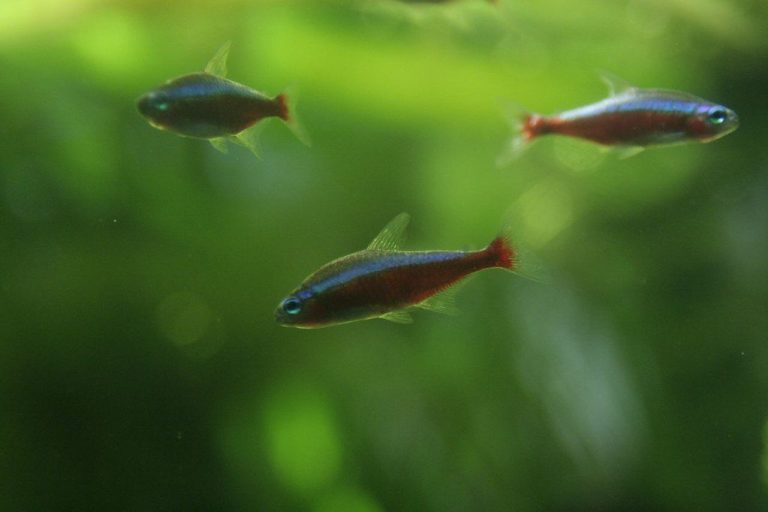
For instance, the Paracheirodon innesi (Neon Tetra) prefers slightly cooler water than its cousin, the Paracheirodon axelrodi (Cardinal Tetra). Understanding these nuances helps you create a more tailored environment.
If you are planning a tetra community tank, you must find a middle ground that satisfies all inhabitants. Aiming for a steady 77°F (25°C) is usually a safe bet for a mixed group.
| Tetra Species | Ideal Temp Range (°F) | Ideal Temp Range (°C) |
|---|---|---|
| Neon Tetra | 72°F – 78°F | 22°C – 26°C |
| Cardinal Tetra | 73°F – 81°F | 23°C – 27°C |
| Rummy Nose Tetra | 75°F – 84°F | 24°C – 29°C |
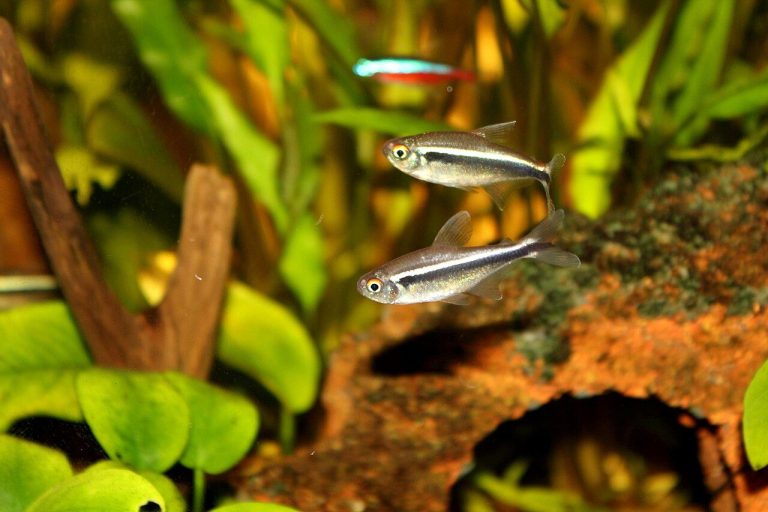
| Black Skirt Tetra | 70°F – 82°F | 21°C – 28°C |
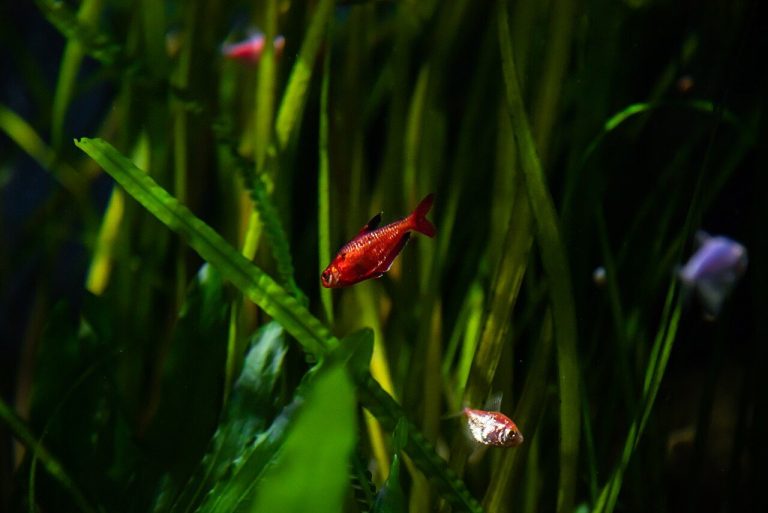
| Ember Tetra | 73°F – 84°F | 23°C – 29°C |
Temperature for Breeding
When you are learning how to breed tetra fish, temperature manipulation becomes a powerful tool. Many breeders slightly raise the temperature to simulate the coming of the rainy season.
A 2-degree increase can often trigger spawning behavior in healthy adults. However, this must be done gradually to avoid stressing the fish.
Essential Equipment for Maintaining Temperature
To keep a consistent tetra fish water temperature, you cannot rely on the ambient room temperature. You need dedicated equipment designed for precision and safety.
A high-quality submersible heater thermostat is the most important investment you will make. These devices allow you to set a specific temperature and will automatically turn off once that goal is reached.
I always recommend choosing a heater with a built-in guard. This prevents your fish from accidentally brushing against the heating element and suffering burns.
The Importance of Thermostat Calibration
Never assume that the dial on your heater is 100% accurate. Thermostat calibration is a necessary step for any serious aquarist.
After installing a new heater, monitor the water with a separate digital thermometer for 24 hours. You may find that setting the heater to 78°F actually results in 76°F water.
Adjust the dial based on the external thermometer reading rather than the printed numbers on the heater itself. This small step prevents accidental overheating.
Common Mistake: Buying a heater that is too small for your tank size. A good rule of thumb is 5 watts of power per gallon of water to ensure the heater isn’t running constantly.
Avoiding Thermal Shock and Rapid Fluctuations
In the wild, large bodies of water change temperature very slowly. In a home aquarium, especially smaller ones, the tetra fish water temperature can swing wildly if you aren’t careful.
Thermal shock occurs when a fish is exposed to a sudden, drastic change in temperature. This can happen during water changes or when bringing new fish home from the store.
When performing water changes, always use a thermometer to match the new water to the tank water. Even a 3-degree difference can be enough to weaken a tetra’s immune system.
Acclimating New Tetras
When adding species like the colorful neon tetra to your tank, the “float the bag” method is essential. This allows the water inside the bag to slowly reach the same temperature as your aquarium.
I usually let the bag float for at least 20 to 30 minutes. This gradual transition prevents the shock that often leads to “new fish syndrome” or immediate death.
Temperature and Common Diseases
Your fish’s ability to fight off pathogens is directly linked to the tetra fish water temperature. A cold fish is a stressed fish, and stress is the gateway to disease.
The most common temperature-related ailment is Ichthyophthirius multifiliis, more commonly known as Ich. This parasite does well when fish are stressed by cold water or rapid temperature swings.
If you notice white spots on your tetras, raising the temperature slightly (to about 82°F–84°F) can speed up the parasite’s life cycle. This makes treatments more effective and helps the fish’s immune system react faster.
Signs of Temperature Stress
It is important to recognize the physical signs that your water is not in the correct range. Being proactive can save your entire school from a disaster.
If the water is too cold, tetras will often huddle near the heater or sit motionless on the bottom. Their colors will appear dull and washed out.
If the water is too hot, they will swim erratically or hover near the filter output where oxygen levels are highest. In extreme cases, they may even try to jump out of the tank.
Managing Seasonal Changes
The tetra fish water temperature in your home can be affected by the seasons. During the summer, your aquarium might climb to dangerous levels if it is near a window.
In my experience, using a small clip-on fan to blow across the water surface can drop the temperature by 2-4 degrees through evaporation. This is a lifesaver during heatwaves.
In the winter, make sure your heater is functioning correctly. If your house gets very cold at night, you might consider adding a second, smaller heater as a backup.
Using two heaters with lower wattage is often safer than one large heater. If one fails in the “on” position, it is less likely to cook the fish before you notice the problem.
FAQ
Can tetras live in unheated tanks?
Generally, no. Most tetras are tropical and require a heater to maintain a consistent tetra fish water temperature above 72°F. Room temperature is rarely stable enough for their long-term health.
What happens if my heater breaks?
If your heater breaks and the temperature drops, do not try to warm the water back up instantly. Slowly raise the temperature over several hours to avoid thermal shock.
Is 82°F too hot for Neon Tetras?
While they can survive at 82°F for short periods, it is not ideal for long-term care. High temperatures increase their metabolic rate and can shorten their lifespan significantly.
How do I lower the temperature during a hot summer?
You can use aquarium-safe fans, perform small water changes with slightly cooler water, or turn off your aquarium lights to reduce heat transfer. Never drop ice cubes directly into the tank.
Does tank size affect temperature stability?
Yes, larger tanks hold their temperature much better than smaller tanks. This is why maintaining the correct temperature in a nano tank requires a very high-quality submersible heater thermostat.
Putting it all together
Mastering the tetra fish water temperature is a fundamental skill for any aquarist. If you provide a stable, warm environment that mimics the Amazonian blackwater habitat, you are giving your fish the best chance to flourish.
Equipment quality matters. Invest in a reliable heater and a good thermometer to take the guesswork out of your maintenance routine.
I have found that when the temperature is dialed in perfectly, tetras show their most brilliant colors and engaging behaviors. It is a small detail that makes a massive difference in the health of your aquatic community.
Keep monitoring, keep learning, and your tetras will reward you with years of beauty.

- 2003First tank
- 20+Years keeping
- 40+Tanks kept
- 0Sponsored picks
Howard set up his first 10-gallon planted tank in 2003 and lost half of it within six weeks. Two decades and more than forty aquariums later, he writes the guides he wished he had then: clear numbers, the reasons behind them, and what actually goes wrong in home tanks.