Neon Tetra Minimum School Size 6 – Size and Growth Facts
The neon tetra minimum school size 6 is the absolute baseline required to reduce stress and prevent aggression. However, keeping a larger group of 10-12 fish is highly recommended for ideal health and colorful colors.
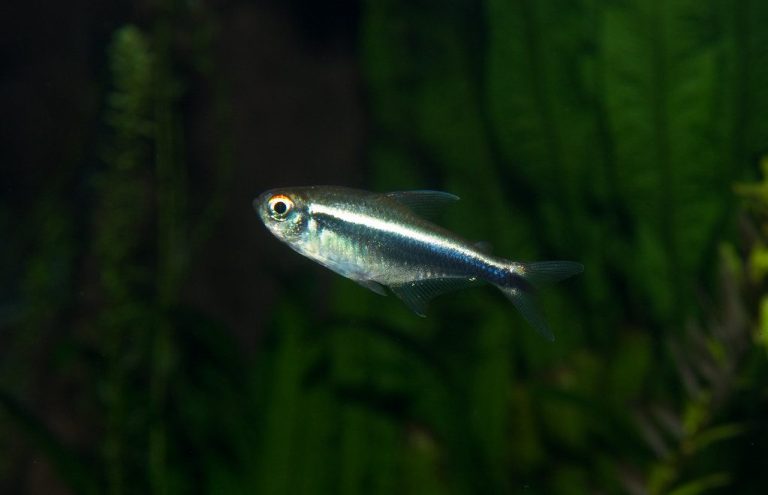
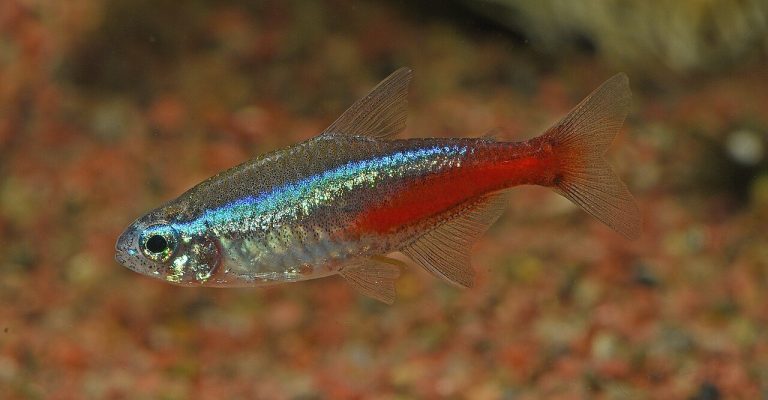
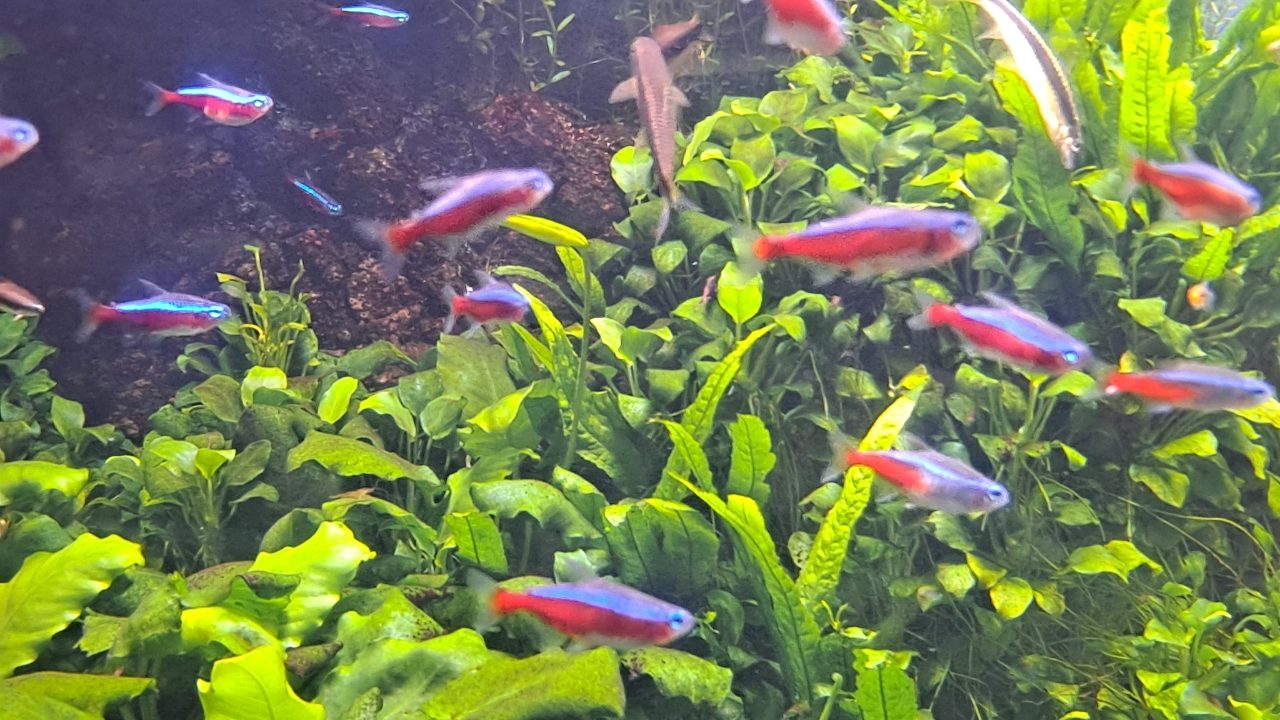
Watching a shimmering group of neon tetras glide through a heavily planted aquarium is one of the most satisfying sights in the hobby. These tiny jewels, known scientifically as Paracheirodon innesi, are staples for a reason: their colors are unmatched and their energy is infectious.
In my 10 years of maintaining community tanks, I have found that the social structure of these fish is the single most important factor in their longevity. Many beginners make the mistake of buying just two or three, only to find them hiding or becoming sickly within weeks.
The neon tetra minimum school size 6 is a rule born out of biological necessity, not just aesthetic preference. When you provide these fish with a proper social circle, you get their natural behaviors and help they feel safe in their environment.
At a glance: Neon tetra (Paracheirodon innesi)
- Temperature
- 72–78°F (22–26°C)
- Water pH
- 6.0–7.0
- Adult size
- 1.5 in (4 cm)
- Minimum tank
- 10 gal (20 gal for a proper school)
- Group size
- Groups of 8+
- Temperament
- Peaceful
- Diet
- Omnivore: micro pellets, flakes, frozen daphnia
- Lifespan
- 5–8 years
Keeper’s tip: Add neons only to a fully cycled, stable tank; they are among the first fish to suffer from ammonia swings.
Understanding the neon tetra minimum school size 6
Neon tetras belong to the Characidae family, a group of fish renowned for their highly social nature. In the wild, they inhabit the blackwater streams of the Amazon, where they swim in massive groups numbering in the hundreds or even thousands.
While we cannot replicate those massive numbers in a home aquarium, we must respect their shoaling behavior. This instinct is hardwired into their DNA as a primary defense mechanism against predators in the wild.
The neon tetra minimum school size 6 serves as the “safety in numbers” threshold. When there are at least six individuals, the fish can distribute their social energy and feel confident enough to explore the open water.
The Difference Between Schooling and Shoaling
Many keepers use the terms “schooling” and “shoaling” interchangeably, but there is a subtle difference that affects your tank. Shoaling is a general social grouping where fish stay together for social reasons, while schooling is the synchronized movement in the same direction.
Neon tetras are primarily shoalers that will “school up” when they feel a potential threat or when moving across open spaces. Without a group of at least six, they lack the social cues needed to perform these behaviors, leading to a state of constant high alert.
Pro Tip: If you notice your tetras are scattered individually and hiding in the corners, your school size is likely too small. Adding just three or four more fish can often transform a “shy” tank into a rich, active display almost overnight.
The Science of Stress and Schooling Numbers
When a neon tetra is kept in a group smaller than the neon tetra minimum school size 6, its body enters a state of chronic stress. This isn’t just a “feeling”; it is a physiological response that has dire consequences for the fish’s health.
One of the most dangerous results of isolation is stress-induced immunosuppression. This occurs when the fish’s metabolic resources are diverted to maintaining a “fight or flight” state, leaving the immune system weakened and unable to fight off pathogens.
A stressed neon tetra is significantly more susceptible to Pleistophora hyphessobryconis, commonly known as Neon Tetra Disease. If you keep a proper school size, you are effectively providing your fish with a biological shield against illness.
Communication Through the Lateral Line System
These fish communicate and work through using a highly sensitive lateral line system. This organ allows them to detect minute pressure changes and vibrations in the water caused by their tank mates.
In a school of six or more, the constant feedback from their peers provides a sense of security. They also rely on pheromone signaling to communicate alarm or calm throughout the group, a process that fails when the group is too small.
Creating the Ideal Environment for Your School
While the number of fish is critical, the environment must also support their natural habitat. In my experience, providing a “blackwater” feel using humic substances and tannic acid can significantly improve their comfort levels.
These substances mimic the acidic, soft water of the Amazon and provide a darker tint to the water. This darker water makes the neon’s iridescent blue and red stripes pop, while also making the fish feel less exposed to “predators” (like the lights in your room).
| Parameter | Ideal Range |
|---|---|
| Temperature | 72°F – 78°F (22°C – 26°C) |
| pH Level | 6.0 – 7.0 |
| Water Hardness | 2 – 10 dGH |
| Minimum Tank Size | 10 Gallons (20 Gallons preferred) |
Meeting these care requirements is the first step toward a healthy school. If the water quality is poor, even a group of twenty fish will eventually succumb to health issues.
Managing Conspecific Aggression in Small Groups
It might seem counterintuitive, but keeping too few fish can actually lead to conspecific aggression. This refers to aggression directed toward members of the same species.
In a small group, a “dominant” tetra may emerge and spend its time chasing the other two or three fish. Because there aren’t enough targets to distribute this behavior, the submissive fish can be bullied to the point of exhaustion or death.
When you follow the neon tetra minimum school size 6 or higher, this aggression is “diluted.” The dominant fish has too many individuals to focus on, which prevents any single fish from being singled out and harassed.
The Role of Tank Decor in Reducing Fighting
In addition to numbers, the layout of your tank plays a role in managing social dynamics. I always recommend using plenty of live plants and driftwood to create “line-of-sight” breaks.
These breaks allow a fish that is being chased to quickly disappear from the view of the aggressor. This combination of a proper school size and a complex environment is the secret to a peaceful community.
Pro Tip: When adding new fish to an existing school, try to add at least 3 at a time. This prevents the “new guys” from being bullied by the established residents and helps them integrate into the school faster.
Choosing the Right Tank Mates
Even with the neon tetra minimum school size 6, the presence of aggressive or overly large tank mates can ruin the group’s dynamic. Neons are peaceful and relatively slow-moving compared to some larger species.
You should avoid any fish that is large enough to fit a neon tetra in its mouth, as they will quickly become an expensive snack. Instead, look for peaceful tank mates that share similar water requirements.
Good options include corydoras catfish, small rasboras, and even peaceful dwarf cichlids like Apistogramma. These species will occupy different levels of the tank, allowing the neons to claim the middle water column for themselves.
Expert Tips for Feeding a Colorful School
A healthy school requires high-quality nutrition to maintain their energy for swimming and their brilliant coloration. In the wild, they are omnivores, feeding on small crustaceans, insects, and plant matter.
I have found that a varied diet is the best way to prevent nutritional deficiencies. I typically rotate between a high-quality micro-pellet and frozen treats like daphnia or baby brine shrimp.
Providing a quality diet makes sure that your fish have the vitamins necessary to maintain their iridescent pigments. If your tetras look “washed out,” it is often a sign of either poor nutrition or the stress of being in a group smaller than six.
Questions and answers
Can I keep just one neon tetra?
No, making sure a single neon tetra is considered inhumane by most experienced aquarists. The fish will live in a constant state of fear, hide continuously, and likely die prematurely due to stress-related illnesses.
What happens if my school size drops below 6?
If a few fish pass away and you are left with 3 or 4, you should look to replenish the school as soon as possible. You will likely notice the remaining fish becoming more reclusive or exhibiting nipping behavior toward each other.
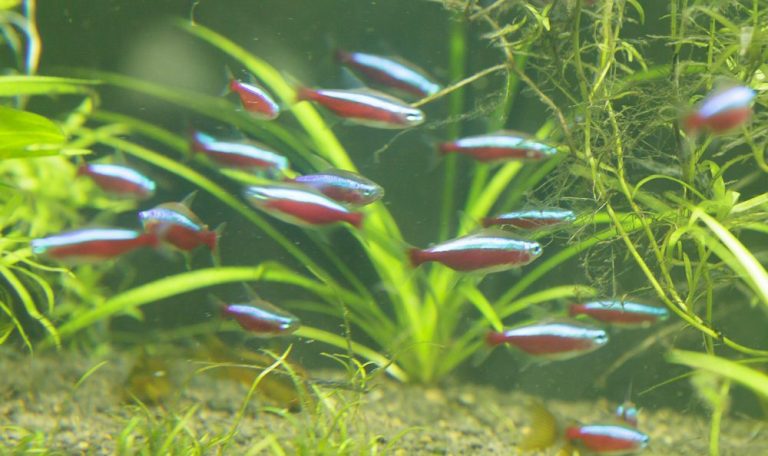
Will neon tetras school with cardinal tetras?
While they look very similar, they are different species. They may occasionally swim together if they feel threatened, but they generally prefer to stay with their own kind. To keep the best behavior, aim for the neon tetra minimum school size 6 for each specific species.
Is a 5-gallon tank big enough for a school of 6?
While it is technically possible, I do not recommend it. A 5-gallon tank does not provide enough horizontal swimming space for a school of six to move naturally. A 10-gallon tank is the functional minimum, but a 20-gallon “long” is where they shine.
Final Thoughts on Schooling Success
The neon tetra minimum school size 6 is more than just a suggestion; it is the foundation of a healthy aquarium. If you respect the social needs of these beautiful fish, you are setting yourself up for a successful and low-stress fish-keeping experience.
While six is the minimum, ten or twelve is often the “sweet spot” for most home aquaria. Larger groups are more confident, more colorful, and much more exciting to observe.
As you build your community, always prioritize the biological needs of your inhabitants. When you provide a large enough school, clean water, and a stress-free environment, your neon tetras will reward you with years of vivid beauty.

- 2003First tank
- 20+Years keeping
- 40+Tanks kept
- 0Sponsored picks
Howard set up his first 10-gallon planted tank in 2003 and lost half of it within six weeks. Two decades and more than forty aquariums later, he writes the guides he wished he had then: clear numbers, the reasons behind them, and what actually goes wrong in home tanks.