Cardinal Tetra Temp – Care Guide
The ideal cardinal tetra temp range is between 73°F and 81°F (23°C to 27°C). Maintaining a stable climate within this window makes sure colorful colors, strong immune systems, and a natural metabolic rate for your fish.
Bringing a slice of the Amazon into your home is a rewarding journey, but it requires precision. In my ten years of keeping South American characins, I have found that temperature is the most influential factor in their overall longevity.
Cardinal tetras, known scientifically as Paracheirodon axelrodi, are not just “warm water fish.” They are highly sensitive organisms that rely on their environment to regulate every internal process.
Understanding the nuances of the cardinal tetra temp is the first step toward a stable, shimmering school. In this guide, we will explore why these parameters matter and how to master them in your own aquarium.
At a glance: Cardinal tetra (Paracheirodon axelrodi)
- Temperature
- 76–84°F (24–29°C)
- Water pH
- 4.5–7.0
- Adult size
- 2 in (5 cm)
- Minimum tank
- 20 gal
- Group size
- Groups of 8+
- Temperament
- Peaceful
- Diet
- Omnivore: small pellets, flakes, frozen bloodworm
- Lifespan
- 4–6 years
Keeper’s tip: Cardinals like it warmer and softer than neons, so they are a poor match for cool-water tank mates.
The Importance of Cardinal Tetra Temp for Health
The cardinal tetra temp determines the speed of a fish’s life. Because fish are ectothermic, their internal body temperature matches the water around them.
When the water is too cold, their metabolic rate slows down significantly. This leads to lethargy, a suppressed immune system, and a lack of interest in feeding.
Conversely, if the water is too hot, their metabolism skyrockets. While they may appear active, they are actually burning through energy too quickly, which can shorten their lifespan.
Pro Tip: I have noticed that Cardinals kept at the higher end of the range (80°F+) often show more intense colors but require more frequent feedings. If you want to maximize their lifespan, keeping them at a steady 77°F is often the “sweet spot” for long-term health.
Stability is just as important as the number on the thermometer. Rapid fluctuations can lead to thermal shock, which is a leading cause of death for newly introduced fish.
A stable environment allows the fish to maintain a consistent ectothermic regulation. This consistency is what prevents the stress that often leads to opportunistic diseases.
Keeping your cardinal tetra temp consistent is the best preventative medicine you can provide. It is the foundation upon which all other care factors, like diet and water quality, are built.
The Ideal Cardinal Tetra Temp Range
To understand what these fish need, we must look at their origin. Most Cardinal tetras are wild-caught or descended from lineages in the Rio Negro basin.
This region is famous for its blackwater biotope. These waters are stained like tea by tannins and stay consistently warm throughout the year.
The following table outlines the specific temperature requirements for these beautiful fish. Use this as a baseline for your aquarium settings.
| Parameter Type | Fahrenheit (°F) | Celsius (°C) |
|---|---|---|
| Minimum Safe Temp | 73°F | 23°C |
| Maximum Safe Temp | 82°F | 28°C |
| Best Breeding Temp | 80°F – 82°F | 26.5°C – 28°C |
| Daily Maintenance Target | 76°F – 78°F | 24.5°C – 25.5°C |
Maintaining the cardinal tetra temp within these bounds is important for their biological rhythm. If you go below 73°F, you risk the onset of “white spot” disease.
If you go above 82°F for long periods, you must ensure you have incredible surface agitation. This is because oxygen levels drop as heat increases.
While they are similar to other small characins, their needs are slightly more specific. You can learn more about general tetra heat requirements to see how they compare to other species.
Temperature and Dissolved Oxygen Saturation
One of the most overlooked aspects of the cardinal tetra temp is its relationship with oxygen. There is an inverse relationship between water temperature and gas solubility.
As the temperature of your aquarium rises, the dissolved oxygen saturation decreases. This means that in a very warm tank, your fish might actually struggle to breathe.
Cardinal tetras have high oxygen demands because they are active schoolers. In the wild, the Rio Negro has constant flow and movement that oxygenates the water.
If you are running your tank at 80°F or higher, you must compensate for the lower oxygen levels. I recommend using an air stone or adjusting your filter outlet to create more surface ripples.
This gas exchange at the surface is the only way to replenish the oxygen your fish are consuming. Without it, even a perfect temperature won’t prevent respiratory distress.
In my experience, many hobbyists mistake “gasping at the surface” for hunger. Often, it is actually a sign that the water is too warm and lacks sufficient oxygen.
Always monitor the behavior of your school. If they are hovering near the filter output, check your thermometer and your surface agitation immediately.
Essential Equipment for Temperature Management
To keep a steady cardinal tetra temp, you cannot rely on the ambient room temperature. You need high-quality equipment designed for precision.
A reliable submersible aquarium heater is the most important investment you will make. I always suggest choosing a heater with a built-in thermostat.
However, built-in thermostats are notorious for being slightly off. This is why thermostat calibration is a vital step for any serious aquarist.
Pro Tip: Never trust the dial on your heater blindly. I always use two separate digital thermometers placed at opposite ends of the tank to verify the actual temperature. If they don’t match, you likely have a “dead spot” in your water circulation.
Water movement is the partner of heat. Without a good filter or powerhead, the heated water will stay near the heater while the rest of the tank remains cold.
Making sure your heater is placed near the filter intake or outflow helps distribute the warmth evenly. This prevents localized “hot spots” that could stress your tetras.
For those with larger tanks, using two smaller heaters instead of one large one is a great safety measure. If one fails “on,” it is less likely to cook the fish before you notice.
If one fails “off,” the other heater can usually keep the tank from crashing into dangerous cold zones. This redundancy has saved my prize schools more than once.
Common Mistakes and Thermal Shock
The most dangerous time for a Cardinal tetra is during a water change. If the new water is significantly different from the tank water, it causes thermal shock.
Even a difference of 3 or 4 degrees can be enough to trigger an illness. This stress weakens the slime coat, leaving the fish vulnerable to bacteria.
Always use a thermometer to match the replacement water to the current cardinal tetra temp. Don’t just “feel” the water with your hand; humans are poor judges of exact temperatures.
Another common mistake is placing the aquarium in direct sunlight. Sunlight can cause the temperature to spike rapidly during the afternoon, then crash at night.
These “swings” are much more damaging than a slightly high or low constant temperature. Stability is the hallmark of a professional setup.
If you notice your fish developing small white spots, they may have contracted Ichthyophthirius multifiliis. This parasite often takes hold when the temperature drops suddenly.
Maintaining proper water chemistry parameters alongside temperature is the best way to prevent these outbreaks. A healthy fish in a stable environment is very resistant to parasites.
Temperature Adjustments for Breeding
If you are looking to breed your Cardinals, the cardinal tetra temp plays a specific role. In nature, breeding often coincides with the start of the rainy season.
While the rain actually cools the water slightly, many breeders find that a slight increase in temperature followed by a cool water change triggers spawning.
Raising the tank to about 81°F or 82°F can simulate the conditions where the fish are most active. This high-energy state encourages the females to produce eggs.
However, the water must also be very soft and acidic. Temperature is just one piece of the breeding puzzle for these complex fish.
During the actual spawning process, high dissolved oxygen saturation is critical for the eggs. Without enough oxygen, the eggs will often succumb to fungus before they can hatch.
I have found that keeping the breeding tank slightly warmer than the display tank helps the fry develop faster. However, this requires very diligent water quality management.
Higher temperatures mean faster waste production. You must balance the warmth with frequent, small water changes to keep the environment pristine.
Things people often ask
Can Cardinal tetras live at 70°F?
While they might survive for a short time, 70°F is far too cold for long-term health. At this temperature, their immune system will fail, and they will likely develop Ich or other fungal infections.
What happens if the water gets too hot?
If the temperature exceeds 84°F, the fish will experience extreme metabolic stress. They will breathe rapidly, lose color, and may die from oxygen deprivation or exhaustion.
Do I need a heater in a warm climate?
Yes, because air conditioning can cause the water temperature to drop at night. A heater with a thermostat helps make sure that the cardinal tetra temp remains stable 24/7, regardless of the room’s air temperature.
How do I lower the temperature during a summer heatwave?
You can use a small fan to blow across the surface of the water. The resulting evaporation can drop the temperature by several degrees. Avoid using ice cubes, as they cause localized cold spots and rapid fluctuations.
Can I keep Cardinal tetras with goldfish?
No, because goldfish are cold-water fish and Cardinal tetras are tropical. There is no temperature overlap that would be healthy for both species simultaneously.
The short version
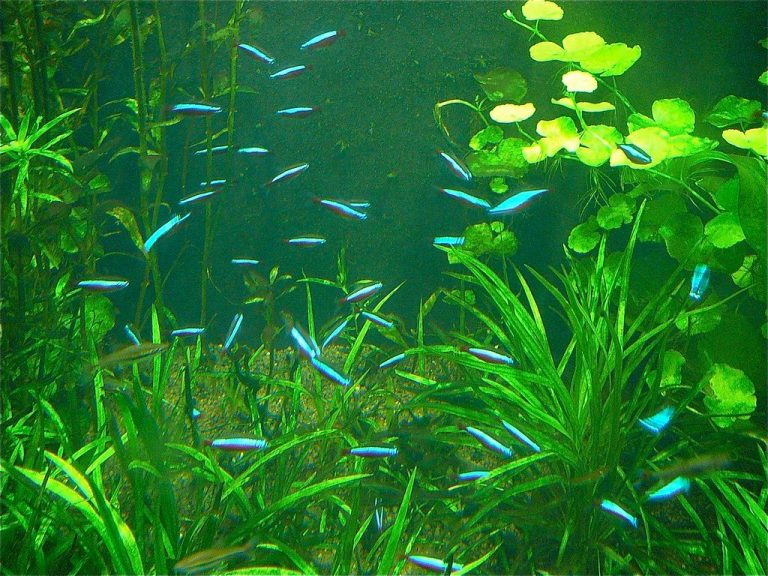
Mastering the cardinal tetra temp is about more than just setting a dial. It is about understanding the biological needs of a species that has evolved for millennia in the warm, stable waters of the Amazon.
If you keep your tank between 73°F and 81°F, you are providing the foundation for a healthy life. You are ensuring their metabolism runs at the right speed and their immune system stays strong.
Remember to invest in a quality submersible aquarium heater and always double-check with a reliable thermometer. Stability is your greatest ally in the hobby.
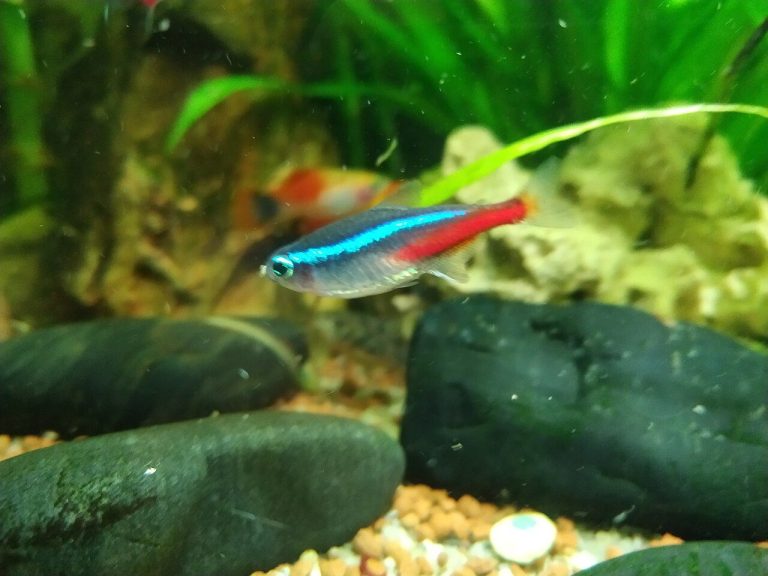
When you see your school of Cardinals glowing with deep reds and shimmering blues, you will know that your attention to detail has paid off. It is the hallmark of a successful aquarist.
Keep learning, keep observing, and always prioritize the comfort of your aquatic residents. Your Cardinal tetras will thank you with years of colorful beauty.

- 2003First tank
- 20+Years keeping
- 40+Tanks kept
- 0Sponsored picks
Howard set up his first 10-gallon planted tank in 2003 and lost half of it within six weeks. Two decades and more than forty aquariums later, he writes the guides he wished he had then: clear numbers, the reasons behind them, and what actually goes wrong in home tanks.