Different Types Of Tetras – Top Picks for Your Tank
Explore the best different types of tetras for your home aquarium, including popular species like Neons, Cardinals, and Rummy Noses. Learn about their unique care requirements, water parameters, and schooling behaviors for success.
Tetras are among the most well-loved fish in the freshwater hobby, belonging to the diverse Characidae family. These shimmering gems are known for their striking colors and peaceful nature, making them perfect for community tanks.
When you begin exploring the different types of tetras, you will notice a common anatomical feature: the adipose fin. This small, fleshy fin located between the dorsal and caudal fins is a hallmark of most characins.
In my decade of maintaining various aquaria, I have found that few sights rival a massive school of tetras moving in unison. Their shoaling behavior provides a sense of security for the fish and a striking display for the keeper.
Choosing the right different types of tetras for your specific setup requires an understanding of their origins and water preferences. From the acidic waters of the Amazon to the clear streams of Africa, these fish offer incredible variety.
At a glance: Tetras (general) (Family Characidae and relatives)
- Temperature
- 72–80°F (22–27°C) for most species
- Water pH
- 6.0–7.5 for most species
- Adult size
- 1–3 in (2.5–8 cm)
- Minimum tank
- 10–30 gal depending on species
- Group size
- Groups of 6–10+
- Temperament
- Mostly peaceful schooling fish
- Diet
- Omnivores: quality flakes or micro pellets plus frozen foods
- Lifespan
- 3–8 years
Keeper’s tip: Schooling size matters more than tank size for most tetras: small groups hide, nip and stress.
Understanding the Variety of Different Types of Tetras
tetras is vast, encompassing hundreds of species with varying temperaments and sizes. While most stay under two inches, some species can grow significantly larger, requiring more swimming space.
Most tetras are native to South America, specifically the Amazon River basin, where they settle in in soft, slightly acidic water. However, some different types of tetras originate from Central America and Africa, each bringing a unique flair to the hobby.
The Anatomy of a Tetra
Beyond the adipose fin, tetras are characterized by their streamlined bodies and sharp, often hidden teeth. Despite these teeth, most species available in the hobby are remarkably peaceful and flourish in community settings.
They rely heavily on their lateral line system to work through and stay synchronized while schooling. This sensory organ allows them to detect minute vibrations and pressure changes in the water column.
Why They School
In the wild, tetras are prey animals, and there is safety in numbers. By swimming in a tight group, they confuse predators and increase their chances of survival through collective vigilance.
When you keep different types of tetras in a home aquarium, it is vital to provide a group of at least six to ten individuals. Without a proper school, these fish often become stressed, reclusive, and more susceptible to disease.
Pro Tip: I’ve noticed that even in a large tank, tetras will only show their best “tight” schooling behavior if there is a slightly larger, peaceful fish present. This creates a natural sense of mild caution that keeps the school synchronized.
Popular Different Types of Tetras for Beginners
If you are just starting your journey, certain species are more forgiving of minor fluctuations in water quality. These hardy fish are excellent for learning the ropes of aquarium maintenance while providing plenty of color.
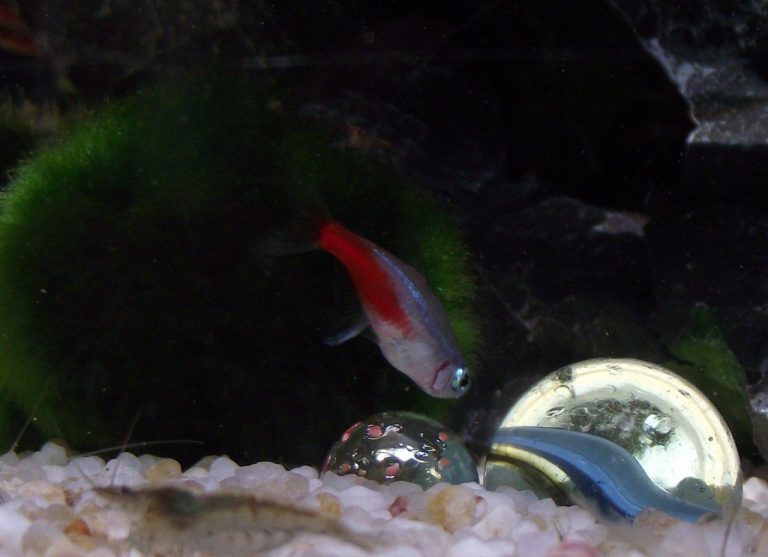
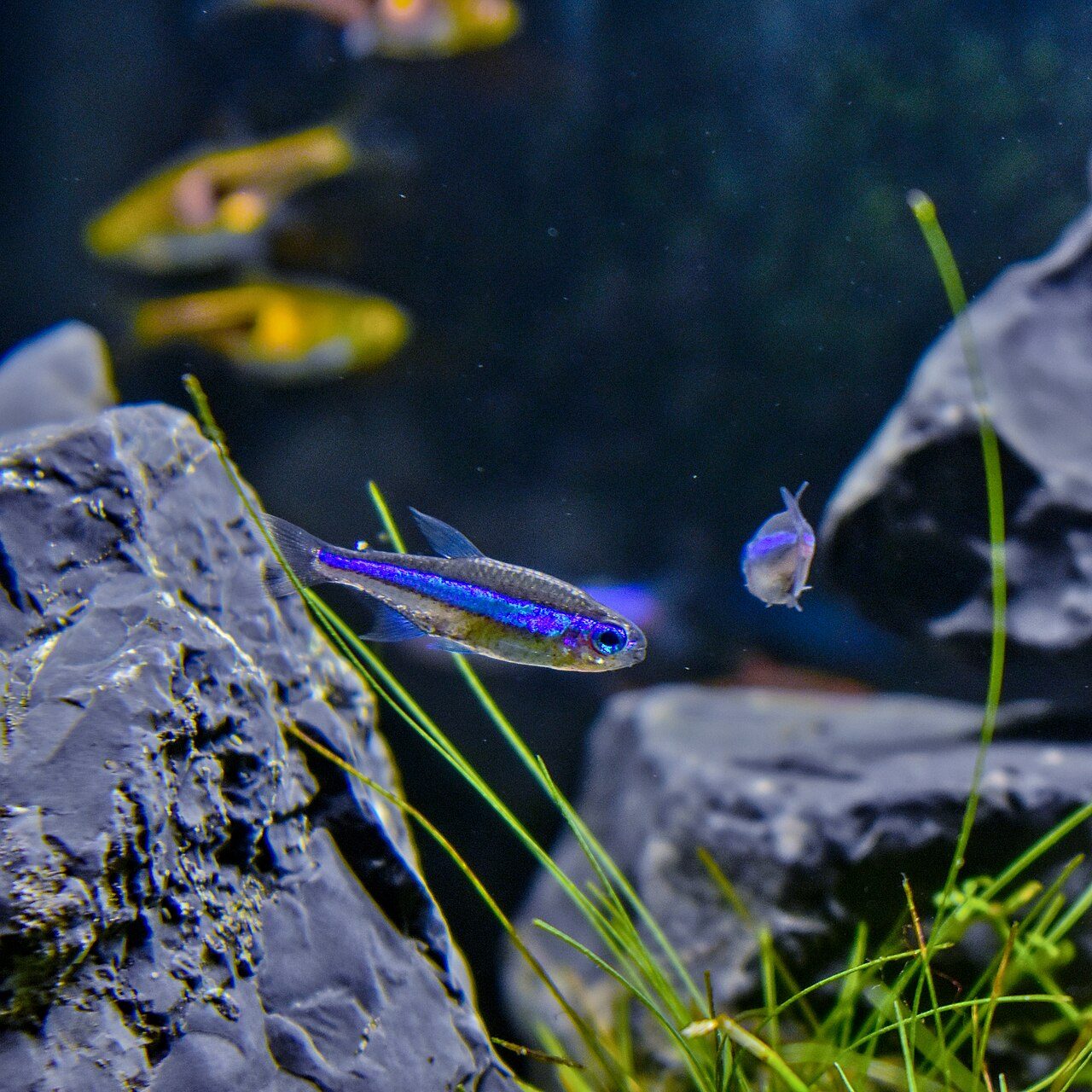
The most iconic of all is the Neon Tetra (Paracheirodon innesi). Its brilliant blue and red stripes have made it a staple in the hobby for generations, though it does require stable water conditions to do well.
The Classic Neon Tetra
Neon Tetras are perhaps the most recognizable different types of tetras in the world. They are peaceful, small, and look incredible when kept in a heavily planted aquarium with a dark substrate.
Because they are so popular, it is essential to source them from reputable breeders to avoid health issues. I always recommend following a complete care guide for Neons to make sure your school remains colorful and healthy for years.
The Hardy Black Skirt Tetra
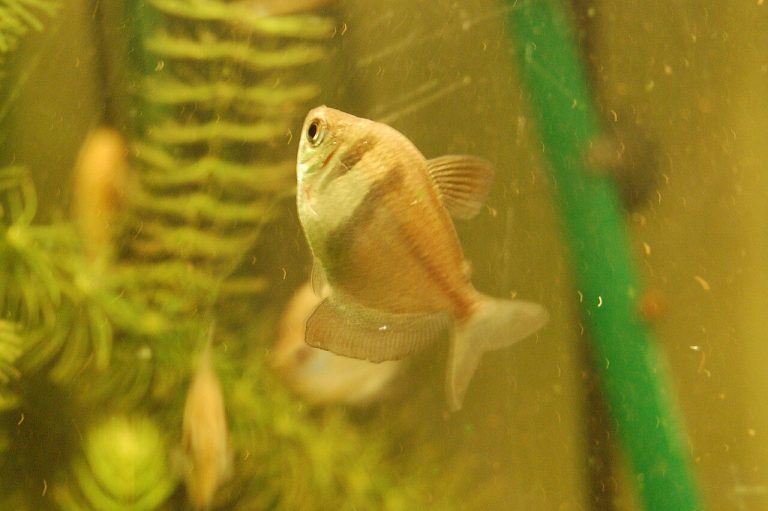
If you are looking for a fish with a bit more presence, the Black Skirt Tetra is a fantastic choice. They are slightly larger and deeper-bodied than Neons, with a striking silver and black color palette.
These fish are incredibly resilient and can handle a wider range of water parameters than many of their cousins. They are active swimmers and tend to occupy the middle and upper layers of the water column.
The Serpae Tetra
Commonly known as the Red Minor Tetra, these fish offer a deep, jewel-toned red color that pops against green aquatic plants. They are energetic and can occasionally be nippy if kept in groups that are too small.
In my experience, keeping them in a group of ten or more significantly reduces fin-nipping behavior. This allows them to focus their energy on interacting with each other rather than bothering their tank mates.
Specialized Different Types of Tetras for Intermediate Keepers
Once you have mastered the basics, you might want to try species that have more specific requirements. These different types of tetras often demand tighter control over water chemistry or specialized diets.
The Rummy Nose Tetra (Hemigrammus rhodostomus) is a prime example of a “canary in the coal mine” species. Their vivid red faces will fade if the water quality drops, providing a visual cue for the keeper.
The Striking Cardinal Tetra
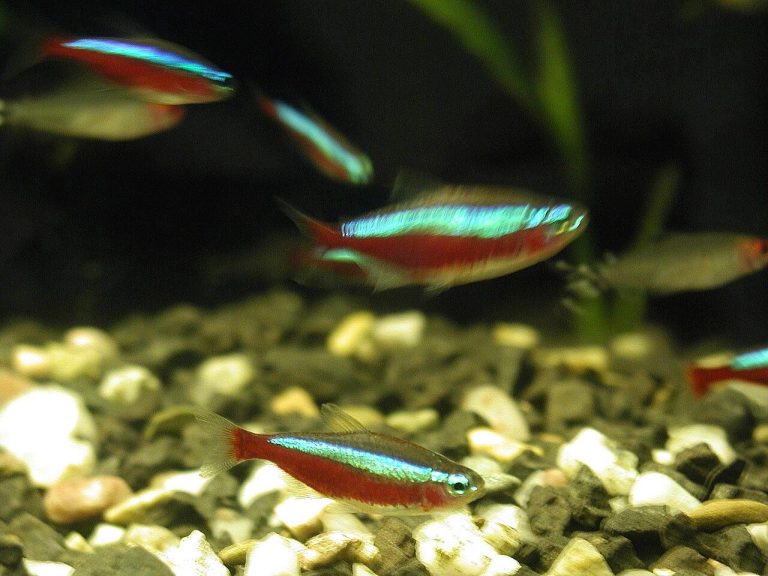
Often confused with the Neon, the Cardinal Tetra (Paracheirodon axelrodi) features a red stripe that runs the full length of its body. They are slightly larger and, in my opinion, even more eye-catching than their Neon counterparts.
Cardinals are traditionally a bit more sensitive to water parameters and prefer warmer temperatures. They do well in a blackwater biotope where the water is stained with tannic acid from driftwood and leaf litter.
The Elegant Diamond Tetra
Diamond Tetras are named for their shimmering scales that reflect light like tiny gemstones. As they mature, they develop long, flowing fins that add an element of elegance to the aquarium.
They are one of the different types of tetras that benefit greatly from high-quality flakes and frozen foods. Providing a varied diet ensures their scales maintain that characteristic diamond-like sparkle.
The Unique Black Neon Tetra
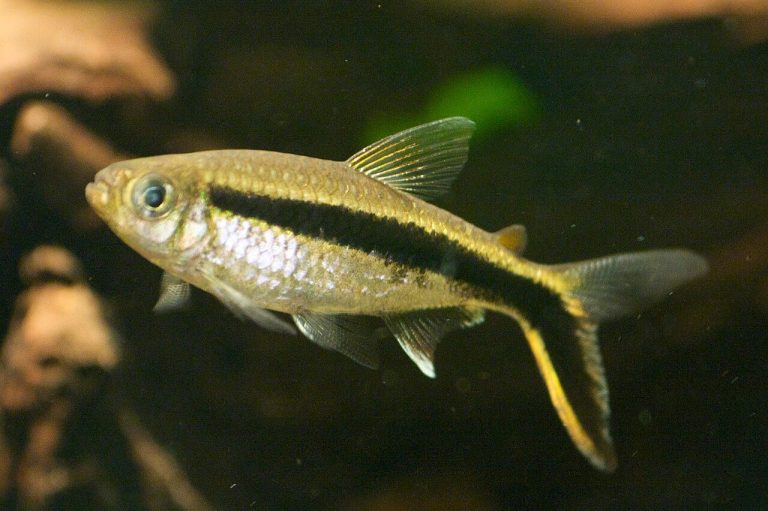
Despite the name, the Black Neon Tetra (Hyphessobrycon herbertaxelrodi) is a distinct species from the standard Neon. It features a sophisticated palette of black, silver, and a glowing white-green stripe.
I have found these fish to be exceptionally hardy and peaceful. They make an excellent contrast when kept alongside brighter species, adding depth and variety to the overall look of the tank.
Common Mistake: Many beginners assume all tetras have the same temperature needs. Always check the specific requirements for your species, as some prefer 72°F while others, like Cardinals, stay healthy closer to 82°F.
Environmental Needs for Different Types of Tetras
To see the best colors and natural behaviors from your fish, you must recreate their natural habitat. Most tetras come from environments with plenty of hiding spots, dim lighting, and soft water.
Aquatic plants are not just decorative; they provide essential cover and help maintain water quality. Floating plants are particularly useful for diffusing bright lights, which can otherwise make tetras feel exposed and stressed.
Water Chemistry and Parameters
Most different types of tetras prefer soft water with low carbonate hardness. In areas with naturally hard tap water, you may need to use RO (Reverse Osmosis) water to achieve the ideal parameters.
Maintaining a stable pH is often more important than hitting a specific number. However, aiming for a slightly acidic to neutral range (6.0 to 7.0) is generally best for most South American species.
| Tetra Species | Ideal Temp (°F) | Preferred pH | Minimum Tank Size |
|---|---|---|---|
| Neon Tetra | 72°F – 78°F | 6.0 – 7.0 | 10 Gallons |
| Cardinal Tetra | 78°F – 82°F | 5.5 – 6.5 | 20 Gallons |
| Rummy Nose Tetra | 75°F – 80°F | 6.0 – 6.8 | 20 Gallons |
| Congo Tetra | 74°F – 78°F | 6.0 – 7.5 | 30 Gallons |
The Importance of Tank Size
While many tetras are small, they are active swimmers that need horizontal space to school. Choosing the ideal aquarium dimensions is essential for their long-term health and happiness.
A common mistake is keeping large schools in nano tanks that are too short. A 20-gallon “long” aquarium is often a much better choice than a standard 20-gallon high for these active fish.
Feeding and Nutrition for Your Tetras
A varied diet is the secret to rich colors and successful spawning. In the wild, tetras are opportunistic omnivores, feeding on small insects, larvae, and plant matter.
In the home aquarium, high-quality flake food or micro-pellets should form the base of their diet. However, you should supplement this with live or frozen foods like brine shrimp and daphnia.
For those keeping smaller species, finding the best nutritional options involves looking for foods that fit their small mouths. Crushing flakes into a fine powder or using specialized “micro” foods makes sure everyone gets a meal.
Common Challenges with Different Types of Tetras
Even with the best care, tetras can face health challenges. One of the most notorious issues is “Neon Tetra Disease,” caused by the parasite Pleistophora hyphessobryconis.
This condition is difficult to treat, making prevention through quarantine and high water quality essential. Always observe new fish for signs of cysts, loss of color, or erratic swimming before adding them to your main display.
Stress and Fin Nipping
Stress is a major factor in fish health. If your tetras are hiding or losing color, check your water parameters and ensure they have enough tank mates to feel secure.
Fin nipping usually occurs when certain different types of tetras, like Buenos Aires or Serpae tetras, are kept in groups that are too small. Increasing the school size usually redirects this aggression toward their own kind in harmless displays of dominance.
Questions I get asked a lot
Can different types of tetras school together?
While different species may swim in the same general area, they usually do not “school” together in a synchronized way. It is always better to have a large group of a single species for the best visual effect and fish comfort.
What is the easiest tetra for a beginner?
The Black Skirt Tetra and the Ember Tetra are generally considered among the hardiest different types of tetras. They are less sensitive to water fluctuations than species like the Rummy Nose or Cardinal.
How long do tetras typically live?
With proper care, most small tetras live between 3 and 5 years. Some larger species, like the Congo Tetra or Black Skirt Tetra, can live significantly longer if maintained in a healthy environment.
Do tetras need an air stone?
While they don’t strictly “need” one if your filter provides enough surface agitation, tetras benefit from well-oxygenated water. An air stone or a spray bar can help make sure there is plenty of gas exchange.
Are tetras compatible with shrimp?
Most small tetras are relatively safe with adult dwarf shrimp like Cherry Shrimp. However, they will almost certainly eat any baby shrimp they can find, so provide plenty of moss and hiding places.
Conclusion: Building Your Perfect Tetra School
Choosing between the different types of tetras is one of the most exciting parts of the aquarium hobby. Whether you prefer the neon glow of the Amazon or the shimmering scales of the Diamond Tetra, there is a species for every tank.
If you focus on proper schooling numbers, stable water parameters, and a high-quality diet, you can enjoy these fish for years. Remember to always research the specific needs of each species before bringing them home.
In my experience, the effort you put into creating a natural environment will be rewarded with active, colorful, and healthy fish., and may your aquarium always be a source of peace and beauty.

- 2003First tank
- 20+Years keeping
- 40+Tanks kept
- 0Sponsored picks
Howard set up his first 10-gallon planted tank in 2003 and lost half of it within six weeks. Two decades and more than forty aquariums later, he writes the guides he wished he had then: clear numbers, the reasons behind them, and what actually goes wrong in home tanks.