Yokusou To Neon Tetra Lyrics – A Deep Dive Into The Shimmering World
The “Yokusou to Neon Tetra” lyrics evoke the serene beauty of keeping Paracheirodon innesi in a home aquarium. This guide translates that poetic inspiration into expert care practices for a flourishing, vivid community tank.
The song “Yokusou to Neon Tetra” by Sayonara Ponytail captures a specific, dreamlike feeling that many of us in the aquarium hobby know well. The lyrics describe the quiet, shimmering presence of fish in a “yokusou” (bathtub) or tank, reflecting on their neon glow. In my ten years of keeping these fish, I have found that capturing that visual magic requires more than just water; it requires an understanding of their natural habitat.
When you look at the yokusou to neon tetra lyrics, you see a deep appreciation for the Paracheirodon innesi. These small members of the Characidae family are more than just decorations; they are complex creatures with specific biological needs. To honor the beauty described in the song, we must provide an environment where their colors can shine.
In this guide, we will explore how to take the inspiration from those lyrics and apply it to your home aquarium. We will cover everything from water chemistry to the specific biological traits that make these fish so iconic.
At a glance: Neon tetra (Paracheirodon innesi)
- Temperature
- 72–78°F (22–26°C)
- Water pH
- 6.0–7.0
- Adult size
- 1.5 in (4 cm)
- Minimum tank
- 10 gal (20 gal for a proper school)
- Group size
- Groups of 8+
- Temperament
- Peaceful
- Diet
- Omnivore: micro pellets, flakes, frozen daphnia
- Lifespan
- 5–8 years
Keeper’s tip: Add neons only to a fully cycled, stable tank; they are among the first fish to suffer from ammonia swings.
yokusou to neon tetra lyrics: Bringing the Song to Life in Your Tank
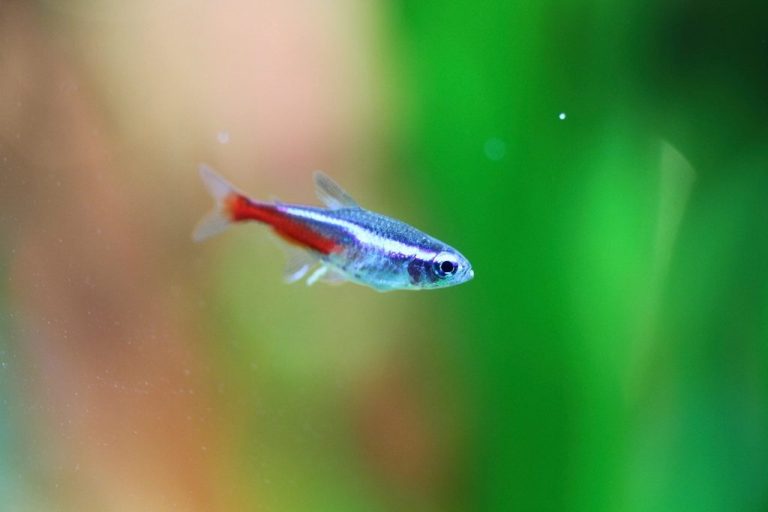
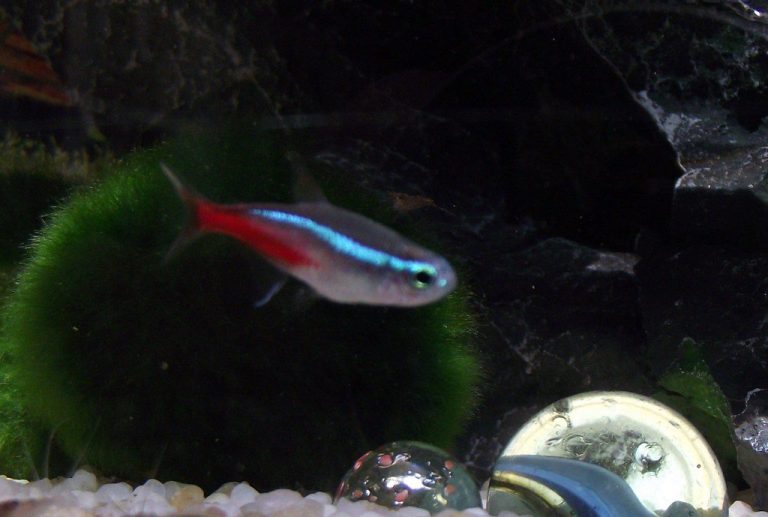
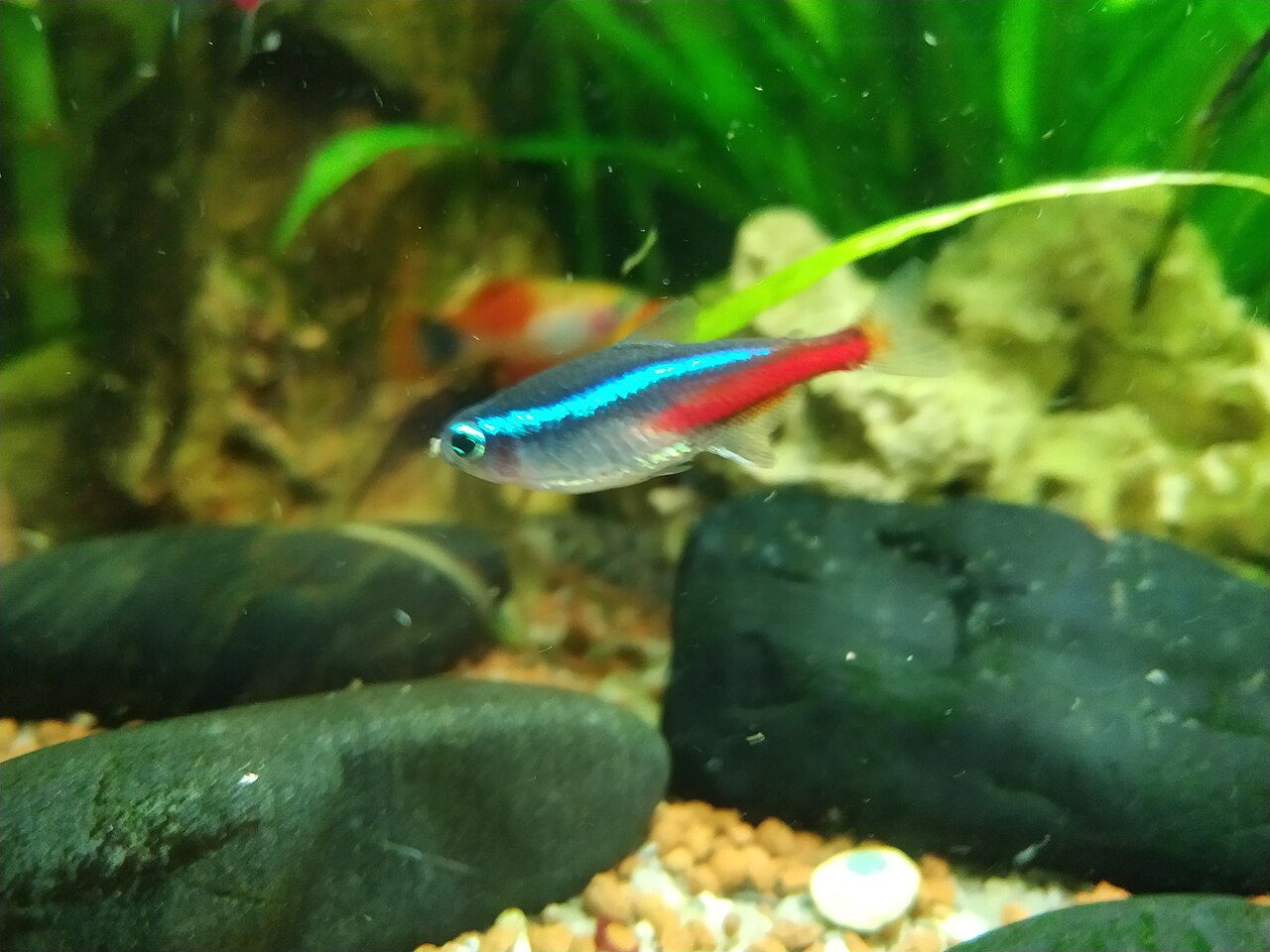
The yokusou to neon tetra lyrics speak to the glowing, almost electric nature of these fish in a dark or dimly lit environment. This phenomenon is rooted in the fish’s natural biology and their reaction to light, known as phototaxis. In the wild, their bright stripes help them stay together in the murky, tea-colored waters of the Amazon basin.
To recreate this at home, you need to consider the lighting and the background of your tank. I have noticed that a dark substrate and a heavily planted background make the blue and red stripes of the Neon Tetra pop significantly more. This contrast is exactly what the song’s imagery suggests—a bright light in a quiet, dark space.
Pro Tip: Use floating plants like Amazon Frogbit or Salvinia to create dappled lighting. This mimics the natural forest canopy and reduces stress, making your tetras feel secure enough to display their most intense colors.
When you listen to the song, you feel a sense of calm, which is the exact environment a Neon Tetra needs to do well. Stress is the number one killer of these delicate fish, often leading to a weakened immune system. If you focus on a peaceful environment, you are directly following the “vibe” of the lyrics while making sure the health of your school.
The Biology of the Characidae Family
The Neon Tetra, or Paracheirodon innesi, is a remarkable specimen with unique anatomical features. One of the most distinct features of this species is the presence of a small adipose fin located between the dorsal fin and the tail. This tiny, fleshy fin is a hallmark of many Characidae and helps identify them in the wild.
In my experience, many keepers overlook the importance of understanding the fish’s physical build. Their streamlined bodies are designed for quick bursts of movement, which they use to handle the slow-moving tributaries of South America. They are social creatures, and their health is often tied to the size of their school.
| Feature | Description |
|---|---|
| Scientific Name | Paracheirodon innesi |
| Family | Characidae |
| Max Size | 1.5 inches (4 cm) |
| Key Feature | Adipose fin and iridescent stripe |
Understanding their biology also means recognizing their sensitivity to water changes. Neon Tetras have evolved in very soft, acidic water with low specific conductance. When we bring them into our homes, we must match these parameters to prevent osmotic stress, which can lead to long-term health issues.
Perfecting Water Parameters for Neon Tetras
To keep your fish as colorful as the ones mentioned in the yokusou to neon tetra lyrics, you must master your water chemistry. I always recommend aiming for a slightly acidic pH, ideally between 6.0 and 7.0. While they can adapt to slightly higher levels, their colors will shine in softer water.
Maintaining the right neon tetra water parameters is a foundational skill for any aquarist. You should also pay close attention to the specific conductance of your water. High mineral content can be hard on their kidneys, so using a mix of RO (Reverse Osmosis) water and tap water can be a great way to find the “sweet spot.”
Common Mistake: Adding Neon Tetras to a brand-new, uncycled tank. These fish are highly sensitive to ammonia and nitrites. Always make sure your nitrogen cycle is fully established before introducing your school.
Temperature is another critical factor that keepers sometimes get wrong. I have found that keeping the tank between 72°F and 78°F provides the best balance for their metabolism. If the water is too cold, their immune systems slow down; if it is too warm, their lifespan may decrease due to an increased metabolic rate.
The Role of Humic Substances and Tannic Acid
In the wild, Neon Tetras live in “blackwater” habitats, which are stained a deep brown by decaying organic matter. This water is rich in humic substances and tannic acid, which provide natural antibacterial and antifungal properties. Recreating this environment can be done through peat filtration or by adding Indian Almond leaves.
When you add these natural elements, you are not just changing the color of the water. You are creating a chemical environment that mimics their ancestral home. This helps the fish feel secure and encourages natural behaviors, such as spawning or schooling more tightly.
To maintain these conditions, some hobbyists use peat filtration in their canisters. This slowly releases tannins into the water, lowering the pH naturally and providing that “yokusou” aesthetic of deep, rich water. It is a more advanced technique, but the results in fish health and color are well worth the effort.
Feeding for Maximum Vibrancy
If you want your fish to look like the iridescent gems described in the yokusou to neon tetra lyrics, diet is essential. A high-quality flake or micro-pellet should be the staple, but variety is the what really counts. I personally love feeding my tetras frozen daphnia or baby brine shrimp once or twice a week.
Knowing what to feed neon tetras helps make sure they get the carotenoids needed for their red stripe. A fish that is poorly fed will often look “washed out” or pale. If you notice your tetras losing color, the first things to check are your water quality and their recent diet.
| Food Type | Frequency | Benefits |
|---|---|---|
| High-Quality Flakes | Daily | Balanced nutrition and vitamins |
| Frozen Brine Shrimp | 2x Weekly | High protein for growth |
| Daphnia | 1x Weekly | Aids digestion and prevents bloat |
Their mouths are very small. I’ve seen many beginners try to feed standard-sized pellets that the fish simply cannot swallow. Always choose “micro” versions of food or crush your flakes between your fingers to make them accessible for your Characidae friends.
Preventing Disease: Columnaris and Neon Tetra Disease
The yokusou to neon tetra lyrics depict a world of beauty, but the reality of fish keeping involves dealing with health issues. One of the most common bacterial infections is Columnaris, which often appears as white patches or “saddleback” lesions. This is highly contagious and usually strikes when the fish are stressed by poor water quality.
Even more concerning is Pleistophora hyphessobryconis, commonly known as Neon Tetra Disease (NTD). This is a parasitic condition that has no known cure and can quickly wipe out an entire school. Symptoms include a loss of color, cyst-like lumps on the body, and erratic swimming patterns.
Pro Tip: Always quarantine new fish for at least 2 to 4 weeks before adding them to your main tank. This simple step is the most effective way to prevent the introduction of Pleistophora hyphessobryconis to your established school.
To keep your fish healthy, focus on stability. Fluctuations in temperature or pH are often the catalysts for disease outbreaks. If you keep a steady environment and performing regular, small water changes, you can keep the “yokusou” vibe in your tank peaceful and disease-free.
A Note on Breeding and Spawning
While many hobbyists are content just watching their school, some want to experience the full life cycle. If you are interested in how these fish reproduce, you might want to look into how to breed neon tetras in a controlled setting. It requires very specific conditions, including almost total darkness and incredibly soft water.
The eggs of the Neon Tetra are light-sensitive, which brings us back to the concept of phototaxis. In a breeding setup, you must protect the eggs from bright light to prevent them from fungus. This delicate process is proof of how specialized these fish are in their natural Amazonian environment.
A few common questions
What does “yokusou” mean in the song title?
In Japanese, “yokusou” translates to “bathtub.” The song uses the imagery of a bathtub as a metaphor for a small, contained world where the neon tetra provides a sense of wonder and light.
Why are my Neon Tetras losing their color at night?
This is a natural biological response. When the lights go out, Neon Tetras “turn off” their iridescent colors to avoid attracting predators while they sleep. They will regain their glow shortly after the lights come back on.
Can I keep Neon Tetras in a 5-gallon tank?
I generally do not recommend it. While they are small, they are active swimmers and need to be in a school of at least 6 to 10 individuals. A 10-gallon tank is the absolute minimum, but a 20-gallon long is ideal for seeing their natural schooling behavior.
How do humic substances help my fish?
Humic substances, found in tannins, act as a natural conditioner. They help lower the pH, bind heavy metals, and provide a mild antiseptic effect that helps protect the fish’s slime coat.
Final Thoughts on the Neon Tetra Experience
The yokusou to neon tetra lyrics serve as a beautiful reminder of why we fall in love with this hobby. It is the ability to bring a piece of the natural world—shimmering, glowing, and alive—into our own living spaces. If you focus on the scientific needs of Paracheirodon innesi, we make sure that the poetic beauty of the song remains a reality in our tanks.
Success in fish keeping comes from patience and observation. I have found that the most successful tanks are the ones where the keeper acts as a steward of the environment, not just a spectator. Keep your water clean, your fish well-fed, and your environment stable.
Whether you were drawn to these fish by a song or by their undeniable beauty in a pet store, they are satisfying companions. If you follow the expert tips outlined here, you can create a healthy aquarium that would make any songwriter proud.

- 2003First tank
- 20+Years keeping
- 40+Tanks kept
- 0Sponsored picks
Howard set up his first 10-gallon planted tank in 2003 and lost half of it within six weeks. Two decades and more than forty aquariums later, he writes the guides he wished he had then: clear numbers, the reasons behind them, and what actually goes wrong in home tanks.