Serpae Tetra Disease / Dying / Stress Signs – Causes and Treatment
Identifying Serpae Tetra disease / dying / stress signs involves watching for lethargy, clamped fins, or white spots. Rapid breathing often indicates poor water quality, while aggressive nipping suggests overcrowding or inadequate school size.
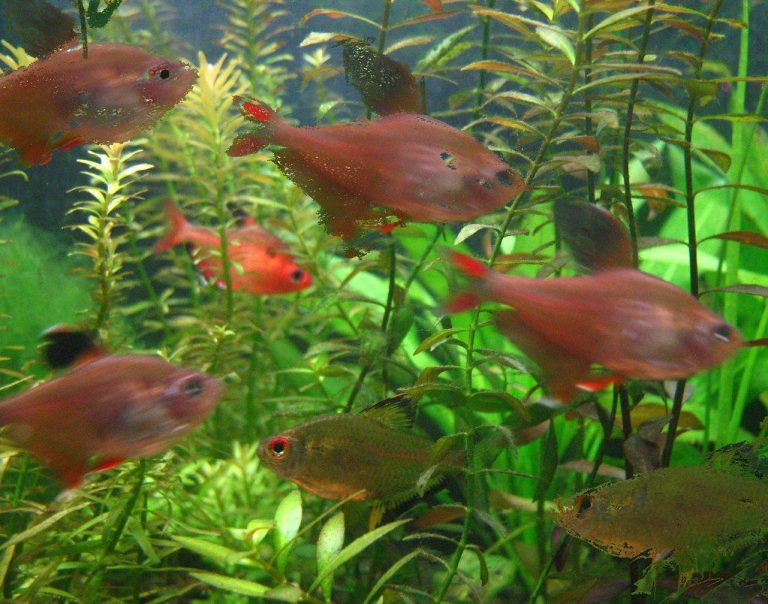
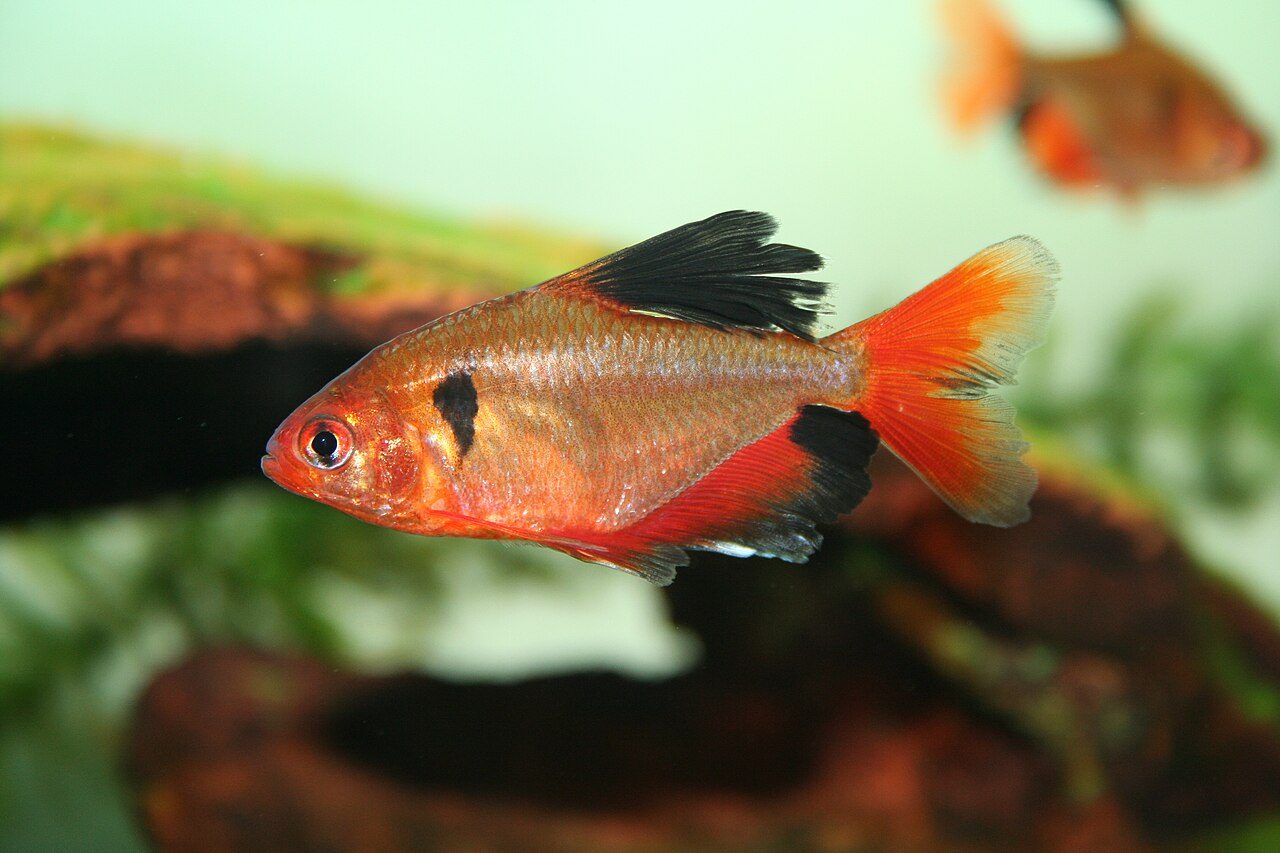
Serpae Tetras, scientifically known as Hyphessobrycon eques, are among the most rich and active fish you can add to a community tank. Their deep red bodies and striking black dorsal fins make them a favorite for many hobbyists.
However, even the hardiest fish can fall ill if their environment isn’t maintained correctly. Understanding the nuances of Serpae Tetra disease / dying / stress signs is key for any keeper who wants to ensure their school does well for years.
In my decade of keeping characins, I have found that these fish are often the “canaries in the coal mine.” They react quickly to changes in water chemistry, making them excellent indicators of your tank’s health.
At a glance: Serpae tetra (Hyphessobrycon eques)
- Temperature
- 72–79°F (22–26°C)
- Water pH
- 5.0–7.8
- Adult size
- 1.75 in (4.5 cm)
- Minimum tank
- 20 gal
- Group size
- Groups of 8+
- Temperament
- Fin-nipper
- Diet
- Omnivore: flakes, pellets, frozen foods
- Lifespan
- 5–7 years
Keeper’s tip: Never house them with bettas, angelfish or fancy guppies; a large group spreads the nipping among themselves.
Understanding Serpae Tetra Disease / Dying / Stress Signs
When we talk about Serpae Tetra disease / dying / stress signs, we are really looking at a spectrum of health issues. Stress is almost always the precursor to disease and eventual death.
A stressed fish has a suppressed immune system. This makes them vulnerable to pathogens that are naturally present in every aquarium, such as bacteria and parasites.
Common signs of stress include “glass surfing,” where the fish swims up and down the glass frantically. You might also notice them hiding behind decorations or staying near the surface where dissolved oxygen levels are higher.
Pro Tip: Always observe your Serpae Tetras during feeding time. A healthy Serpae is a greedy eater. If a fish ignores food or spits it back out, it is often the very first sign of internal parasites or extreme stress.
Visual Indicators of Illness
The physical appearance of your fish tells a detailed story. Clamped fins, where the fish holds its fins tight against its body, is a universal sign of discomfort in the aquarium world.
You should also look for “flashing.” This is when a fish rubs its body against rocks or substrate to soothe an itch caused by external parasites like Ichthyophthirius multifiliis.
Loss of color is another major red flag. If your deep red Serpaes suddenly look pale or washed out, it’s a clear indication that something is wrong with the water or their internal health.
Common Diseases Affecting Serpae Tetras
Serpae Tetras are susceptible to several common freshwater ailments. Recognizing these early can mean the difference between a quick recovery and a total tank wipeout.
One of the most aggressive issues is Columnaris. This bacterial infection often presents as white, cottony patches around the mouth or a “saddleback” lesion on the dorsal area.
Another frequent visitor is Ich, or white spot disease. This parasite looks like small grains of salt sprinkled over the fish’s body and fins.
| Disease Name | Primary Symptoms | Common Causes |
|---|---|---|
| Ich (White Spot) | White salt-like spots, flashing, lethargy. | Temperature fluctuations, new fish introduction. |
| Columnaris | Cottony mouth, saddleback sores, rapid death. | High organic waste, poor oxygenation. |
| Fin Rot | Ragged, decaying fins with white or red edges. | Fin nipping, poor water quality. |
| Dropsy | Pinecone scales, bloated belly, bulging eyes. | Organ failure, chronic stress. |
Bacterial Infections: Aeromonas and Saprolegnia
Aeromonas is a genus of bacteria that often causes “hemorrhagic septicemia.” You will see red streaks on the body or fins, which indicates an internal infection.
Saprolegnia, on the other hand, is a water mold that looks like a fungal growth. It usually attacks fish that already have a wound, often from nipping or rough handling.
In my experience, Saprolegnia is very common in Serpae tanks because they are notorious fin nippers. A small wound from a tank mate can quickly turn into a fuzzy white patch if the water isn’t pristine.
Water Quality and Nitrogenous Waste
The most frequent cause of Serpae Tetra disease / dying / stress signs is poor water chemistry. High levels of nitrogenous waste are toxic to all fish.
Ammonia toxicity is a silent killer. It burns the gills of the fish, causing them to gasp at the surface or develop bright red, inflamed gills.
Similarly, Nitrite poisoning prevents the fish’s blood from carrying oxygen. This is often called “brown blood disease” because the gills will turn a muddy brown color.
The Danger of Osmotic Shock
When moving Serpae Tetras to a new tank, osmotic shock is a significant risk. This happens when there is a sudden change in the mineral content or pH of the water.
The fish’s cells cannot regulate the flow of water and salts quickly enough. This leads to erratic swimming, paralysis, and often death within hours of introduction.
To avoid this, always use a slow drip acclimation process. This allows the fish’s internal chemistry to stabilize gradually with the new environment.
Pro Tip: If you notice your Serpaes dying one by one shortly after a large water change, check your source water. Significant shifts in GH or KH can cause fatal stress even if the water is technically “clean.”
Serpae Tetras are semi-aggressive. This is a vital piece of information because social stress is a major component of Serpae Tetra disease / dying / stress signs.
If kept in a group that is too small, the dominant fish will relentlessly bully the weaker ones. This constant chasing leads to physical exhaustion and physical wounds.
I’ve found that keeping a school of at least 6 to 8 individuals is necessary to disperse this aggression. In a larger group, no single fish bears the brunt of the nipping.
To make sure your school has enough room to establish a hierarchy, you must provide an appropriate Serpae Tetra tank size. A cramped environment is a recipe for high stress and disease outbreaks.
Look for fish that are constantly forced into the corners of the tank. If a Serpae is hovering near the heater or the filter intake and staying away from the school, it is likely being bullied.
This social isolation causes a spike in cortisol levels. Long-term high cortisol weakens the immune system, making that specific fish the first to catch Ich or Fin Rot.
During the breeding season, males become even more territorial. Knowing how to distinguish a Serpae Tetra male vs female can help you balance the genders to reduce fighting.
Maintaining Ideal Water Parameters
Prevention is always better than a cure. Maintaining stable water parameters is the best way to prevent Serpae Tetra disease / dying / stress signs from appearing in the first place.
Serpae Tetras prefer slightly acidic to neutral water. They settle in in “blackwater” conditions where tannins from driftwood or leaf litter are present.
| Parameter | Ideal Range | Notes |
|---|---|---|
| Temperature | 72°F – 82°F (22°C – 28°C) | Stability is more important than the exact number. |
| pH Level | 6.0 – 7.5 | Avoid sudden swings in pH. |
| Ammonia / Nitrite | 0 ppm | Anything above zero is toxic. |
| Nitrate | < 20 ppm | Keep low with weekly water changes. |
The Role of Dissolved Oxygen
Serpae Tetras are active swimmers and require high dissolved oxygen levels. In a stagnant tank, they will struggle to breathe.
If you see your fish “piping” (gasping) at the surface, you need to increase surface agitation immediately. An air stone or an adjustable filter outlet can solve this.
High temperatures also reduce the water’s ability to hold oxygen. If your tank hits 82°F or higher during a summer heatwave, extra aeration becomes a necessity.
Treatment Protocols for Sick Serpae Tetras
If you have identified Serpae Tetra disease / dying / stress signs, you must act quickly. The first step is always to test your water.
If the water parameters are perfect, you may need to move the sick fish to a quarantine tank. This prevents the spread of infection and allows for targeted medication.
For bacterial issues like Columnaris or Fin Rot, antibiotics such as Kanaplex or Erythromycin are effective. For Ich, heat treatment (raising the temp to 86°F) or copper-based medications work well.
Dealing with Internal Parasites
Internal parasites are harder to spot but very common in store-bought Serpaes. Symptoms include stringy white poop or a “sunken” belly despite eating.
Treating the food with a dewormer like Praziquantel is the most effective method. Adding medication to the water is less effective for internal issues as the fish needs to ingest the medicine.
Always complete the full course of any medication. Stopping early can lead to antibiotic-resistant bacteria, which are much harder to kill later.
Questions and answers
Why are my Serpae Tetras losing their red color?
This is usually a sign of stress or poor nutrition. Check your ammonia levels and make sure you are feeding a high-quality flake or pellet supplemented with frozen foods like bloodworms.
Can Serpae Tetras survive Ich without medication?
It is rare. Ich is a parasite that multiplies rapidly. While a very healthy fish might fight off a mild case, it is always safer to treat the entire tank to help the parasite’s life cycle is broken.
How do I stop my Serpae Tetras from nipping each other?
The best way is to increase the school size and add more plants or driftwood. This breaks up lines of sight and gives bullied fish a place to hide.
Is “Neon Tetra Disease” the same as what Serpaes get?
While “true” Neon Tetra Disease (Pleistophora) is most common in Neons, Serpaes can occasionally contract it. It is untreatable and involves the wasting away of muscle tissue.
What should I do if a Serpae Tetra dies?
Remove the body immediately to prevent an ammonia spike. Perform a 25-50% water change and monitor the remaining fish closely for any signs of the same illness.
Where that leaves you
Managing Serpae Tetra disease / dying / stress signs requires a combination of keen observation and proactive maintenance. These fish are incredibly satisfying when they are healthy, displaying fiery colors and playful energy.
If you keep their water clean, providing a large enough school, and acting quickly at the first sign of trouble, you can enjoy these beautiful characins for their full lifespan. Most “diseases” are actually environmental problems in disguise.
If you stay on top of your weekly water changes and keep an eye on their social dynamics, your Serpae Tetras will remain the rich centerpiece of your aquarium.

- 2003First tank
- 20+Years keeping
- 40+Tanks kept
- 0Sponsored picks
Howard set up his first 10-gallon planted tank in 2003 and lost half of it within six weeks. Two decades and more than forty aquariums later, he writes the guides he wished he had then: clear numbers, the reasons behind them, and what actually goes wrong in home tanks.