How Long Do Tetras Live – Lifespan Facts
Most common tetra species live between 3 and 5 years in a well-maintained home aquarium. However, larger or hardier species like the Cardinal tetra can reach 8 to 10 years with expert-level care and stable water parameters.
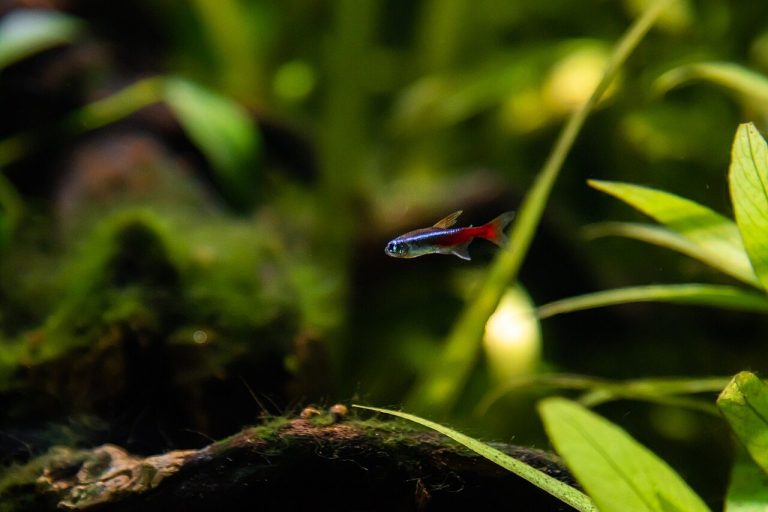
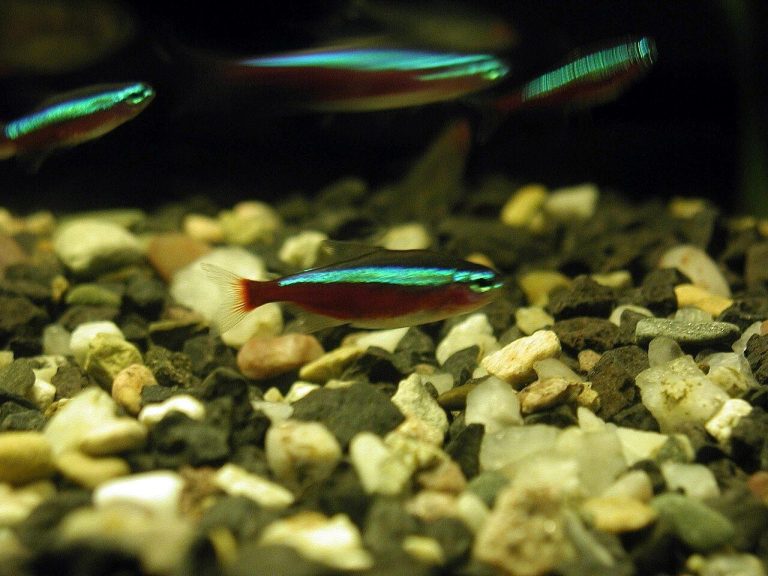
When I first started keeping fish over a decade ago, I was captivated by the shimmering blue and red of a neon tetra school. I remember asking my local shop owner, “how long do tetras live?” and being surprised by the variety of answers.
The truth is that their lifespan is deeply tied to the environment you provide for them. While many people view these small fish as short-lived, they are surprisingly resilient when their specific biological needs are met.
In this guide, I will share the insights I have gained from years of maintaining diverse tetra tanks. We will explore the factors that influence their longevity and how you can make sure your schooling fish do well for years to come.
At a glance: Tetras (general) (Family Characidae and relatives)
- Temperature
- 72–80°F (22–27°C) for most species
- Water pH
- 6.0–7.5 for most species
- Adult size
- 1–3 in (2.5–8 cm)
- Minimum tank
- 10–30 gal depending on species
- Group size
- Groups of 6–10+
- Temperament
- Mostly peaceful schooling fish
- Diet
- Omnivores: quality flakes or micro pellets plus frozen foods
- Lifespan
- 3–8 years
Keeper’s tip: Schooling size matters more than tank size for most tetras: small groups hide, nip and stress.
Average Lifespan of Popular Tetra Species
Not all tetras are created equal when it comes to their natural life expectancy. Some species are naturally hardier, while others are more sensitive to the minor fluctuations that occur in a closed ecosystem.
In my experience, the larger the tetra species, the longer it tends to live. For instance, the sturdy Congo tetra often outlives the more delicate Neon tetra by several years if kept in a spacious environment.
Below is a breakdown of the typical life expectancy for the most common species found in the hobby today.
| Tetra Species | Average Lifespan (Years) | Difficulty Level |
|---|---|---|
| Neon Tetra | 3 – 5 Years | Beginner / Intermediate |
| Cardinal Tetra | 5 – 8+ Years | Intermediate |
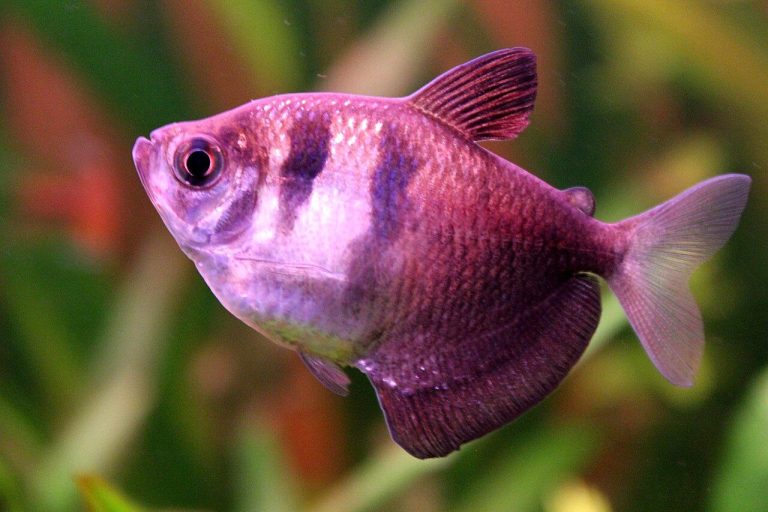
| Black Skirt Tetra | 3 – 5 Years | Beginner |
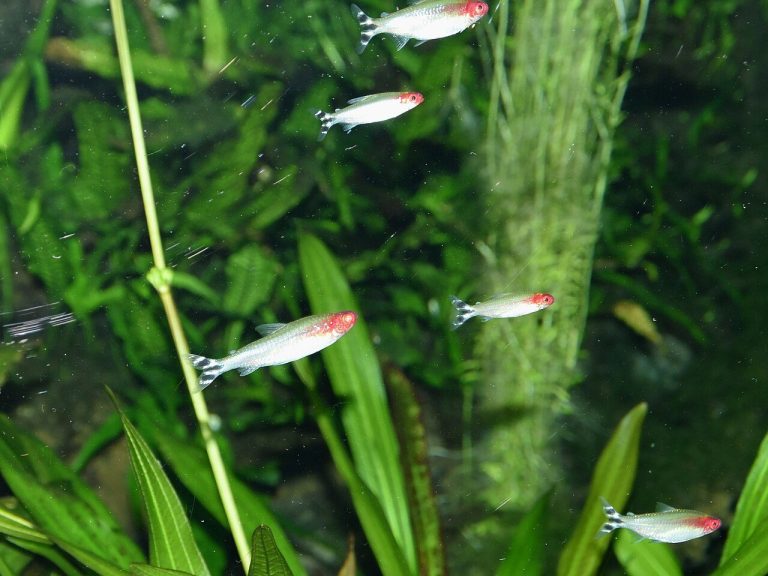
| Rummy Nose Tetra | 5 – 6 Years | Intermediate / Advanced |
| Congo Tetra | 3 – 5 Years | Intermediate |
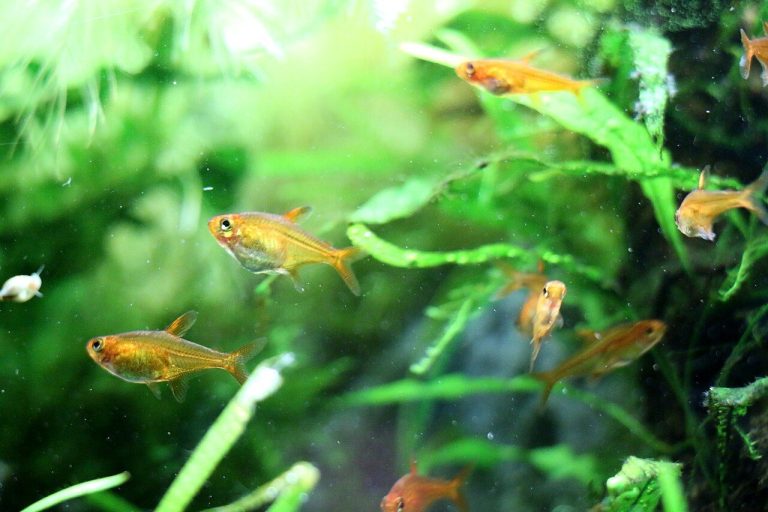
| Ember Tetra | 2 – 4 Years | Beginner |
If you are looking for a long-term companion, the Cardinal tetra is often the best choice for those with a bit of experience. They are visually similar to Neons but far more solid once they have settled into a mature aquarium.
Understanding How Long Do Tetras Live in Different Environments
The question of how long do tetras live cannot be answered without looking at the environment. In the wild, many tetras are annual or biannual fish due to predation and seasonal changes, but our tanks offer a safe haven.
Water quality is the single most important factor in determining the biological age of your fish. High levels of waste products lead to chronic stress, which eventually weakens the immune system.
I have found that tetras kept in larger volumes of water tend to live longer because the parameters are more stable. This is why choosing a proper tank size is essential for their long-term health.
Pro Tip: Always over-filter your tetra tanks. I prefer using filters rated for twice the actual tank volume to make sure the water stays crystal clear and highly oxygenated.
The Impact of Water Chemistry
Tetras generally prefer soft, slightly acidic water, mirroring the blackwater rivers of South America. When the aquarium water hardness dGH is too high, it can put a strain on their internal organs.
Maintaining a stable pH buffering capacity is also vital to prevent sudden swings. I’ve noticed that fish in tanks with fluctuating pH levels often show signs of stress and have significantly shorter lifespans.
Monitoring your nitrate concentration ppm is another critical task for any serious aquarist. Keeping nitrates below 20 ppm through regular water changes is a proven way to extend the lives of your schooling fish.
The Role of Nutrition in Tetra Longevity
Feeding your fish the same flake food every single day is a recipe for nutritional deficiencies. In the wild, tetras are opportunistic omnivores that consume a wide variety of insects, larvae, and plant matter.
I always recommend a “rotational diet” to help they receive all the necessary vitamins and minerals. This variety keeps their immune systems strong and their colors rich throughout their lives.
A high-quality biological filtration media setup helps process the waste from a high-protein diet. Without good filtration, the benefits of premium food are often negated by poor water quality.
Best Foods for a Long Life
I have seen the best results when combining high-quality dry foods with frozen or live treats. Brine shrimp and daphnia are excellent for providing the roughage needed for healthy digestion.
You should also look for foods that contain natural color enhancers like spirulina or krill. These ingredients don’t just make them look better; they often contain antioxidants that support cellular health.
| Food Type | Frequency | Benefit |
|---|---|---|
| High-Quality Flakes/Micro-Pellets | Daily (Base Diet) | Balanced nutrition and vitamins |
| Frozen Bloodworms | 1-2 Times Weekly | High protein for growth and energy |
| Live Brine Shrimp | Once Weekly | Encourages natural hunting behavior |
| Freeze-Dried Tubifex | Occasional Treat | High calorie for breeding conditioning |
Common Health Issues That Shorten Tetra Life
Even with the best intentions, diseases can strike and drastically reduce how long your tetras live. Understanding the early warning signs can be the difference between a minor incident and a total tank wipeout.
One of the most feared issues is Neon Tetra Disease diagnosis, which is caused by a microsporidian parasite. It often presents as a loss of color and a curved spine, and unfortunately, it is very difficult to treat once established.
Regularly checking for ammonia toxicity thresholds is your first line of defense. Even a small spike in ammonia can cause permanent gill damage, shortening the fish’s life even if they survive the initial event.
Stress: The Silent Killer
Stress is perhaps the most underrated factor in fish mortality. Tetras are schooling fish, and keeping them in groups of fewer than six can lead to chronic anxiety.
When fish are stressed, their bodies produce cortisol, which suppresses their immune response. This makes them susceptible to common ailments like Ich or fin rot that they would otherwise fight off.
Making sure you have compatible tank mates is another way to keep stress levels low. Aggressive neighbors can keep tetras in a constant state of fear, leading to an early death.
Pro Tip: When adding new tetras, use a drip acclimation method over at least 60 minutes. This slowly adjusts them to the new water temperature stability Celsius and pH levels, reducing “new tank syndrome” deaths.
Maintenance Habits for a Healthy School
Consistency is the hallmark of a successful aquarist. If you want to maximize how long do tetras live, you must commit to a strict maintenance schedule that prevents the buildup of toxins.
I always tell beginners that it is better to do small, frequent water changes than one massive change once a month. This approach maintains a steady environment without shocking the fish.
Using a quality filtration system is essential, but you must also maintain the filter itself. Rinsing sponge media in old tank water preserves the beneficial bacteria needed for the nitrogen cycle.
Monitoring Water Parameters
Invest in a high-quality liquid testing kit rather than relying on paper strips. Liquid kits are far more accurate when measuring nitrate concentration ppm and ammonia levels.
You should also keep an eye on your heater. Water temperature stability Celsius is key because tetras are ectothermic; their metabolism is directly tied to the water temperature.
If the temperature fluctuates too much, it can cause metabolic stress. I recommend using two smaller heaters instead of one large one to prevent overheating if a thermostat fails.
Still wondering?
Why do my tetras keep dying after only a few months?
This is often due to poor acclimation or “New Tank Syndrome.” If the biological filter is not fully established, ammonia and nitrite spikes will quickly kill sensitive tetras. Make sure your tank is fully cycled before adding fish.
Can tetras live for 10 years?
While rare for the average hobbyist, it is entirely possible for species like the Cardinal tetra or the Diamond tetra. Achieving this requires near-perfect water conditions, a varied diet, and a very low-stress environment.
Do tetras need a heater to live longer?
Yes, tetras are tropical fish and require a consistent temperature between 24°C and 27°C (75°F-80°F). Keeping them in water that is too cold will slow their metabolism and weaken their immune system, leading to a shorter life.
Does the number of fish in a school affect their lifespan?
Absolutely. Tetras are social creatures that find safety in numbers. A school of at least 6 to 10 individuals reduces individual stress levels, which directly contributes to a longer, healthier life.
Conclusion: Giving Your Tetras the Best Life
Maximizing how long do tetras live is a rewarding challenge that demonstrates your skill as an aquarist. If you focus on stability, nutrition, and social structure, you can enjoy these vivid fish for many years.
In my experience, the most successful keepers are those who observe their fish daily. Small changes in behavior or color are often the first signs that something is wrong with the water or the environment.
Remember that these fish rely entirely on you for their well-being. Provide them with a clean tank, a diverse diet, and the company of their own kind, and they will reward you with years of beauty and activity.
If you are just starting out, don’t be discouraged by early setbacks. Every expert was once a beginner, and with the right knowledge, you can create a flourishing aquatic world that stands the test of time.

- 2003First tank
- 20+Years keeping
- 40+Tanks kept
- 0Sponsored picks
Howard set up his first 10-gallon planted tank in 2003 and lost half of it within six weeks. Two decades and more than forty aquariums later, he writes the guides he wished he had then: clear numbers, the reasons behind them, and what actually goes wrong in home tanks.