Ember Tetra Shrimp Tank Safe? – Complete Guide
Yes, Ember Tetras are considered shrimp-safe due to their tiny mouths and peaceful nature. While they may occasionally hunt newborn shrimplets, they generally leave adult and juvenile shrimp completely unbothered in well-planted aquariums.
Finding the perfect balance in a nano aquarium is one of the most rewarding challenges for any fish keeper. When I first started keeping Neocaridina davidi, I was terrified of adding any fish that might turn my expensive shrimp into a midnight snack.
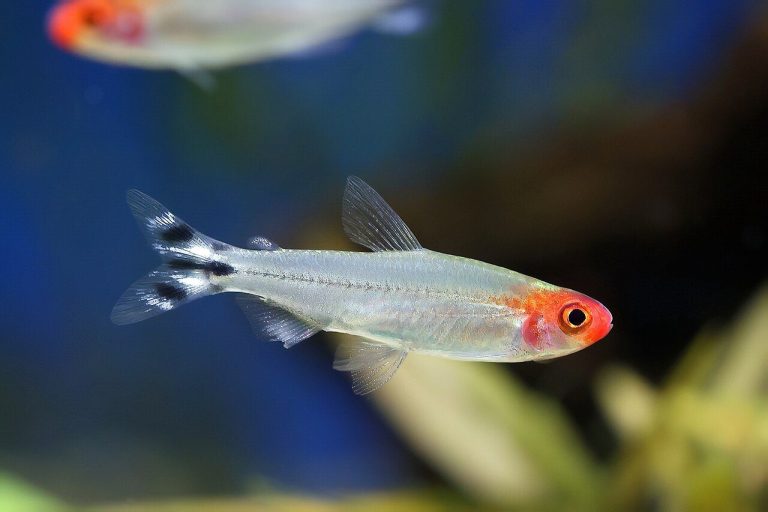
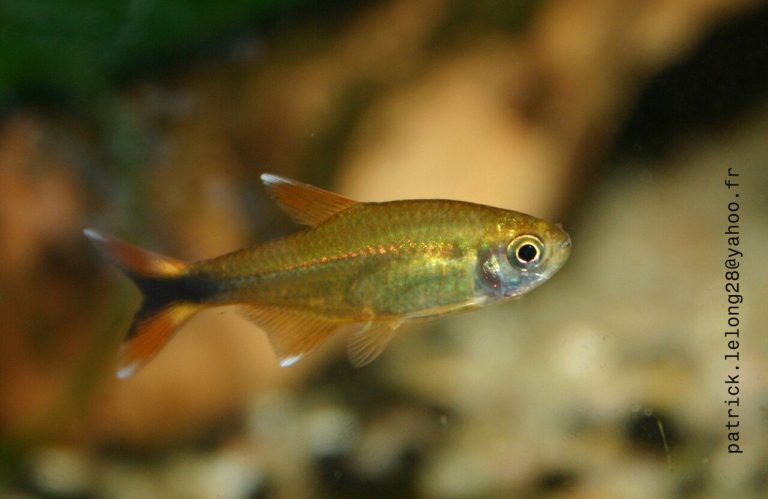
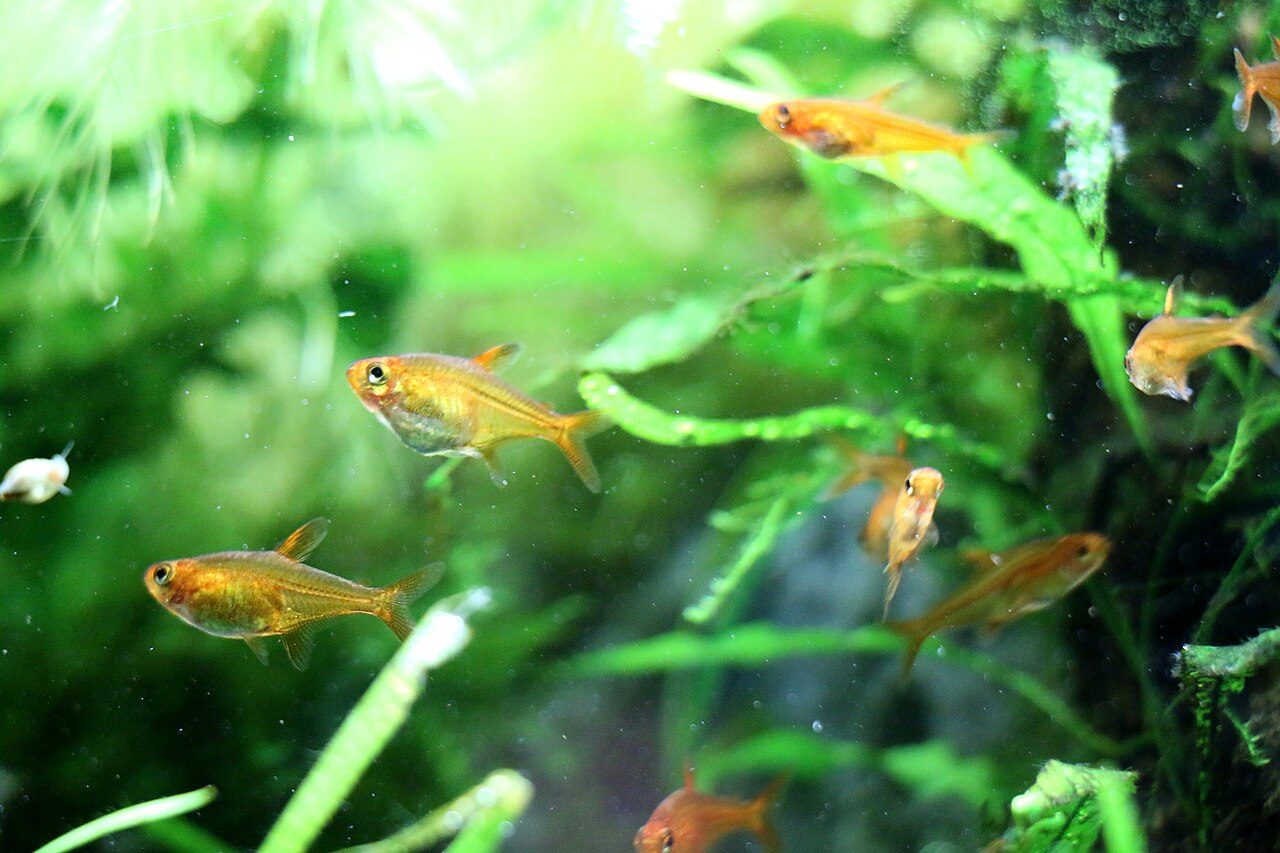
In my decade of experience, I have found that Hyphessobrycon amandae, commonly known as the Ember Tetra, is perhaps the best candidate for a cohabited space. Their fiery orange color provides a striking contrast against the green of live plants without the aggressive temperament of larger characins.
This guide will look closely at whether the ember tetra shrimp tank safe? question is a definitive yes and how you can optimize your setup for success. We will explore the nuances of behavior, water chemistry, and the essential role of aquatic mosses.
At a glance: Ember tetra (Hyphessobrycon amandae)
- Temperature
- 72–82°F (22–28°C)
- Water pH
- 5.0–7.0
- Adult size
- 0.8 in (2 cm)
- Minimum tank
- 10 gal
- Group size
- Groups of 8+
- Temperament
- Very peaceful
- Diet
- Micro-predator: crushed flakes, baby brine shrimp, micro pellets
- Lifespan
- 2–4 years
Keeper’s tip: Their colour deepens over dark substrate with plenty of plants and floating cover.
Understanding the Nature of Hyphessobrycon amandae
The Ember Tetra is a tiny powerhouse of color, rarely exceeding one inch in total length. This diminutive size is the primary reason why they are so often recommended for shrimp colonies.
Because their mouths are so small, they physically cannot consume an adult Cherry or Crystal shrimp. However, understanding their natural instincts is vital for maintaining a stress-free environment for your invertebrates.
Small Mouths and Limited Aggression
Ember Tetras are mid-to-top water dwellers, whereas most shrimp spend their time grazing on the substrate or climbing on driftwood. This natural separation of “living zones” helps minimize unwanted interactions.
In my experience, these fish are far more interested in schooling with each other than chasing after a shrimp. They are timid by nature and usually retreat if a large fan shrimp or even a bold Neocaridina approaches them.
The Schooling Dynamic
To keep these fish happy, you should always maintain a group of at least six to ten individuals. A lonely Ember Tetra is a stressed fish, and stress can sometimes lead to nipping or unusual hunting behaviors.
When kept in a proper school, they focus their energy on social hierarchies within their own species. This keeps their attention away from your shrimp colony and makes sure a peaceful atmosphere.
Pro Tip: If you notice your Ember Tetras acting skittish, try increasing the school size. A larger group provides a sense of security, which actually makes them less likely to “lash out” at smaller tank mates like shrimp.
The Reality of Micropredation in the Aquarium
When asking if the ember tetra shrimp tank safe? answer is absolute, we have to talk about micropredation. While adults are safe, newborn shrimplets are another story.
Almost any fish will eat something that fits in its mouth if it is hungry enough. A newly hatched shrimp is roughly the size of a grain of salt, making it a tempting target for any inquisitive tetra.
Survival of the Fittest
If your goal is to maximize the survival rate of every single shrimplet, a species-only tank is always the safest bet. However, in a heavily planted community tank, the impact of Ember Tetras on the population is usually negligible.
The shrimp that are fast enough and smart enough to hide will survive and grow. Over time, your shrimp colony will still grow, just perhaps at a slightly slower pace than in a dedicated breeding setup.
Natural Hunting Instincts
Ember Tetras are micro-predators by nature, meaning they hunt for tiny organisms like Infusoria and micro-crustaceans in the wild. They will naturally pick at the substrate or plants looking for a snack.
If you keep your fish well-fed with high-quality crushed flakes or baby brine shrimp, you can significantly reduce their desire to hunt your shrimplets. A full fish is a lazy hunter.
Success with this pairing depends heavily on the layout of your aquarium. You cannot simply throw them into a bare tank and expect the shrimp to stay healthy.
The key to a successful ember tetra nano tank is providing enough “micro-niches” where shrimp can retreat and feel secure. This involves a mix of hardscape and specific plant choices.
The Essential Role of Mosses
I cannot stress enough how important Taxiphyllum barbieri (Java Moss) is for a shrimp and fish community. Mosses create a dense, tangled forest that fish simply cannot penetrate.
This “safe zone” allows shrimplets to graze on biofilm in peace until they are large enough to be ignored by the fish. Other mosses like Christmas Moss or Flame Moss work equally well for this purpose.
Using Floating Plants for Security
Floating plants like Salvinia or Frogbit provide long, trailing roots that break up the line of sight. This makes the Ember Tetras feel more secure from “predators” above, which in turn reduces their stress levels.
When the fish feel safe, they are much less likely to be “flighty” or dart around the tank, which could otherwise spook your shrimp. It creates a calm, shaded environment that mimics their natural blackwater habitats.
| Feature | Benefit for Shrimp | Benefit for Ember Tetras |
|---|---|---|
| Dense Moss | Unbeatable hiding spot for shrimplets. | Harbors micro-foods like infusoria. |
| Driftwood | Surface area for biofilm growth. | Leaches tannins for natural water color. |
| Floating Plants | Reduces light intensity and stress. | Provides cover and mimics natural habitat. |
Matching Water Parameters for Both Species
One of the reasons why the ember tetra shrimp tank safe? question is so common is that both species share very similar water requirements. They both settle in in stable, clean water with a slight lean toward soft and acidic conditions.
However, shrimp have specific needs regarding minerals for molting. You must find a “sweet spot” that satisfies the fish’s respiratory needs and the shrimp’s skeletal needs.
Managing GH and KH
General Hardness (GH) and Carbonate Hardness (KH) are critical for shrimp health. If the water is too soft, shrimp may suffer from failed molts, often referred to as the “White Ring of Death.”
Ember Tetras are quite adaptable, but they prefer a GH between 3 and 10 dGH. Most Neocaridina shrimp flourish in a GH of 6 to 8, making this an easy overlap to achieve.
Temperature and Stability
Stability is more important than hitting a specific “perfect” number. Rapid fluctuations in temperature or pH can kill shrimp much faster than a hungry fish ever could.
I recommend keeping the tank around 75°F (24°C). This is a comfortable middle ground that keeps the tetras active and the shrimp breeding consistently.
| Parameter | Ideal Range for Both |
|---|---|
| Temperature | 73°F – 78°F (23°C – 26°C) |
| pH Level | 6.5 – 7.2 |
| GH (General Hardness) | 6 – 10 dGH |
| KH (Carbonate Hardness) | 2 – 5 dKH |
Feeding Strategies to Maintain Peace
How you feed your tank can determine whether your tetras go looking for shrimplets. A strategic feeding schedule helps make sure that the fish are satiated and the shrimp have plenty to eat.
I always suggest feeding the fish at the same time every day. This creates a routine where the tetras learn to wait for the “food from above” rather than scavenging the floor.
The Best Foods for Ember Tetras
Because they have tiny mouths, you should use high-quality micro-pellets or crushed flakes. Frozen foods like daphnia or cyclops are also excellent because they stay suspended in the water column.
If you provide variety, you make sure the fish get all the nutrients they need. When their nutritional needs are met, their predatory drive is naturally dampened.
Target Feeding Your Shrimp
To help your shrimp get their share, use sinking pellets or blanched vegetables like zucchini. I like to drop shrimp food into a specific “feeding dish” tucked away in a corner.
This keeps the organic waste in one spot and prevents the tetras from trying to steal the shrimp’s food. For more tips on overall care, you can check out our ember tetra care guide.
Pro Tip: Try feeding your Ember Tetras first. Once they are busy with their floating food, drop the sinking shrimp pellets into the back of the tank. This “distraction feeding” helps make sure both groups eat in peace.
Common Mistakes to Avoid
Even with the most peaceful fish, things can go wrong if the environment isn’t managed correctly. Over the years, I’ve seen a few recurring mistakes that lead to shrimp losses.
One major error is adding fish to a brand-new shrimp tank. It is always better to let the shrimp colony establish itself for 2-3 months before introducing any fish.
Introducing Fish Too Early
When you allow the shrimp to breed and establish “territories” first, they become much more confident. They will have already found the best hiding spots and will be less likely to panic when the tetras arrive.
A panicked shrimp that darts across open water is much more likely to trigger a chasing instinct in a fish. A calm shrimp that slowly grazes is usually ignored.
Inadequate Vegetation
A “minimalist” tank with only one or two plants is a recipe for disaster. Without sight breaks, the tetras will constantly see the shrimp, and the shrimp will constantly feel exposed.
Make sure at least 50% of your tank floor has some form of cover, whether it is plants, rocks, or wood. This creates a complex environment where interactions are minimized.
If you are looking for other compatible roommates, you might want to look into ember tetra tank mates that share these peaceful traits.
Frequently asked questions
Will Ember Tetras eat adult Cherry Shrimp?
No, adult Cherry Shrimp are too large for an Ember Tetra to eat. The fish might occasionally investigate them, but they cannot physically harm an adult.
Can I keep Ember Tetras with Crystal Red Shrimp?
Yes, but Crystal Red Shrimp (Caridina cf. cantonensis) are more sensitive to water parameters. You must make sure your water is stable and slightly acidic to keep both species healthy.
How many Ember Tetras can I put in a 10-gallon tank with shrimp?
A school of 8 to 12 Ember Tetras is perfect for a 10-gallon tank. This leaves plenty of “biological room” for a large colony of shrimp as well.
Do I need a heater for an Ember Tetra and shrimp tank?
Yes, while some shrimp can handle cooler temperatures, Ember Tetras are tropical fish and require a stable temperature between 73°F and 78°F to stay healthy and bright.
What should I do if I see my fish chasing shrimp?
Check your feeding frequency and the amount of cover in the tank. Usually, adding more moss or feeding an extra time per day will solve the issue immediately.
My final take
So, is the ember tetra shrimp tank safe? The answer is a resounding yes, with very few caveats. They are among the most peaceful, colorful, and appropriately sized fish for any shrimp enthusiast.
If you provide plenty of Taxiphyllum barbieri for cover and maintaining stable water parameters, you can enjoy the best of both worlds. The sight of a bright orange school of tetras hovering over a carpet of red shrimp is one of the most beautiful scenes in the hobby.
Remember to start with a well-cycled tank and introduce your shrimp first. For more information on keeping these colorful fish, read our guide on ember tetras for beginners to help your nano showpiece is a success.
With a little patience and the right setup, your Ember Tetras and shrimp will live in perfect harmony for years to come.
- 2003First tank
- 20+Years keeping
- 40+Tanks kept
- 0Sponsored picks
Howard set up his first 10-gallon planted tank in 2003 and lost half of it within six weeks. Two decades and more than forty aquariums later, he writes the guides he wished he had then: clear numbers, the reasons behind them, and what actually goes wrong in home tanks.