Red Fin Tetra – Care
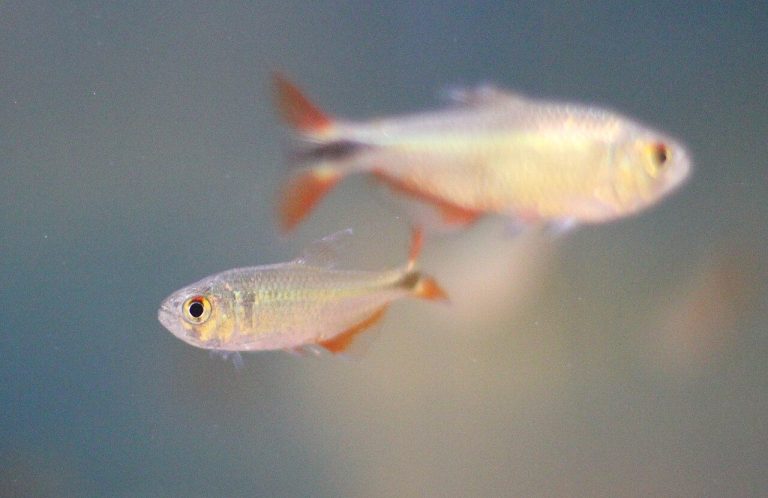
The red fin tetra (Aphyocharax anisitsi) is a hardy, energetic schooling fish characterized by its shimmering silver body and striking blood-red fins. Perfect for beginners, they require a group of six or more to stay healthy.
Few fish bring as much life and movement to a mid-sized aquarium as the red fin tetra. Over my ten years of maintaining South American community tanks, I have found these fish to be among the most resilient and satisfying species for hobbyists of all levels.
Known scientifically as Aphyocharax anisitsi, these fish are often referred to as Bloodfin Tetras due to their vivid coloration. They offer a unique combination of hardiness and activity that makes them stand out even in crowded community setups.
In this guide, I will share everything I have learned about keeping these shimmering gems healthy. From mimicking their natural habitat to managing their occasional nippy behavior, we will cover every detail you need for success.
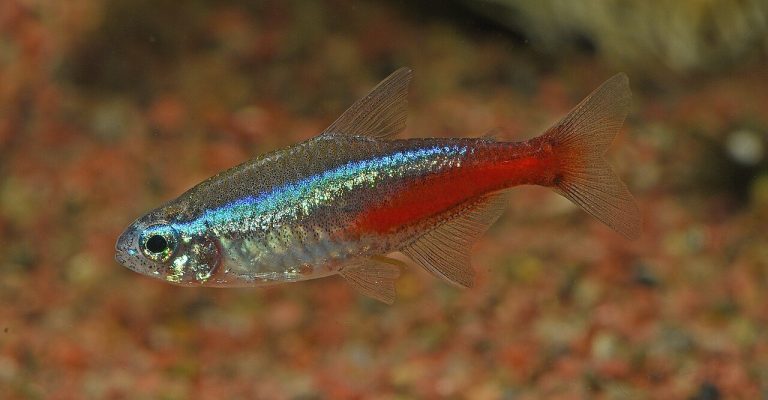
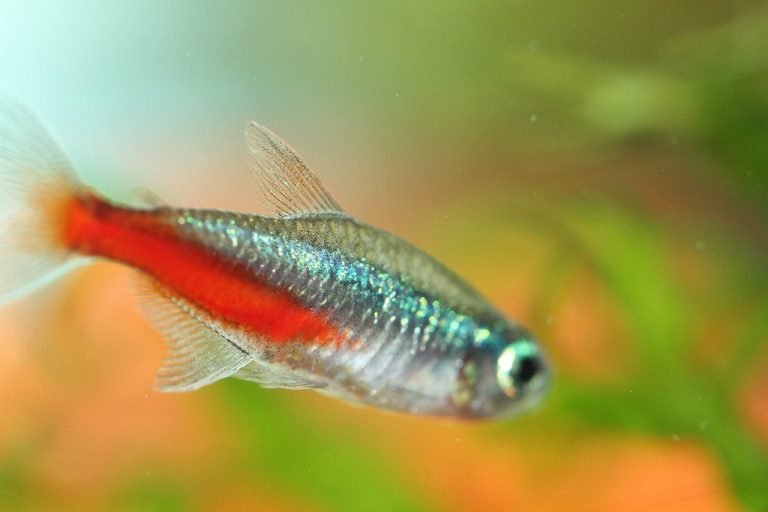
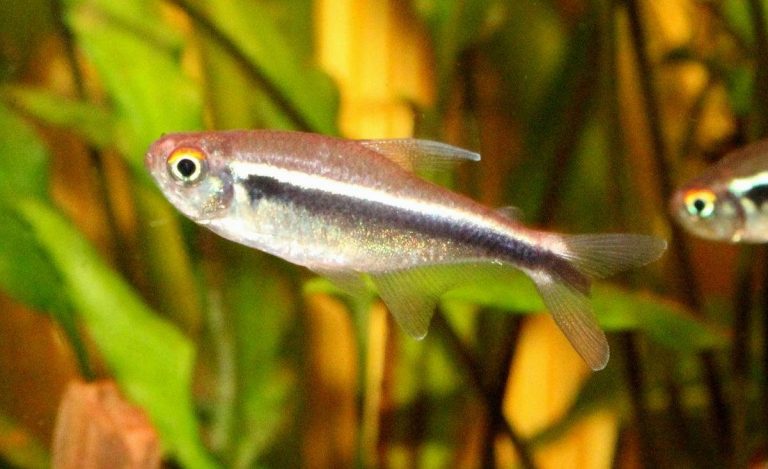
At a glance: Tetras (general) (Family Characidae and relatives)
- Temperature
- 72–80°F (22–27°C) for most species
- Water pH
- 6.0–7.5 for most species
- Adult size
- 1–3 in (2.5–8 cm)
- Minimum tank
- 10–30 gal depending on species
- Group size
- Groups of 6–10+
- Temperament
- Mostly peaceful schooling fish
- Diet
- Omnivores: quality flakes or micro pellets plus frozen foods
- Lifespan
- 3–8 years
Keeper’s tip: Schooling size matters more than tank size for most tetras: small groups hide, nip and stress.
Understanding the Red Fin Tetra: Origin and Characteristics
The red fin tetra belongs to the family Characidae, a massive group of fish that includes some of the most popular species in the hobby. They hail from the Paraná River basin in South America, where they inhabit various water types, from slow-moving streams to larger river channels.
In my experience, understanding their origin is key to their care. Unlike many other tetras that demand very soft, acidic water, these fish are surprisingly adaptable to a wide range of conditions because of the diverse environments in their native range.
Physically, they possess a sleek, torpedo-shaped body that is primarily silver with a blue or green iridescent sheen. The most defining feature is the brilliant red on their caudal, anal, and dorsal fins, along with a clearly visible adipose fin located just before the tail.
Pro Tip: When selecting your fish at the store, look for individuals with deep red fins and active swimming patterns. Pale fins often indicate stress or poor water quality in the transport bags.
| Attribute | Details |
|---|---|
| Scientific Name | Aphyocharax anisitsi |
| Common Name | Red Fin Tetra, Bloodfin Tetra |
| Adult Size | 2.0 to 2.2 inches (5 cm) |
| Life Expectancy | 5 to 8 years |
| Social Structure | Shoaling (6+ individuals) |
Ideal Tank Setup for Red Fin Tetras
Setting up a home for the red fin tetra requires a focus on swimming space and water movement. Because they are such active swimmers, they need more lateral room than their small size might initially suggest.
I always recommend a minimum of a 20-gallon “long” tank for a school of these fish. While they can survive in smaller volumes, you won’t see their natural shoaling behavior unless they have room to dart back and forth.
Choosing the right tetra tank size is the first step toward a healthy environment. A longer tank allows them to reach full speed, which is essential for their physical health and stress reduction.
Aquascaping and Plants
In their natural habitat, these fish often hide among submerged roots and overhanging vegetation. In the aquarium, I’ve noticed they prefer a well-planted background with plenty of open space in the foreground for swimming.
Tall plants like Vallisneria or Amazon Swords work beautifully to provide cover. Floating plants are also a great addition, as they diffuse the light and make the fish feel more secure, which often results in deeper red coloration.
Darker substrates, such as black sand or fine gravel, really make the silver and red of the red fin tetra pop. It mimics the detritus-heavy floor of the Paraná River basin and helps the fish feel less exposed.
Filtration and Water Movement
These tetras appreciate a moderate current. A high-quality power filter or a canister filter will provide the necessary oxygenation and mimic the gentle flow of their native streams.
If your water is naturally very hard, you might consider using peat filtration. Adding peat to your filter media can help gently lower the pH and add beneficial humic acids, creating a more “blackwater” feel that many South American species love.
Water Parameters and Environmental Needs
One of the reasons I often suggest this species to beginners is their tolerance for cooler temperatures. Unlike many tropical fish that require a steady 78°F, the red fin tetra can comfortably live in unheated tanks in warmer homes.
They are quite hardy regarding carbonate hardness as well. While they prefer slightly soft to neutral water, they can adapt to moderately hard water much better than delicate species like the Neon Tetra.
| Parameter | Ideal Range |
|---|---|
| Temperature | 64°F to 82°F (18°C – 28°C) |
| pH Level | 6.0 to 8.0 |
| Water Hardness | 2 to 15 dGH |
| Ammonia / Nitrite | 0 ppm |
| Nitrate | < 20 ppm |
Consistency is always more important than chasing a “perfect” number. If your pH is stable at 7.5, it is better to leave it there than to use chemicals to force it down to 6.8, which can cause dangerous swings.
Diet and Nutritional Requirements
Feeding the red fin tetra is straightforward because they are enthusiastic omnivores. In the wild, they consume a variety of small insects, crustaceans, and plant matter.
In the home aquarium, a high-quality flake or micro-pellet should form the base of their diet. However, to see their best colors and support long-term health, variety is essential.
I have found that supplementing their diet with live or frozen foods makes a massive difference. They particularly enjoy Daphnia pulex, brine shrimp, and bloodworms.
Pro Tip: These fish are “top to middle” feeders. They rarely scavenge food from the substrate, so help you feed small amounts that stay suspended in the water column long enough for them to catch.
| Food Type | Frequency |
|---|---|
| High-Quality Flakes | Daily Base |
| Frozen Brine Shrimp | 2-3 times per week |
| Live Daphnia pulex | Once per week (Great for conditioning) |
| Blanched Spinach | Occasionally (For vegetable matter) |
The red fin tetra is a social species that must be kept in groups. When kept alone or in pairs, they become incredibly stressed, which weakens their immune system and leads to hiding.
I recommend a group of at least six, but eight to ten is even better. In larger groups, they exhibit interesting shoaling behavior, moving as a single shimmering unit across the tank.
It is important to note that they can be “fin nippers” if they are bored or kept in too small a group. If you keep a larger school, they tend to direct their energy toward each other in harmless chasing rather than bothering other fish.
When looking for peaceful tetras to pair with them, avoid fish with long, flowing fins like Bettas or Fancy Guppies. Instead, choose active companions like Corydoras, Rasboras, or other solid tetras.
If you are looking for more variety, exploring different tetras for your aquarium can help you find species that occupy different levels of the tank, creating a balanced and visually striking community.
Common Diseases and Health Management
While the red fin tetra is hardy, they are not invincible. Like most freshwater fish, they are susceptible to common pathogens if water quality drops or if they are stressed by aggressive tank mates.
One of the most common issues is Ichthyophthirius multifiliis, commonly known as “Ich” or white spot disease. This parasite presents as small white grains on the body and fins.
Another concern is Columnaris, a bacterial infection that often looks like cottony patches around the mouth or on the scales. This is usually triggered by high organic waste or sudden temperature fluctuations.
Disease Prevention
Prevention is always easier than cure. Maintain a strict water change schedule—usually 25% to 30% weekly—to keep nitrate levels low and provide fresh minerals.
Always quarantine new additions for at least two weeks. This prevents the introduction of Ichthyophthirius multifiliis or other pathogens into your established display tank.
If you do notice signs of illness, increase the aeration in the tank immediately. Many medications reduce the dissolved oxygen in the water, and active fish like these need plenty of air to recover.
Breeding the Red Fin Tetra
Breeding these fish is a satisfying challenge for intermediate keepers. They are egg-scatterers, meaning they do not provide any parental care and will actually eat their own eggs if given the chance.
To succeed, you will need a separate breeding tank. Use a 10-gallon tank with a mesh bottom or a thick layer of marbles so the eggs can fall through and stay safe from the hungry parents.
Soft water and a slightly higher temperature (around 80°F) often trigger spawning. Condition the parents for a week with live foods like Daphnia before moving them to the breeding setup.
Once the eggs are laid—usually among fine-leafed plants like Java Moss—remove the adults immediately. The fry will hatch in about 24 to 36 hours and will need infusoria or liquid fry food once they become free-swimming.
Reader questions
How many red fin tetras should be kept together?
You should keep a minimum of six. However, keeping ten or more significantly reduces aggression and encourages much more natural swimming patterns.
Can red fin tetras live with shrimp?
They can generally live with larger shrimp like Amano shrimp. However, they may hunt and eat smaller Neocaridina (Cherry shrimp) babies, so provide plenty of moss for hiding.
Do red fin tetras need a heater?
If your home stays consistently above 65°F, they can live without one. However, a heater is recommended to prevent sudden temperature drops, which can lead to stress and disease.
Why are my red fin tetras losing their color?
Loss of color is usually a sign of stress, poor diet, or low water quality. Check your ammonia and nitrate levels and make sure you are feeding a variety of high-quality foods.
Before you go
The red fin tetra remains one of my favorite recommendations for anyone looking to add a splash of color and energy to their tank. Their resilience makes them forgiving for those still learning the ropes, while their active nature keeps even veteran aquarists entertained.
If you provide a spacious tank, a varied diet including foods like Daphnia, and a large enough school to satisfy their social needs, you will enjoy these fish for many years. Success in fish keeping comes from observation and consistency.
Whether you are setting up your first 20-gallon community or looking for a hardy species to fill out a larger display, Aphyocharax anisitsi is a choice you won’t regret. Their shimmering silver and blood-red fins bring a piece of the South American rivers right into your living room.

- 2003First tank
- 20+Years keeping
- 40+Tanks kept
- 0Sponsored picks
Howard set up his first 10-gallon planted tank in 2003 and lost half of it within six weeks. Two decades and more than forty aquariums later, he writes the guides he wished he had then: clear numbers, the reasons behind them, and what actually goes wrong in home tanks.