Aquarium Fish Tetras – Care Guide
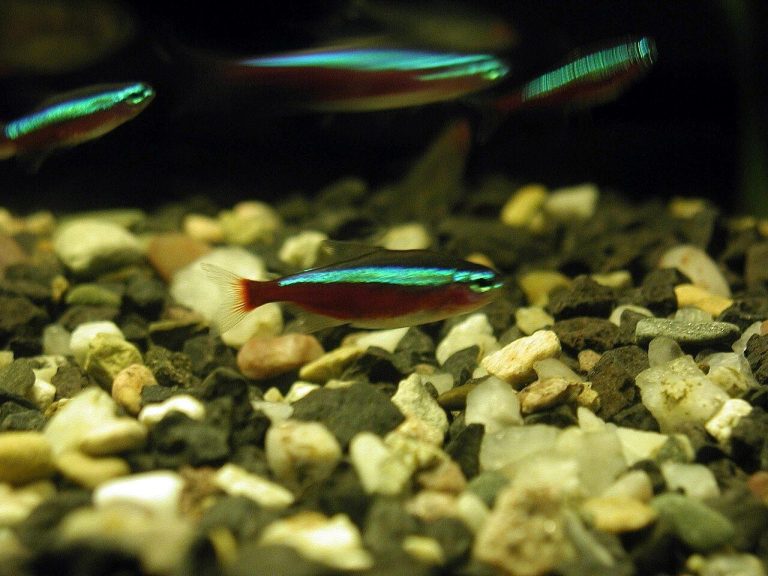
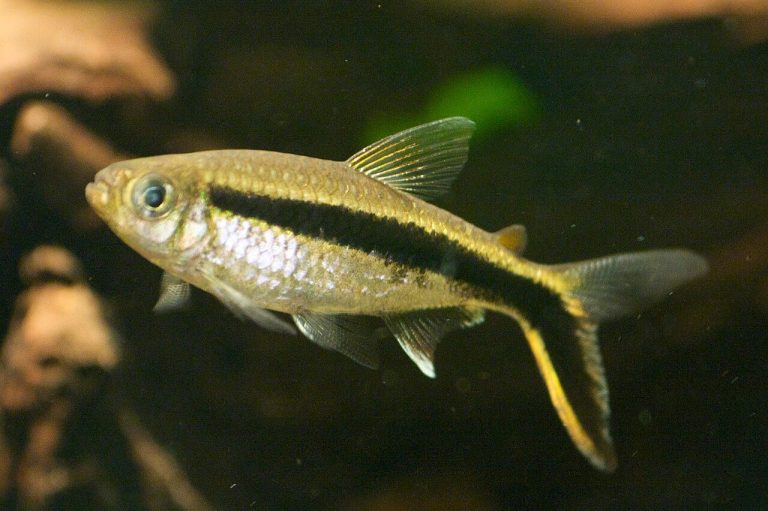
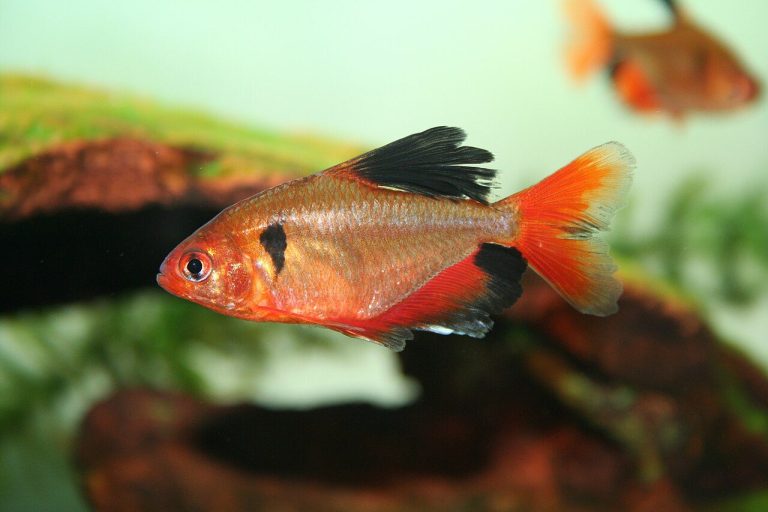
Aquarium fish tetras are small, schooling freshwater species from the Characidae family, known for their bright colors and active nature. They do well in well-maintained tanks with stable water parameters, soft water, and peaceful tank mates.
When I first started my journey in the hobby over a decade ago, the sheer variety of aquarium fish tetras was what hooked me. These small, energetic gems bring a sense of motion and life to a tank that few other species can replicate.
Whether you are looking for the iconic neon glow or the sophisticated shimmer of larger species, understanding their unique needs is the biggest factor. In this guide, I will share the hard-won lessons I have learned while maintaining dozens of tetra-focused displays.
From managing water chemistry to selecting the right companions, we will cover everything you need to make sure your school remains healthy and colorful for years to come. Let’s look at the interesting world of these South American and African favorites.
At a glance: Tetras (general) (Family Characidae and relatives)
- Temperature
- 72–80°F (22–27°C) for most species
- Water pH
- 6.0–7.5 for most species
- Adult size
- 1–3 in (2.5–8 cm)
- Minimum tank
- 10–30 gal depending on species
- Group size
- Groups of 6–10+
- Temperament
- Mostly peaceful schooling fish
- Diet
- Omnivores: quality flakes or micro pellets plus frozen foods
- Lifespan
- 3–8 years
Keeper’s tip: Schooling size matters more than tank size for most tetras: small groups hide, nip and stress.
Understanding the Characidae Family and Tetra Origins
Most aquarium fish tetras belong to the family Characidae, a massive group of fish primarily found in the river systems of South America and Africa. They are characterized by the presence of a small adipose fin, located between the dorsal and caudal fins.
In the wild, these fish often inhabit slow-moving rivers and forest streams where the water is stained tea-color by fallen leaves. This environment, known as a Blackwater biotope, is rich in humic substances that provide natural protection against bacteria.
I have found that replicating these conditions leads to much better color expression and overall health in most species. When you provide an environment that mimics their ancestral home, their natural shoaling behavior becomes much more pronounced and rhythmic.
Selecting the Right Aquarium Fish Tetras for Your Tank
Choosing the right species depends heavily on your tank size and your experience level with water chemistry management. Some species are incredibly hardy, while others require very specific, stable parameters to avoid stress.
In my experience, it is always better to start with a slightly larger group of a single species rather than mixing small numbers of many different kinds. This reduces stress and allows the fish to establish their natural social hierarchy within the school.
Below is a comparison table of some of the most popular species to help you decide which is right for your current setup.
| Common Name | Scientific Name | Max Size | Difficulty Level |
|---|---|---|---|
| Neon Tetra | Paracheirodon innesi | 1.5 Inches | Beginner |
| Cardinal Tetra | Paracheirodon axelrodi | 2 Inches | Intermediate |
| Rummy Nose | Hemigrammus bleheri | 2.5 Inches | Intermediate |
| Ember Tetra | Hyphessobrycon amandae | 0.8 Inches | Beginner |
Pro Tip: If you are a beginner, I highly recommend starting with a group of at least 10 to 12 fish. Many keepers make the mistake of buying only 3 or 4, which often leads to “shyness” and increased susceptibility to disease due to social stress.
Creating the Ideal Habitat and Water Conditions
To keep your aquarium fish tetras flourishing, you must pay close attention to the chemical composition of your water. Most species prefer soft, slightly acidic water with a low carbonate hardness (KH).
I have noticed that using peat filtration or adding Indian Almond leaves can help lower pH naturally while releasing beneficial tannins. These tannins create a soothing environment that mimics the natural floodplains where these fish originate.
Temperature stability is equally important, as sudden fluctuations can weaken their immune systems. Aim for a consistent range between 72°F and 80°F, depending on the specific species you are keeping in your community.
Lighting and Substrate
Tetras generally prefer dimmed lighting, which helps their iridescent colors pop against the background. In my experience, a dark substrate combined with plenty of floating plants provides the security they need to swim in the open.
When the lighting is too bright, you might see your school hiding in the corners or behind driftwood. Providing “dappled” light through the use of tall plants creates a much more natural and comfortable setting for them.
Filtration and Flow
While tetras enjoy a bit of current, they are not strong swimmers compared to river-dwelling species like danios. Help your filter provides excellent biological filtration without creating a “whirlpool” effect that exhausts the fish.
Dietary Requirements for Bright Colors
Feeding your aquarium fish tetras a varied diet is the fastest way to bring out their natural brilliance. In the wild, they are opportunistic omnivores, feeding on small insects, larvae, and plant matter.
I always suggest using a high-quality micro-pellet or flake as the daily staple. You should look for foods that contain natural color enhancers like spirulina or astaxanthin to keep those reds and blues looking sharp.
To really see them stay healthy, supplement their diet with frozen or live foods once or twice a week. Brine shrimp, daphnia, and bloodworms are all excellent choices that provide the protein needed for growth and energy.
Common Mistake: Avoid overfeeding, as tetras have very small stomachs. Any uneaten food will quickly rot and spike your ammonia levels, which can be fatal for sensitive species like the Rummy Nose.
If you are looking for specific recommendations, you can check out our guide on the best fish food for tetras. Providing the right nutrition is a fundamental pillar of long-term health.
Health Challenges and Disease Prevention
One of the most common issues keepers face is Pleistophora hyphessobryconis, commonly known as Neon Tetra Disease. This condition is often introduced through new, unquarantined fish and can be devastating to a school.
Symptoms include a loss of color, cysts on the body, and difficulty swimming. Unfortunately, there is no known cure for this specific parasite, which is why a strict quarantine period for new arrivals is non-negotiable.
Maintaining high water quality is your best defense against most common ailments like Ich or velvet. Regular water changes and monitoring for stress signs will help you catch problems before they become tank-wide epidemics.
You can learn more about identifying these issues in our detailed article on neon tetra fish care. Early intervention is always the key to saving a sick fish.
The beauty of aquarium fish tetras lies in their social interactions. They are not schooling fish in the strictest sense, but rather “shoalers” who stay together for safety and social stimulation.
When selecting tank mates, always choose peaceful species that occupy different levels of the aquarium. Bottom dwellers like Corydoras catfish or small species of shrimp make excellent companions because they do not compete for the same space.
Avoid keeping them with large or aggressive fish like oscars or large cichlids, who will quickly view your small tetras as a snack. Even smaller semi-aggressive fish like certain barbs can nip at the delicate fins of your tetras.
If you are interested in a specific variety, I recommend reading about the different kinds of tetra fish to see which ones match your current livestock. Diversity is great, but compatibility is what keeps the peace.
The Art of Aquascaping for Tetra Displays
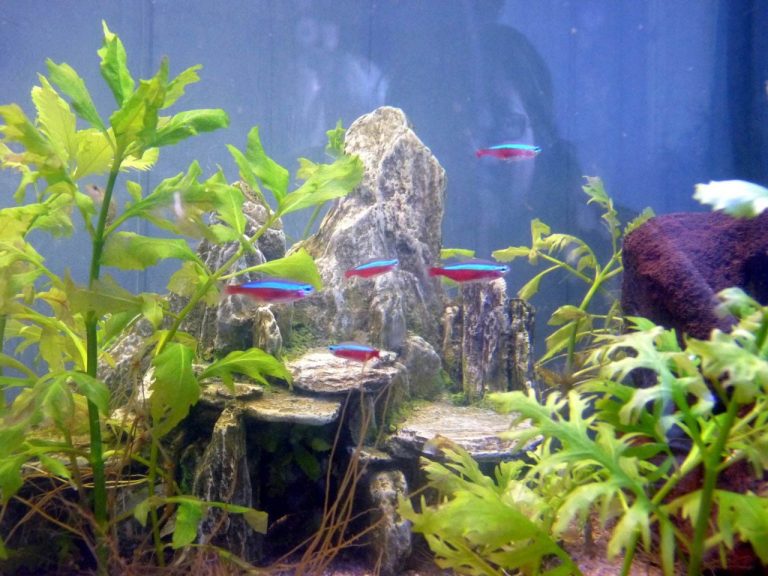
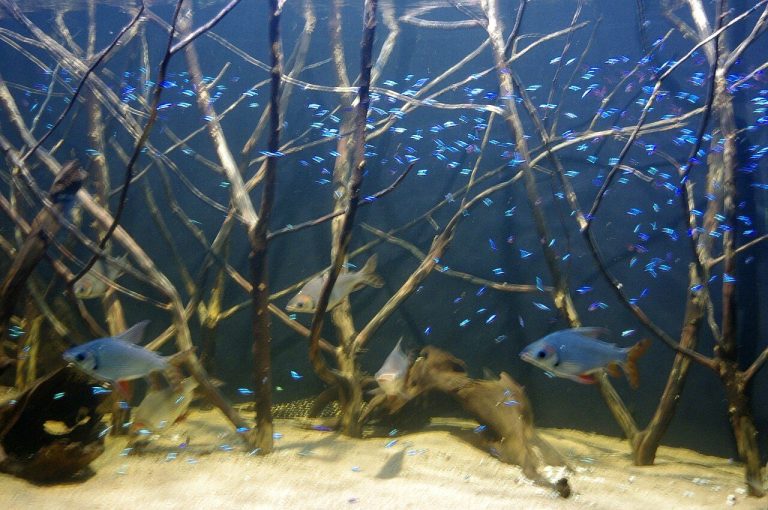
Designing a tank specifically for tetras is a rewarding creative challenge. I have found that a “heavy” aquascape with lots of driftwood and rocks provides the visual barriers these fish need to feel secure.
Using plants like Java Fern, Anubias, and various Cryptocoryne species works well because they settle in in the lower light conditions tetras prefer. These plants also provide hiding spots for any fish that might be feeling bullied or overwhelmed.
The goal is to create a balance between open swimming space in the center and dense cover along the perimeter. This encourages the school to move back and forth across the tank, giving you the best viewing experience.
A few common questions About Aquarium Fish Tetras
How many tetras should be kept together?
You should aim for a minimum of 6 to 8 fish of the same species. However, in my experience, a group of 10 to 15 is much better for reducing stress and encouraging natural behavior.
Can tetras live in tap water?
Yes, most common tetras can adapt to tap water as long as it is properly conditioned to remove chlorine and chloramine. However, if your tap water is extremely hard, you may need to mix it with RO (Reverse Osmosis) water.
Why are my tetras losing their color at night?
This is a perfectly normal survival mechanism. Many tetras “turn off” their bright colors when they sleep to avoid being spotted by predators in the dark; their color should return within minutes of the lights turning on.
Do tetras need a heater?
Absolutely. Most tetras are tropical fish and require a stable temperature between 75°F and 80°F. Keeping them in unheated tanks can lead to a suppressed immune system and shortened lifespan.
How long do aquarium fish tetras typically live?
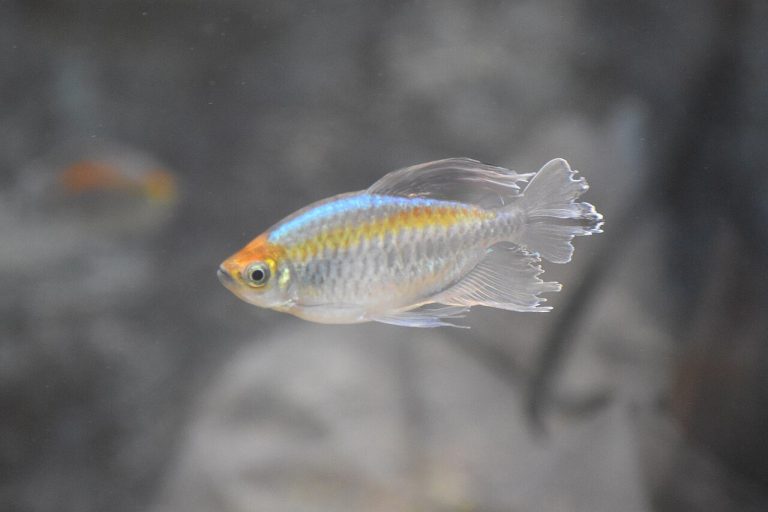
Looked after properly, most small tetra species live between 3 and 5 years. Some larger species, like Congo tetras or Bleeding Heart tetras, can live even longer if kept in ideal conditions.
In short
Keeping aquarium fish tetras is one of the most rewarding aspects of the freshwater hobby. Their rich colors, active personalities, and remarkable social structures make them a centerpiece of any well-maintained community tank.
If you focus on stable water parameters, a high-quality diet, and a stress-free environment, you can enjoy these “living jewels” for many years. Remember that patience is your best friend when setting up a new school.
I hope this guide has given you the confidence to expand your collection or start your very first tetra display. Whether you choose the classic neon or a rare wild-type species, the effort you put into their care will be reflected in their eye-catching brilliance.

- 2003First tank
- 20+Years keeping
- 40+Tanks kept
- 0Sponsored picks
Howard set up his first 10-gallon planted tank in 2003 and lost half of it within six weeks. Two decades and more than forty aquariums later, he writes the guides he wished he had then: clear numbers, the reasons behind them, and what actually goes wrong in home tanks.