Buenos Aires Tetra With Betta Fish – The Ultimate Guide
Keeping a Buenos Aires Tetra with betta fish is generally risky because these tetras are notorious fin-nippers that may harass a slow-moving betta. Success requires a large, heavily planted tank and careful monitoring of social dynamics.
One of the most common questions I get from hobbyists looking to spice up their community tank is whether they can house the hardy Buenos Aires Tetra with betta fish. On the surface, it seems like a great match because both species are eye-catching and relatively easy to care for in a home aquarium.
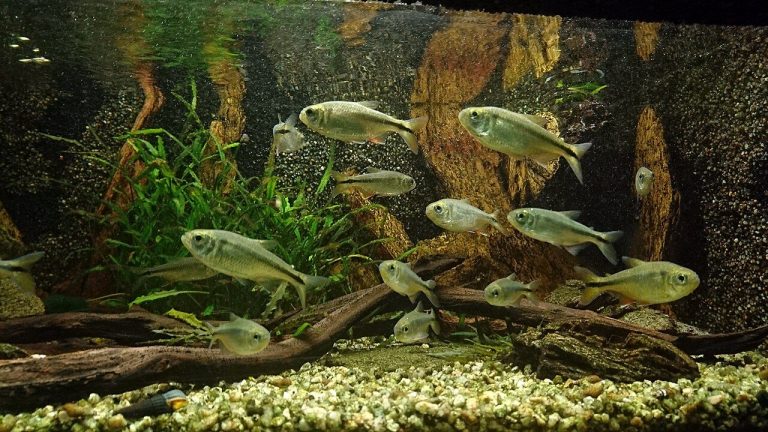
However, after over a decade of maintaining various community setups, I have learned that “easy” does not always mean “compatible.” The Hyphessobrycon anisitsi, or Buenos Aires Tetra, is a powerhouse of energy that belongs to the Characidae family.
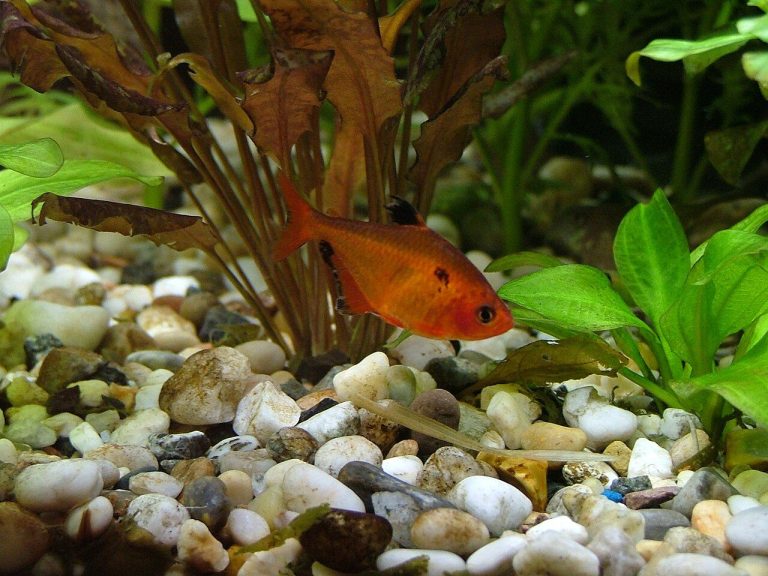
In contrast, the Betta splendens is a member of the Osphronemidae family, known for its flowing fins and unique labyrinth organ. Combining these two requires a deep understanding of their biological needs and temperaments to avoid a disaster in your glass box.
At a glance: Buenos Aires tetra (Psalidodon anisitsi)
- Temperature
- 64–82°F (18–28°C)
- Water pH
- 5.8–8.5
- Adult size
- 2.75 in (7 cm)
- Minimum tank
- 30 gal
- Group size
- Groups of 6+
- Temperament
- Boisterous, eats soft plants
- Diet
- Omnivore with a plant appetite: flakes, pellets, blanched greens
- Lifespan
- 5 years
Keeper’s tip: They will strip soft-leaved plants, so use tough species like java fern and anubias.
Understanding the Buenos Aires Tetra with betta fish Compatibility
When we talk about keeping a Buenos Aires Tetra with betta fish, we are essentially trying to balance a high-speed athlete with a slow-moving aristocrat. In my experience, the biggest hurdle is the tetra’s natural instinct to nip at anything long and flowing.
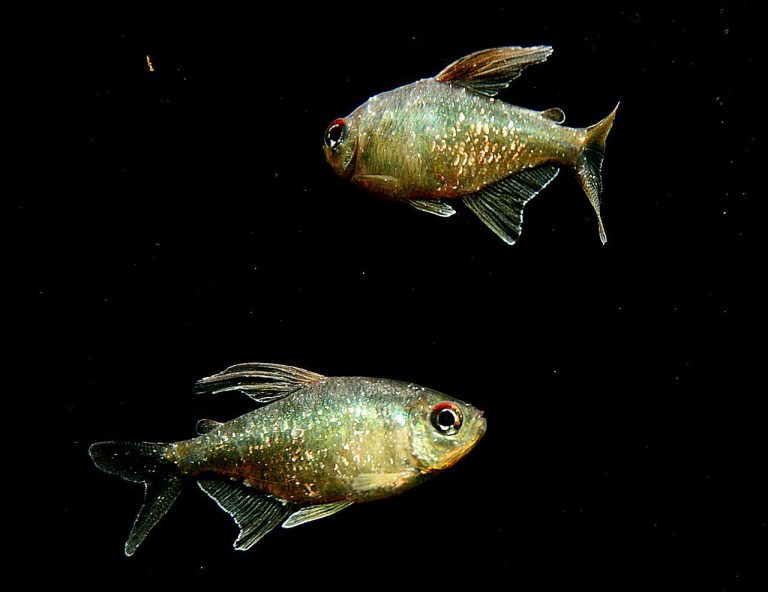
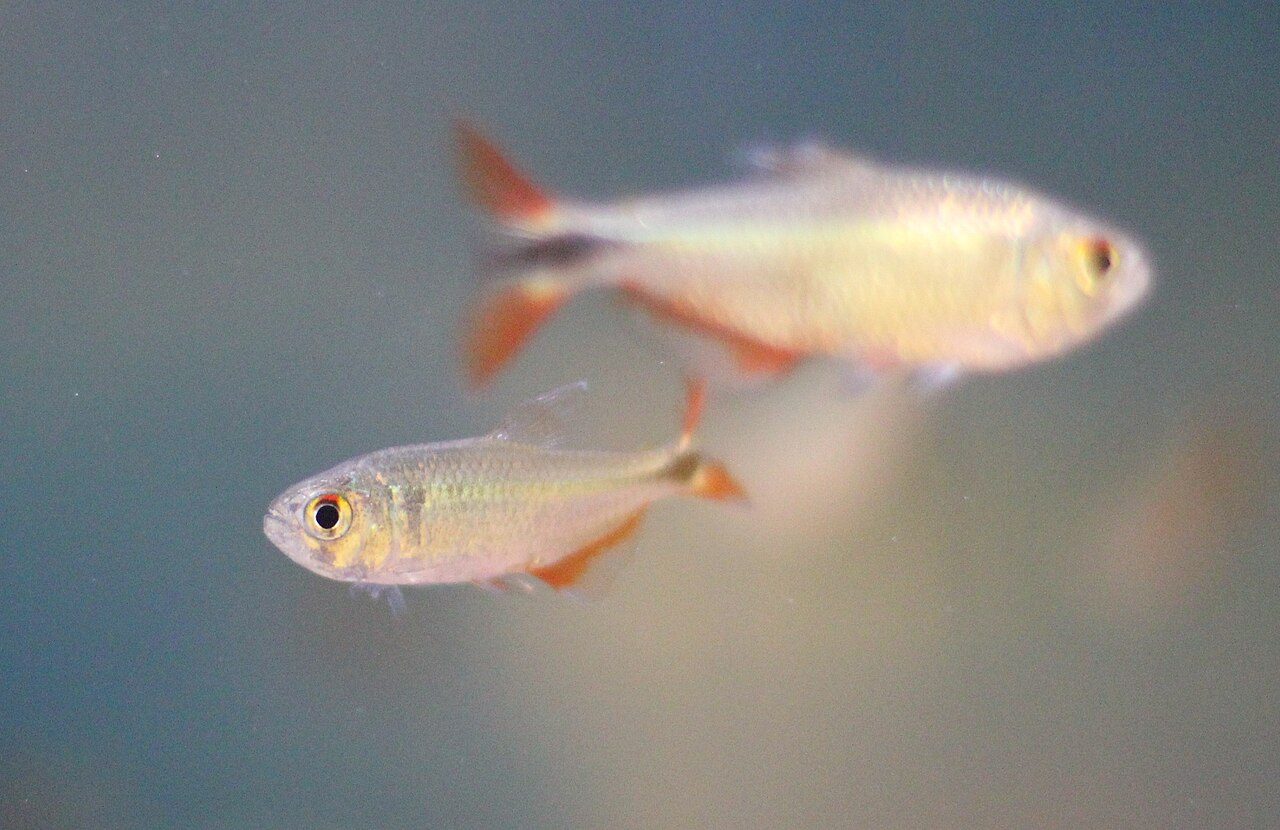
Buenos Aires Tetras are significantly more boisterous than your average Neon or Glowlight Tetra. They are fast, they are hungry, and they can be quite assertive when they aren’t kept in a large enough group.
Bettas, while often called “fighting fish,” are actually quite vulnerable in a community setting. Their long, ornamental fins make them a prime target for fin nipping, which can lead to chronic stress and secondary infections.
Pro Tip: If you are determined to try this combination, always introduce the betta to the tank last. This prevents the betta from establishing the entire aquarium as its territory, which can reduce initial interspecific aggression.
To understand if this pairing can work for you, we must look at the specific environmental requirements for both species. While they can overlap, the “sweet spot” for a shared environment is narrower than you might think.
Water Parameter Comparison
I’ve found that many beginners ignore the nuances of water chemistry, but for these two species, it is vital. The following table highlights the ideal ranges for a shared environment.
| Parameter | Buenos Aires Tetra | Betta Fish | Community Ideal |
|---|---|---|---|
| Temperature | 64°F – 82°F | 75°F – 80°F | 78°F |
| pH Level | 6.0 – 8.5 | 6.5 – 7.5 | 7.0 |
| Hardness (dGH) | Up to 30 dGH | 3 – 10 dGH | 8 dGH |
As you can see, the Buenos Aires Tetra is incredibly hardy and can tolerate a wide range of conditions. However, the betta is more sensitive, particularly to water hardness and temperature fluctuations.
The Risk of Fin Nipping and Physical Trauma
One of the most significant concerns when housing a Buenos Aires Tetra with betta fish is the physical safety of the betta. In my early years of fish keeping, I witnessed how quickly a school of tetras could shred a betta’s fins.
The Buenos Aires Tetra is a semi-aggressive species that uses its mouth to explore its surroundings. When they see the majestic, trailing fins of a betta, they often mistake them for food or simply a target for play.
Once fin nipping begins, it rarely stops on its own. The resulting open wounds on the betta’s fins are a gateway for bacteria and fungi, often leading to fin rot.
If you notice your betta hiding constantly or its fins appearing “ragged,” you must intervene immediately. Leaving them together once aggression has started is a recipe for losing your fish.
Designing a Tank for Peace and Harmony
If you want to maximize your chances of success, you cannot simply throw these fish into a bare tank. The layout of the aquarium is the most important factor in managing interspecific aggression.
You need to provide plenty of visual barriers. This means using tall plants, large pieces of driftwood, and rock formations that break up the line of sight across the tank.
If the betta can retreat to a quiet, shaded corner where the tetras cannot see it, the stress levels will drop significantly. I’ve found that floating plants are particularly helpful for bettas, as they provide cover near the surface.
Bettas need to breathe atmospheric air using their labyrinth organ. Keep there are clear paths to the surface that aren’t constantly patrolled by the active tetras.
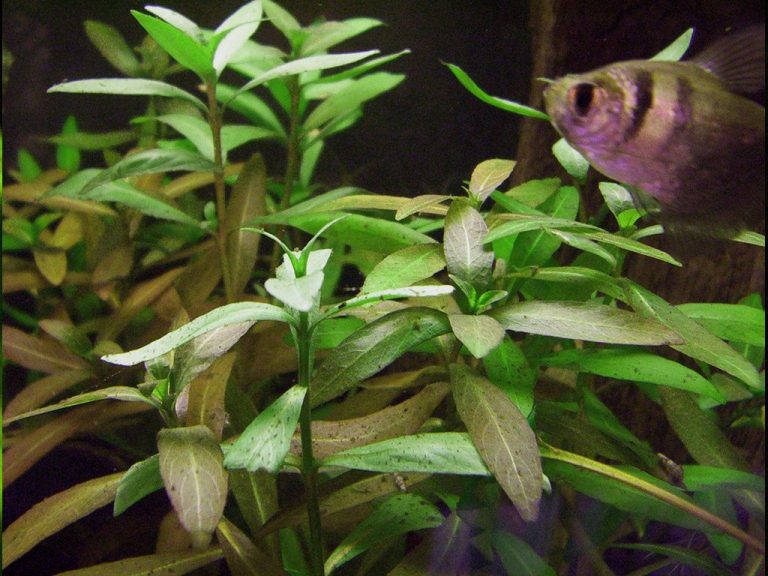
Pro Tip: Use silk plants or very hardy live plants like Anubias or Java Fern. Buenos Aires Tetras are notorious for eating soft-leaved live plants, which can ruin your carefully designed aquascape.
When selecting suitable companions for your aquarium, always consider the swimming level of each species. Tetras usually occupy the middle of the tank, while bettas prefer the top and bottom.
The Importance of School Size for Tetras
A common mistake I see is keeping only two or three Buenos Aires Tetras. This is a schooling species that needs a group of at least 6 to 8 individuals to feel secure.
When kept in small numbers, their anxiety increases, and they are much more likely to lash out at tank mates. In a larger school, they tend to focus their energy on each other, performing “mock chases” within the group.
If you provide a large enough school, you effectively distract the tetras from the betta. However, a larger school requires a larger tank to maintain water quality and swimming space.
I would never recommend keeping this combination in anything smaller than a 30-gallon long tank. This provides enough horizontal space for the tetras to zoom around without constantly bumping into the betta’s territory.
For more information on providing the right environment, you can check out our proper care requirements guide. It covers everything from filtration to lighting needs for this specific species.
Feeding Strategies to Reduce Aggression
Food is often a trigger for conflict in a community tank. Buenos Aires Tetras are aggressive eaters and will often reach the food long before the slow-moving betta has a chance to react.
If the betta is consistently outcompeted for food, it will become weak and more susceptible to disease. To prevent this, I use a method called “target feeding.”
I distract the tetras on one side of the tank with high-quality flake food or pellets. While they are busy in a feeding frenzy, I use a pair of long tweezers or a pipette to deliver food directly to the betta on the other side.
Ensuring everyone is well-fed reduces the likelihood of the tetras nipping at the betta out of hunger. A varied diet of frozen bloodworms, brine shrimp, and high-protein pellets works best for both.
You can learn more about the best nutritional choices in our guide on feeding a mixed community. Proper nutrition is the foundation of a healthy immune system for your aquatic pets.
Signs of Stress and When to Separate
Monitoring your fish daily is non-negotiable when keeping a Buenos Aires Tetra with betta fish. You need to be an expert at reading their body language.
A stressed betta will often show “stress stripes”—horizontal dark lines running along its body. It may also tuck its fins close to its body or hide behind the filter intake for hours.
On the other hand, if you see the tetras constantly circling the betta or darting in for quick nips, the situation is escalating. Do not wait for the fins to be gone before you act.
Always have a backup plan, such as a spare 5 or 10-gallon tank that is cycled and ready. Being able to move the betta to a solo setup can literally be a lifesaver.
Things people often ask
Can I keep Buenos Aires Tetras with a female betta?
Female bettas usually have shorter fins than males, which makes them less of a target for nipping. However, they are still susceptible to the high energy and “bullying” nature of the tetras, so the same precautions apply.
What is the minimum tank size for this combination?
I strongly suggest a minimum of 30 gallons. This allows for a proper school of tetras and enough visual barriers to keep the betta safe and comfortable.
Will the tetras kill my betta?
While they may not kill the betta directly through predation, the resulting stress and fin rot from constant nipping can certainly be fatal. It is a slow and painful process that every owner should strive to avoid.
Are there any other tetras that are better for bettas?
Yes, smaller and more peaceful species like Neon Tetras, Ember Tetras, or Rummy Nose Tetras are generally safer bets. They lack the aggressive drive and size of the Buenos Aires variety.
Final Thoughts on Keeping Buenos Aires Tetra with betta fish
In conclusion, while it is technically possible to keep a Buenos Aires Tetra with betta fish, it is a high-maintenance choice that I typically discourage for beginners. The biological differences and behavioral traits of these two fish often lead to a stressful environment for the betta.
If you are an experienced hobbyist with a large, well-scaped tank and the time to monitor your fish closely, you might find success. However, the health and well-being of the fish should always come first.
In my experience, the most satisfying aquariums are those where every inhabitant feels safe and can display their natural behaviors without fear. Sometimes, that means keeping these two beautiful species in separate, dedicated tanks.
Every fish has a unique personality. While one group of tetras might be peaceful, another could be highly aggressive, so stay vigilant and always be ready to adapt your setup for the sake of your pets.

- 2003First tank
- 20+Years keeping
- 40+Tanks kept
- 0Sponsored picks
Howard set up his first 10-gallon planted tank in 2003 and lost half of it within six weeks. Two decades and more than forty aquariums later, he writes the guides he wished he had then: clear numbers, the reasons behind them, and what actually goes wrong in home tanks.