Serpae Tetra With Betta Fish – A Comprehensive Guide To Compatibility
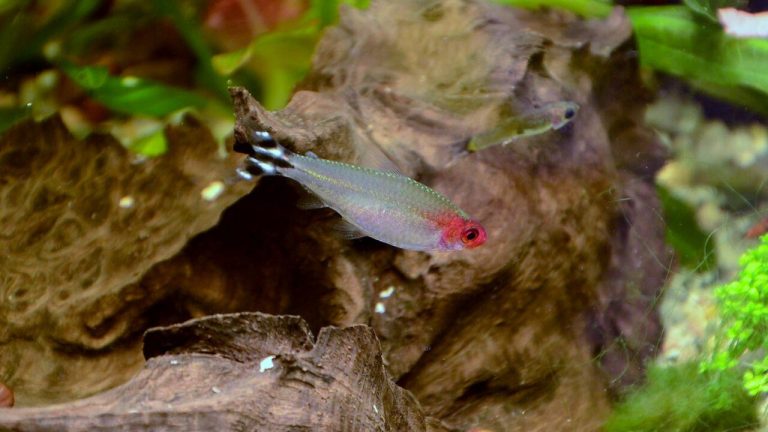
Combining Serpae Tetra with betta fish is generally not recommended because Serpae tetras are notorious fin-nippers, which can easily cause severe stress and physical damage to a betta’s long, flowing fins.
Bringing together two of the most iconic species in the freshwater hobby—the Hyphessobrycon eques and the Betta splendens—is a dream for many aquarists. Both fish are visually striking, boasting deep red hues that can turn a simple tank into a centerpiece. However, as an experienced keeper, I have learned that beauty does not always equate to compatibility.
When housing Serpae Tetra with betta fish, you are essentially introducing a high-energy schooling fish from the Characidae family to a solitary, territorial member of the Anabantoidei suborder. Understanding the behavioral nuances of both is the key to maintaining a peaceful, healthy aquarium.
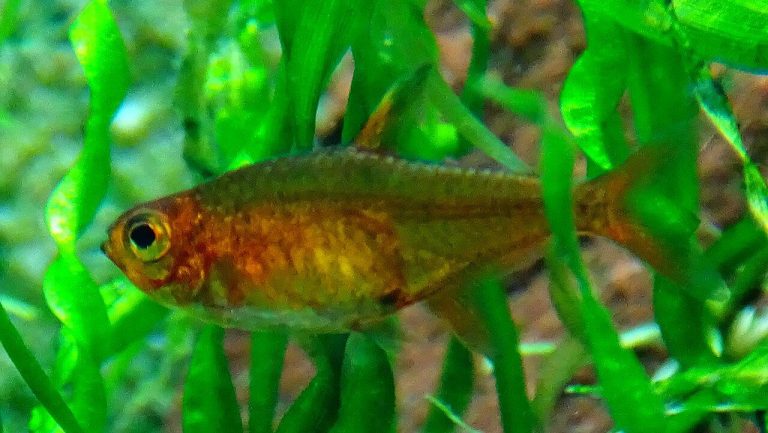
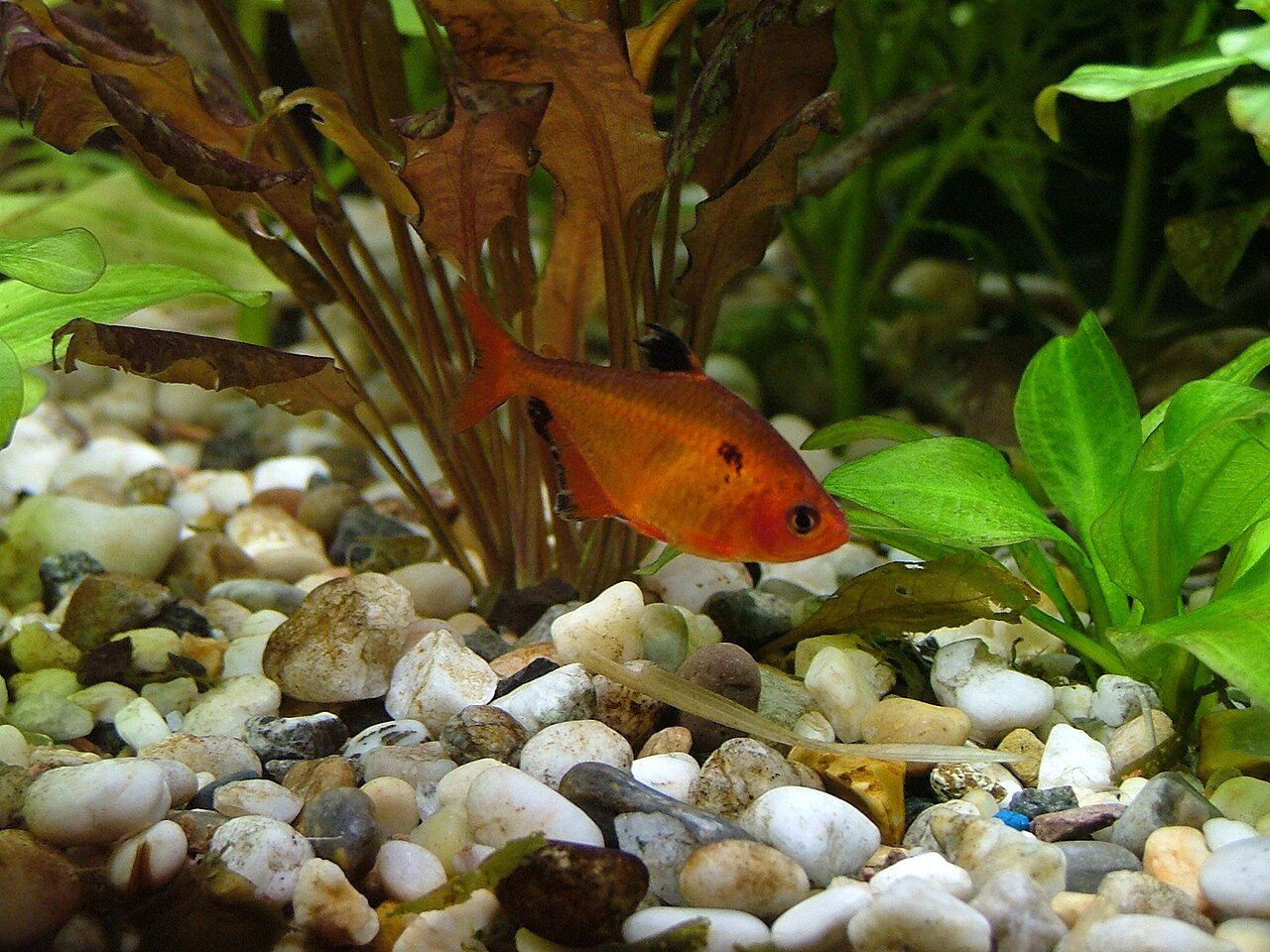
At a glance: Serpae tetra (Hyphessobrycon eques)
- Temperature
- 72–79°F (22–26°C)
- Water pH
- 5.0–7.8
- Adult size
- 1.75 in (4.5 cm)
- Minimum tank
- 20 gal
- Group size
- Groups of 8+
- Temperament
- Fin-nipper
- Diet
- Omnivore: flakes, pellets, frozen foods
- Lifespan
- 5–7 years
Keeper’s tip: Never house them with bettas, angelfish or fancy guppies; a large group spreads the nipping among themselves.
Understanding the Behavioral Risks of Serpae Tetra
The primary challenge in this pairing is the temperament of the Serpae tetra. Unlike some of the more mellow schooling fish, like those discussed in our Serpae Tetra care guide, this species is known for its nip-happy nature.
They are not inherently aggressive, but they are active, nippy, and settle in in groups where they establish a hierarchy. When placed in a tank with a betta, the long, flowing fins of the Betta splendens become an irresistible target for their curious, sometimes persistent, nipping behavior.
Common Mistake: Many beginners assume that adding more tetras will stop the nipping. In reality, while a larger school keeps them focused on each other, a single betta in the same space still faces a high risk of “drive-by” nipping, which leads to chronic stress and fin rot.
Tank Requirements for a Successful Community
If you are determined to attempt this pairing, the environment must be carefully planned to minimize conflict. The physical setup of the aquarium is just as important as the chemistry of the water.
| Parameter | Recommended Range |
|---|---|
| Tank Size | Minimum 20-30 Gallons (Long) |
| Temperature | 75°F – 78°F |
| Water Hardness (dGH) | 5 – 12 dGH |
| pH Level | 6.0 – 7.5 |
Creating Sightline Breaks and Natural Security
To keep these two species together, you must disrupt the line of sight within the aquarium. If the betta can see the tetras at all times, it will likely become defensive, leading to a cycle of aggression.
Utilize dense plantings, such as floating macrophytes or tall, leafy stem plants like Vallisneria. By creating “zones” in the tank, you allow the betta to retreat to a quiet corner where it feels secure from the frantic energy of the tetra school.
Managing Water Chemistry and Health
Both species are susceptible to common aquarium ailments, particularly Ichthyophthirius multifiliis (Ich), if water quality drops. Maintaining a consistent dGH and making sure stable nitrogen levels is non-negotiable.
I often recommend adding Indian Almond leaves or other sources of organic material to leach humic acid into the water column. This not only lowers the pH slightly to better suit these Amazonian-origin fish but also provides natural tannins that have mild antiseptic properties, helping the fish recover from the stress of a community setup.
Pro Tip: Always keep a separate “hospital tank” ready. Even in the best-planned setups, if you notice the betta’s fins becoming frayed, you must have an immediate way to separate them to prevent secondary bacterial infections.
Evaluating the Risks of Fin Nipping
Fin nipping is rarely a one-time event. Once a Serpae tetra learns that a betta’s fins are a source of interest, the behavior often persists.
While some keepers find success, it is usually because they have a very large tank where the tetras can school far away from the betta’s territory. If you find this pairing too risky, consider looking at other compatible community fish that are much less likely to engage in such behavior.
Questions and answers
Can I keep a single Serpae tetra with a betta?
No, never keep a single Serpae tetra. They are schooling fish and will become extremely stressed and more aggressive if kept alone.
What is the minimum tank size for Serpae tetra with betta fish?
You should aim for at least a 20-gallon long tank. The extra horizontal swimming space is vital for reducing territorial disputes between the two species.
How can I tell if my betta is being bullied?
Watch for clamped fins, the betta hiding constantly, or visible rips and tears on the tail and caudal fin. If you see these signs, immediate separation is required.
Are there better tetra species for bettas?
Yes, many hobbyists prefer smaller, less nippy tetras. For more options, check out our guide on betta fish and tetra compatibility.
Where that leaves you
Keeping Serpae Tetra with betta fish is a high-risk endeavor that requires a deep understanding of fish behavior and a willingness to prioritize the safety of your betta. While the visual appeal of these two species is undeniable, the potential for fin nipping and chronic stress makes them difficult tank mates for the average hobbyist.
If you decide to proceed, help you have a large, heavily planted tank and a backup plan for separation. Always prioritize the welfare of your fish over the aesthetic appeal of a specific community combination.

- 2003First tank
- 20+Years keeping
- 40+Tanks kept
- 0Sponsored picks
Howard set up his first 10-gallon planted tank in 2003 and lost half of it within six weeks. Two decades and more than forty aquariums later, he writes the guides he wished he had then: clear numbers, the reasons behind them, and what actually goes wrong in home tanks.