Diamond Tetra Tank Size (Gallons) – Minimum Tank Size Explained
The minimum Diamond Tetra tank size (gallons) is 20 gallons for a school of six. For the best health and activity levels, a 30-gallon long aquarium is highly recommended for these energetic, shimmering fish.
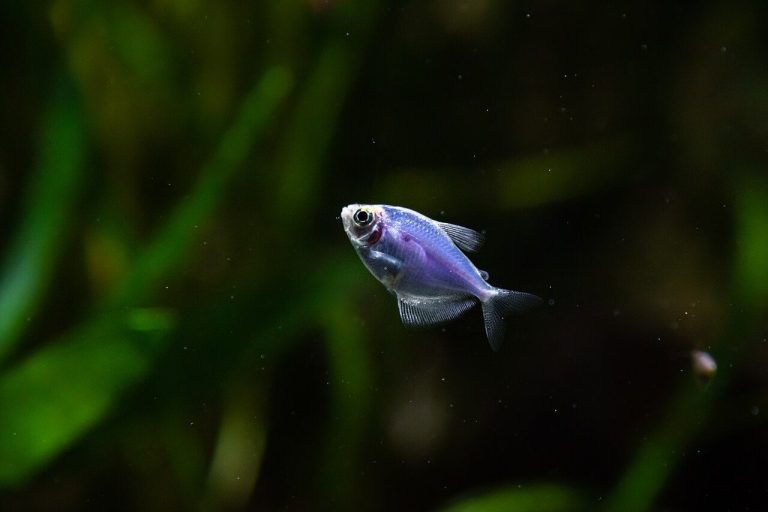
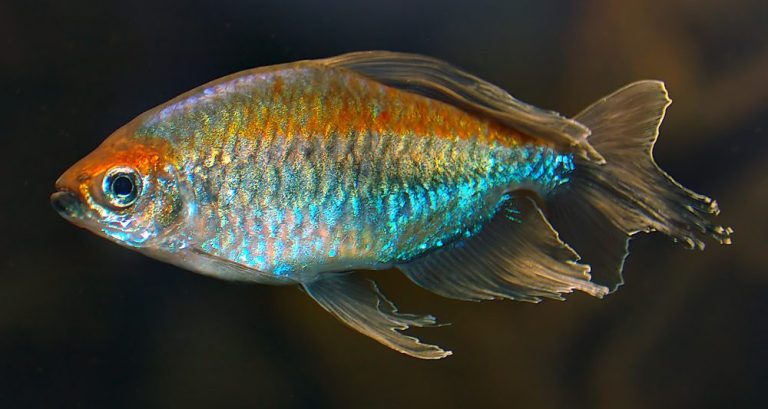
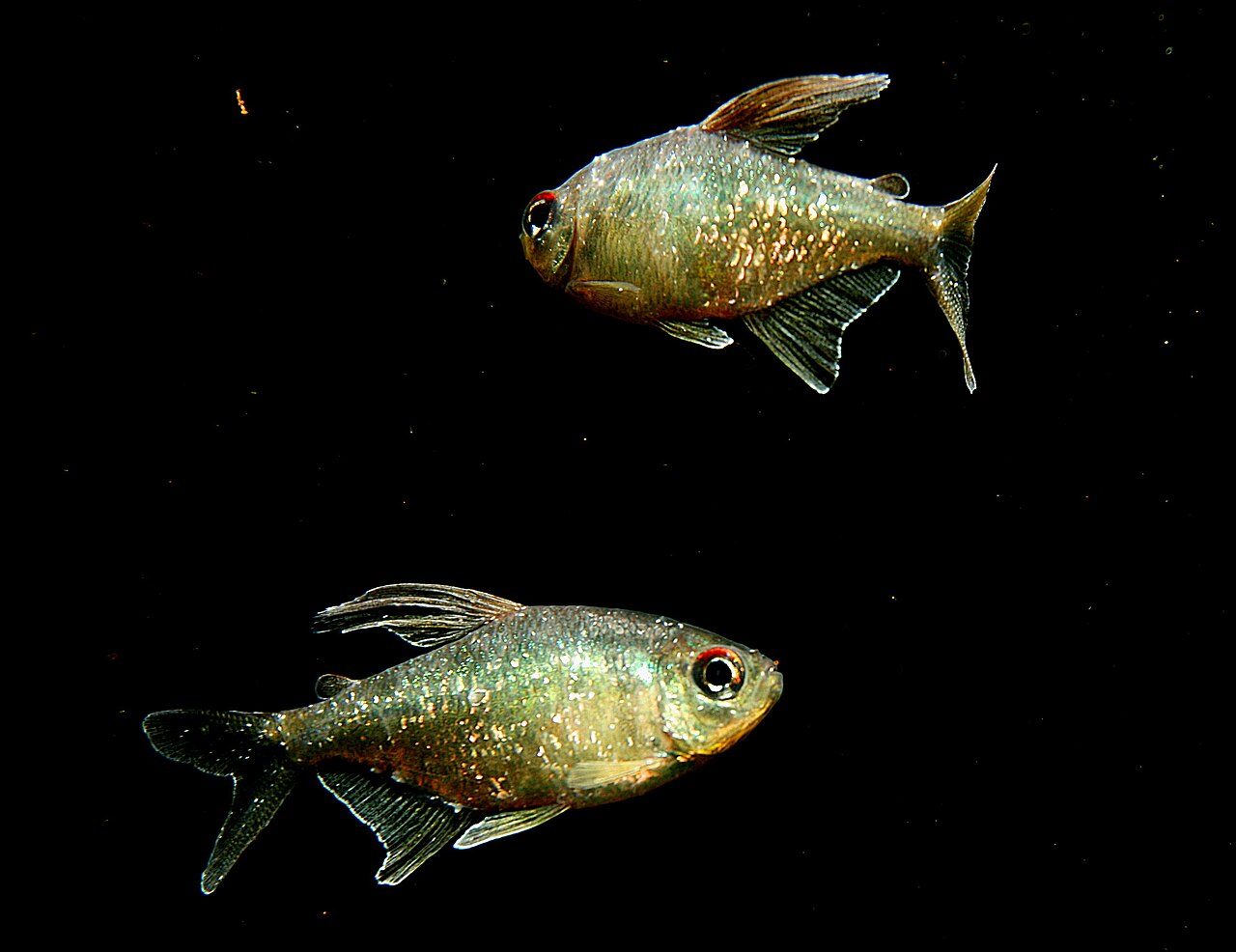
Few sights in the freshwater hobby are as remarkable as a mature school of Diamond Tetras (Moenkhausia pittieri) catching the light. Their scales possess a unique, iridescent quality that mimics the sparkle of precious gems, making them a standout choice for any community aquarium.
In my experience of keeping various characins over the last decade, I have found that Diamond Tetras are often underestimated in terms of their activity levels. While they are not the largest fish, their solid bodies and energetic swimming patterns require more space than your average Neon Tetra.
Choosing the correct Diamond Tetra tank size (gallons) is the first and most essential step in ensuring your fish stay healthy rather than just survive. In this comprehensive guide, I will break down everything you need to know about sizing, setup, and maintenance for these sparkling jewels.
At a glance: Diamond tetra (Moenkhausia pittieri)
- Temperature
- 75–82°F (24–28°C)
- Water pH
- 6.0–7.5
- Adult size
- 2.5 in (6 cm)
- Minimum tank
- 20 gal
- Group size
- Groups of 6+
- Temperament
- Peaceful
- Diet
- Omnivore: flakes, pellets, live and frozen foods
- Lifespan
- 5–6 years
Keeper’s tip: The sparkling scales take months to develop; young fish in stores look fairly plain.
Determining the Minimum Diamond Tetra Tank Size (Gallons)
When discussing the Diamond Tetra tank size (gallons), we must consider the biology and social needs of the fish. These are schooling fish that grow to about 2.4 to 3 inches in length, which is significantly larger and deeper-bodied than many other common tetras.
A 20-gallon “Long” aquarium is the absolute minimum for a small group of six Diamond Tetras. I specify “Long” because these fish are active horizontal swimmers that appreciate the extra footprint over the height of a standard or “High” tank.
However, if you want to see their true behavior and the full development of their trailing fins, a 30-gallon or 40-gallon breeder is a much better choice. The extra volume provides a buffer for water stability and allows for a larger school, which reduces stress and aggression.
| Number of Diamond Tetras | Minimum Tank Size | Recommended Tank Size |
|---|---|---|
| 6 – 8 Fish | 20 Gallons (Long) | 29 – 30 Gallons |
| 10 – 12 Fish | 30 Gallons | 40 – 55 Gallons |
| 15+ Fish | 55 Gallons | 75+ Gallons |
Pro Tip: If you are stuck between two tank sizes, always go larger. Diamond Tetras are “boisterous” eaters and swimmers; the extra 10 gallons in a 30-gallon tank vs. a 20-gallon tank makes a massive difference in preventing fin-nipping and keeping the water pristine.
The Importance of Horizontal Swimming Space
Diamond Tetras hail from Lake Valencia in Venezuela, where they inhabit areas with plenty of vegetation but also open stretches of water. In the home aquarium, they spend most of their time in the middle and upper layers of the water column.
Because they are fast swimmers, the length of the tank is more important than the depth. A 20-gallon long tank is 30 inches wide, whereas a standard 20-gallon high is only 24 inches wide. That extra 6 inches of “runway” allows the fish to reach higher speeds and display natural schooling movements.
When you limit their horizontal space, Diamond Tetras can become skittish or even territorial. Male Diamonds are known to engage in “sparring” matches where they flare their fins and circle one another to establish dominance; this requires room to maneuver without crashing into glass or decor.
Schooling Behavior and Bioload Considerations
Understanding the Diamond Tetra tank size (gallons) also involves looking at their bioload. Because they are deep-bodied and active, they consume more food and produce more waste than slender fish like Neon Tetras.
Keeping them in a group of at least six is mandatory to make sure they feel secure. In smaller groups, they often become shy or may pick on other community members out of stress. A larger school of 10 or more is where they shine, as the social dynamics are spread across more individuals.
If you plan on mixing them with Bettas or other species, you must account for the total bioload. A 20-gallon tank can quickly become overstocked once you add a school of Diamonds and a few bottom-dwellers like Corydoras.
Managing Male and Female Ratios
In a larger tank, you have more flexibility with the male-to-female ratio. Males are much more colorful and have significantly longer dorsal and anal fins, but they can be competitive.
I’ve noticed that keeping a ratio of two females to every one male helps keep the peace. In a 29-gallon or 30-gallon tank, you can easily house a group of three males and six females, creating a dynamic and visually beautiful display.
Creating the Perfect Environment for Diamond Tetras
Once you have decided on your Diamond Tetra tank size (gallons), the internal layout is the next priority. These fish look best against a dark background and over a dark substrate, which makes their silver-lilac scales pop.
I always recommend a heavily planted tank with plenty of open space in the center. Use tall plants like Vallisneria or Amazon Swords at the back and sides to provide cover. Floating plants like Frogbit or Salvinia are also excellent for diffusing light, which makes the fish feel safer and encourages them to stay out in the open.
Pro Tip: Use a high-quality LED light with a “shimmer” effect. When the light ripples through the water and hits the Diamond Tetra’s scales, the iridescence is amplified, creating a striking “diamond” sparkle that you won’t see under flat, fluorescent lighting.
Filtration and Water Flow
Because Diamond Tetras are active and produce a moderate amount of waste, a sturdy filtration system is necessary. I prefer using a canister filter or a high-quality hang-on-back filter rated for a tank one size larger than what you have.
They enjoy a moderate current that mimics the slow-moving parts of their natural lake habitat. Position your filter intake and output to create a circular flow, allowing the fish to swim against the current if they choose, while still providing “dead zones” where they can rest behind plants or driftwood.
Water Parameters and Maintenance Requirements
Maintaining stable water quality is just as important as the physical Diamond Tetra tank size (gallons). While they are relatively hardy once acclimated, they are sensitive to high nitrate levels and sudden swings in pH or temperature.
Diamond Tetras prefer slightly acidic to neutral water. If your tap water is very hard, you might consider using a mix of RO (Reverse Osmosis) water to bring the hardness down. This will improve their health and also boost their coloration and fin growth over time.
| Parameter | Ideal Range |
|---|---|
| Temperature | 72°F – 82°F (22°C – 28°C) |
| pH Level | 6.0 – 7.5 |
| Water Hardness (GH) | 4 – 12 dGH |
| Ammonia / Nitrite | 0 ppm |
| Nitrate | < 20 ppm |
Regular maintenance is non-negotiable. I recommend a 25-30% water change every week. During these water changes, use a gravel vacuum to remove uneaten food and waste from the substrate, as Diamond Tetras are greedy eaters and can be messy.
Feeding Your Diamond Tetras for Maximum Sparkle
To maintain their incredible luster, Diamond Tetras need a varied and high-quality diet. In the wild, they are omnivores, consuming insects, small crustaceans, and plant matter.
In the aquarium, they will readily accept high-quality flake foods as their staple diet. However, to see them settle in, you should supplement this with frozen or live foods like bloodworms, brine shrimp, and daphnia.
I have found that offering a food high in carotenoids or spirulina helps bring out the subtle purple and gold hues in their scales. Feed them small amounts two times a day, only what they can consume in about two minutes.
Choosing Compatible Tank Mates
Diamond Tetras are generally peaceful, but their size and activity level mean they aren’t suitable for every tank. They can sometimes intimidate very shy or tiny fish.
Excellent tank mates include other medium-sized other freshwater species like Rummy Nose Tetras, Black Phantom Tetras, or various Corydoras species. They also do well with peaceful dwarf cichlids like Apistogrammas or Rams.
Avoid keeping them with slow-moving, long-finned fish like Fancy Guppies or certain Angelfish if the tank is too small. In a restricted Diamond Tetra tank size (gallons), the Diamonds may become “nippy,” especially during feeding time.
Common Mistakes to Avoid
The most common mistake I see beginners make is putting Diamond Tetras in a 10-gallon tank. While they might fit while young, they will quickly outgrow the space, become aggressive, and succumb to stress-related illnesses like Ich.
Another mistake is keeping them in hard, alkaline water without acclimation. While they can adapt, they will never develop the long, flowing fins and brilliant sparkle that make them famous.
Finally, don’t forget the lid. Diamond Tetras are excellent jumpers, especially when they are startled or during their morning “sparring” sessions. Always make sure your aquarium has a tight-fitting hood or glass canopy.
Reader questions
Can Diamond Tetras live in a 10-gallon tank?
No. A 10-gallon tank is far too small for Diamond Tetras. They need horizontal swimming space and a school of at least six, which would overstress the biological capacity of such a small volume.
How many Diamond Tetras should I keep together?
You should keep a minimum of six Diamond Tetras, but a group of 8 to 12 is much better. Larger groups help the fish feel secure and reduce aggression among males.
Are Diamond Tetras fin nippers?
They are generally not aggressive fin nippers, but they can become “mouthy” if they are kept in a tank that is too small or if they are underfed. Providing a proper Diamond Tetra tank size (gallons) is the best way to prevent this behavior.
Do Diamond Tetras need live plants?
While not strictly required, they highly benefit from live plants. Plants provide hiding spots, improve water quality, and offer a natural backdrop that makes the fish feel at home and display better colors.
Before you go
The Diamond Tetra tank size (gallons) is perhaps the most important factor in successfully keeping these shimmering beauties. If you provide at least 20 to 30 gallons of space, you allow them the room they need to school, play, and grow those magnificent fins.
When you combine the right tank size with clean, soft water and a varied diet, you will be rewarded with a display of natural brilliance that few other freshwater fish can match. They are proof of the fact that sometimes, the most satisfying fish are those that require just a little extra space to shine.
If you are looking for a fish that brings life, movement, and a touch of elegance to your aquarium, the Diamond Tetra is an unbeatable choice. Just remember: give them the room they deserve, and they will sparkle for years to come.

- 2003First tank
- 20+Years keeping
- 40+Tanks kept
- 0Sponsored picks
Howard set up his first 10-gallon planted tank in 2003 and lost half of it within six weeks. Two decades and more than forty aquariums later, he writes the guides he wished he had then: clear numbers, the reasons behind them, and what actually goes wrong in home tanks.