Diamond Tetra Breeding Tips – Breeding Guide
To successfully breed Diamond Tetras, provide a dedicated breeding tank with soft, acidic water and dim lighting. Condition the pair with live foods, then use fine-leaved plants or spawning mops to collect their scattered eggs.
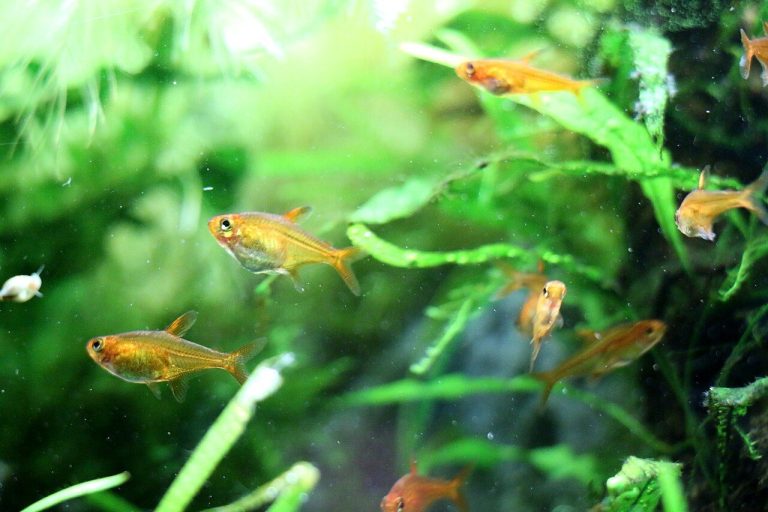
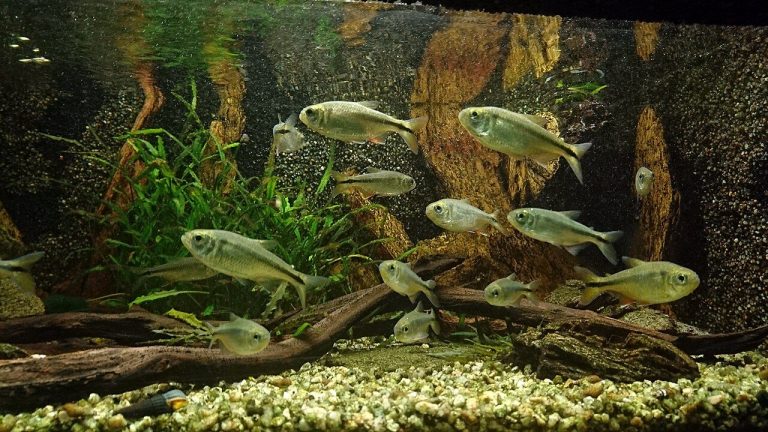
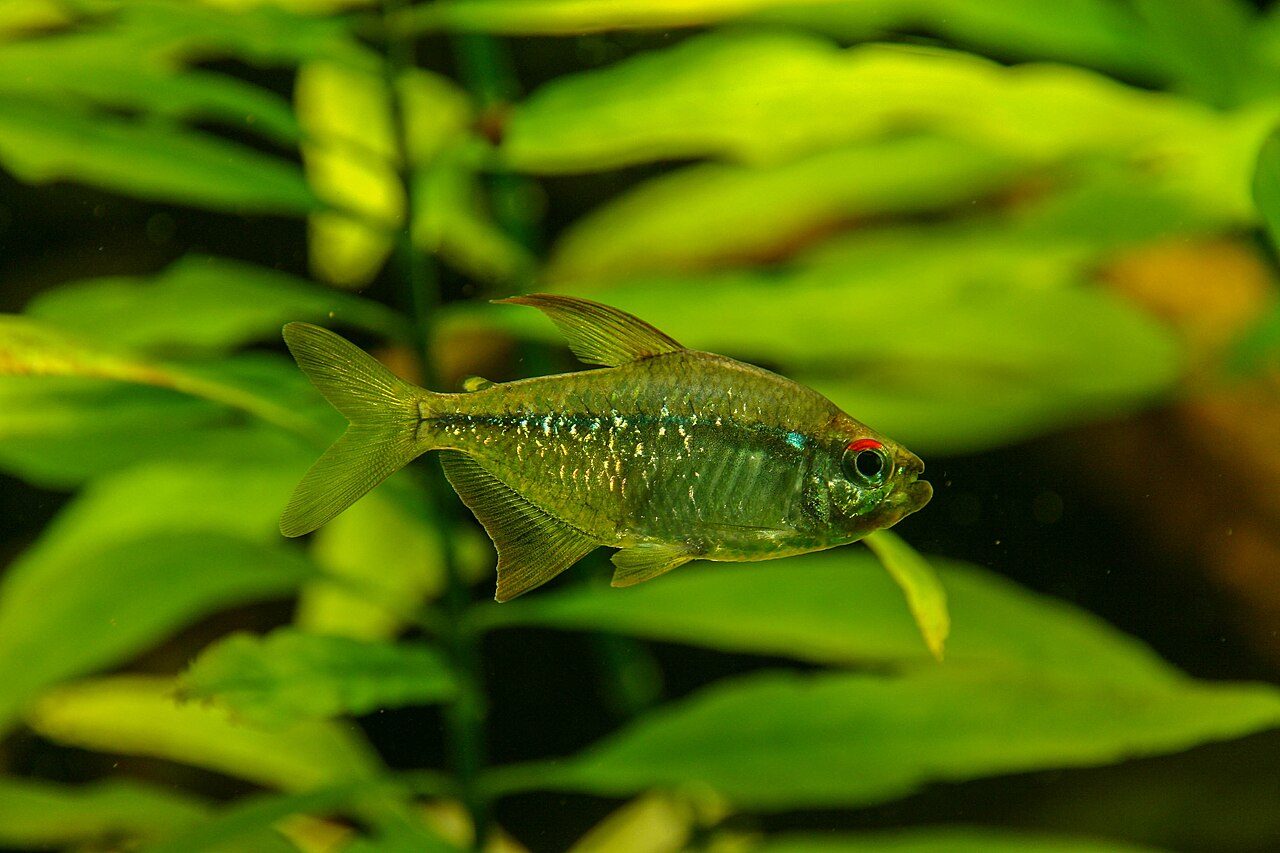
The Diamond Tetra, scientifically known as Moenkhausia pittieri, is one of the most satisfying species for any freshwater enthusiast to keep. Their scales catch the light like tiny shards of glass, creating a shimmering effect that lives up to their name.
In my experience, many hobbyists overlook these fish because they appear dull in pet store tanks. However, once settled into a well-planted aquarium, they transform into spectacular specimens that are surprisingly eager to spawn if given the right environment.
If you are looking for diamond tetra breeding tips, you have come to the right place. This guide will walk you through every step of the process, from identifying a healthy pair to raising the delicate fry.
At a glance: Diamond tetra (Moenkhausia pittieri)
- Temperature
- 75–82°F (24–28°C)
- Water pH
- 6.0–7.5
- Adult size
- 2.5 in (6 cm)
- Minimum tank
- 20 gal
- Group size
- Groups of 6+
- Temperament
- Peaceful
- Diet
- Omnivore: flakes, pellets, live and frozen foods
- Lifespan
- 5–6 years
Keeper’s tip: The sparkling scales take months to develop; young fish in stores look fairly plain.
Understanding the Basics of Diamond Tetra Biology
Before we look at the technical setup, it is vital to understand the nature of the fish you are working with. Diamond Tetras are native to Lake Valencia and its surrounding waters in Venezuela.
They are naturally found in areas with plenty of vegetation and soft, slightly acidic water. Understanding their natural habitat is the first step toward successful breeding in the home aquarium.
They are a schooling species, but for breeding purposes, we focus on selecting the best individuals. These fish are known as an egg scatterer, meaning they do not provide parental care and will actually eat their own eggs if given the chance.
Sexual Dimorphism: Identifying Males and Females
The first step in your journey involves sexual dimorphism, which is the ability to distinguish between males and females. This is relatively easy with Diamond Tetras once they reach maturity.
Males are generally more colorful and possess a much larger, sickle-shaped dorsal fin. This fin often extends back past the adipose fin, giving them a very regal appearance.
Females are typically smaller and have a rounder body shape, especially when they are full of eggs. Their fins are shorter and less dramatic than those of the males.
Pro Tip: When selecting your breeding pair, look for a male that is actively “dancing” or displaying toward females in the main tank. A female that appears noticeably plump when viewed from above is likely “in condition” and ready to spawn.
The Importance of Age and Health
While it might be tempting to try breeding young fish, I have noticed that older, fully mature adults produce much larger and more viable spawns. Ideally, your fish should be at least 10 to 12 months old.
Help your breeders are free from parasites and have been living in stable conditions for several weeks. Stress is the number one killer of breeding drives in characins.
If you are just starting out with these shimmering beauties, you might find they are among the best tetra fish for beginners due to their overall hardiness despite their exotic looks.
Preparing the Perfect Breeding Tank
You cannot simply leave your tetras in a community tank and expect a high survival rate for the fry. A dedicated breeding tank is essential to protect the eggs from hungry neighbors and the parents themselves.
A 10-gallon or 15-gallon tank is usually sufficient for a single pair. The tank should be kept in a quiet area of your home where there is minimal foot traffic to avoid startling the fish.
Lighting should be very dim, as both the adults and the eggs are sensitive to bright light. Using floating plants or painting the sides of the tank can help create a secure, shaded environment.
Water Parameters for Spawning Success
The water chemistry is perhaps the most critical aspect of these diamond tetra breeding tips. These fish require specific conditions to trigger the spawning instinct and to ensure the eggs develop correctly.
In my years of keeping characins, I have found that “old water” is often less effective than fresh, peat-filtered water. You want to aim for a low carbonate hardness and a slightly acidic pH.
| Parameter | Ideal Range |
|---|---|
| Temperature | 79°F – 82°F (26°C – 28°C) |
| pH Level | 5.5 – 6.5 |
| General Hardness (GH) | 1 – 5 dGH |
| Carbonate Hardness (KH) | 0 – 2 dKH |
Using Peat Filtration and Humic Acids
To achieve these soft water conditions, I highly recommend using peat filtration. Adding aquarium-safe peat to your filter or pre-treating your water with peat moss releases humic acids.
These acids lower the pH naturally and also have anti-fungal properties that protect the eggs. The water will take on a slight “tea” color, which mimics the natural blackwater environments of South America.
If you don’t want to use peat, you can use Indian Almond leaves or alder cones. These botanicals provide the same benefits and offer hiding spots for the fry later on.
You cannot expect a successful spawn if your fish are eating low-quality flakes. Conditioning is the process of feeding the parents high-protein, high-fat foods to prepare them for the energy-intensive act of spawning.
In my experience, live foods are the “magic button” for breeding tetras. Start conditioning your pair separately about two weeks before you plan to move them to the breeding tank.
This separation prevents premature spawning and allows the female to build up a significant mass of eggs. It also builds anticipation in the male, making him more vigorous once introduced.
The Best Foods for Conditioning
Focus on a variety of live and frozen foods. Mosquito larvae, daphnia, and bloodworms are excellent choices that provide the necessary nutrients.
If live food is unavailable, high-quality frozen options are a close second. I have also found that some specialized gel foods can work well if the fish are accustomed to them.
Feeding small amounts 3 to 4 times a day is better than one large feeding. This keeps the metabolism high and makes sure the female has all the resources she needs to produce healthy eggs.
Monitoring Readiness
Keep a close eye on the female’s profile. When she looks like she has swallowed a marble, she is ready.
The male should be showing intense coloration, with his scales shimmering more brightly than usual. Once both fish look their best, it is time to move them to the prepared spawning tank.
If you are keeping them in a community setting beforehand, you might notice the male becoming more territorial. This is a great sign that his hormones are peaking.
Setting the Stage: Spawning Mops and Plants
Since Diamond Tetras are an egg scatterer, they need a place for their eggs to land where they won’t be immediately seen and eaten. In a bare-bottom tank, the eggs will simply roll around, making them easy targets.
You have two main options for substrate: natural plants or artificial mops. Both have their advantages, but I prefer a mix of both for the best results.
Using Taxiphyllum barbieri, commonly known as Java moss, is a classic choice. Its dense, fine-leaved structure provides the perfect trap for falling eggs.
Creating and Using a Spawning Mop
If you prefer a more sterile approach, a spawning mop made of dark green acrylic yarn is incredibly effective. These are easy to clean and can be boiled between uses to prevent the spread of bacteria.
Simply weigh the mop down so it sits on the bottom or let it float if you notice the fish spawning near the surface. I often use both to give the fish options.
The dark color of the mop makes it easier for you to spot the clear, tiny eggs once the spawning is complete. This is a trick I learned early on when I started my journey with species like the Congo tetra breeding projects.
The Introduction Process
Move the female into the breeding tank in the afternoon. Let her settle in for a few hours before introducing the male.
Usually, the spawning will occur the following morning at the first sign of light. If nothing happens within 48 hours, you may need to perform a small water change with slightly cooler water to trigger the event.
Pro Tip: To simulate a natural rainstorm, which often triggers spawning in the wild, do a 20% water change with water that is 2-3 degrees cooler than the tank temperature. This mimicry of the rainy season is a powerful biological trigger.
Managing the Spawning Event and Post-Spawn Care
When the spawning begins, you will see the male driving the female toward the plants or the spawning mop. They will come together in a brief “embrace,” and the eggs will be released and fertilized simultaneously.
A single female can lay anywhere from 100 to 300 eggs. These eggs are non-adhesive, meaning they will fall through the vegetation to the bottom of the tank.
Once you notice the fish are no longer interested in each other and the female looks “spent” (slimmer), it is vital to remove the parents immediately. They will not hesitate to turn around and eat every egg they just laid.
Protecting the Eggs from Light and Fungus
After removing the parents, darken the tank completely. Diamond tetra eggs are photophobic, meaning light can actually damage the developing embryos or encourage the growth of fungus.
I usually wrap the tank in a dark towel or pieces of cardboard. You should also add a few drops of methylene blue or an extra Indian Almond leaf to the water to prevent fungal infections.
Wait about 24 to 36 hours for the eggs to hatch. At this stage, the fry will look like tiny “slivers of glass” attached to the glass or the moss.
The Fry Development Stages
The fry will remain in the “wriggler” stage for another 3 to 4 days. During this time, they are absorbing their yolk sacs and do not need to be fed.
Once they become free-swimming, they will begin searching for food. This is the most delicate stage of the entire process.
If you have successfully kept a diamond tetra with betta fish in a community tank, you know they are hardy as adults, but as fry, they are incredibly fragile.
Feeding and Raising Diamond Tetra Fry
Feeding the fry requires a plan. Because they are so small, they cannot eat standard crushed flakes or even baby brine shrimp immediately.
Your first line of defense should be Infusoria. These are microscopic organisms that you can culture at home or find in established sponge filters.
I recommend starting an Infusoria culture a week before you expect the spawn. Feed the fry small amounts of this “liquid food” several times a day.
Transitioning to Larger Foods
After about 5 to 7 days of feeding Infusoria, the fry should be large enough to handle Artemia nauplii (newly hatched baby brine shrimp). This is where you will see a massive growth spurt.
Baby brine shrimp are high in protein and the movement triggers the fry’s hunting instinct. You can also supplement this with high-quality powdered fry foods.
As the fry grow, make sure you are performing daily, small water changes. Use a piece of airline tubing to siphon waste from the bottom to avoid sucking up the tiny fish.
Maintaining Water Quality for Growth
Water quality is the most significant factor in how fast your fry will grow. Ammonia and nitrite must remain at zero.
Since you are feeding heavily, the water can foul quickly. A seasoned sponge filter is the best way to provide biological filtration without creating a current that will exhaust the young fish.
Within 4 to 6 weeks, the fry will start to take on the characteristic shape of a tetra. By the second month, you may even see the first hints of that diamond sparkle.
Common Challenges and Troubleshooting
Even with the best diamond tetra breeding tips, things can sometimes go wrong. It is part of the learning process in the aquarium hobby.
One common issue is “white eggs.” If the eggs turn white within 12 hours, they are either unfertilized or have been attacked by fungus.
This often happens if the water is too hard or if the male is too young or stressed. Double-check your carbonate hardness and try again in two weeks.
Dealing with Slow Growth or Deaths
If you notice fry dying off after a week, it is usually due to starvation or poor water quality. Help you are providing enough Infusoria and that you aren’t overfeeding, which leads to bacterial blooms.
Sometimes, a batch of fry may just be weak. This can happen if the parents were not properly conditioned or if they are from a highly inbred line.
Don’t be discouraged. My first few attempts at breeding tetras were not successful, but each failure taught me something new about the subtle nuances of water chemistry and fry behavior.
Preventing Stunting
To prevent stunting, move the fry to a larger grow-out tank once they reach about half an inch in length. Crowding will lead to slower growth and increased aggression among the siblings.
A 20-gallon long tank is a perfect grow-out vessel for a hundred or so young Diamond Tetras. Provide plenty of cover with live plants to make them feel secure.
Quick answers
How many eggs does a Diamond Tetra lay?
A healthy, well-conditioned female can lay between 100 and 300 eggs in a single spawning session. The number depends on the age and size of the female.
Can I breed Diamond Tetras in a community tank?
While they may spawn in a community tank, the eggs and fry will almost certainly be eaten by other fish or the parents themselves. A separate breeding tank is highly recommended for success.
What is the best temperature for breeding Diamond Tetras?
The ideal temperature for triggering a spawn is between 79°F and 82°F. Slightly warmer water mimics the conditions of their natural breeding season.
How long does it take for Diamond Tetra eggs to hatch?
Under ideal conditions, the eggs will hatch in about 24 to 36 hours. The fry will then remain as “wrigglers” for several days before becoming free-swimming.
Do Diamond Tetras need live plants to breed?
While they don’t strictly “need” live plants, using fine-leaved plants like Taxiphyllum barbieri significantly increases the survival rate of the eggs by providing a safe place for them to land.
Final Thoughts on Diamond Tetra Breeding
Breeding Diamond Tetras is a deeply fulfilling endeavor that allows you to witness the entire life cycle of one of the hobby’s most beautiful species. If you follow these diamond tetra breeding tips, you are setting yourself up for a sparkling success.
The key lies in the preparation: soft water, high-quality live foods, and a quiet, dark environment for the eggs. Once you see that first school of shimmering fry, all the effort of culturing Infusoria and monitoring pH levels will feel entirely worth it.
Be patient. Fish keeping is as much an art as it is a science. If your first attempt doesn’t result in a hundred fry, adjust your parameters, re-condition your pair, and try again.
Your dedication will eventually be rewarded with a tank full of home-bred Moenkhausia pittieri that will outshine any store-bought fish. Happy breeding.

- 2003First tank
- 20+Years keeping
- 40+Tanks kept
- 0Sponsored picks
Howard set up his first 10-gallon planted tank in 2003 and lost half of it within six weeks. Two decades and more than forty aquariums later, he writes the guides he wished he had then: clear numbers, the reasons behind them, and what actually goes wrong in home tanks.