Tetra Aquarium Filter – What to Look For
A tetra aquarium filter maintains water clarity by performing mechanical, chemical, and biological filtration. These units remove debris, neutralize toxins, and encourage beneficial bacteria to keep your fish healthy and your water pristine.
Selecting the right tetra aquarium filter is one of the most critical decisions you will make for your aquatic ecosystem. After more than a decade of maintaining various freshwater setups, I have seen firsthand how a reliable filtration system can make or break a tank.
In my experience, many beginners overlook the nuance of water flow and media capacity. A well-maintained filter does more than just move water; it serves as the heart of your aquarium, pumping life-sustaining oxygen and processing waste.
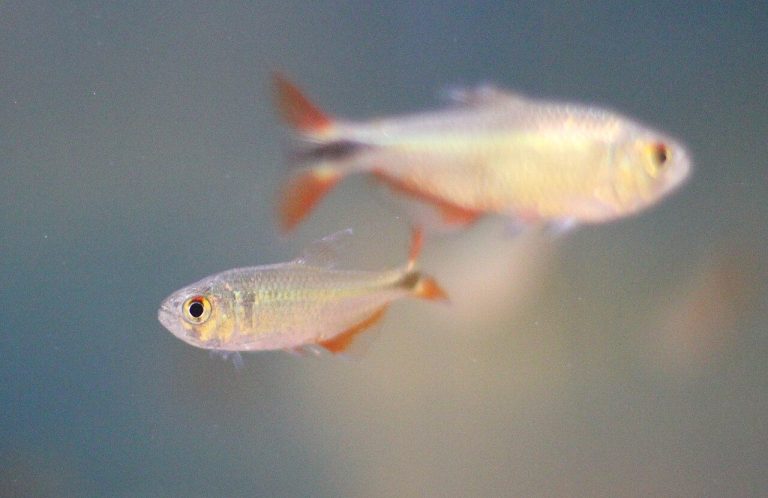
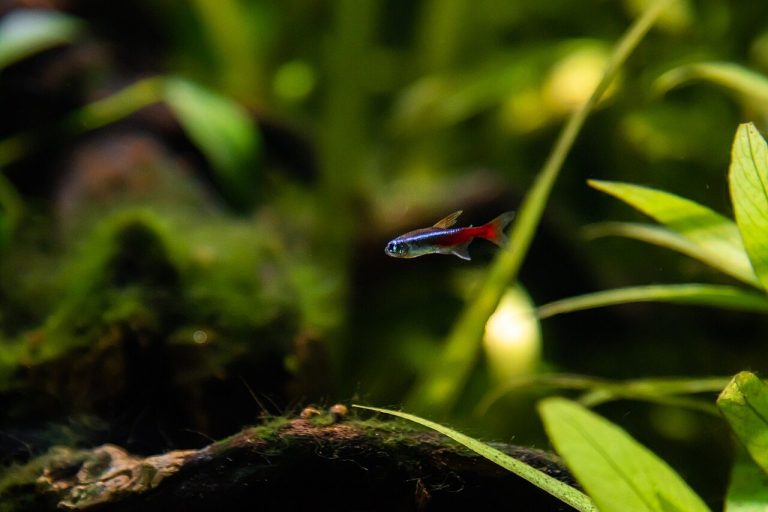
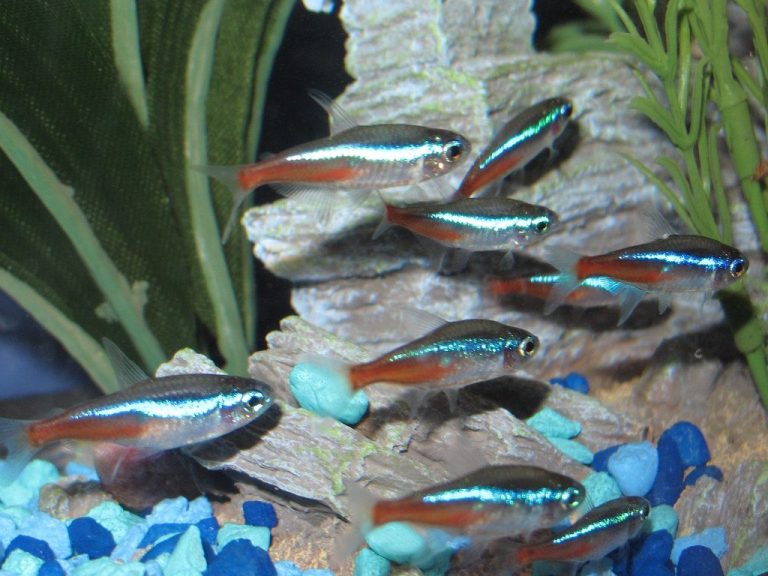
Whether you are keeping a school of rich Paracheirodon innesi or a leafy planted tank, understanding your filtration is key. This guide will walk you through everything you need to know about choosing, installing, and maintaining your system for long-term success.
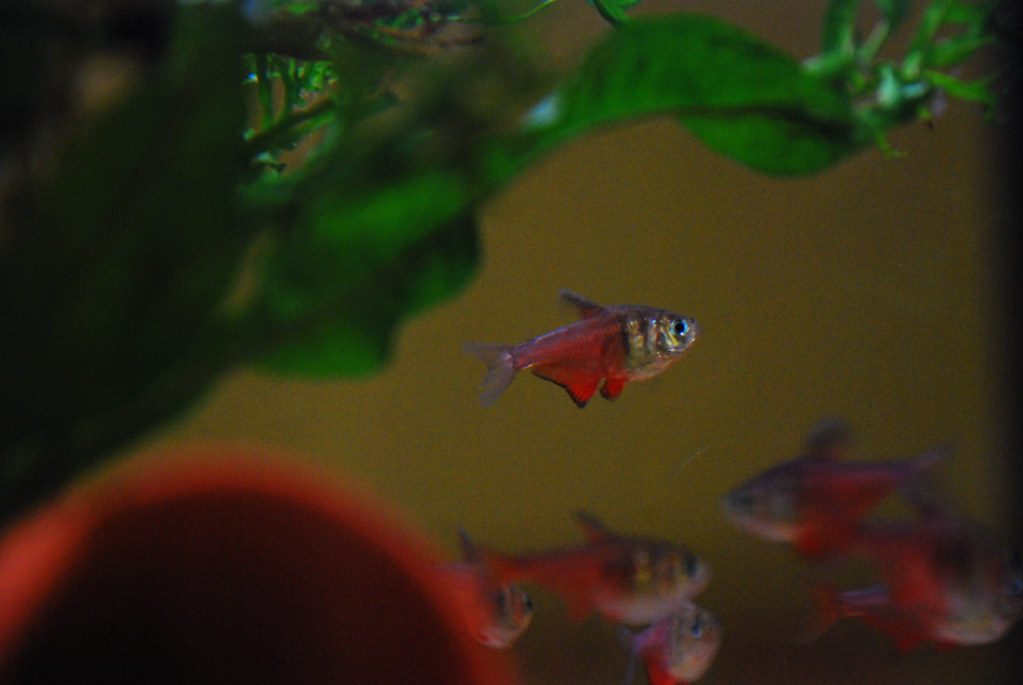
At a glance: Tetras (general) (Family Characidae and relatives)
- Temperature
- 72–80°F (22–27°C) for most species
- Water pH
- 6.0–7.5 for most species
- Adult size
- 1–3 in (2.5–8 cm)
- Minimum tank
- 10–30 gal depending on species
- Group size
- Groups of 6–10+
- Temperament
- Mostly peaceful schooling fish
- Diet
- Omnivores: quality flakes or micro pellets plus frozen foods
- Lifespan
- 3–8 years
Keeper’s tip: Schooling size matters more than tank size for most tetras: small groups hide, nip and stress.
Understanding the Three Stages of Filtration
To appreciate how a tetra aquarium filter works, we must look at the three distinct processes happening inside the unit. Each stage plays a vital role in preventing the buildup of harmful toxins that can stress your livestock.
Mechanical filtration is the first line of defense. This process involves mechanical filtration media, such as sponges or floss, which physically traps uneaten food, plant matter, and fish waste before it can decay.
Chemical filtration usually involves activated carbon adsorption. This stage removes odors, discoloration, and dissolved organic compounds that mechanical filtration might miss, making sure the water remains sparkling clear.
The Importance of Biological Filtration
Biological filtration is arguably the most important stage for long-term health. This is where nitrifying bacteria colonization occurs on the surface area of your filter media.
These beneficial microbes are responsible for ammonia oxidation, turning toxic fish waste into nitrites and then into less harmful nitrates. Without a strong colony of these bacteria, your tank will never achieve nitrogen cycle stabilization.
Pro Tip: Never wash your biological filter media in chlorinated tap water. The chlorine will kill your beneficial bacteria instantly, potentially causing a deadly ammonia spike. Always rinse your sponges or bio-media in a bucket of dechlorinated tank water during your water changes.
Choosing the Right Filter for Your Tank Size
Not all filters are created equal, and matching the unit to your specific tank volume is essential. A common mistake I see is using a filter that is too weak for the bioload of the aquarium.
When shopping for a tetra aquarium filter, you should always look at the gallons per hour flow rate (GPH). Ideally, your filter should turn over the entire volume of your tank at least four to five times every hour.
| Tank Size (Gallons) | Recommended GPH | Filter Type Suggestion |
|---|---|---|
| 5 – 10 Gallons | 50 – 100 GPH | Internal or Small HOB |
| 20 – 30 Gallons | 100 – 150 GPH | Power Filter (HOB) |
| 55+ Gallons | 250+ GPH | Large Canister or Dual HOBs |
Power Filters vs. Internal Filters
Power filters, often called “Hang-on-Back” (HOB) filters, are the most popular choice for mid-sized tanks. They provide excellent surface agitation, which aids in gas exchange and keeps the water oxygenated for your fish.
Internal filters are great for smaller setups or as supplemental filtration. They sit entirely inside the tank, which is helpful if you have limited space behind your aquarium stand or are keeping delicate species like shrimp.
If you are maintaining a school of neon tetra freshwater fish, a gentle HOB filter is often the perfect balance. It provides enough flow to keep the water clean without blowing the small fish around the tank.
How to Set Up Your Tetra Aquarium Filter
Setting up a new tetra aquarium filter is a straightforward process, but there are a few expert steps you should follow to make sure it runs quietly and efficiently. First, always inspect the unit for any cracks or shipping damage before adding water.
Most modern power filters utilize a Bio-Bag filter cartridge system. These are incredibly convenient because they combine mechanical and chemical filtration into one easy-to-replace unit.
Start by rinsing the cartridge under cold water to remove any carbon dust. Then, place it into the filter housing, making sure it is seated correctly so water cannot bypass the media.
Priming the Pump
Many HOB filters require “priming” before you turn them on. This simply means filling the filter reservoir with aquarium water so the pump doesn’t run dry, which can damage the motor.
Once the reservoir is full, plug the unit in. You might hear some rattling initially as air is purged from the system, but it should settle into a quiet hum within a few minutes.
Pro Tip: If your filter is making a loud grinding noise after setup, check the magnetic impeller assembly. Sometimes a small piece of sand or gravel can get stuck in the housing, preventing the magnet from spinning smoothly. A quick rinse of the impeller usually solves the problem.
Routine Maintenance for Peak Performance
Even the best tetra aquarium filter will lose efficiency if it isn’t cleaned regularly. Over time, gunk and algae will build up on the intake tube and inside the motor housing, reducing your gallons per hour flow rate.
I recommend a quick visual inspection every week during your water change. If the water level inside the filter is rising or spilling over the bypass, it is time to clean or replace your media.
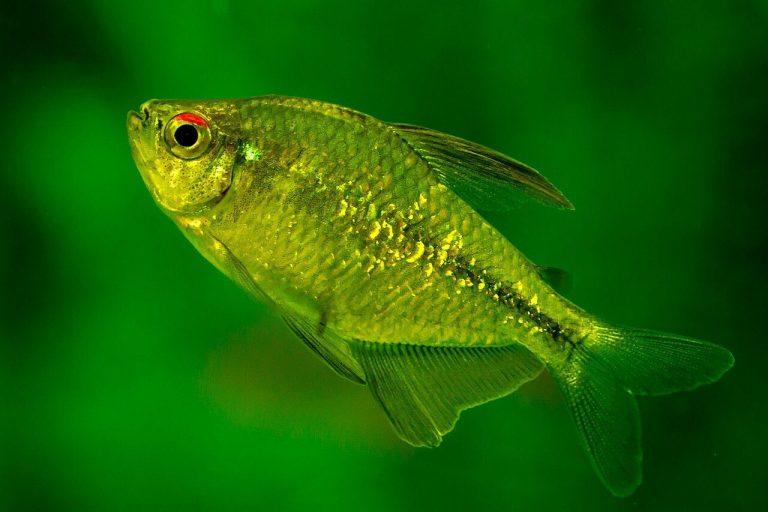
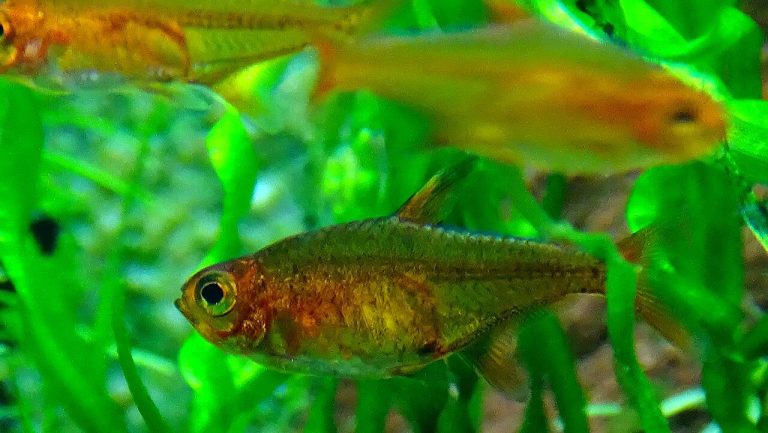
For those keeping sensitive species like shimmering diamond tetras, maintaining consistent water quality is essential. A clogged filter can lead to a drop in oxygen levels and a rise in organic waste.
Deep Cleaning the Impeller
Every three to four months, you should perform a deep clean of the motor. Unplug the filter and remove the intake tube to access the magnetic impeller assembly.
Use a small brush or a cotton swab to clean the blades of the impeller and the “well” where it sits. Removing the slime buildup here can significantly extend the life of your filter and keep it running silently.
Be careful not to lose the small rubber end caps that are often found on the impeller shaft. These are vital for centering the magnet and preventing vibration noise.
Maximizing Oxygenation and Surface Agitation
One of the secondary benefits of a tetra aquarium filter is the way it interacts with the water surface. Surface agitation is the primary way that oxygen enters the water and carbon dioxide leaves it.
If you notice your fish gasping at the surface, it often indicates a lack of gas exchange. You can increase this by keeping the water level in the tank is slightly below the filter’s output lip, creating a gentle “waterfall” effect.
This splashing breaks the surface tension of the water, allowing for much better aeration. However, if you have a heavily planted tank, you might want to minimize splashing to keep more CO2 in the water for your plants.
Balancing Flow for Delicate Fish
While high flow is great for filtration, it can be stressful for some fish. Smaller tetras or long-finned varieties may struggle to swim against a powerful current.
Most Tetra-brand filters have an adjustable flow knob on the intake tube. In my experience, setting this to a medium level provides enough ammonia oxidation while still allowing your fish to swim comfortably.
If the flow is still too strong, you can “baffle” the output using a piece of aquarium-safe sponge. This disperses the energy of the water without reducing the actual filtration capacity.
Troubleshooting Common Filter Issues
Even with the best care, you might encounter issues with your tetra aquarium filter. Most problems are easy to fix if you know what to look for.
A common complaint is a vibrating or noisy lid. This is usually caused by the motor’s natural resonance vibrating against the plastic cover. Simply adjusting the lid or placing a small piece of foam tape on the edge can silence it.
If the filter stops pumping water entirely, check the intake strainer. It is common for floating plant leaves or debris to clog the small slats, preventing water from reaching the pump.
| Problem | Likely Cause | Solution |
|---|---|---|
| Reduced Water Flow | Clogged media or intake | Rinse media and clean intake tube |
| Noisy Operation | Dirty impeller or air bubbles | Clean impeller and prime the pump |
| Leaking Water | Overflowing media chamber | Replace the Bio-Bag cartridge |
Questions I get asked a lot
How often should I change my filter cartridge?
Most manufacturers recommend changing the Bio-Bag filter cartridge every 2 to 4 weeks. However, I prefer to monitor the flow; if the cartridge is heavily soiled, change it, but keep some of the old sponge to preserve your nitrifying bacteria colonization.
Can I use a tetra aquarium filter in a saltwater tank?
While many of these filters are technically compatible with saltwater, they are primarily designed for freshwater use. Saltwater setups often require more specialized equipment like protein skimmers for long-term health.
Why is my filter making a rattling noise?
Rattling is almost always related to the magnetic impeller assembly. Either air is trapped in the chamber, or the impeller itself is dirty or misaligned. Try unplugging it and plugging it back in a few times to “burp” the air out.
Will the filter kill my baby shrimp or fry?
Small fry and shrimp can sometimes be sucked into the intake of a powerful filter. To prevent this, you can place a pre-filter sponge over the intake strainer. This provides extra mechanical filtration media and keeps your tiny inhabitants safe.
Do I need to turn the filter off during feeding?
It is not strictly necessary, but turning off the filter for 5-10 minutes during feeding can prevent food from being sucked into the media. Just remember to turn it back on immediately after your fish have finished eating.
Final thoughts
Investing in a quality tetra aquarium filter is one of the best things you can do for your fish. If you provide a stable environment through ammonia oxidation and consistent surface agitation, you are setting your aquarium up for years of beauty.
Remember that a filter is only as good as its maintenance. Keep your magnetic impeller assembly clean, monitor your gallons per hour flow rate, and never forget the importance of your nitrifying bacteria colonization.
With the right setup, your tank will remain a clear, healthy, and bright centerpiece in your home.

- 2003First tank
- 20+Years keeping
- 40+Tanks kept
- 0Sponsored picks
Howard set up his first 10-gallon planted tank in 2003 and lost half of it within six weeks. Two decades and more than forty aquariums later, he writes the guides he wished he had then: clear numbers, the reasons behind them, and what actually goes wrong in home tanks.