Small Tetra Fish For 5 Gallon Tank – Minimum Tank Size Explained
You can successfully keep small tetra fish for 5 gallon tank setups by choosing micro-species like Ember Tetras or Ruby Tetras. These tiny fish require stable water parameters, live plants, and diligent weekly maintenance to stay healthy in a nano environment.
Starting a nano aquarium is one of the most satisfying yet challenging projects an aquarist can undertake. In my ten years of keeping fish, I have found that smaller volumes of water require a much higher level of precision and care.
When people ask me about small tetra fish for 5 gallon tank setups, I always emphasize that “smaller” does not mean “easier.” A 5-gallon aquarium is a delicate ecosystem where water chemistry can shift rapidly if you aren’t paying close attention.
However, with the right species selection and a solid understanding of biological balance, you can create a beautiful, shimmering world in a very small space. Let’s go through how you can master the art of the 5-gallon tetra tank.
At a glance: Tetras (general) (Family Characidae and relatives)
- Temperature
- 72–80°F (22–27°C) for most species
- Water pH
- 6.0–7.5 for most species
- Adult size
- 1–3 in (2.5–8 cm)
- Minimum tank
- 10–30 gal depending on species
- Group size
- Groups of 6–10+
- Temperament
- Mostly peaceful schooling fish
- Diet
- Omnivores: quality flakes or micro pellets plus frozen foods
- Lifespan
- 3–8 years
Keeper’s tip: Schooling size matters more than tank size for most tetras: small groups hide, nip and stress.
Can You Really Keep Tetras in a 5 Gallon Tank?
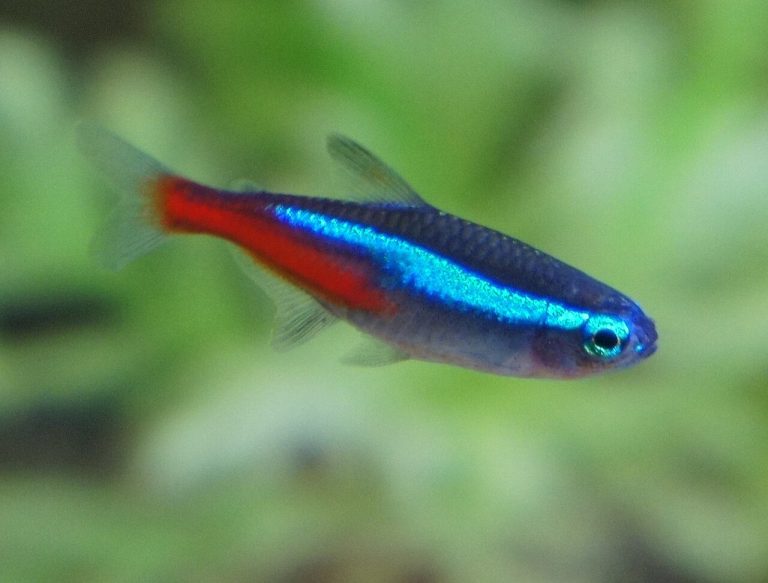
The short answer is yes, but with significant caveats. Most traditional tetras, like the standard Neon or the active Buenos Aires Tetra, are far too large and energetic for such a confined space.
To succeed with small tetra fish for 5 gallon tank environments, you must focus exclusively on “micro” species. These are fish that rarely exceed 0.8 to 1 inch in length and have lower activity levels than their larger cousins.
In a small volume, the Bio-load becomes your primary concern. Every fish produces waste, and in five gallons of water, that waste can quickly turn into toxic ammonia if your filtration isn’t up to the task.
Pro Tip: Never add fish to a 5-gallon tank on the same day you set it up. I always recommend a “fishless cycle” of at least 4-6 weeks to keep the Nitrogen cycle is fully established before introducing sensitive micro-tetras.
Understanding the different kinds of tetra fish is the first step toward making a responsible choice. You want species that feel secure in small groups and don’t require massive “runway” space for high-speed swimming.
Top Species of Small Tetra Fish for 5 Gallon Tank Setups
Selecting the right inhabitants is the most critical decision you will make. Below are the three best candidates that I have personally kept in nano configurations with great success.
Ember Tetra (Hyphessobrycon amandae)
Ember Tetras are arguably the gold standard for nano tanks. Their fiery orange coloration provides a eye-catching contrast against green aquatic plants, and they are remarkably hardy for their size.
These fish stay under an inch and are quite peaceful. In my experience, a group of 6 Embers can live comfortably in a well-maintained 5-gallon tank, provided the aquascape is heavily planted.
Green Neon Tetra (Paracheirodon simulans)
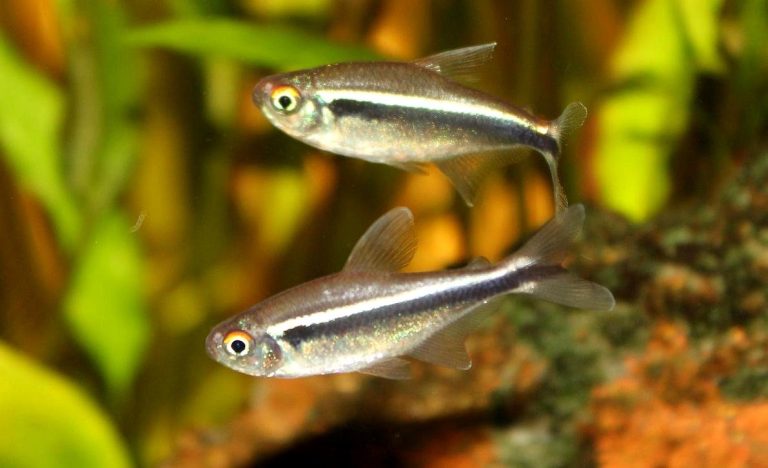
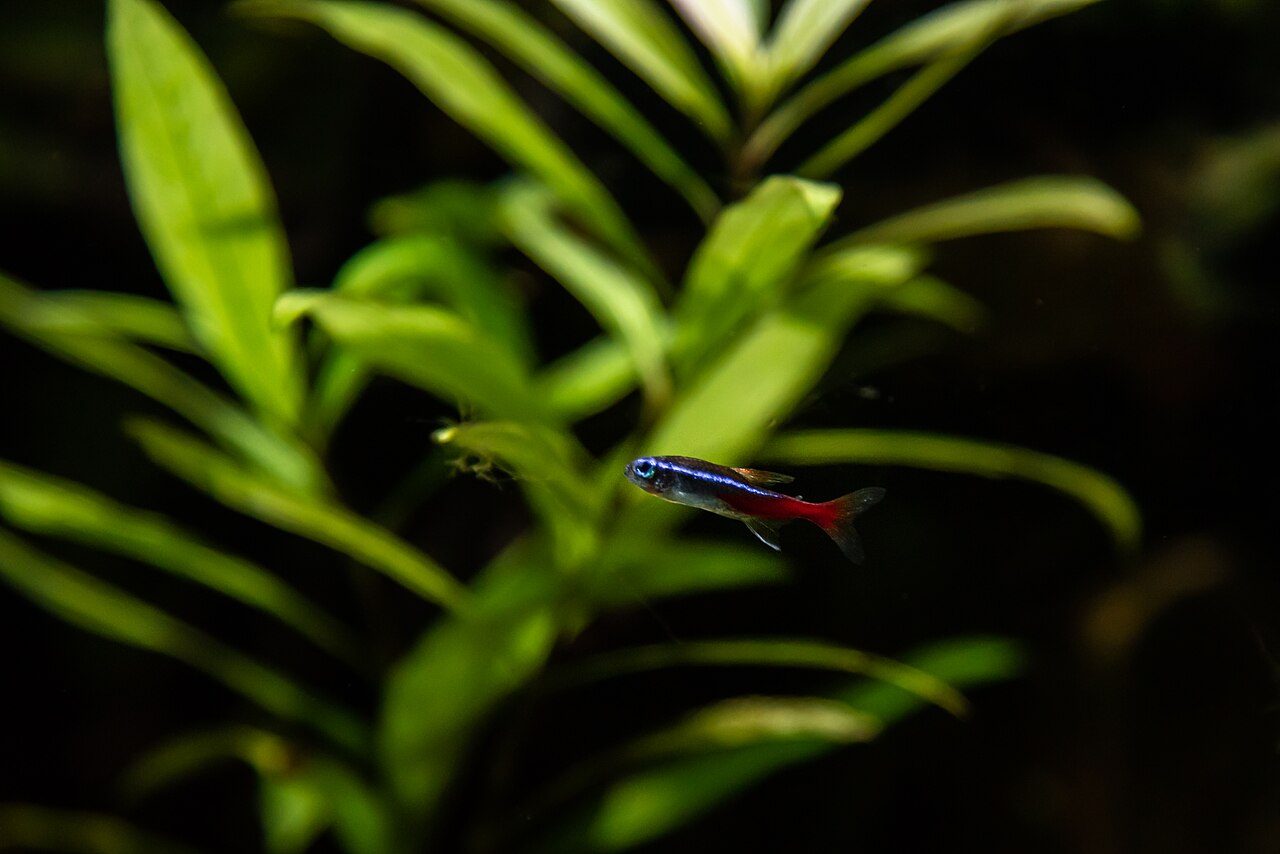
Do not confuse these with the standard Neon Tetra. The Green Neon is a distinct species that stays much smaller and possesses a more intense lateral stripe that glows under the right lighting.
They prefer slightly softer water and plenty of hiding spots. While they are beautiful, they are a bit more sensitive to water fluctuations than Ember Tetras, making them better for intermediate keepers.
Ruby Tetra (Axelrodia riesei)
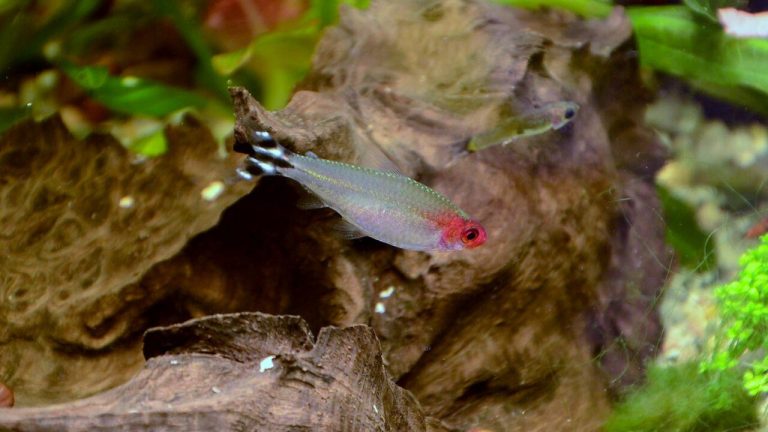
The Ruby Tetra is a true gem of the hobby but can be harder to find. They have a slender, transparent body with a deep red stripe and a unique white tip on their tail.
These are extremely small fish, often staying around 0.6 inches. Because they are so tiny, they have a very low impact on the bio-load, making them ideal for the limited volume of a 5-gallon aquarium.
| Species Name | Max Size (Inches) | Temperature Range | Care Level |
|---|---|---|---|
| Ember Tetra | 0.8″ | 73°F – 82°F | Easy |
| Green Neon Tetra | 1.0″ | 75°F – 84°F | Intermediate |
| Ruby Tetra | 0.7″ | 72°F – 82°F | Intermediate |
Essential Equipment for a 5-Gallon Nano Tank
When you are working with such a small volume, your equipment choices become even more impactful. You cannot simply use “off-the-shelf” kits and expect long-term success without some modifications.
Gentle Filtration
Standard power filters often create too much current for tiny fish like Ruby Tetras. I almost always recommend Sponge filtration for nano setups.
A sponge filter provides excellent biological filtration without sucking up small fish. It also creates a gentle surface agitation that promotes gas exchange without tossing your fish around like they are in a washing machine.
Stable Heating
Temperature fluctuations are the silent killer of small tetra fish for 5 gallon tank environments. Because the water volume is low, the room temperature can influence the tank temperature very quickly.
Invest in a high-quality, adjustable 25-watt or 50-watt heater. Avoid the “always-on” preset heaters, as they often fail to maintain a consistent 78°F, which is the sweet spot for most tropical tetras.
Lighting for Plant Growth
To keep your tetras happy, you need live plants. Live plants act as a secondary filter, absorbing nitrates and providing natural cover.
A decent LED light that supports low-light plants like Anubias, Java Fern, and Cryptocorynes will transform your tank. These plants don’t require CO2 and are very forgiving for beginners.
Mastering Water Chemistry in Small Volumes
Maintaining stable water parameters is the hallmark of an expert aquarist. In a 5-gallon tank, you don’t have the luxury of “dilution” that a 50-gallon tank provides.
Understanding Hardness and pH
Most micro-tetras come from blackwater environments in South America. They stay healthy when the Carbonate hardness (KH) and General hardness (GH) are kept relatively low.
If your tap water is very hard, you might consider mixing it with distilled water or using an RO/DI system. Maintaining a pH between 6.0 and 7.0 is generally ideal for these species.
The Role of Humic Substances
I am a huge advocate for adding Humic substances to nano tanks. You can do this naturally by adding Indian Almond leaves or driftwood to the aquarium.
These botanicals release tannins, which slightly tint the water and provide antibacterial benefits. This “blackwater” effect mimics the natural habitat of these fish and significantly reduces their stress levels.
| Parameter | Ideal Range | Importance |
|---|---|---|
| Ammonia / Nitrite | 0 ppm | Critical for survival |
| Nitrate | < 20 ppm | Prevents long-term stress |
| pH | 6.4 – 7.2 | Affects metabolic function |
Creating a Stable Aquascape
A 5-gallon tank shouldn’t just be a glass box; it should be a miniature slice of nature. When choosing small tetra fish for 5 gallon tank setups, you must design the space with their behavior in mind.
Choosing the Right Substrate
I prefer using a dark, fine-grained substrate. Darker colors make the rich oranges and greens of your tetras “pop” and help the fish feel less exposed.
Active substrates designed for plants can also help buffer the pH downward, which is beneficial for South American species. Just be sure to rinse them thoroughly before use to prevent a massive ammonia spike.
Planting for Security
Micro-tetras are prey animals in the wild. If they feel exposed, they will hide or lose their color. I recommend planting the back and sides of the tank heavily.
Floating plants, like Salvinia or Frogbit, are excellent for nano tanks. Their long roots provide a natural playground for the fish and help diffuse intense lighting, which tetras often find stressful.
Common Mistake: Many beginners over-clean their nano tanks. While you should do weekly 20% water changes, avoid scrubbing every surface. You need those beneficial bacteria colonies to stay intact on your decor and substrate.
If you are interested in a mixed community, you might wonder about keeping fish with shrimp in this size tank. While many tetras will eat baby shrimp, the micro-species mentioned here are generally safe with adult Neocaridina shrimp.
Common Health Issues in Nano Tetras
Because nano tanks are small, diseases can spread quickly. It is vital to recognize the signs of trouble before they become a colony-wide catastrophe.
One specific concern for tetras is Neon Tetra Disease, caused by the parasite Pleistophora hyphessobryconis. While it is more common in standard Neons, it can affect other species as well.
Symptoms include a loss of coloration, cysts on the body, and erratic swimming. Unfortunately, there is no known cure for this parasite, so prevention through strict quarantine is essential.
I also recommend checking for signs of stress, such as gasping at the surface or clamped fins. These are often indicators that your water quality has dipped or that the bio-load has exceeded the filter’s capacity.
For those transitioning from larger setups, you might find that standard neon care is a good baseline, but nano species require even more attention to detail regarding feeding and water stability.
Reader questions
How many tetras can I put in a 5-gallon tank?
I recommend a maximum of 6 Ember Tetras or 6 Ruby Tetras. Keeping more than this will likely overwhelm the biological filtration and lead to poor water quality.
Do I need a filter for a 5-gallon tetra tank?
Yes, absolutely. While some “Walstad method” tanks function without filters, for a beginner or intermediate keeper, a sponge filter is necessary to maintain the nitrogen cycle.
Can I keep a Betta with tetras in 5 gallons?
I strongly advise against this. A 5-gallon tank is too small for a Betta and a school of tetras to share. The tetras will likely feel cramped and the Betta may become aggressive.
What should I feed small tetras?
They have tiny mouths, so you must provide micro-granules or crushed high-quality flakes. Live foods like baby brine shrimp or vinegar eels are also excellent for boosting their color and health.
How often should I change the water?
In a 5-gallon setup, I recommend a 20-25% water change every single week. Consistency is the key to preventing the buildup of nitrates and other toxins.
Before you go
Successfully keeping small tetra fish for 5 gallon tank environments is a true mark of a skilled aquarist. It requires a balance of art and science, blending beautiful aquascaping with rigorous water chemistry management.
If you choose micro-species like the Ember or Ruby Tetra and providing them with a leafy, planted home and stable parameters, you can enjoy the striking beauty of a schooling community in even the smallest spaces.
Patience is your best tool. Take the time to cycle your tank, select healthy specimens, and maintain a strict cleaning schedule. Your reward will be a shimmering, healthy aquarium that brings a piece of the natural world into your home.

- 2003First tank
- 20+Years keeping
- 40+Tanks kept
- 0Sponsored picks
Howard set up his first 10-gallon planted tank in 2003 and lost half of it within six weeks. Two decades and more than forty aquariums later, he writes the guides he wished he had then: clear numbers, the reasons behind them, and what actually goes wrong in home tanks.