Diamond Tetra Disease / Dying / Stress Signs – An Expert Care
Diamond Tetra stress signs include clamped fins, lethargy, and loss of shimmering scales. Common diseases like Ich or Columnaris often follow an ammonia spike or poor dissolved oxygen saturation, leading to sudden fish death.
Watching your Moenkhausia pittieri, commonly known as the Diamond Tetra, lose its signature sparkle is a heartbreaking experience for any aquarist. In my ten years of maintaining South American community tanks, I have learned that these fish are remarkably hardy, yet they are sensitive to specific environmental shifts.
When you notice your Diamond Tetras acting “off,” it is usually a race against time to identify the root cause. Whether it is a bacterial infection or a simple water quality issue, understanding the early warning signs is the key to saving your school.
In this guide, we will look closely at the specific symptoms of Diamond Tetra disease / dying / stress signs to help you restore health to your aquarium. We will cover everything from parasitic outbreaks to the subtle behavioral shifts that signal trouble.
At a glance: Diamond tetra (Moenkhausia pittieri)
- Temperature
- 75–82°F (24–28°C)
- Water pH
- 6.0–7.5
- Adult size
- 2.5 in (6 cm)
- Minimum tank
- 20 gal
- Group size
- Groups of 6+
- Temperament
- Peaceful
- Diet
- Omnivore: flakes, pellets, live and frozen foods
- Lifespan
- 5–6 years
Keeper’s tip: The sparkling scales take months to develop; young fish in stores look fairly plain.
Identifying Diamond Tetra Stress Signs Early
The first step in preventing a total colony collapse is recognizing stress before it turns into a full-blown illness. Diamond Tetras are active, mid-water swimmers that should constantly interact with one another.
One of the most obvious signs of stress is a change in their opercular movement rate, or how fast they are breathing. If you see your fish gasping at the surface or their gills moving rapidly while they hide in the corners, they are likely experiencing respiratory distress.
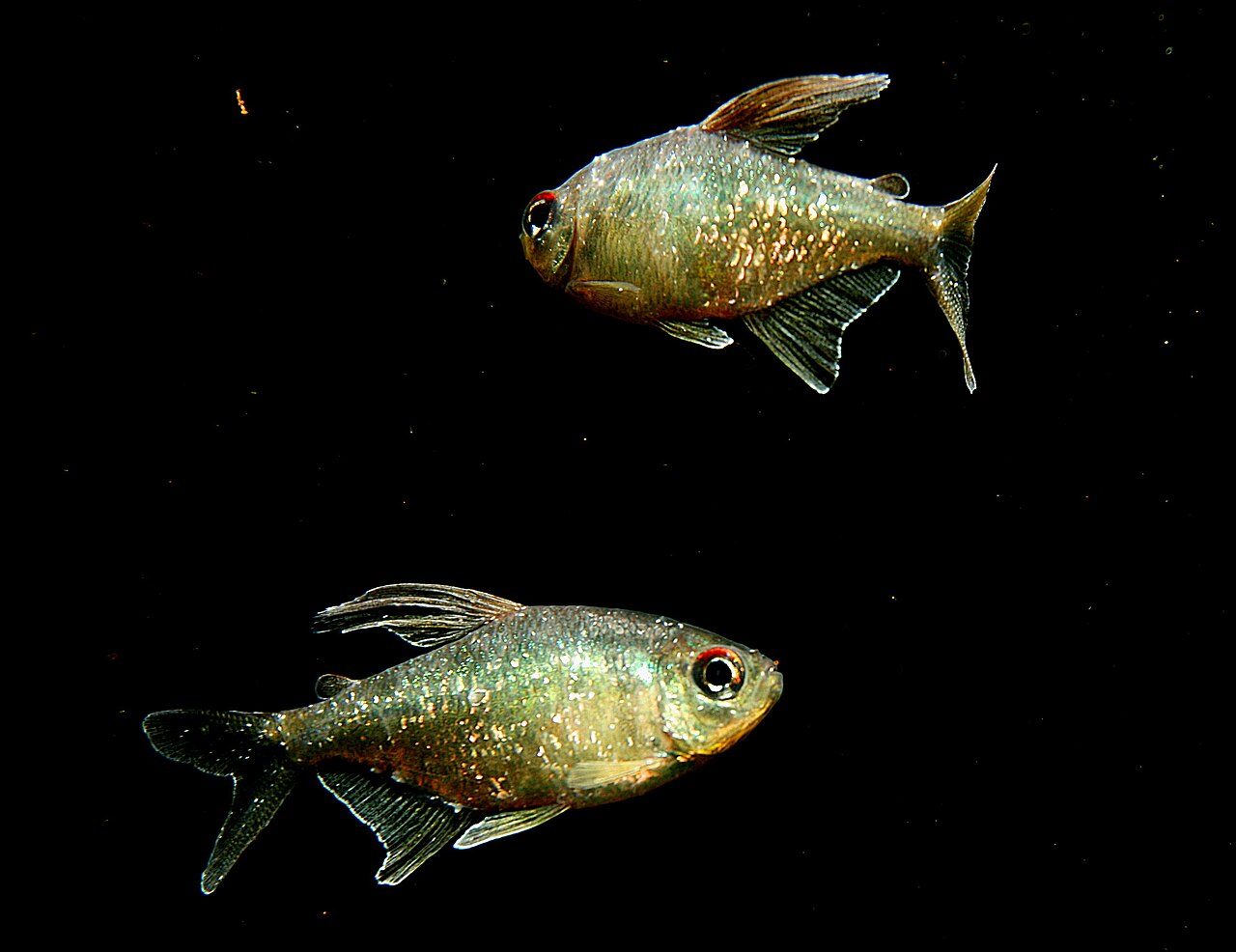
Another tell-tale sign is the loss of their iridescent sheen. A healthy Diamond Tetra should look like it is covered in crushed diamonds; a stressed fish will appear dull, grey, and translucent.
Pro Tip: The “Night Light” Test
In my experience, Diamond Tetras show their truest colors and behaviors about 30 minutes after the lights come on. If they remain pale or huddled at the back of the tank long after the “sunrise” period, you should immediately test your water parameters for an ammonia spike.
Common Diamond Tetra Diseases and Symptoms
When stress is left unaddressed, the fish’s immune system weakens, making them susceptible to opportunistic pathogens. Understanding which disease is striking is vital for choosing the correct treatment.
Ichthyophthirius multifiliis (White Spot Disease)
Commonly known as Ich, this parasite is the bane of many hobbyists. It presents as tiny, salt-like white grains on the fins and body of the fish.
Because Diamond Tetras have such reflective scales, Ich can sometimes be hard to spot until it has heavily colonized the fins. You might notice your fish “flashing” or rubbing their bodies against rocks and substrate to dislodge the parasites.
Flavobacterium columnare (Columnaris)
Often mistaken for a fungal infection, Columnaris is a highly contagious bacterial disease. It usually appears as “saddleback” lesions or white, cottony patches around the mouth and dorsal fin.
This bacteria does well in warmer water and can kill a school of tetras within 24 to 48 hours if not treated with antibiotics. If you see frayed fins and a white film, you must act fast.
Saprolegniasis (Cotton Wool Disease)
This is a true fungal infection that typically targets fish with existing injuries. If your Moenkhausia pittieri have been nipping at each other or were injured during a net transfer, Saprolegniasis may set in.
It looks like white or grey tufts of cotton wool protruding from the skin. Unlike Columnaris, which looks flat and filmy, this fungus has a distinct 3D “fluffy” texture.
| Disease Name | Primary Symptom | Typical Cause |
|---|---|---|
| Ich (White Spot) | White salt-like spots | Temperature fluctuations |
| Columnaris | White/grey filmy patches | High organic waste / Heat |
| Saprolegniasis | Cottony growth | Physical injury |
| Septicemia | Red streaks on body/fins | Nitrite toxicity |
Why Your Diamond Tetra is Dying: The Role of Water Quality
When I see a sudden influx of Diamond Tetra disease / dying / stress signs, the culprit is almost always the water chemistry. These fish are native to soft, slightly acidic waters in Venezuela, and they do not handle chemical spikes well.
Ammonia and Nitrite toxicity are the leading causes of sudden death. Even a small reading of 0.25 ppm can cause permanent gill damage and suppress the immune system.
Furthermore, Hemorrhagic septicemia can occur when bacteria enter the bloodstream through the gills or skin, often triggered by poor water conditions. This causes visible red streaks or bloody patches under the skin.
Dissolved Oxygen Saturation
Diamond Tetras are high-energy fish that require significant oxygen levels. If your tank has low surface agitation or the temperature is too high, the dissolved oxygen saturation drops.
I have noticed that in heavily planted tanks during the night, oxygen levels can dip significantly. If you find your Diamond Tetras gasping in the morning, consider adding an air stone or increasing filter flow.
Osmotic Shock and Acclimation Errors
Many keepers lose their Diamond Tetras shortly after bringing them home from the store. This is frequently due to osmotic shock, which happens when a fish is moved too quickly between waters with different mineral contents.
Diamond Tetras need time for their internal systems to adjust to the TDS (Total Dissolved Solids) of your tank. If the transition is too fast, their cells cannot regulate water intake, leading to organ failure.
I always recommend the drip acclimation method for at least 45 to 60 minutes. This slow transition is much safer than the “plop and drop” method for sensitive different kinds of tetra fish.
Environmental Stress and Tank Mates
Stress isn’t always chemical; sometimes it is social. While Diamond Tetras are generally peaceful, they can be boisterous and may occasionally nip at long-finned tank mates.
Conversely, if they are housed with aggressive cichlids or very large fish, they will live in a constant state of fear. This chronic stress keeps their cortisol levels high, which eventually leads to a physical breakdown.
If you are considering keeping a Diamond Tetra with Betta fish, make sure the tank is at least 20-30 gallons. This provides enough space for both species to establish territories without constant confrontation.
Pro Tip: Schooling Numbers Matter
Diamond Tetras are “shoaling” fish. In my experience, keeping fewer than six individuals leads to extreme shyness and stress-related illnesses. Aim for a group of 8 to 12 to see their natural, confident behavior and rich colors.
How to Treat and Prevent Diamond Tetra Illness
If you have identified Diamond Tetra disease / dying / stress signs, you must act methodically. Do not just dump random medications into the tank, as this can crash your beneficial bacteria.
Step 1: The Water Change
Perform a 30-50% water change using a high-quality water conditioner. This immediately reduces the concentration of toxins and pathogens in the water column.
Step 2: Quarantine
If only one or two fish are showing signs of Flavobacterium columnare or fungus, move them to a separate hospital tank. This prevents the spread of infection and allows you to use specific medications without affecting your plants or shrimp.
Step 3: Targeted Medication
For Ich, raising the temperature slowly to 86°F (30°C) and using a copper-based or malachite green treatment is standard. For bacterial issues like septicemia or Columnaris, look for medications containing Kanamycin or Erythromycin.
Step 4: Improve Nutrition
A stressed fish needs high-quality energy to recover. Feeding a variety of frozen foods like daphnia or brine shrimp can boost their immune system better than dry flakes alone.
Maintaining Long-Term Health
Preventing Diamond Tetra disease / dying / stress signs is much easier than treating them. Consistency is the most important factor in aquarium success.
Using a liquid test kit weekly will help you catch an ammonia spike before it becomes lethal. Additionally, keeping your temperature stable with a high-quality heater prevents the stress that triggers Ich outbreaks.
If you are a new hobbyist, keep in mind that Diamond Tetras are among the best tetra fish for beginners as long as the tank is fully cycled. They are satisfying, beautiful, and full of personality when kept in the right conditions.
FAQ: Diamond Tetra Health
Why is my Diamond Tetra swimming vertically?
Swimming vertically or “headstanding” usually indicates a swim bladder issue. This can be caused by constipation, a bacterial infection, or sudden changes in water pressure/temperature.
Can Diamond Tetras recover from fin rot?
Yes, fin rot is usually a symptom of poor water quality. By improving the water parameters and using a mild antibacterial treatment, the fins will eventually regrow, though they may look slightly scarred.
How long do Diamond Tetras live?
Looked after properly and a stress-free environment, Diamond Tetras can live for 3 to 6 years. Their longevity is directly tied to the stability of their environment and the quality of their diet.
Why are my tetras hiding all of a sudden?
If your school of tetras is hiding, check your nitrate levels first. High nitrates or a sudden change in light intensity can make them feel vulnerable and stressed.
Final thoughts
Managing Diamond Tetra disease / dying / stress signs requires a keen eye and a proactive approach. If you watch their behavior, maintaining pristine water quality, and ensuring they have a large enough school, you can prevent most common issues.
A Diamond Tetra’s shimmering scales are the best “health meter” you have. When they sparkle, your tank is healthy; when they fade, it is time to investigate.
Looked after properly, these beautiful fish will remain the centerpiece of your aquarium for years to come. Stay diligent with your water changes, feed a high-quality diet, and your Moenkhausia pittieri will continue to dazzle everyone who sees them.

- 2003First tank
- 20+Years keeping
- 40+Tanks kept
- 0Sponsored picks
Howard set up his first 10-gallon planted tank in 2003 and lost half of it within six weeks. Two decades and more than forty aquariums later, he writes the guides he wished he had then: clear numbers, the reasons behind them, and what actually goes wrong in home tanks.