Diamond Tetra Lifespan – How To Maximize The Longevity
A healthy Diamond Tetra lifespan typically ranges from 3 to 6 years in a well-maintained home aquarium. Providing best water quality, a varied diet, and a stress-free environment are key factors in maximizing their longevity.
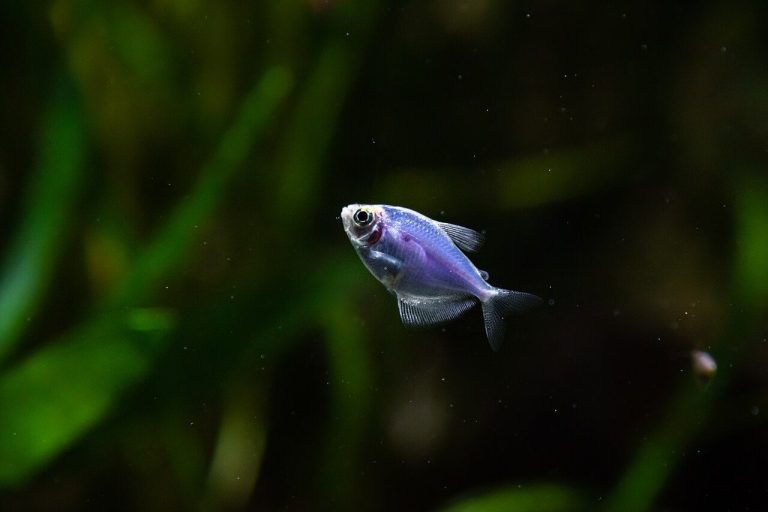
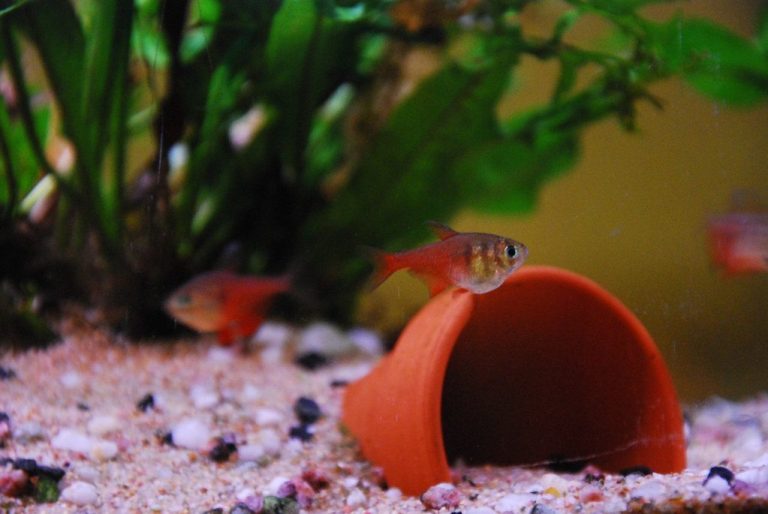
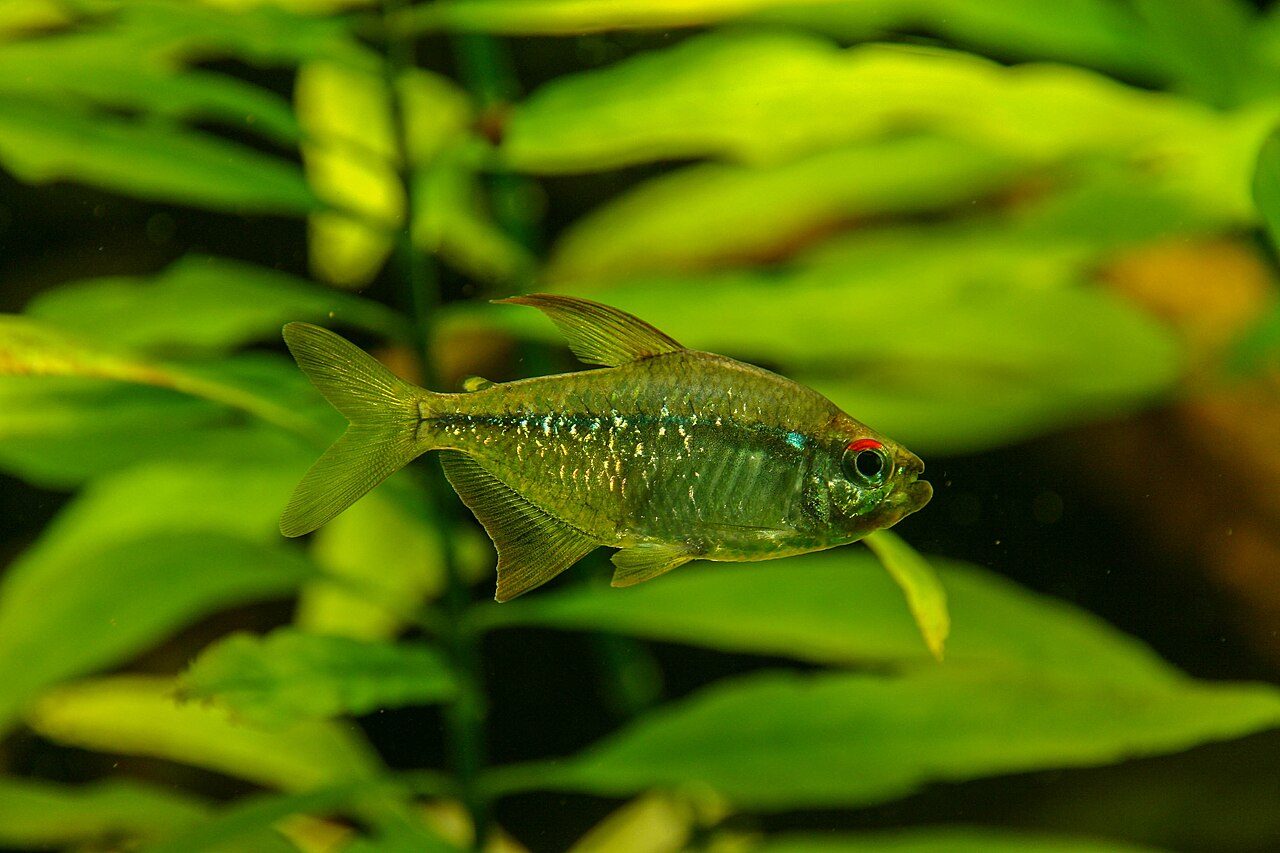
The Diamond Tetra, scientifically known as Moenkhausia pittieri, is one of the most underrated gems in the freshwater hobby. When you first see them in a pet store tank, they often look like plain, silvery fish that might not catch your eye.
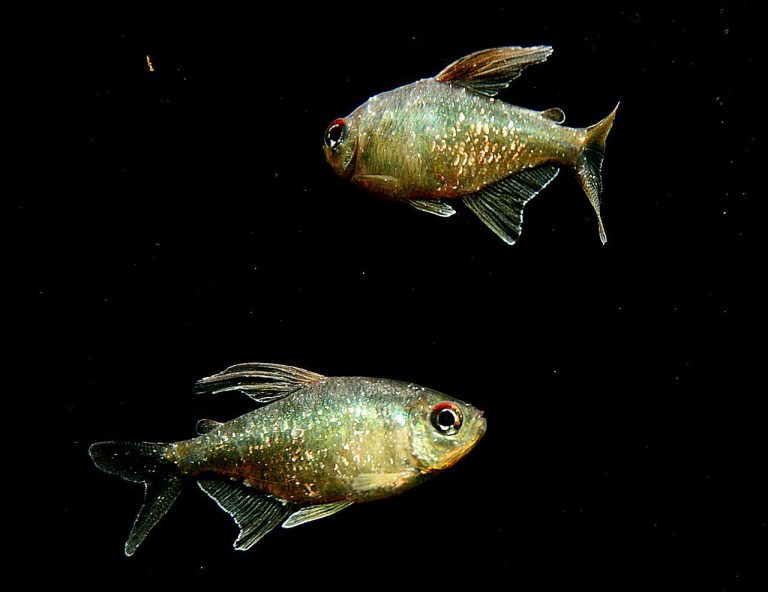
However, once they settle into a mature aquarium, their scales develop a striking iridescence that mimics the sparkle of real diamonds. Over my ten years of keeping various members of the Characidae family, I have found that the Diamond Tetra lifespan is heavily dependent on the care you provide during their first few months in your home.
In this guide, I will share everything I have learned about keeping these shimmering beauties healthy for as long as possible. We will go through water chemistry, nutrition, and the subtle environmental cues that keep these fish healthy well past their average age.
At a glance: Diamond tetra (Moenkhausia pittieri)
- Temperature
- 75–82°F (24–28°C)
- Water pH
- 6.0–7.5
- Adult size
- 2.5 in (6 cm)
- Minimum tank
- 20 gal
- Group size
- Groups of 6+
- Temperament
- Peaceful
- Diet
- Omnivore: flakes, pellets, live and frozen foods
- Lifespan
- 5–6 years
Keeper’s tip: The sparkling scales take months to develop; young fish in stores look fairly plain.
Diamond Tetra Lifespan: What to Expect?
In a typical home aquarium, the Diamond Tetra lifespan usually falls between 3 and 6 years. While some hobbyists may see their fish pass away closer to the three-year mark, those who pay close attention to water stability often see them reach five or six years.
In the wild, specifically in the Lake Valencia basin in Venezuela, their lifespan might be shorter due to predation and seasonal environmental shifts. In captivity, we have the advantage of controlled environments, which allows us to extend their lives significantly.
It is important to keep in mind that these fish are continuous growers to an extent. As they age, their “diamond” scales become more prominent, and their fins, especially in males, become longer and more elegant.
| Factor | Average Expectation | Right Potential |
|---|---|---|
| Standard Lifespan | 3 – 4 Years | 5 – 6+ Years |
| Adult Size | 2.0 – 2.4 Inches | 2.5+ Inches |
| Color Maturity | 6 – 9 Months | 12+ Months (Full Shimmer) |
Water Chemistry and Environmental Stability
The single most important factor in determining the Diamond Tetra lifespan is the consistency of your water parameters. These fish are relatively hardy, but they settle in best in soft, slightly acidic water that mimics their natural habitat.
When water parameters fluctuate wildly, it puts an immense strain on the fish’s ability to perform osmoregulation. This is the process by which fish maintain the balance of water and salt in their bodies, and chronic stress here leads to premature organ failure.
In my experience, maintaining a stable Carbonate hardness (dKH) and General hardness (dGH) is more important than chasing a “perfect” pH number. Sudden swings in hardness can shock their system, leading to a weakened immune response.
Pro Tip: If you find your Diamond Tetras are looking dull or hiding frequently, check your nitrate levels. These fish are more sensitive to nitrogenous waste accumulation than many other tetras, and keeping nitrates below 20ppm is vital for their long-term health.
| Parameter | Ideal Range |
|---|---|
| Temperature | 75°F to 82°F (24°C – 28°C) |
| pH Level | 5.5 to 7.5 (6.5 is ideal) |
| General Hardness (dGH) | 4 to 12 dGH |
| Carbonate Hardness (dKH) | 2 to 8 dKH |
The Importance of Oxygen and Filtration
Diamond Tetras come from waters that are often well-oxygenated. Making sure high levels of dissolved oxygen saturation is vital, especially if you keep your tank at the higher end of their temperature range.
Warmer water holds less oxygen, so I always recommend using an air stone or ensuring the filter outlet creates enough surface agitation. Efficient filtration also helps make sure that ammonia and nitrites stay at zero, preventing the toxic conditions that drastically shorten any Diamond Tetra lifespan.
Nutrition: Feeding for Color and Longevity
To reach the upper limits of the Diamond Tetra lifespan, these fish require a diet that is both varied and high in quality. In the wild, they are omnivores, consuming small insects, crustaceans, and plant matter.
I have noticed that Diamond Tetras fed exclusively on low-quality flakes often lose their sparkle and become susceptible to diseases. To keep their immune systems strong, you should provide a mix of dry, frozen, and live foods.
Using the best fish food for tetras makes sure they receive the carotenoids and minerals needed for that signature iridescence. High-quality pellets or flakes should form the base of their diet, but supplements are key.
Recommended Foods for Diamond Tetras
- Frozen/Live Foods: Bloodworms, brine shrimp, and daphnia are excellent for protein and mimic their natural prey.
- Vegetable Matter: They will occasionally nibble on soft-leaved plants, so providing a spirulina-based flake can be beneficial.
- Color Enhancers: Foods containing krill or astaxanthin will make those diamond scales pop.
When I first started keeping Moenkhausia pittieri, I made the mistake of overfeeding. Overfeeding leads to fatty liver disease and poor water quality, both of which are silent killers in the aquarium.
Stress is a major factor that can cut a Diamond Tetra lifespan short. These are schooling fish, and keeping them in groups of fewer than six is a recipe for disaster.
When kept in a proper school (ideally 8 to 12 individuals), they feel secure and display much more natural behavior. In smaller groups, the dominant fish may bully the weaker ones, leading to physical injury and chronic stress.
They are generally peaceful and can even be considered when looking for companions for other species, such as living with bettas in larger, well-planted tanks. However, they are quite active, so help their tank mates aren’t too timid.
Pro Tip: To see the best colors and reduce stress, use a dark substrate and plenty of floating plants. The subdued lighting makes the fish feel safe, and the contrast against a dark floor makes their scales shimmer like stars.
Creating a Natural Habitat
Including driftwood and leaf litter in your tank setup can provide humic substances and tannic acid. These natural compounds have mild antibacterial and antifungal properties, which help protect the fish’s slime coat.
This “blackwater” or “botanical” approach closely mimics the slow-moving tributaries where these fish originate. In my experience, fish kept in “botanical-rich” environments often live longer and exhibit more bright health.
Common Diseases and Prevention
Even with the best care, Diamond Tetras can occasionally fall ill. The most common ailment seen in the hobby is Ichthyophthirius multifiliis, commonly known as Ich or white spot disease.
Because Diamond Tetras have slightly larger scales than neon tetras, they can sometimes hide the early stages of Ich better. You must keep a close eye on their behavior; if you see them “flashing” or rubbing against decor, it is time to check your water and consider treatment.
Preventing Common Ailments
- Quarantine: Always quarantine new arrivals for at least 2-4 weeks to prevent introducing parasites.
- Temperature Stability: Use a high-quality heater to prevent “Ich-inducing” temperature drops during winter months.
- Water Changes: Regular 25-30% weekly water changes are the best defense against almost all freshwater diseases.
While exploring other tetra varieties, you might notice that some are more prone to specific genetic issues. Diamond Tetras, however, are generally strong as long as their environment is clean.
Breeding and the Life Cycle
While many keepers are just looking to enjoy the Diamond Tetra lifespan in a community setting, breeding them can be a satisfying way to observe their full life cycle. As they reach sexual maturity (usually around 6 to 9 months), the differences between males and females become obvious.
Males develop much longer dorsal and anal fins, and their bodies are more compressed and “tall.” Females are rounder, especially when carrying eggs, and their finnage is more modest.
If you successfully spawn them, the fry are quite small and require infusoria or “green water” as their first food. Watching them grow from tiny slivers into shimmering adults is one of the most satisfying experiences in the hobby.
Still wondering?
How can I tell if my Diamond Tetra is reaching the end of its lifespan?
As Diamond Tetras age, they may become less active and their colors might start to fade slightly. You may also notice a slight “hump” in their back or a thinning of the body. If the fish is still eating and swimming comfortably, it is simply growing old.
Do Diamond Tetras need a heater?
Yes, they are tropical fish and require a consistent temperature between 75°F and 82°F. Significant drops in temperature can weaken their immune system and lead to a shorter lifespan.
Can Diamond Tetras live in a 10-gallon tank?
I do not recommend it. Because they are active swimmers and need to be in a school, a 20-gallon long or a 29-gallon tank is the minimum for a healthy group. Small tanks lead to stunted growth and increased stress.
Why are my Diamond Tetras not shimmering?
This is usually due to age or stress. Young fish haven’t developed their iridescent scales yet. If the fish are adults, check your water parameters and ensure you are providing high-quality food with color-improving ingredients.
Wrapping up
Maximizing the Diamond Tetra lifespan is a journey that requires patience, observation, and a commitment to water quality. If you provide a stable environment with soft, acidic water and a diet rich in variety, you can enjoy these “living jewels” for up to six years.
The Moenkhausia pittieri is a social creature that does well on the security of a large school. When you see them darting through the plants, their scales catching the light like tiny disco balls, you’ll know that your efforts in maintaining their habitat have paid off.
Keep your nitrates low, your food high-quality, and your tank well-planted, and you will be well on your way to a successful and long-lasting relationship with these shimmering beauties.

- 2003First tank
- 20+Years keeping
- 40+Tanks kept
- 0Sponsored picks
Howard set up his first 10-gallon planted tank in 2003 and lost half of it within six weeks. Two decades and more than forty aquariums later, he writes the guides he wished he had then: clear numbers, the reasons behind them, and what actually goes wrong in home tanks.