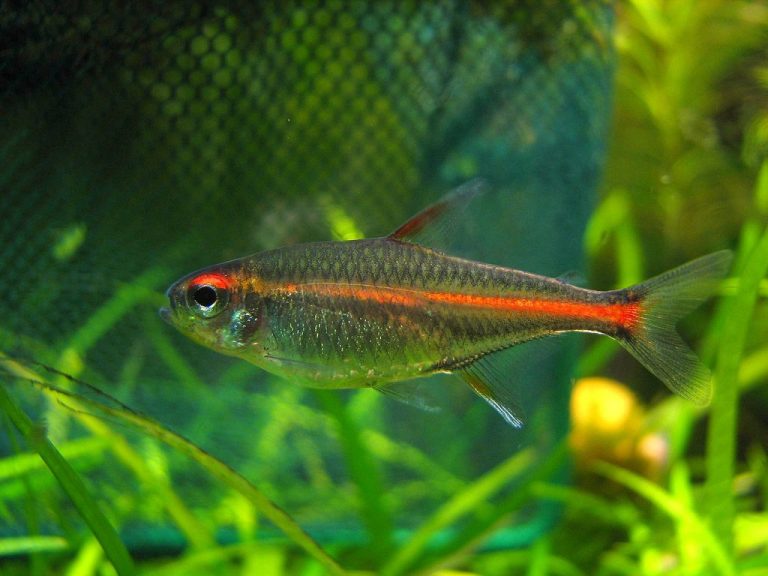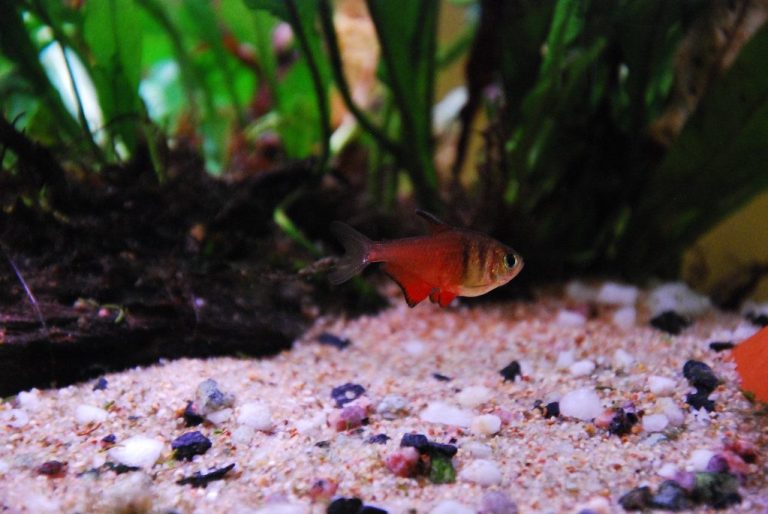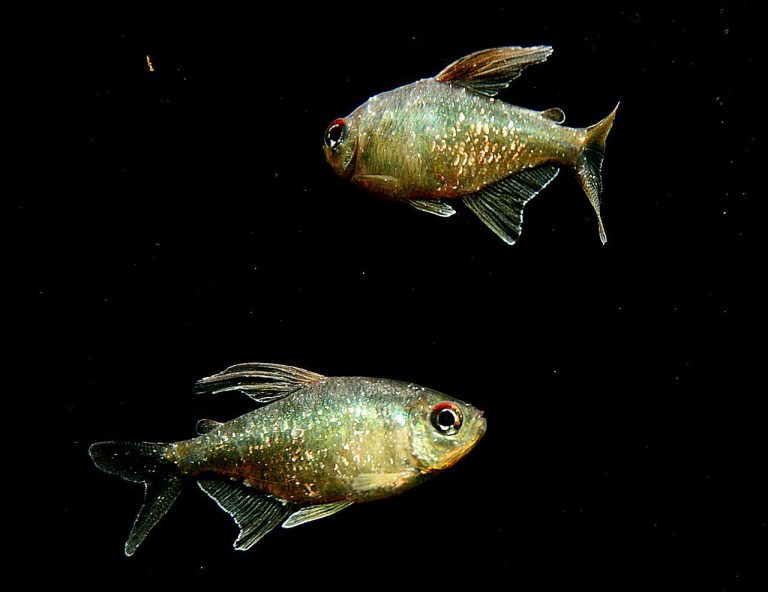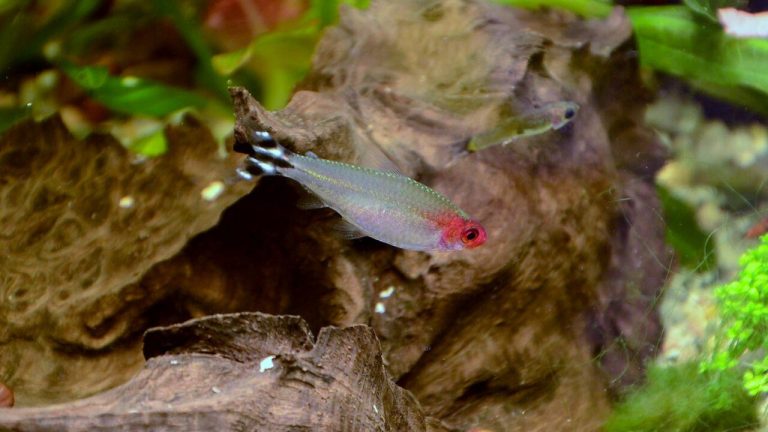
Buenos Aires Tetra Size – How Big They Get
The average Buenos Aires Tetra size is typically 2.5 to 3 inches (6 to 7.5 cm) at maturity. Providing ample swimming space and high-quality nutrition helps make sure these active fish reach their full physical potential.
When you first enter fish keeping, it is easy to be captivated by the shimmering scales and energetic movements of the Buenos Aires Tetra. Known scientifically as Hyphessobrycon anisitsi, these fish are staples in the hobby due to their hardiness and striking appearance.
In my experience, many beginners underestimate how much Buenos Aires Tetra size can impact the dynamics of a community tank. While they may appear small in a pet store display, they grow into sturdy, deep-bodied swimmers that require more space than your average neon tetra.
I have spent over a decade maintaining various South American biotopes, and I’ve noticed that these tetras are often the “powerhouses” of the mid-water column. Understanding their growth trajectory is essential for anyone looking to provide a long-term, healthy home for this member of the Characidae family.
At a glance: Buenos Aires tetra (Psalidodon anisitsi)
- Temperature
- 64–82°F (18–28°C)
- Water pH
- 5.8–8.5
- Adult size
- 2.75 in (7 cm)
- Minimum tank
- 30 gal
- Group size
- Groups of 6+
- Temperament
- Boisterous, eats soft plants
- Diet
- Omnivore with a plant appetite: flakes, pellets, blanched greens
- Lifespan
- 5 years
Keeper’s tip: They will strip soft-leaved plants, so use tough species like java fern and anubias.
Understanding the Buenos Aires Tetra Size and Morphology
When we discuss Buenos Aires Tetra size, we must differentiate between two common measurements used by ichthyologists. Total Length refers to the measurement from the tip of the snout to the end of the tail fin, while Standard Length stops at the base of the tail.
Most hobbyists focus on the total length, which usually tops out around 3 inches in a well-maintained aquarium. These fish possess a sturdy build, characterized by a thick caudal peduncle and a distinct, small adipose fin located between the dorsal and tail fins.
Their body shape is more “lozenge-like” compared to the sleek, torpedo shape of other tetras. This extra girth means they displace more water and produce more waste than thinner species of a similar length.
Pro Tip: When purchasing juveniles, look for fish that are at least 1 inch long. In my experience, fish at this stage have already developed the stamina needed to handle the transition to a new home aquarium.
| Life Stage | Typical Size (Inches) | Typical Size (cm) |
|---|---|---|
| Juvenile (at store) | 1.0 – 1.5″ | 2.5 – 3.8 cm |
| Sub-Adult | 1.5 – 2.2″ | 3.8 – 5.5 cm |
| Adult (Full Size) | 2.5 – 3.0″ | 6.3 – 7.6 cm |
Growth Rate and Expectations
The growth rate of Hyphessobrycon anisitsi is relatively fast during the first six months of life. If you provide them with a high-protein diet, you will see them double in size quite quickly.
I’ve noticed that once they hit the 2-inch mark, their growth slows down as they begin to fill out horizontally. This is the stage where their colors, particularly the red in their fins, become most rich and deep.
Factors That Affect Buenos Aires Tetra Size
Not every tetra will reach the maximum 3-inch mark, as several environmental factors play a role. Genetics is the primary driver, but the care you provide in the first year is the secondary deciding factor.
Water quality is perhaps the most significant environmental influence on growth. High nitrate concentration can stunt the development of young fish, leading to a smaller adult frame and potential skeletal issues.
Diet also plays a massive role in reaching full Buenos Aires Tetra size potential. These fish are omnivores with a notorious appetite for aquatic plants, so a balance of high-quality flakes and frozen foods is vital.
The Role of Tank Volume
While some claim you can keep them in small tanks, I always recommend at least a 20-gallon long aquarium for a small school. The “long” footprint provides the horizontal swimming space these active fish need to exercise their muscles.
In smaller, cramped environments, I have seen tetras become more aggressive and fail to reach their full physical stature. Space directly correlates with the psychological and physical well-being of the fish.
If you are interested in how this species compares to others in terms of space, you might want to look into proper care requirements to make sure they have the room they need.
Sexual Dimorphism and Size Differences
When trying to determine the sex of your fish, size is one of your best indicators. Sexual dimorphism in Buenos Aires Tetras is subtle but noticeable once they reach maturity.
Females are generally larger and have a much rounder, deeper belly than males. This is especially evident when the female is carrying eggs, making her look significantly “taller” in the water column.
Males, on the other hand, tend to stay slightly smaller and leaner. However, they make up for their smaller size with more intense coloration, particularly in the dorsal and anal fins.
Common Mistake: Many keepers assume a bloated-looking tetra is sick with dropsy. Often, it is simply a healthy, mature female that has reached her maximum size and is ready to spawn.
Identifying Healthy Growth
A healthy, growing tetra should have clear eyes, intact fins, and a strong body. If you notice a “sunken” belly or a curved spine, these are signs of malnutrition or internal parasites rather than a natural size variation.
I always suggest observing them during feeding time. A tetra that is not competing for food will quickly fall behind its siblings in terms of growth and overall size.
Optimizing the Environment for Healthy Growth
To make sure your fish reach their maximum Buenos Aires Tetra size, you must focus on water parameters. These fish are incredibly adaptable, which is why they are often recommended for cooler water setups.
They stay healthy in water with a dGH (General Hardness) between 5 and 20. Maintaining a stable pH and temperature prevents the stress that can otherwise divert energy away from growth and toward survival.
Regular water changes are the “secret sauce” for big, healthy tetras. If you keep the nitrate concentration low (ideally under 20 ppm), you remove the hormones and waste products that can inhibit growth.
| Parameter | Ideal Range | Impact on Growth |
|---|---|---|
| Temperature | 64°F – 82°F (18°C – 28°C) | Stable metabolism supports size. |
| pH Level | 6.0 – 8.5 | Prevents stress-related stunting. |
| Water Hardness (dGH) | 5 – 20 dGH | Essential minerals for bone growth. |
Nutrition for Maximum Size
Feeding is about more than just calories; it is about variety. I recommend a base of high-quality tropical flakes supplemented with bloodworms or brine shrimp.
Because they are known to eat plants, you can also offer them blanched zucchini or spinach. Providing these greens satisfies their natural grazing instincts and ensures they get the vitamins necessary for a strong immune system.
The Relationship Between Size and Tank Mates
Because the Buenos Aires Tetra size is larger than many other common tetras, you have to be careful with their companions. They are very active and can sometimes be “nippy” if they are bored or kept in too small a group.
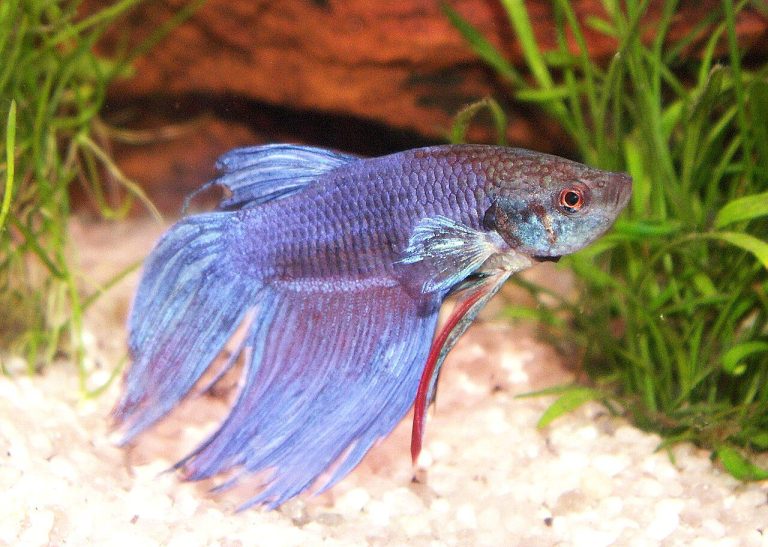
Their size allows them to live with slightly larger, more boisterous fish that might intimidate smaller neons. However, they should not be kept with slow-moving, long-finned fish like Bettas or Fancy Guppies.
When choosing ideal companions, look for fish that share their speed and energy. Medium-sized barbs or other solid tetras usually make the best neighbors.
The Importance of Schooling
In my years of keeping these fish, I’ve found that the group size affects how they use their space. A group of at least six is necessary to distribute aggression and make them feel secure.
When they feel safe in a school, they are more likely to swim in the open and display their full size. A lonely tetra will often hide, which can lead to stress and a decline in health.
Common questions
How long does it take for a Buenos Aires Tetra to reach full size?
Most individuals will reach their maximum Buenos Aires Tetra size within 8 to 12 months. This timeline depends heavily on diet, water temperature, and the frequency of water changes.
Can I keep Buenos Aires Tetras in a 10-gallon tank?
I strongly advise against this. While they might fit as juveniles, their adult size and high energy levels make a 10-gallon tank much too restrictive for a proper school.
Are they too big to keep with shrimp?
Yes, an adult Buenos Aires Tetra will likely view dwarf shrimp (like Cherry Shrimp) as a snack. Their mouth size is surprisingly large, and they are opportunistic hunters.
Do they grow bigger in outdoor ponds?
In some climates, they can be kept in ponds during the summer. The abundance of natural live food and massive water volume can sometimes result in slightly larger, more strong specimens than those kept indoors.
Why is my tetra smaller than the others in the group?
This could be due to sex (males are smaller) or social hierarchy. The “runt” of the group may be getting bullied during feeding time, which prevents it from reaching its full potential.
A last word
Understanding Buenos Aires Tetra size is the first step toward becoming a successful keeper of this bright species. By acknowledging that they can reach up to 3 inches, you can plan your aquarium layout and stocking list more effectively.
Providing a 20-gallon long tank or larger is the best way to ensure they have the room to stay healthy. These fish are not just “another tetra”; they are active, intelligent, and hardy additions to the right community.
If you focus on low nitrate concentration, a varied diet, and a proper social structure, your tetras will reward you with years of shimmering activity. They are one of the most satisfying species for the intermediate aquarist who wants a fish with a bit more “presence” in the tank.
Always keep an eye on their growth and adjust your maintenance routine as they mature. Looked after properly, your Buenos Aires Tetras will be the centerpiece of your aquarium for a long time to come.

- 2003First tank
- 20+Years keeping
- 40+Tanks kept
- 0Sponsored picks
Howard set up his first 10-gallon planted tank in 2003 and lost half of it within six weeks. Two decades and more than forty aquariums later, he writes the guides he wished he had then: clear numbers, the reasons behind them, and what actually goes wrong in home tanks.