Emperor Tetra Lifespan – How to Help Them Live Longer
The average Emperor Tetra lifespan is typically 4 to 6 years in a well-maintained home aquarium. If you provide ideal water parameters, a varied diet, and a stress-free environment, these striking fish can occasionally reach 8 years of age.
Few fish bring as much elegance to a community tank as the Nematobrycon palmeri. Known for their iridescent purple hues and unique “trident” tails, these members of the Characidae family are a personal favorite of mine.
I remember the first time I brought home a school of six; their regal swimming patterns immediately transformed my 29-gallon tank. Over the last decade, I have learned that achieving a long Emperor Tetra lifespan isn’t just about luck.
It requires a deep understanding of their biological needs and their natural habitat in the San Juan and Atrato river basins. In this guide, I will share the exact strategies I use to keep these fish flourishing for many years.
At a glance: Emperor tetra (Nematobrycon palmeri)
- Temperature
- 73–81°F (23–27°C)
- Water pH
- 5.0–7.8
- Adult size
- 2 in (5 cm)
- Minimum tank
- 20 gal
- Group size
- Groups of 6+
- Temperament
- Peaceful, males spar
- Diet
- Omnivore: flakes, pellets, frozen foods
- Lifespan
- 5–6 years
Keeper’s tip: Keep more females than males so one dominant male does not stress the rest.
Understanding the Emperor Tetra Lifespan and Biological Foundations
In the wild, these fish face predators and fluctuating environmental conditions that often shorten their lives. However, in a controlled aquarium, we can mitigate these risks and extend their years significantly.
The typical Emperor Tetra lifespan is influenced heavily by the quality of their environment from the moment they are juvenile. If they are kept in cramped or dirty conditions early on, their long-term health may be permanently compromised.
I have noticed that fish sourced from reputable local breeders tend to live longer than those from high-volume commercial wholesalers. This is likely due to the reduced stress of transport and better initial nutrition.
Pro Tip: When selecting your fish, look for active individuals with clear eyes and intact fins. Avoid any that appear lethargic or have “clamped” fins, as these are early signs of stress that can lead to a premature end to their life.
Creating a Stable Environment for Longevity
Stability is the cornerstone of a healthy aquarium. While many tetras are hardy, the Nematobrycon palmeri does well best when water parameters do not swing wildly.
To ensure your fish reach the upper end of the Emperor Tetra lifespan, you must focus on biological filtration and oxygenation. High levels of dissolved oxygen saturation are vital for their metabolic health.
I always recommend using a high-quality canister filter or a large sponge filter to maintain a gentle but steady flow. This mimics the slow-moving streams of their Colombian homeland.
| Parameter | Ideal Range | Impact on Lifespan |
|---|---|---|
| Temperature | 73°F – 81°F (23°C – 27°C) | Reduces metabolic stress and prevents disease. |
| pH Level | 5.5 – 7.5 | Maintains protective slime coat and gill function. |
| Carbonate Hardness (dKH) | 3 – 8 dKH | Buffers pH to prevent dangerous “crashes.” |
| Ammonia / Nitrite | 0 ppm | Prevents acute and chronic toxicity. |
The Importance of Water Chemistry
Maintaining a low carbonate hardness is often overlooked by beginners, but it is essential for soft-water species. If the water is too hard, the fish may struggle with osmotic regulation, which taxes their organs over time.
I have found that using a mix of RO (Reverse Osmosis) water and dechlorinated tap water helps achieve the perfect balance. This extra effort pays off when you see your tetras displaying their full, colorful colors well into their fifth year.
The Role of a Blackwater Habitat in Health
In my experience, Emperor Tetras look and feel their best in a blackwater habitat. This environment is characterized by tea-colored water rich in humic substances and tannins.
These tannins are not just for aesthetics; they possess natural antibacterial and antifungal properties. These properties act as a continuous, mild preventative against common pathogens.
I often use peat filtration or add dried Indian Almond leaves (Catappa leaves) to the tank. This naturally lowers the pH and provides a sense of security that reduces cortisol levels in the fish.
Why Humic Substances Matter
Humic substances help to detoxify heavy metals and reduce the impact of nitrogenous waste toxicity. By creating an environment that mimics their natural river systems, you reduce the physiological burden on the fish.
When I first started keeping this species, I kept them in crystal-clear, hard water. They lived for about three years. Once I switched to a more natural, tannin-rich setup, I saw a significant increase in the Emperor Tetra lifespan.
For those just starting out, I highly recommend reading my guide on the Emperor Tetra for beginners to get your setup right from day one.
Nutrition: Feeding for Vitality and Color
A monotonous diet is a shortcut to a shortened lifespan. To keep their immune systems sturdy, you must provide a variety of high-quality foods.
In the wild, these fish are micropredators, feeding on small insects, larvae, and crustaceans. In the home aquarium, they should be fed a base of high-quality flake or micro-pellet food.
However, the “secret sauce” for a long life is the inclusion of frozen or live foods. I personally feed my school daphnia, brine shrimp, and bloodworms at least three times a week.
Pro Tip: Avoid overfeeding at all costs. Excess food decays and increases the concentration of nitrates, leading to chronic stress. Only feed what they can consume in two minutes.
Improving Coloration Through Diet
Emperor Tetras are famous for their blue and purple sheen. This coloration is a direct indicator of their health; a pale fish is often a stressed or poorly fed fish.
Foods containing carotenoids can help improve these colors. When the fish is well-fed and healthy, they are less likely to succumb to opportunistic infections that might otherwise cut their life short.
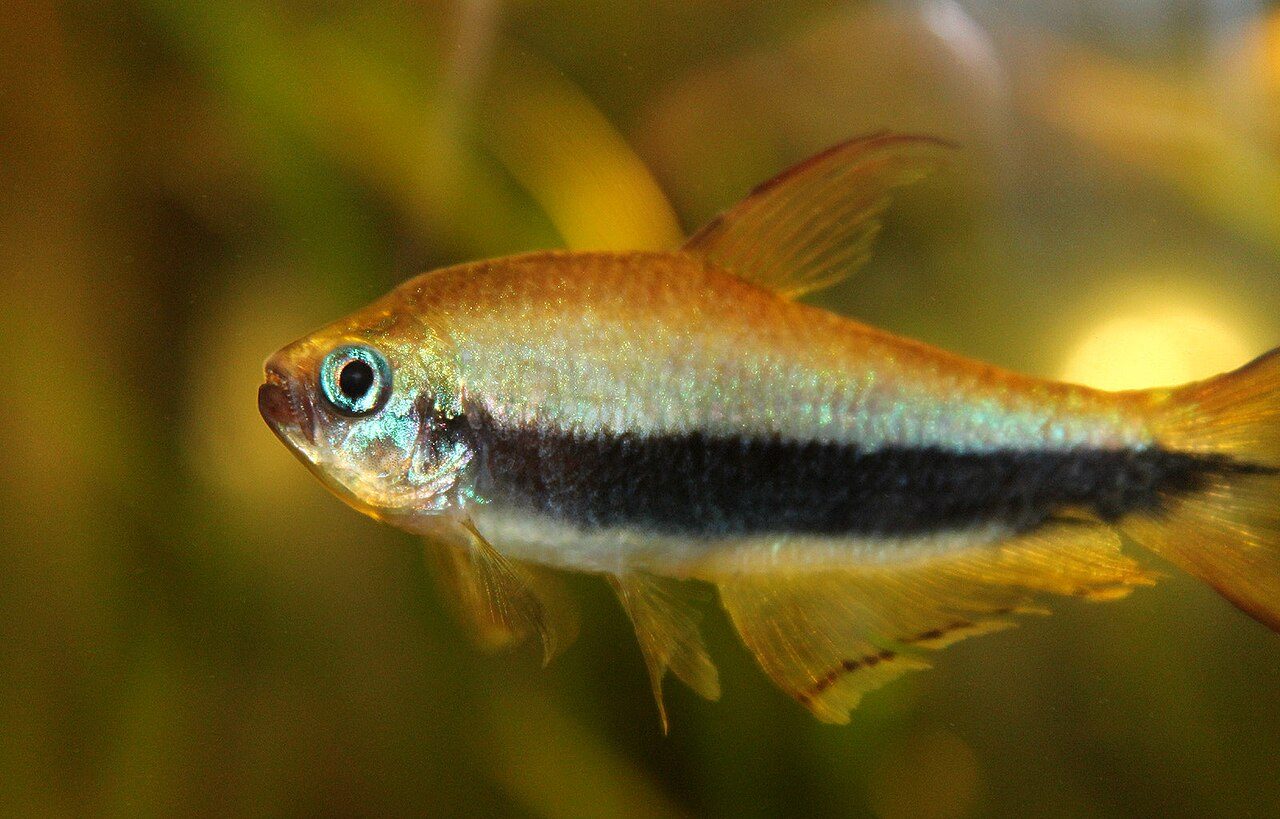
Understanding sexual dimorphism is vital for managing tank harmony. Males are larger, possess extended dorsal and anal fins, and have a distinct three-pronged tail.
Males can be somewhat territorial with one another. If you have too many males in a small space, constant sparring will lead to physical injuries and chronic stress.
Chronic stress is perhaps the biggest silent killer in the hobby. It suppresses the immune system, making the fish vulnerable to even the most minor environmental changes.
Finding the Right Tank Mates
Emperor Tetras are peaceful but can be assertive during feeding. They do well with other medium-sized tetras, rasboras, and peaceful bottom dwellers like Corydoras.
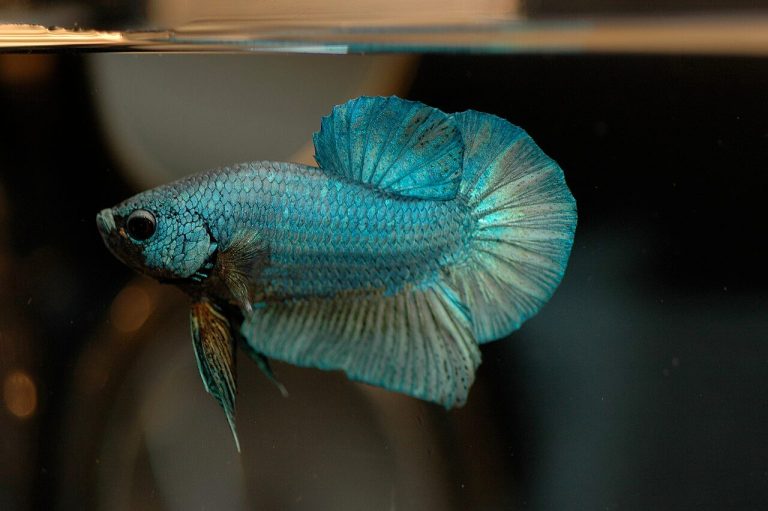
I have also had great success keeping them with certain long-finned companions. If you are interested in a community setup, check out my thoughts on keeping the Emperor Tetra with Betta fish for a striking display.
Managing Disease and Preventing Premature Death
Even with the best care, pathogens can enter an aquarium. The most common threat to the Emperor Tetra lifespan is Ichthyophthirius multifiliis, commonly known as Ich.
Because these tetras have relatively small scales, they can be sensitive to certain medications. I always prefer a “prevention first” approach by using a quarantine tank for all new arrivals.
If you do spot white spots on your fish, increase the temperature slightly and use a copper-free medication if possible. Early detection is the difference between a minor setback and a total tank wipeout.
Guarding Against Nitrogenous Waste Toxicity
As fish age, their ability to handle poor water quality diminishes. Nitrogenous waste toxicity, caused by spikes in ammonia or high long-term nitrates, can cause permanent gill damage.
I perform 25% water changes every week religiously. This consistency helps make sure that the “old fish” in my school aren’t suddenly shocked by a massive change in water chemistry after months of neglect.
FAQ
How can I tell if my Emperor Tetra is reaching the end of its life?
Older Emperor Tetras may show a slight “hump” in their back or a thinning of the body. They may also become less active during feeding and spend more time hovering in the plants.
Does tank size affect the Emperor Tetra lifespan?
Absolutely. While they can survive in a 15-gallon tank, a 30-gallon or larger tank provides more stable water parameters and more swimming room. This extra space reduces social stress among males.
Can they live with shrimp?
Yes, they are generally safe with adult shrimp, though they may snack on tiny shrimplets. Keeping them with shrimp can actually provide enrichment as they forage through the moss.
Why are my tetras losing their purple color?
This is usually a sign of stress or poor water quality. Check your nitrate levels and ensure you are providing enough humic substances in the water.
Do they need a heater?
Yes, they are tropical fish and require a consistent temperature. Fluctuating temperatures can weaken their immune system and lead to a shorter life.
Conclusion: The Reward of Proper Care
Maximizing the Emperor Tetra lifespan is a satisfying challenge for any aquarist. It forces us to become better observers of our underwater ecosystems.
If you focus on the details—like peat filtration, high dissolved oxygen saturation, and a varied diet—you provide these regal fish with the best possible life.
Seeing a five-year-old male Emperor Tetra displaying his full trident tail in a lushly planted tank is one of the most satisfying sights in the hobby. It is proof of your dedication and skill as a keeper.
Every small adjustment you make to improve their environment adds days, months, or even years to their life. Treat them with the respect their “regal” name implies, and they will reward you with years of shimmering beauty.
For more information on different species and how to care for them, feel free to explore our guide on different kinds of tetra fish to expand your collection!

- 2003First tank
- 20+Years keeping
- 40+Tanks kept
- 0Sponsored picks
Howard set up his first 10-gallon planted tank in 2003 and lost half of it within six weeks. Two decades and more than forty aquariums later, he writes the guides he wished he had then: clear numbers, the reasons behind them, and what actually goes wrong in home tanks.