Temp For Neon Tetras – The Expert Guide To Ideal Water Parameters
The ideal temp for neon tetras is between 70°F and 81°F (21°C to 27°C). For right longevity and rich colors, maintaining a stable temperature of 75°F (24°C) is highly recommended by experienced aquarists.
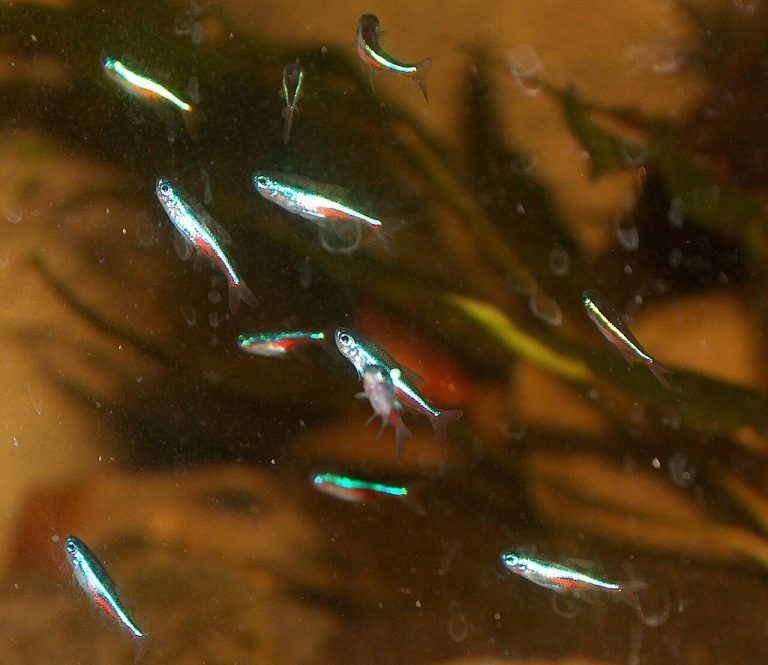
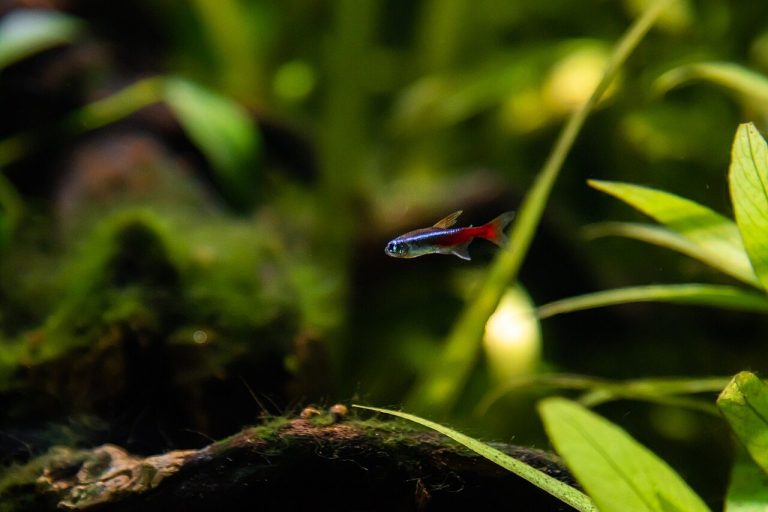
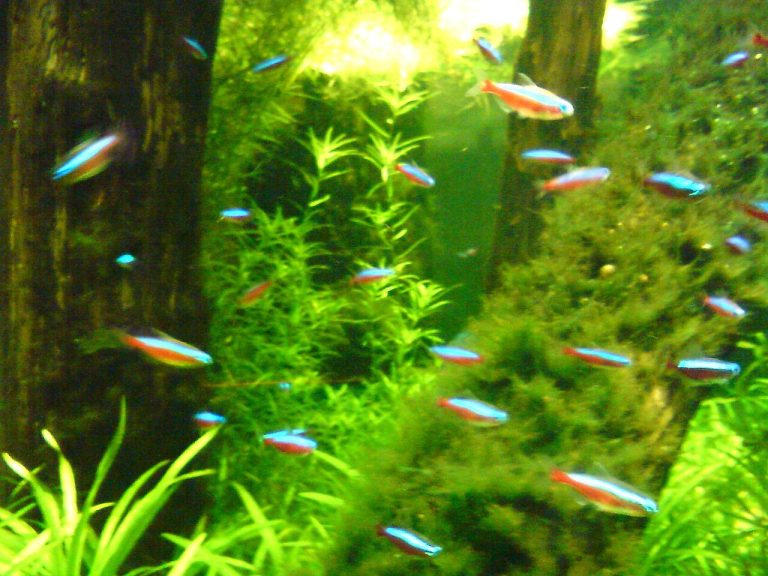
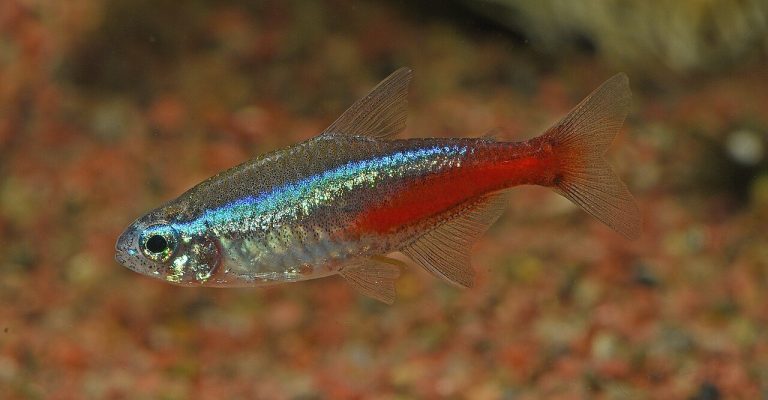
When you first bring home a school of neon tetras, their glowing blue and red stripes are likely what caught your eye. These fish, scientifically known as Paracheirodon innesi, are staples in the hobby for a reason.
In my 10 years of keeping various species, I have found that the temp for neon tetras is often the most overlooked factor in their long-term survival. While they are relatively hardy, they rely entirely on ectothermic regulation to maintain their internal processes.
This means the water temperature dictates their heart rate, digestion, and immune system strength. If you want to see your tetras do well rather than just survive, understanding the nuances of their thermal needs is essential.
At a glance: Neon tetra (Paracheirodon innesi)
- Temperature
- 72–78°F (22–26°C)
- Water pH
- 6.0–7.0
- Adult size
- 1.5 in (4 cm)
- Minimum tank
- 10 gal (20 gal for a proper school)
- Group size
- Groups of 8+
- Temperament
- Peaceful
- Diet
- Omnivore: micro pellets, flakes, frozen daphnia
- Lifespan
- 5–8 years
Keeper’s tip: Add neons only to a fully cycled, stable tank; they are among the first fish to suffer from ammonia swings.
Understanding the Natural Habitat of Neon Tetras
To understand the best temp for neon tetras, we must look at their origins in the Amazon basin. These fish primarily inhabit “blackwater” environments characterized by slow-moving, soft, and acidic water.
A blackwater biotope is often shaded by thick rainforest canopies, which prevents the water from reaching extreme temperatures. This natural shading provides a very stable thermal environment that rarely fluctuates rapidly.
In my experience, replicating this stability is far more important than hitting a specific number on the thermometer. When Paracheirodon innesi are kept in environments that mirror their natural home, they display much deeper coloration.
The Role of Ectothermic Regulation
Fish are cold-blooded, which means they cannot generate their own body heat. Every biological function they perform is tied to the temperature of the water surrounding them.
When the water is too cold, their metabolic rate slows down significantly, leading to lethargy and poor digestion. Conversely, water that is too warm forces their bodies to work overtime, which can shorten their overall lifespan.
Seasonal Variations in the Wild
While the Amazon stays relatively warm year-round, there are slight seasonal shifts in water temperature. These shifts often trigger spawning behaviors in many tetra species.
However, in a home aquarium, we aim for a consistent middle ground to reduce stress. Stability prevents the immune system from becoming compromised by constant environmental changes.
The Ideal Temp for Neon Tetras in the Home Aquarium
Finding the “sweet spot” for your aquarium requires balancing the needs of the fish with the oxygen levels in the water. While the broad range is 70°F to 81°F, I have noticed that 75°F (24°C) provides the best results for community tanks.
At this temperature, the fish remain active without being overly stressed by a high metabolism. It also allows for a high level of dissolved oxygen saturation, which is vital for schooling fish.
| Condition | Temperature Range (°F) | Temperature Range (°C) | Effect on Fish |
|---|---|---|---|
| Minimum (Survival) | 68°F | 20°C | Lethargy, risk of Ich |
| Ideal Range | 72°F – 78°F | 22°C – 26°C | Ideal health and color |
| Maximum (Safe) | 81°F | 27°C | Higher metabolism, lower O2 |
Why Stability Matters More Than the Number
I always tell new hobbyists that a steady 72°F is better than a temperature that swings between 75°F and 80°F every day. Rapid fluctuations cause thermal shock, which is one of the leading causes of death for new additions.
When you are keeping these colorful fish, you must make sure your equipment is reliable. Sudden drops in temperature at night can weaken their slime coat.
A weakened slime coat makes them susceptible to parasites and bacterial infections. This is why a high-quality heater is non-negotiable for a successful setup.
Pro Tip: Always place your heater near the filter intake or outlet. This ensures the warmed water is circulated evenly throughout the tank, preventing “cold spots” that can stress your tetras.
Essential Equipment for Temperature Control
To maintain the perfect temp for neon tetras, you need more than just a heater. You need a way to monitor and verify that the heater is doing its job correctly.
I have seen many beautiful tanks fail because a heater thermostat became stuck in the “on” position. Using a combination of tools provides a safety net for your aquatic pets.
Choosing a Submersible Heater
A submersible heater is the standard for modern aquariums because it can be placed horizontally or vertically. I prefer placing them horizontally near the bottom of the tank where the water is naturally cooler.
Ensure the wattage is appropriate for your properly sized tank. Generally, you want 3 to 5 watts of power for every gallon of water.
The Importance of Thermometers
Never trust the dial on your heater as your only source of information. These dials are notoriously inaccurate and should only be used as a rough guide.
I recommend using a separate digital thermometer with a probe. Digital thermometer calibration is a great practice; you can check its accuracy by placing the probe in a glass of ice water (it should read 32°F or 0°C).
| Tool Type | Pros | Cons |
|---|---|---|
| Glass Thermometer | Cheap, no batteries needed | Hard to read, can break easily |
| Digital Probe | Very accurate, easy to read | Requires batteries, probe can fail |
| Heater Controller | Provides an emergency shut-off | More expensive initial cost |
Common Health Issues Linked to Temperature
When the temp for neon tetras is outside the ideal range, health problems will inevitably arise. I have dealt with several outbreaks over the years that were directly caused by heater failures.
Temperature acts as a catalyst for disease. Pathogens that are always present in the water often only attack when the fish’s immune system is suppressed by thermal stress.
The Danger of Cold Water: Ich
If your tank drops below 70°F for an extended period, you are inviting Ichthyophthirius multifiliis, commonly known as Ich. These white spots are parasites that settle in when fish are cold-stressed.
Neon tetras are particularly sensitive to Ich treatments, so prevention is much better than a cure. Keeping the water warm and stable keeps their immune system strong enough to fight off these parasites naturally.
The Danger of Warm Water: Columnaris
On the other end of the spectrum, high temperatures (above 82°F) can lead to bacterial blooms. Flavobacterium columnare is a common bacterium that becomes much more virulent in warm water.
Warm water also holds less oxygen. If you notice your tetras gasping at the surface, check the temp for neon tetras immediately, as it may be too high, causing respiratory distress.
Common Mistake: Many beginners try to fix a cold tank by dumping in hot water or turning the heater to the maximum setting. This rapid change is often more deadly than the cold itself; always adjust temperature gradually over 24-48 hours.
Managing Temperature in Summer Heat
Maintaining the correct temp for neon tetras can be difficult during the hot summer months. If your home does not have air conditioning, your aquarium can easily climb into the mid-80s.
When I lived in a top-floor apartment, I had to get creative to keep my tetras cool. High heat speeds up the metabolic rate, which means the fish produce more waste, potentially leading to ammonia spikes.
Cooling Strategies
The easiest way to cool a tank is to increase surface agitation. Using an air stone or pointing your filter output at the surface increases evaporation, which naturally cools the water.
You can also use a small clip-on fan directed at the water’s surface. This can drop the temperature by 2 to 4 degrees Fahrenheit within a few hours.
Insulation and Lighting
Keep your aquarium lights off during heatwaves. Modern LED lights run cool, but every little bit of heat counts when the ambient temperature is already high.
Also, make sure your tank is not in direct sunlight. Even an hour of sun hitting the glass can create a greenhouse effect that spikes the temperature far beyond safe levels.
Temperature and Breeding Neon Tetras
If you are interested in learning to spawn these fish, temperature plays a vital role. In the wild, tetras spawn when the rains arrive, which usually brings a slight drop in temperature and softer water.
To trigger breeding, I often lower the temp for neon tetras to about 72°F. This simulates the cooler rainwater entering their natural stream.
Once the eggs are laid, maintaining a very stable temperature is vital for the fry. Neon tetra fry are incredibly small and sensitive to even the slightest thermal shifts.
Mixing Species: Community Tank Temperature Needs
When building a tetra community tank, you must keep all inhabitants share the same thermal requirements. Neon tetras are often kept with other species like Corydoras or Rasboras.
Always check a compatibility guide before adding new tank mates. Some “cool water” fish might struggle at the 75°F that neons prefer.
For example, Fancy Goldfish prefer much cooler water and are not suitable tank mates for neons for many reasons, including temperature. Always aim for a “middle ground” that satisfies every species in the tank.
FAQ: Frequently Asked Questions About Neon Tetra Temperature
Can neon tetras live without a heater?
In most homes, no. Unless your room stays a constant 74-76°F day and night, you need a heater to prevent dangerous nighttime drops.
What happens if the water is too warm?
High temperatures increase the metabolic rate, causing the fish to age faster. It also lowers the dissolved oxygen saturation, which can lead to suffocation.
How do I acclimate neons to a new temperature?
Use the “drip acclimation” method or the “float and add” method. Slowly adding small amounts of tank water to their transport bag over 30-60 minutes helps prevent thermal shock.
Is 82 degrees too hot for neon tetras?
While they can survive at 82°F for short periods (such as during heat treatment for Ich), it is not ideal for long-term health. It is better to keep them below 80°F.
Do I need to change the temperature for winter?
No, your submersible heater should be set to a fixed temperature year-round. The heater will simply work harder in the winter to maintain that setting.
The short version
Mastering the temp for neon tetras is one of the most impactful things you can do for your aquarium. If you keep the water between 72°F and 78°F, you provide a stable environment where Paracheirodon innesi can shine.
These fish are ectothermic and rely on you to provide the right climate. Use a reliable heater, verify it with a calibrated digital thermometer, and avoid rapid fluctuations.
In my experience, a well-regulated tank leads to fish that live for 5 years or more, showing off the brilliant colors that make them so iconic. Focus on stability, and your neon tetras will reward you with years of beauty and activity.

- 2003First tank
- 20+Years keeping
- 40+Tanks kept
- 0Sponsored picks
Howard set up his first 10-gallon planted tank in 2003 and lost half of it within six weeks. Two decades and more than forty aquariums later, he writes the guides he wished he had then: clear numbers, the reasons behind them, and what actually goes wrong in home tanks.