Neon Colorful Freshwater Fish – Top Picks for Your Tank
Neon colorful freshwater fish are species like Neon Tetras and Rainbowfish that use specialized light-reflecting cells called iridocytes to create glowing, iridescent hues, making them the most sought-after inhabitants for bright community tanks.
There is something magical about watching a school of neon colorful freshwater fish dart through a lushly planted aquarium. After more than a decade of maintaining various aquatic setups, I still find myself mesmerized by the way these tiny gems catch the light.
When I first started this hobby, I was overwhelmed by the choices, but I quickly learned that color isn’t just about aesthetics. The brilliance of these fish often tells a story of their health, their environment, and their biological heritage.
In this guide, I will share the secrets to selecting, keeping, and improving the brilliance of your aquatic residents.
The Science Behind the Glow: Iridocytes and Chromatophores
To appreciate neon colorful freshwater fish, we must look at how they produce such intense colors. Unlike many land animals, fish utilize specialized cells to interact with light in unusual ways.
The primary players are chromatophores, which are pigment-containing cells that produce reds, oranges, and yellows. However, the “neon” effect comes from iridocytes (also known as iridophores), which contain crystalline plates that reflect light.
When light hits these crystals, it scatters, creating the shimmering blue and green iridescent effects we love. This is why certain fish seem to “glow” even in relatively dim lighting conditions.
Pro Tip: To make the colors of your fish pop, use a light source with a strong actinic spectrum. This blue-heavy light interacts perfectly with the iridocytes to improve that signature neon shimmer.
Neon Colorful Freshwater Fish: Top Species for Your Tank
Choosing the right inhabitants is the most exciting part of the journey. While many fish are bright, only a few possess that true “neon” quality that makes them stand out from across the room.
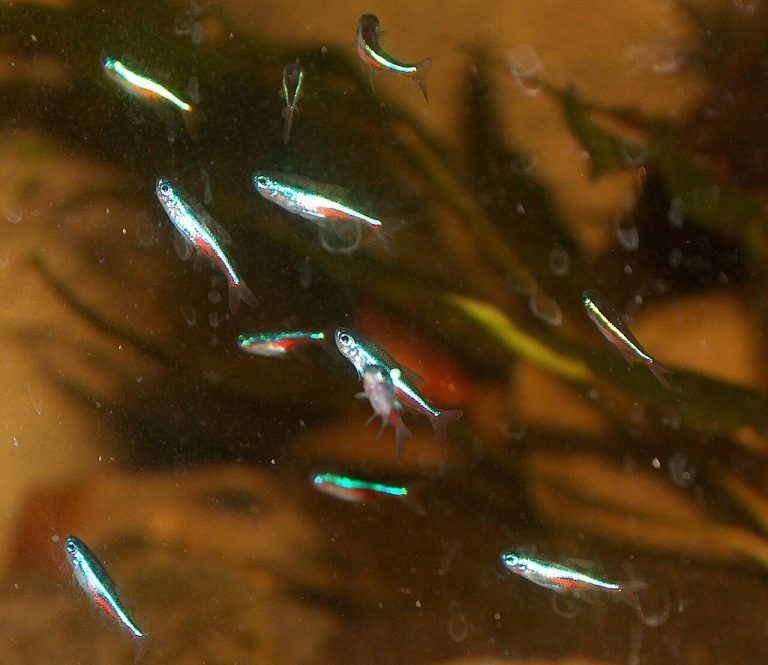
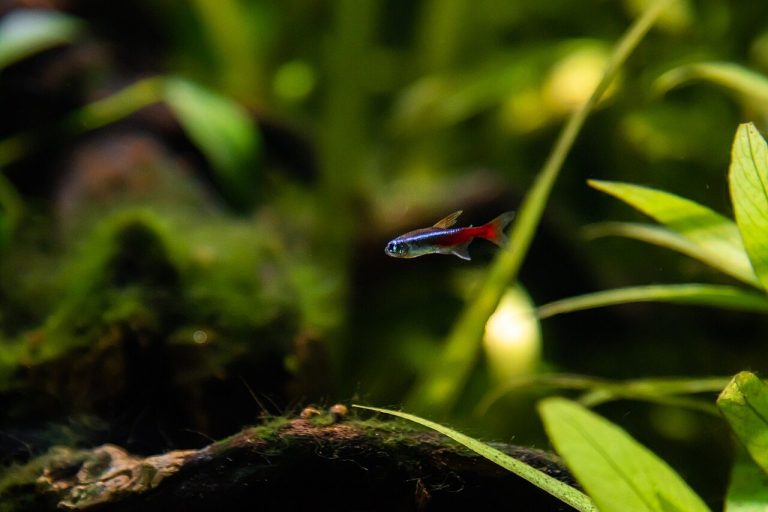
The most iconic example is the Neon Tetra, known scientifically as Paracheirodon innesi. These fish are staples in the hobby for a reason; their horizontal blue stripe is incredibly reflective.
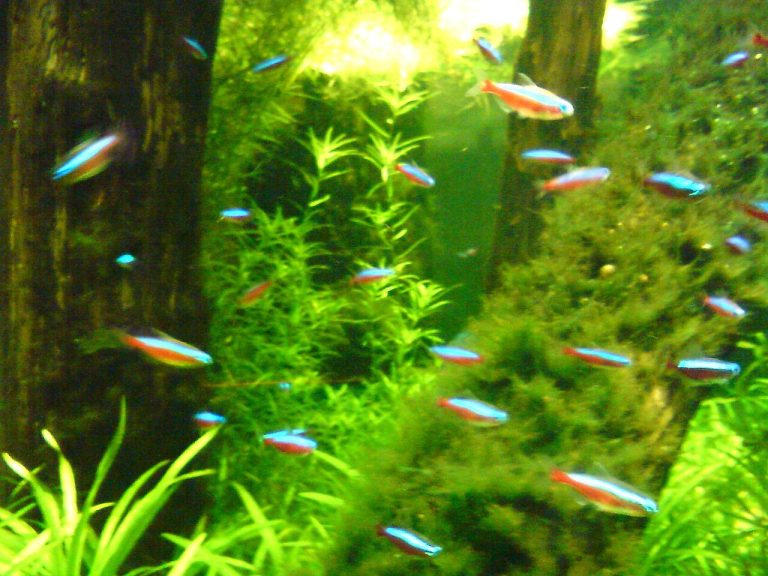
Another striking option is the Cardinal Tetra, or Paracheirodon axelrodi. While they look similar to Neon Tetras, their red stripe extends the full length of their body, offering even more color density.
| Species Name | Common Name | Primary Colors | Difficulty Level |
|---|---|---|---|
| Paracheirodon innesi | Neon Tetra | Electric Blue & Red | Beginner |
| Paracheirodon axelrodi | Cardinal Tetra | Deep Blue & Full Red | Intermediate |
| Melanotaenia praecox | Dwarf Neon Rainbowfish | Iridescent Blue & Red Fins | Intermediate |
| Poecilia reticulata | Neon Blue Guppy | Metallic Blue | Beginner |
Exploring the Dwarf Neon Rainbowfish
The Melanotaenia praecox, or Dwarf Neon Rainbowfish, is a personal favorite of mine. These fish offer a different body shape and schooling behavior than tetras, adding variety to the mid-water section of your tank.
Their scales act like tiny mirrors, flashing bright blue as they turn. To see them at their best, you should keep them in a group of at least six to encourage natural schooling and social confidence.
Designing the Perfect Environment for Color
The environment you provide plays a massive role in how neon colorful freshwater fish appear to the naked eye. A common mistake I see beginners make is using bright, white gravel and intense, flat lighting.
In nature, many of these fish come from “blackwater” environments. These are areas where decaying organic matter leaches tannic acid into the water, staining it a tea-like color.
This blackwater biotope provides a dark backdrop that makes the neon stripes of the fish stand out in high contrast. The presence of humic acid also offers health benefits, mimicking their natural Amazonian or Southeast Asian habitats.
Lighting Strategies for Maximum Shimmer
Lighting is arguably the most important tool for showing off your fish. I have found that using a programmable LED fixture allows you to simulate sunrise and sunset, which brings out different hues at different times of day.
Avoid lighting that is too yellow, as it can wash out the blues and purples. Instead, look for lights that allow you to increase the blue and red channels independently to target those specific chromatophores.
If you are just starting out with a smaller setup, you might find that keeping rich aquarium tetras is much easier when you have a light specifically designed for plant growth and fish color.
Water Parameters and Long-Term Health
Maintaining neon colorful freshwater fish requires more than just a good light. These fish are often sensitive to shifts in water chemistry, especially when it comes to nitrogenous waste.
Most neon-colored tetras prefer slightly acidic to neutral water. If the pH is too high or the water is too hard, you may notice their colors beginning to fade or look “dusty.”
Consistent water changes are the backbone of a healthy tank. I recommend a 25% change weekly to keep nitrates low and ensure the water remains crystal clear for the best visibility.
Pro Tip: Never add these fish to a brand-new, uncycled tank. Their delicate slime coats and high metabolic rates make them very susceptible to ammonia burns, which will dull their colors permanently.
Understanding the Importance of Stability
It is not just about the specific numbers on your test kit; it is about stability. Rapidly swinging the temperature or pH is a sure-fire way to stress your fish.
When fish are stressed, they constrict their chromatophores, leading to a “washed out” appearance. If your Neon Tetras look pale in the morning, it is usually because they have “turned off” their colors while sleeping, but if they stay pale, check your water immediately.
For those managing a community, referring to a compatibility guide can help make sure that no aggressive tank mates are causing stress-induced color loss.
Feeding for Enhanced Pigmentation
What you put into your fish directly affects what you see on the outside. In my experience, a diet consisting only of cheap flake food will never produce the same results as a varied, high-quality regimen.
Look for foods that contain natural color enhancers like spirulina, astaxanthin, and beta-carotene. These ingredients provide the raw materials the fish need to maintain their chromatophores.
Frozen and live foods are also essential. Brine shrimp and daphnia are excellent for providing proteins and fats that keep the fish energetic and their colors intense.
The Role of Carotenoids
Carotenoids are the pigments responsible for the brilliant reds and oranges in fish like Cardinal Tetras. Since fish cannot produce these pigments on their own, they must ingest them through their diet.
I have noticed a significant difference in the “glow” of my fish after just two weeks of switching to a specialized color-improving pellet. It is a small investment that yields massive visual rewards.
Common Health Issues in Neon Species
One of the biggest challenges in keeping neon colorful freshwater fish is a specific condition known as Neon Tetra Disease. This is caused by the microsporidian parasite Pleistophora hyphessobryconis.
Symptoms include a loss of color in a specific patch, spinal curvature, and difficulty swimming. Unfortunately, there is no known cure for this disease, so prevention through quarantine is vital.
Always quarantine new arrivals for at least two weeks before adding them to your main display. This simple step has saved my main tanks from disaster more times than I can count.
Dealing with “Fading” Colors
If your fish are losing color but don’t show signs of Pleistophora hyphessobryconis, it is likely environmental. Check your tannic acid concentration and ensure your nitrate levels are below 20 ppm.
Sometimes, a simple increase in water temperature by one or two degrees can boost the metabolism of the fish and restore their vibrancy. Just make sure the temperature stays within the safe range for that specific species.
Keeper’s notes
- Buy from shops with clean tanks and healthy fish; ask how long new stock has been in store.
- Choose tank mates by water needs first (temperature, pH, hardness), then by temperament and size.
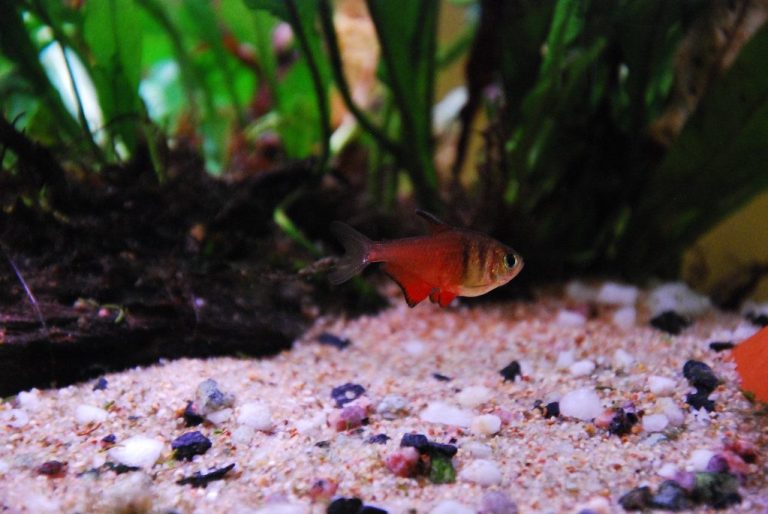
- Avoid mixing fin-nippers like tiger barbs or serpae tetras with slow, long-finned fish.
- Research adult size before buying; many fish sold as juveniles outgrow common 20–30 gallon tanks.
Still wondering?
Why are my Neon Tetras losing their color at night?
This is a natural defense mechanism. Fish “turn off” their bright colors when they sleep to avoid being spotted by predators in the dark. Their color should return within 30 minutes of the lights coming on.
Can I keep different types of neon fish together?
Yes, most neon colorful freshwater fish are peaceful schoolers. However, make sure they have similar water parameter requirements and that the tank is large enough to accommodate multiple schools.
How long do these colorful fish typically live?
With proper care, Neon Tetras can live 5 to 8 years. Larger species like Rainbowfish can live even longer, sometimes reaching 10 years in a well-maintained environment.
Do I need a special filter for these fish?
While they don’t need a specific “brand,” they do require efficient biological filtration. A filter that doesn’t create too much turbulence is best, as many small colorful fish prefer calmer waters.
Does the substrate color matter?
Absolutely. Darker substrates like black sand or dark brown fluorite will make the iridescent colors of the fish stand out much more than light-colored substrates.
Conclusion: Creating Your Own Underwater Showpiece
Keeping neon colorful freshwater fish is one of the most satisfying aspects of the aquarium hobby. Once you understand the biological mechanics of their shimmer and providing an environment that mimics their natural home, you can enjoy a spectacular display of life and color.
The biggest factor lies in the details: stable water parameters, high-quality nutrition, and thoughtful tank design. Whether you choose the classic Neon Tetra or the shimmering Dwarf Rainbowfish, your efforts will be rewarded with a tank that glows.
I encourage you to start slow, research each species’ specific needs, and never underestimate the power of a good water change. Your journey toward a bright, healthy aquarium starts with the very first fish you bring home.

- 2003First tank
- 20+Years keeping
- 40+Tanks kept
- 0Sponsored picks
Howard set up his first 10-gallon planted tank in 2003 and lost half of it within six weeks. Two decades and more than forty aquariums later, he writes the guides he wished he had then: clear numbers, the reasons behind them, and what actually goes wrong in home tanks.