Black Phantom Tetra Disease / Dying / Stress Signs
Black Phantom Tetra disease, dying, or stress signs often present as clamped fins, loss of color, or gasping at the surface. These issues are typically triggered by poor water quality, Columnaris, or Ich, requiring immediate water changes and targeted treatments.
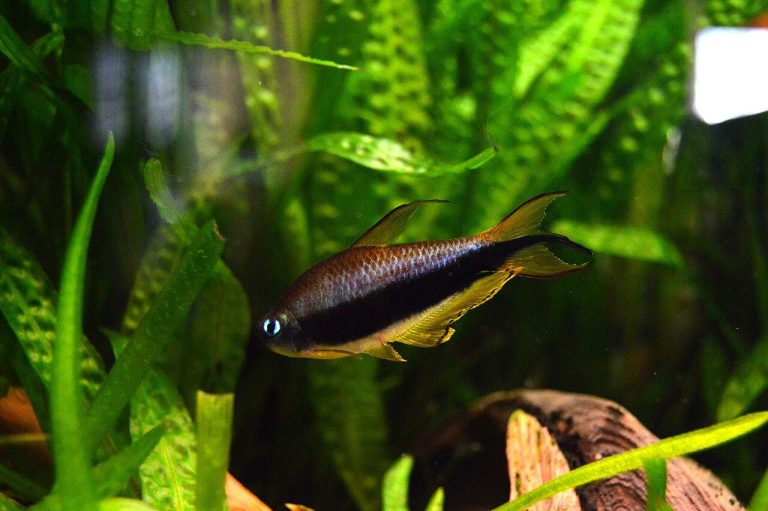
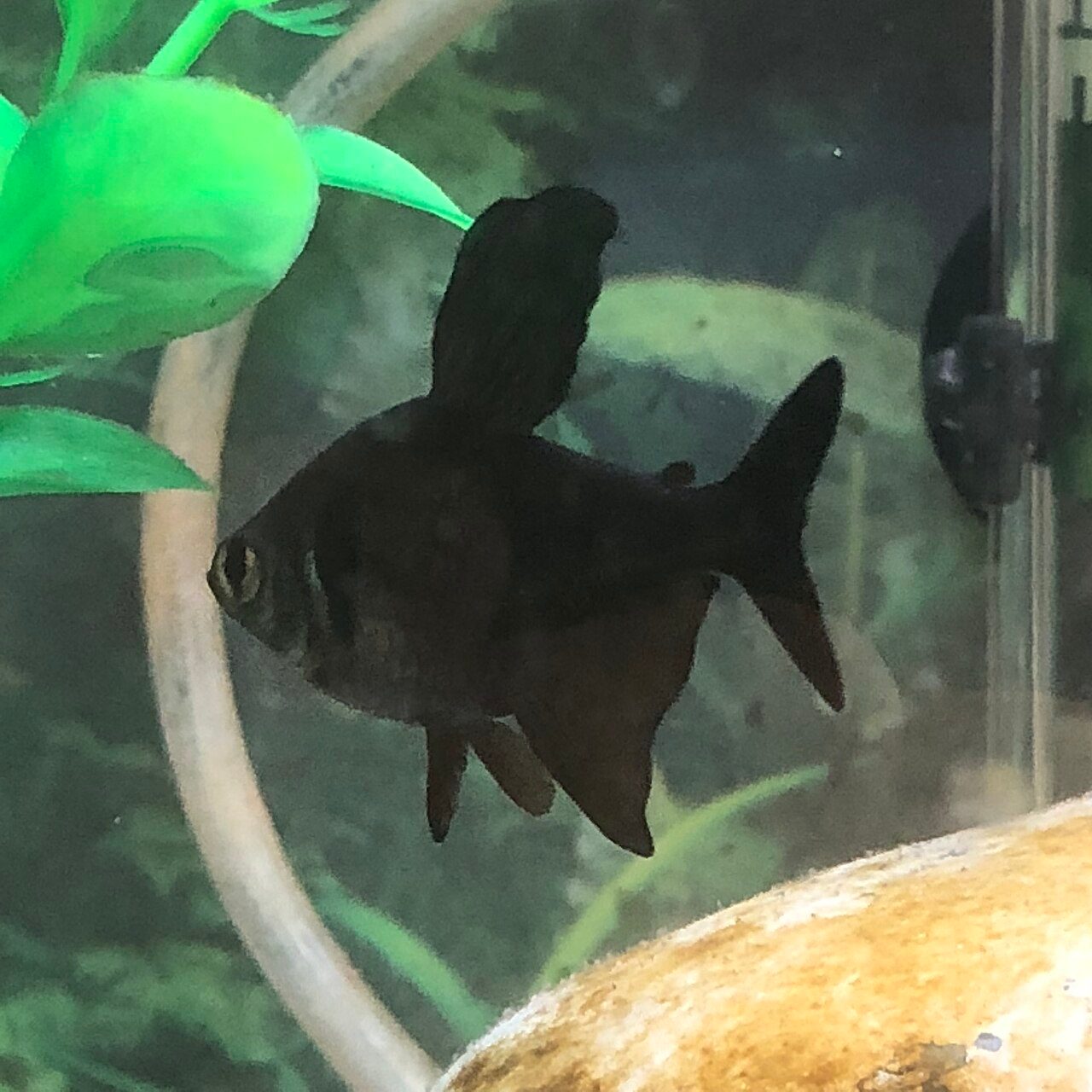
Black Phantom Tetras, scientifically known as Hyphessobrycon megalopterus, are beautiful additions to any community aquarium. Their charcoal bodies and tall, flowing fins make them a favorite for many hobbyists.
In my experience, these fish are remarkably hardy when kept in the right conditions. However, like any living creature, they are susceptible to various health issues if their environment becomes unstable.
Recognizing Black Phantom Tetra disease / dying / stress signs early is the difference between a healthy school and a total tank crash. Let’s go through how you can identify, treat, and prevent these common problems.
At a glance: Black phantom tetra (Hyphessobrycon megalopterus)
- Temperature
- 72–82°F (22–28°C)
- Water pH
- 6.0–7.5
- Adult size
- 1.75 in (4.5 cm)
- Minimum tank
- 20 gal
- Group size
- Groups of 6+
- Temperament
- Peaceful, males display
- Diet
- Omnivore: flakes, small pellets, frozen foods
- Lifespan
- 5 years
Keeper’s tip: Males flare fins at each other without real damage; it is display, not aggression.
Recognizing Early Stress Signs in Black Phantom Tetras
Stress is the precursor to almost every disease in the aquarium. When a fish is stressed, its immune system weakens, making it vulnerable to opportunistic pathogens.
One of the most obvious signs of stress is dorsal fin clamping. These tetras are famous for their high-profile fins, and seeing them held tight against the body is a major red flag.
Another indicator is a sudden loss of color. If your deep black phantoms suddenly look pale or grey, they are likely reacting to an environmental stressor.
Pro Tip: I’ve noticed that Black Phantom Tetras are very sensitive to sudden light changes. Turning on a bright LED in a pitch-black room can cause them to dart frantically, leading to physical injury and long-term stress.
Behavioral Warning Signals
Beyond physical appearance, you should watch how your fish interact with their school. A healthy Black Phantom Tetra is active and occasionally “battles” with other males in a harmless display of dominance.
If you see a fish hovering alone in a corner or hiding behind the heater, something is wrong. This social isolation is often one of the first Black Phantom Tetra disease / dying / stress signs you will encounter.
You may also notice hypoxia, where the fish stays near the water surface, gasping for air. This usually indicates low oxygen levels or gill damage from ammonia.
Common Black Phantom Tetra Diseases and Symptoms
Identifying the specific ailment is essential for choosing the right treatment. While many illnesses have similar symptoms, the cures can vary significantly.
The most frequent issues I have encountered in my 10+ years of fish keeping involve bacterial infections and parasites. Understanding the nuances of each can save your school.
| Disease Name | Primary Symptoms | Common Causes |
|---|---|---|
| Ich (White Spot) | Small white salt-like grains on body | Temperature fluctuations |
| Columnaris | White/grey patches, mouth rot | Poor water quality, high organic load |
| Saprolegniasis | Cottony fungal growth | Secondary infection from wounds |
| Swim Bladder Dysfunction | Floating upside down or struggling to sink | Overfeeding or internal infection |
Ichthyophthirius Multifiliis (Ich)
Ich is perhaps the most common parasite in the hobby. It presents as tiny white spots across the scales and fins, often making the fish look like it was sprinkled with salt.
If you catch it early, it is highly treatable. Increasing the temperature slowly to 82°F (28°C) can speed up the parasite’s life cycle, making it easier to kill with medication.
However, be careful not to raise the temperature too fast. Rapid changes can cause further osmotic stress, making the fish even weaker.
Columnaris and Bacterial Infections
Columnaris is a devastating bacterial infection that often looks like fungus. It usually appears as a “saddleback” white patch or mouth rot.
This bacteria stays healthy in warmer water with high organic waste. If you suspect Columnaris, you must act quickly, as it can wipe out an entire school in days.
Antibiotics like Kanamycin or Erythromycin are often necessary. In my experience, keeping the water exceptionally clean is the best way to prevent this from ever taking hold.
The Silent Killers: Water Quality and Toxicity
When people search for Black Phantom Tetra disease / dying / stress signs, the culprit is almost always the water. Even if you can’t see it, chemicals can be hurting your fish.
Nitrogenous waste toxicity is a fancy term for ammonia, nitrite, and nitrate poisoning. Ammonia and nitrite should always be at 0 ppm.
High levels of these chemicals cause chemical burns on the gills. This leads to the gasping behavior mentioned earlier and eventually death.
Pro Tip: Always keep a liquid test kit on hand. Test strips are often inaccurate and can give you a false sense of security when your fish are actually suffering.
Understanding Osmotic Stress
Osmotic stress occurs when the mineral balance in the water is vastly different from what the fish’s body requires. Black Phantoms prefer slightly acidic, soft water.
If you place them in very hard water, their kidneys have to work overtime to maintain balance. This constant strain leads to a slow decline in health.
I have found that using botanicals like Indian Almond leaves can help. They release a natural tannic acid concentration that mimics their wild habitat and boosts their slime coat.
Environmental Factors and Tank Setup
The physical environment plays a huge role in the health of your Hyphessobrycon megalopterus. Small tanks are prone to rapid chemistry swings.
Ensuring you have the correct habitat size is the first step in disease prevention. A larger volume of water dilutes toxins and provides more stability.
Overcrowding is another major issue. When too many fish are kept together, stress levels skyrocket, and the biological filter may struggle to keep up.
| Parameter | Ideal Range |
|---|---|
| Temperature | 72°F – 80°F (22°C – 27°C) |
| pH Level | 6.0 – 7.5 |
| Ammonia / Nitrite | 0 ppm |
| Nitrate | < 20 ppm |
The Importance of Schooling
Black Phantom Tetras are schooling fish. Keeping them in groups of at least 6 to 8 is essential for their mental well-being.
When kept alone or in pairs, they feel exposed to predators. This constant fear manifests as chronic stress, which we know leads to disease.
Proper stocking levels make sure no single fish is bullied too much, as the group’s hierarchy naturally spreads out aggression.
How to Treat and Prevent Future Outbreaks
If you notice Black Phantom Tetra disease / dying / stress signs, your first action should always be a 25-50% water change. This immediately reduces the concentration of pathogens and toxins.
If only one fish looks sick, move it to a quarantine tank. This prevents the spread of infection and allows you to medicate more effectively.
Using a dedicated hospital tank also saves you money on medication, as you aren’t treating the entire display tank’s volume.
Boosting Immunity Through Diet
A varied diet is a powerful preventative measure. Don’t just rely on standard flakes; they often lose nutritional value over time.
I feed my tetras a mix of high-quality pellets, frozen bloodworms, and daphnia. Daphnia is particularly good for preventing swim bladder dysfunction as it acts as a natural laxative.
Vitamin-soaked foods can also help a recovering fish regain its strength. I’ve used Garlic Guard products to stimulate appetite in fish that have stopped eating due to stress.
The Power of Quarantine
I cannot stress enough how important it is to quarantine new arrivals. Most Black Phantom Tetra disease / dying / stress signs are introduced by new fish or plants.
Keep new fish in a separate tank for at least two to four weeks. Watch for any signs of Ich or Columnaris before introducing them to your main community.
This simple step has saved my main display tanks from disaster more times than I can count. It is the hallmark of an experienced aquarist.
Reader questions
Why is my Black Phantom Tetra losing its color?
Loss of color is usually a sign of stress or poor water quality. It can also happen at night when the fish are “sleeping,” which is normal. However, if they stay pale during the day, check your ammonia and nitrate levels immediately.
Can Black Phantom Tetras recover from fin rot?
Yes, fin rot is usually a bacterial issue caused by dirty water. With clean water and appropriate antibacterial treatments, the fins will eventually grow back, though they may look slightly different than before.
Why is my fish gasping at the surface?
This is often a sign of hypoxia or ammonia poisoning. Make sure you have enough surface agitation for gas exchange and perform a water change to lower toxin levels.
Is Ich contagious to other fish?
Absolutely. Ich is a highly contagious parasite. If one fish in the tank has it, the entire tank must be treated because the parasite lives in the substrate and water column during part of its life cycle.
How long do Black Phantom Tetras live?
Looked after properly and a stress-free environment, they can live for 5 to 6 years. Keeping them in stable water conditions is the key to longevity.
Before you go
Owning these fish is a satisfying experience, but it comes with the responsibility of monitoring their health closely. Spotting Black Phantom Tetra disease / dying / stress signs early is the most effective way to help a long life for your school.
Always prioritize water quality, provide a varied diet, and never skip the quarantine process. When you create a stable, natural environment, your Black Phantoms will reward you with bright colors and interesting social behavior.
A healthy aquarium isn’t just about treating sickness—it’s about preventing it through consistent care and observation.

- 2003First tank
- 20+Years keeping
- 40+Tanks kept
- 0Sponsored picks
Howard set up his first 10-gallon planted tank in 2003 and lost half of it within six weeks. Two decades and more than forty aquariums later, he writes the guides he wished he had then: clear numbers, the reasons behind them, and what actually goes wrong in home tanks.