Female Neon Tetra – Identification, Breeding, And Expert Care Guide
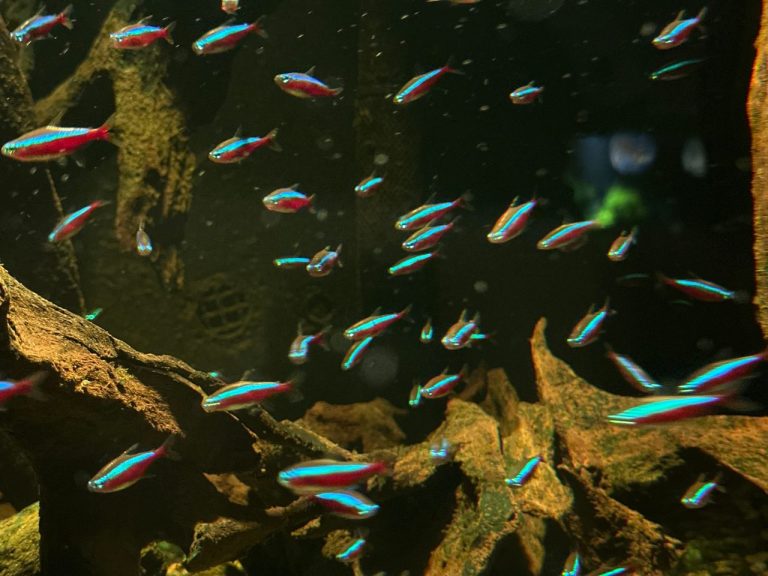
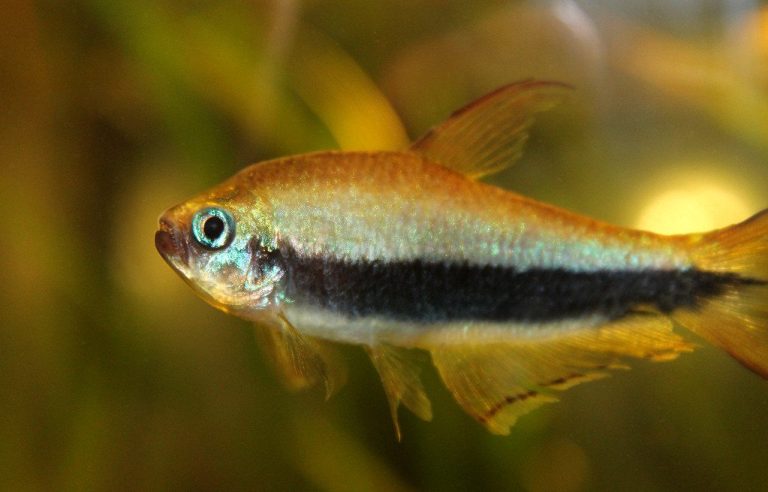
A female neon tetra is best identified by its rounder, plumper abdomen and a distinctively curved neon blue stripe. Unlike the slender males, females exhibit a more strong profile, especially when carrying eggs.
In my decade of maintaining bright community tanks, I have found that the female neon tetra is often the unsung hero of the aquarium. While many hobbyists focus on the collective shimmer of the school, understanding the specific needs of the females is key for long-term health.
Whether you are looking to start a breeding project or simply want a stable display, recognizing the subtle differences in your fish is a satisfying skill. In this guide, we will look closely at the biology and care of these beautiful members of the Characidae family.
Successful fish keeping starts with observation. When you take the time to look closely at your Paracheirodon innesi, you begin to see the unique personality and physical traits of each individual.
At a glance: Neon tetra (Paracheirodon innesi)
- Temperature
- 72–78°F (22–26°C)
- Water pH
- 6.0–7.0
- Adult size
- 1.5 in (4 cm)
- Minimum tank
- 10 gal (20 gal for a proper school)
- Group size
- Groups of 8+
- Temperament
- Peaceful
- Diet
- Omnivore: micro pellets, flakes, frozen daphnia
- Lifespan
- 5–8 years
Keeper’s tip: Add neons only to a fully cycled, stable tank; they are among the first fish to suffer from ammonia swings.
Identifying a female neon tetra through Sexual Dimorphism
Sexual dimorphism refers to the physical differences between males and females of the same species. In the case of neon tetras, these differences are subtle but consistent once you know what to look for.
The most prominent feature of a female neon tetra is her body shape. Females are naturally deeper-bodied and more “rotund” than their male counterparts.
This roundness is most visible when looking at the fish from a top-down perspective. A female will have a wider girth, whereas a male remains sleek and torpedo-shaped.
The Curve of the Blue Stripe
One of the most reliable ways I have found to distinguish the sexes is by looking at the horizontal blue stripe. Because the female’s belly is more rounded, the neon blue line often appears to have a slight “kink” or curve.
In males, this line is almost perfectly straight because their bodies are flatter. If you see a fish where the blue line seems to bend upward or downward around the mid-section, you are likely looking at a female.
Size and Length
Generally, the females grow slightly larger than the males. While the difference is only a few millimeters, it becomes obvious in a mature school of twelve or more fish.
| Feature | Male Neon Tetra | Female Neon Tetra |
|---|---|---|
| Body Shape | Slender, streamlined | Round, plump abdomen |
| Blue Stripe | Straight and horizontal | Curved or “kinked” |
| Total Length | Slightly smaller | Slightly larger/deeper |
Anatomy and Biological Features of the female neon tetra
The anatomy of these fish is interesting, particularly when you consider their origins in the soft, acidic waters of the Amazon. Like all members of the Characidae family, they possess an adipose fin.
This small, fleshy fin is located on the back, between the dorsal fin and the tail. While it doesn’t play a major role in swimming, it is a key characteristic of many tetra species.
The most important internal feature of the female is the presence of oocytes, or unfertilized eggs. As the female matures and receives high-quality nutrition, her ovaries fill with these oocytes, causing the belly to swell.
Understanding the Swim Bladder
In my experience, a very plump female can sometimes be mistaken for a fish with swim bladder issues. However, a healthy female carrying eggs will still swim horizontally and maintain perfect buoyancy.
If you notice a female struggling to stay level, it may be a digestive issue rather than a sign of being “gravid.” Always monitor their swimming patterns during feeding time.
Pro Tip: To get the best view of your fish for sexing, turn off the aquarium lights and use a dim room light. The fish will calm down, and their silhouettes become much easier to compare against one another.
Ideal Tank Conditions for a Healthy female neon tetra
To keep your females healthy and ready for potential spawning, the environment must mimic their natural habitat. This means soft water and plenty of hiding spots.
When setting up a proper environment, focus on creating a blackwater biotope style. This involves using driftwood and dried leaves to release tannins into the water.
These humic substances are vital. They lower the pH naturally and provide antibacterial properties that protect the delicate skin of the tetras.
Water Parameters for Health
Females are particularly sensitive to fluctuations in water chemistry when they are carrying eggs. Stability is the most important factor in preventing stress.
| Parameter | Ideal Range |
|---|---|
| Temperature | 72°F to 78°F (22°C – 26°C) |
| pH Level | 5.0 to 7.0 |
| Water Hardness (dGH) | 1 to 10 degrees |
| Ammonia/Nitrite | 0 ppm |
The Importance of Vegetation
I’ve noticed that females often seek out dense clusters of plants like Java Moss or Cabomba. These plants provide a sense of security and serve as potential egg-scattering sites.
Floating plants are also excellent. They diffuse the light, which makes the neon colors pop and reduces the stress levels of the entire school.
Breeding the female neon tetra: A Step-by-Step Approach
If you are interested in breeding these fish, the female’s condition is your primary concern. You cannot simply put a male and female together and expect results.
The process begins with “conditioning.” This involves feeding the fish high-protein live foods to encourage egg production in the female.
Conditioning the Breeders
Separate the males and females if possible for about a week. During this time, provide plenty of baby brine shrimp, daphnia, or bloodworms.
You will know the female neon tetra is ready when her abdomen looks like it might burst. At this stage, she is heavily laden with eggs and ready for the spawning tank.
Setting Up the Spawning Tank
The spawning tank should be dim and very clean. I always recommend using a spawning mop made of synthetic yarn or a thick layer of moss on the bottom.
Neon tetras are egg-scatterers and do not provide parental care. In fact, they will eat their own eggs if given the chance, so the mop or moss protects the falling eggs.
The Spawning Ritual
Spawning usually happens in the early morning hours. The male will perform a “dance” around the female, eventually driving her toward the plants or mop.
As she releases her eggs, he fertilizes them instantly. Once the ritual is complete, the female will appear significantly thinner, and you should remove the adults immediately.
Pro Tip: Neon tetra eggs are light-sensitive (photophobic). Keep the breeding tank completely dark after spawning occurs to prevent the eggs from fungus or dying off before they hatch.
Raising the Fry and Providing Infusoria
Once the eggs hatch, you will have tiny, transparent slivers that are barely visible to the naked eye. These fry cannot eat standard flake food.
They require microscopic organisms known as infusoria. This is a liquid culture of protozoa that serves as the perfect first food for tiny characins.
As they grow, you can transition them to freshly hatched brine shrimp. Watching the fry develop their first hint of a neon stripe is one of the most satisfying moments for any aquarist.
Common Health Issues and Prevention
The female neon tetra is generally hardy, but they are susceptible to a specific condition known as Neon Tetra Disease, caused by the parasite Pleistophora hyphessobryconis.
This parasite often enters the tank through infected fish or live foods. It attacks the muscle tissue, leading to a loss of coloration and a curved spine.
Spotting Early Warning Signs
In my experience, the first sign of trouble in a female is a lumpy appearance that doesn’t look like normal egg-carrying. If the swelling is asymmetrical or accompanied by white patches, isolate the fish immediately.
Unfortunately, there is no known cure for Pleistophora hyphessobryconis. Prevention through strict quarantine of new fish and maintaining high water quality is your best defense.
False Neon Tetra Disease
Sometimes, fish can develop bacterial infections that mimic the symptoms of the true parasite. These can often be treated with broad-spectrum antibiotics or aquarium salt.
Always check your water parameters first. Most “diseases” in tetras are actually secondary infections caused by the stress of high nitrates or fluctuating temperatures.
Nutritional Requirements for Colorful Females
To maintain the health of your female neon tetra, you must provide a varied diet. While they will survive on flakes, they will not settle in or show their best colors.
A high-quality nutrition plan should include a mix of dry, frozen, and live foods. This helps make sure they get the vitamins and minerals needed for egg development.
Recommended Foods
High-quality micro-pellets: These are sized perfectly for their small mouths and sink slowly. Frozen Daphnia: Excellent for digestion and mimics their natural diet in the wild. Freeze-dried Tubifex: A great protein boost, but use sparingly to avoid fouling the water.
I have found that feeding small amounts twice a day is better than one large feeding. This keeps their metabolism stable and prevents excess waste from building up in the substrate.
Things people often ask
How can I tell if my female neon tetra is pregnant?
Technically, neon tetras do not get pregnant because they are not livebearers. Instead, they become “gravid,” which means they are carrying eggs. You will notice a significantly rounded belly and perhaps a more reclusive behavior as she prepares to spawn.
Why is my female neon tetra hiding?
Females often hide if they are being bullied by over-eager males or if they are feeling stressed by the water conditions. Make sure you have a school of at least 6-10 fish so that the males’ attention is divided.
Can a female neon tetra live alone?
No, I strongly advise against keeping a single tetra. They are schooling fish that rely on the group for security. A lone female will likely become stressed, stop eating, and succumb to illness very quickly.
How many eggs does a female lay?
A healthy, well-conditioned female can lay anywhere from 60 to 130 eggs in a single spawning session. However, in a community tank, most of these will be eaten by other fish before they can hatch.
Do females lose their color when stressed?
Yes, both males and females will “fade” their colors at night or when stressed. If your female looks pale during the day, check your ammonia and nitrite levels immediately, as this is a primary sign of poor water quality.
The short version
The female neon tetra is a vital part of any successful Amazon-themed aquarium. Once you learn to identify her through her rounded shape and curved blue stripe, you gain a deeper insight into the health of your school.
Providing her with soft, acidic water, plenty of cover, and a protein-rich diet will help she lives a long and rich life. Whether you are aiming to see tiny fry swimming in a moss-filled tank or just want a peaceful community, the female’s well-being is key.
In my years of keeping these shimmering gems, I’ve learned that patience and observation are the best tools an aquarist has. Take the time to watch your tetras every day, and they will reward you with a spectacular display of color and life.

- 2003First tank
- 20+Years keeping
- 40+Tanks kept
- 0Sponsored picks
Howard set up his first 10-gallon planted tank in 2003 and lost half of it within six weeks. Two decades and more than forty aquariums later, he writes the guides he wished he had then: clear numbers, the reasons behind them, and what actually goes wrong in home tanks.