How Do Neon Tetras Reproduce – Step-by-Step Guide
Neon tetras reproduce by scattering adhesive eggs among dense vegetation or spawning mops in soft, acidic water. After a courtship dance, the female releases eggs that the male fertilizes, which then hatch within 24 hours.
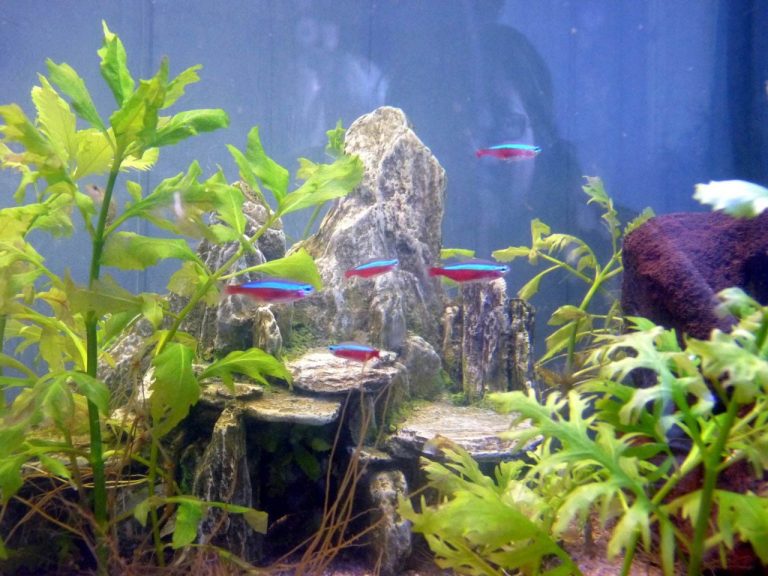
Seeing a school of Paracheirodon innesi in a well-planted tank is a joy, but watching them successfully spawn is a whole different level of satisfaction.
In my 10 years of maintaining various aquatic habitats, I have found that neon tetras are some of the most challenging yet satisfying fish to breed. They require very specific environmental triggers that mimic their native Amazonian blackwater habitats.
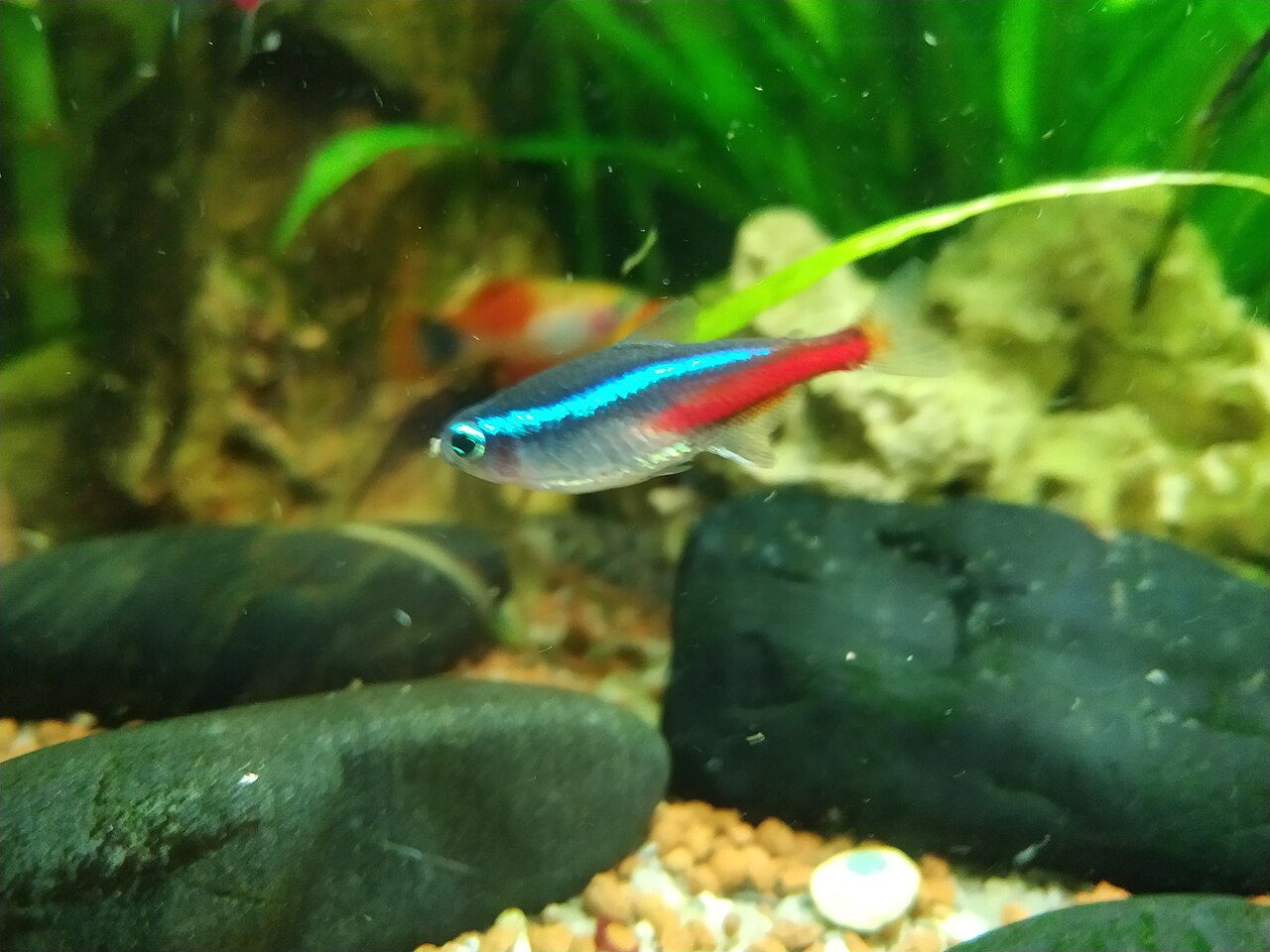
If you have been wondering how do neon tetras reproduce, you are in the right place. This guide will walk you through the delicate process of conditioning, spawning, and raising the next generation of these iconic blue and red gems.
At a glance: Neon tetra (Paracheirodon innesi)
- Temperature
- 72–78°F (22–26°C)
- Water pH
- 6.0–7.0
- Adult size
- 1.5 in (4 cm)
- Minimum tank
- 10 gal (20 gal for a proper school)
- Group size
- Groups of 8+
- Temperament
- Peaceful
- Diet
- Omnivore: micro pellets, flakes, frozen daphnia
- Lifespan
- 5–8 years
Keeper’s tip: Add neons only to a fully cycled, stable tank; they are among the first fish to suffer from ammonia swings.
The Basics: How Do Neon Tetras Reproduce?
Neon tetras are biological egg scatterers, meaning they do not provide parental care or build nests. Instead, the female releases dozens of tiny, light-sensitive eggs into the water column or onto fine-leaved plants.
The male follows closely behind to fertilize them almost instantly. Because they have no “parental instinct,” they will often eat their own eggs if given the chance, which is why a separate breeding setup is essential.
To understand how do neon tetras reproduce, we must look at their natural environment. In the wild, spawning is triggered by the arrival of the rainy season, which brings soft, cool, and slightly acidic water to the rivers.
Expert Insight: In my experience, the biggest hurdle for beginners is water hardness. Neon tetras are highly sensitive to osmotic shock, and their eggs will fail to hatch if the water is even slightly too “hard” or mineral-rich.
The Role of Sexual Dimorphism
Before you can start breeding, you must be able to tell the boys from the girls. This is known as sexual dimorphism, and in neon tetras, it can be quite subtle to the untrained eye.
Males are generally thinner and have a very straight blue horizontal line along their bodies. Females are rounder and deeper-bodied, especially when they are carrying eggs, which causes their blue line to appear curved or “kinked.”
I always recommend observing your school during feeding time. The females will usually look much “fuller” in the belly area, making them easier to identify for your breeding pair selection.
Preparing the Ideal Breeding Environment
You cannot simply expect neon tetras to breed in a standard community tank. The eggs are extremely sensitive to light and high mineral content, and other fish will quickly turn the eggs into a snack.
A dedicated 10-gallon or 20-gallon tank is perfect for this task. You should keep the tank bare-bottom or use a mesh grate to allow the eggs to fall through where the parents cannot reach them.
When setting up the tank, focus on creating a dark, soft-water environment. Using peat filtration or adding Indian Almond leaves can help release tannic acid, which naturally lowers the pH and provides anti-fungal properties for the eggs.
| Parameter | Ideal Range for Spawning |
|---|---|
| Temperature | 72°F to 75°F (22°C to 24°C) |
| pH Level | 5.0 to 6.0 |
| Carbonate Hardness (KH) | 1.0 to 2.0 dKH |
| Electrical Conductivity | Less than 100 µS/cm |
The Importance of Water Softness
In many regions, tap water is far too hard for neon tetra eggs to develop. High carbonate hardness prevents the egg membrane from being permeable enough for fertilization and gas exchange.
I have found that using Reverse Osmosis (RO) water is almost always a requirement for success. By using RO water, you can precisely control the electrical conductivity and ensure the water is “thin” enough for the fry to emerge.
When you are breeding other tetra species, you might get away with slightly harder water, but neons are much stricter about these requirements.
Conditioning Your Breeding Pair
Success starts long before the fish enter the breeding tank. Conditioning refers to the process of feeding the parents high-quality, protein-rich foods to encourage egg production in females and vigor in males.
I prefer using live foods like daphnia, brine shrimp, or chopped bloodworms during this phase. If live food isn’t available, high-quality frozen alternatives will work, but avoid using only dry flakes.
Keep the males and females separated for about a week if possible. This separation creates a sense of urgency when they are finally introduced, often leading to a much faster spawning response.
Pro Tip: During the conditioning phase, gradually lower the temperature in the conditioning tank by a degree or two. When you move them to the breeding tank with slightly warmer, softer water, it mimics the onset of the rainy season.
The Spawning Process and Egg Care
Once your pair is conditioned and the breeding tank is ready, introduce them in the evening. Spawning typically occurs in the early morning hours, often just as the first light hits the tank.
The male will perform a shimmying dance around the female, leading her toward a spawning mop or dense clumps of Java Moss. Once she accepts, they will briefly lock together, and the eggs will be scattered.
As soon as you notice the female is thinner and eggs are visible on the floor or in the moss, remove the parents immediately. They will not hesitate to eat the eggs, even minutes after spawning is complete.
Protecting Light-Sensitive Eggs
This is the stage where many hobbyists fail. Neon tetra eggs are photophobic, meaning they are easily damaged or killed by exposure to strong light.
After removing the parents, I suggest covering the sides of the tank with black paper or a heavy towel. Only a very dim light should be used if you need to inspect the tank for progress.
The eggs should hatch within 24 to 36 hours. At this point, you will see tiny “slivers” wiggling on the bottom or hanging from the glass; these are the newly hatched larvae.
Raising the Fry: From Larvae to School
When the fry first hatch, they will rely on their yolk sacs for nutrition for the first 3 to 4 days. Once they become free-swimming, you must be ready with the correct food immediately.
Neon tetra fry are incredibly small—smaller than the fry of most other community fish. Standard baby brine shrimp are often too large for them to eat during the first week of life.
You will need to provide infusoria, which are microscopic organisms that the fry can easily ingest. After about 7 to 10 days, you can transition them to vinegar eels or freshly hatched brine shrimp nauplii.
Maintaining Water Quality for Fry
While the fry are growing, water quality is the top priority. However, you must be careful not to create too much current, as the fry are weak swimmers and can easily be sucked into a filter.
I always use a mature sponge filter with a very low flow rate. This provides biological filtration and a surface for the fry to graze on without the risk of physical injury.
Regular, small water changes are necessary to remove waste. Make sure the new water exactly matches the temperature and chemistry of the tank to avoid the dreaded osmotic shock that kills young fry instantly.
Managing a bright community tank is one thing, but raising neon fry requires a higher level of attention to detail and patience.
Common Challenges in Neon Tetra Breeding
Don’t be discouraged if your first few attempts do not result in a swarm of fry. Even experienced breeders face challenges with Paracheirodon innesi due to their specific needs.
One common issue is “egg fungus.” If the water isn’t acidic enough, or if the eggs were not fertilized, they will turn white and fuzzy. Using tannic acid from peat or almond leaves is the best natural way to prevent this.
Another issue is the lack of a proper “trigger.” If your fish aren’t spawning, try a large water change (50%) with water that is 2 degrees cooler than the tank water to simulate a rainstorm.
Before starting, it is also wise to make sure you have a plan for the offspring by checking for compatible tank mates or finding a local fish store that will take them.
Reader questions
How many eggs do neon tetras lay?
A healthy female can lay anywhere from 60 to 130 eggs in a single spawning session. However, not all of these will be fertilized, and even fewer will typically survive to adulthood.
Do neon tetras breed easily in home aquariums?
Generally, no. They are considered one of the more difficult common tetras to breed because they require extremely soft, acidic water and total darkness for the eggs to hatch.
How long does it take for neon tetra fry to grow?
The fry grow relatively slowly. It usually takes about 3 to 4 months for them to reach a size where they can be safely introduced to a community tank without being eaten.
Can I breed neon tetras in a 5-gallon tank?
While possible, a 10-gallon tank is much easier to manage. Larger volumes of water are more stable, which is critical when you are dealing with the sensitive water parameters required for spawning.
What is the best temperature for neon tetra eggs?
The best temperature is slightly cooler than their standard tropical range, usually between 72°F and 75°F. Higher temperatures can lead to rapid bacterial growth that kills the eggs.
Before you go
Learning how do neon tetras reproduce is a journey into the heart of the aquarium hobby. It requires you to move beyond simple maintenance and into the world of environmental engineering.
If you focus on soft water, low light, and high-quality conditioning, you can successfully witness the lifecycle of these amazing fish. It takes patience and a few trials, but the sight of your first home-bred school of neons is worth every effort.
Keep your water parameters stable, protect those light-sensitive eggs, and have plenty of infusoria ready for the big day. Happy breeding.

- 2003First tank
- 20+Years keeping
- 40+Tanks kept
- 0Sponsored picks
Howard set up his first 10-gallon planted tank in 2003 and lost half of it within six weeks. Two decades and more than forty aquariums later, he writes the guides he wished he had then: clear numbers, the reasons behind them, and what actually goes wrong in home tanks.