Lifespan Of A Neon Tetra – The Ultimate Guide To Enhancing Longevity
The average lifespan of a neon tetra is 5 to 8 years in a well-maintained home aquarium. Providing stable water parameters, a high-quality diet, and a stress-free environment are key to achieving maximum longevity.
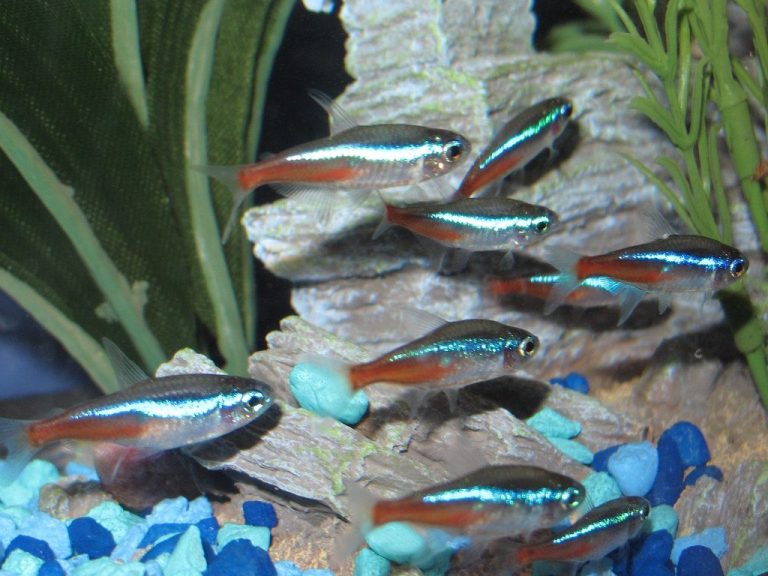
Few fish are as iconic in the aquarium hobby as the colorful Paracheirodon innesi. When I first started keeping these glowing gems over a decade ago, I was mesmerized by their electric blue and red stripes.
However, many beginners are surprised to find that the lifespan of a neon tetra can vary significantly based on the care they receive. While some might only last a year or two in poorly managed tanks, they can settle in for nearly a decade with the right approach.
In my experience, the what really counts lies in understanding their biological needs and replicating their natural environment. This guide will walk you through everything you need to know to keep your tetras live a long, healthy life.
At a glance: Neon tetra (Paracheirodon innesi)
- Temperature
- 72–78°F (22–26°C)
- Water pH
- 6.0–7.0
- Adult size
- 1.5 in (4 cm)
- Minimum tank
- 10 gal (20 gal for a proper school)
- Group size
- Groups of 8+
- Temperament
- Peaceful
- Diet
- Omnivore: micro pellets, flakes, frozen daphnia
- Lifespan
- 5–8 years
Keeper’s tip: Add neons only to a fully cycled, stable tank; they are among the first fish to suffer from ammonia swings.
Understanding the Lifespan of a Neon Tetra in Captivity
In the wild, these members of the Characidae family often face a shorter life due to predation and fluctuating environmental conditions. In a controlled home aquarium, however, we have the power to eliminate those threats.
Most hobbyists expect their fish to live about 2 to 3 years, but this is actually a result of common keeping errors. When you master their specific needs, reaching the 5-to-8-year mark becomes a realistic goal.
I have even seen rare cases where a neon tetra aquarium fish lived for 10 years in a highly stable, mature system. Achieving this requires a deep go through water chemistry and biology.
Critical Factors Influencing Neon Tetra Longevity
To maximize the lifespan of a neon tetra, you must focus on the factors that impact their internal biology. These fish are sensitive to changes, and their small bodies have little room for error when things go wrong.
Water Quality and Nitrogenous Waste Toxicity
The most common cause of premature death is poor water quality. Ammonia and nitrite should always be at zero, as even trace amounts can cause permanent gill damage.
Nitrate levels must also be kept low, ideally under 20 ppm. High levels of nitrogenous waste toxicity lead to chronic stress, which suppresses the immune system and invites disease.
Thermal Homeostasis and Temperature Stability
Neon tetras are ectothermic, meaning their metabolism is dictated by the water temperature. Maintaining proper thermal homeostasis is vital for their long-term health.
If the water is too warm, their metabolism speeds up, which can actually shorten their lifespan. If it is too cold, their immune system slows down, making them vulnerable to infections.
| Parameter | Ideal Range | Impact on Longevity |
|---|---|---|
| Temperature | 70°F – 78°F (21°C – 25°C) | Lower end of range often extends life. |
| pH Level | 6.0 – 7.0 | Acidity helps prevent bacterial growth. |
| Water Hardness | 1 – 10 dGH | Soft water aids in proper osmoregulation. |
| Ammonia/Nitrite | 0 ppm | Essential for preventing acute toxicity. |
Dissolved Oxygen Saturation
High dissolved oxygen saturation is often overlooked but critical for schooling fish. Neons are active swimmers and require well-oxygenated water to support their energy levels.
I’ve noticed that tanks with good surface agitation and plenty of live plants produce much hardier tetras. Plants provide oxygen and also help process excess nutrients.
Pro Tip: To extend the life of your neons, try keeping the temperature at a steady 72°F rather than 78°F. This slightly slower metabolic rate can add months or even years to their life by reducing wear and tear on their organs.
Creating the Perfect Blackwater Biotope
In their natural habitat in the Amazon Basin, neons live in soft, acidic water. Recreating a blackwater biotope can significantly improve their comfort and health.
This type of environment is rich in tannic acid, which comes from decaying leaves and driftwood. These tannins have natural antifungal and antibacterial properties that protect the fish.
Furthermore, low specific conductance is common in these waters. When we keep neons in hard water with high mineral content, their kidneys have to work much harder for osmoregulation.
By using reverse osmosis (RO) water mixed with a bit of tap water or remineralizer, you can achieve the soft conditions they crave. This reduces physiological stress and supports a longer lifespan of a neon tetra.
Common Health Challenges and Disease Prevention
Even in the best tanks, health issues can arise. Understanding how to spot and prevent disease is a cornerstone of expert fish keeping.
Identifying Neon Tetra Disease
The most dreaded ailment is Neon Tetra Disease, caused by the microsporidian parasite Pleistophora hyphessobryconis. It is often introduced by adding new, unquarantined fish or feeding infected live foods.
Symptoms include a loss of color, cyst-like lumps, and difficulty swimming. Unfortunately, there is no known cure, so prevention through strict quarantine is your only defense.
Managing Stress and Osmoregulation
Stress is a silent killer in the aquarium. When a fish is stressed, its ability to maintain its internal salt balance, or osmoregulation, is compromised.
This makes them susceptible to secondary infections like Ich or fin rot. Keeping a stable environment and providing plenty of hiding spots will keep their stress levels low.
Common Mistake: Many keepers forget to quarantine new additions. Always keep new fish in a separate tank for at least 2 to 4 weeks to help they aren’t carrying Pleistophora hyphessobryconis into your main display.
Dietary Needs for a Long and Healthy Life
A monotonous diet of cheap flakes is rarely enough to sustain a fish for eight years. To maximize the lifespan of a neon tetra, you must provide a varied, nutrient-dense diet.
In the wild, they are omnivores, eating small insects, larvae, and algae. In the aquarium, I recommend a mix of high-quality micro-granules, frozen daphnia, and baby brine shrimp.
| Food Type | Frequency | Benefits |
|---|---|---|
| High-Quality Flakes/Pellets | Daily (Base diet) | Provides essential vitamins and minerals. |
| Frozen Daphnia | 2-3 times a week | Acts as a natural laxative and protein source. |
| Baby Brine Shrimp | Weekly treat | High protein for growth and color. |
| Freeze-Dried Bloodworms | Occasionally | Must be soaked first to avoid bloating. |
Feeding smaller amounts twice a day is better than one large feeding. This prevents excess food from rotting and spiking ammonia levels, which protects the water quality.
If you are interested in expanding your colony, learning breeding these beautiful fish can also give you insight into their nutritional needs during different life stages.
Neon tetras are highly social schooling fish. Keeping them in groups of at least 6 to 10 is non-negotiable for their mental health and longevity.
When kept alone or in small numbers, they become shy and stressed. This constant state of fear can drastically shorten their lifespan.
They do well in a colorful community setup with other peaceful species. Avoid large or aggressive tank mates that might see them as a snack.
Ideal Tank Mates for Neons
- Other small tetras (Ember, Rummy Nose)
- Corydoras catfish
- Otocinclus catfish
- Small Rasboras
- Peaceful shrimp (though some shrimplets may be eaten)
The Role of Tank Size in Longevity
While neons are small, they are active. Keeping them in a tank that is too small can lead to stunted growth and increased waste concentration.
I always recommend a minimum of 10 gallons for a small school, but 20 gallons is even better. A larger volume of water is more stable and easier to maintain.
In a larger tank, the concentration of nitrogenous waste toxicity is diluted. This provides a safety buffer that can prevent disaster if a filter fails or you accidentally overfeed.
FAQ: Frequently Asked Questions
Why do my neon tetras die so easily?
Neons are often mass-bred, which can lead to weaker genetics. Additionally, they are highly sensitive to “New Tank Syndrome” and swings in water parameters. Ensure your tank is fully cycled before adding them.
Can neon tetras live for 10 years?
While rare, it is possible. It requires perfect water quality, a low-stress environment, and a temperature-controlled setting that keeps their metabolism steady.
Do neon tetras need a heater?
Yes. They are tropical fish and require a stable temperature. Fluctuations can lead to Ich and other stress-related illnesses that shorten their life.
How can I tell if my neon tetra is old?
Older tetras may show a slight “hump” in their spine, move more slowly, and have slightly faded colors. As long as they are eating and swimming normally, they are simply aging gracefully.
Does water hardness affect their lifespan?
Yes. Neons are native to very soft water. Keeping them in very hard water can lead to calcium deposits in their organs and long-term kidney issues.
Before you go
Maximizing the lifespan of a neon tetra is a satisfying challenge for any aquarist. If you focus on stability, nutrition, and environmental enrichment, you can enjoy these striking fish for many years.
They are more than just “beginner fish.” They are delicate living creatures that flourish when we respect their biological origins as blackwater inhabitants.
Keep your water clean, your school large, and your diet varied. If you do these things, your neon tetras will remain the glowing heart of your aquarium for a long time to come.

- 2003First tank
- 20+Years keeping
- 40+Tanks kept
- 0Sponsored picks
Howard set up his first 10-gallon planted tank in 2003 and lost half of it within six weeks. Two decades and more than forty aquariums later, he writes the guides he wished he had then: clear numbers, the reasons behind them, and what actually goes wrong in home tanks.