Silvertip Tetra For Beginners – Care Guide
Silvertip Tetra for beginners is an excellent choice because they are exceptionally hardy, active, and easy to feed. These shimmering fish do well in groups of six or more within well-maintained community tanks.
Starting your first aquarium is an exhilarating journey, but choosing the right inhabitants can feel overwhelming.
I remember my first community tank over a decade ago, where I struggled to find a fish that was both beautiful and forgiving of minor beginner mistakes.
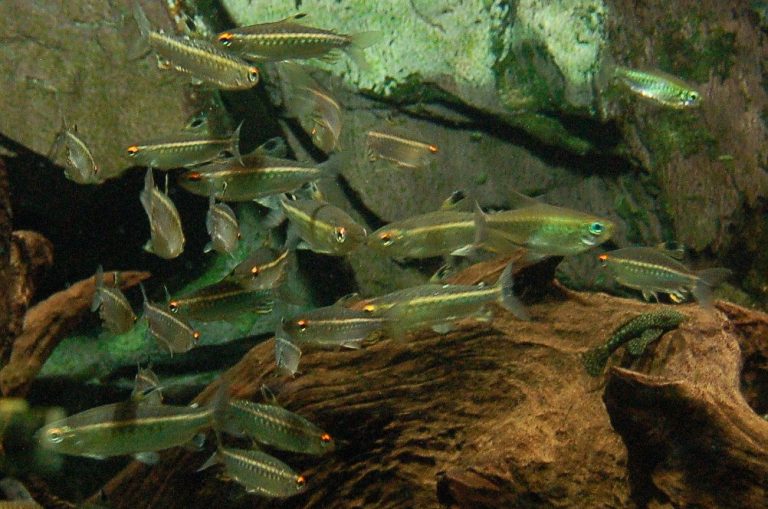
The Silvertip Tetra (Hasemania nana) quickly became my favorite recommendation for anyone entering the hobby.
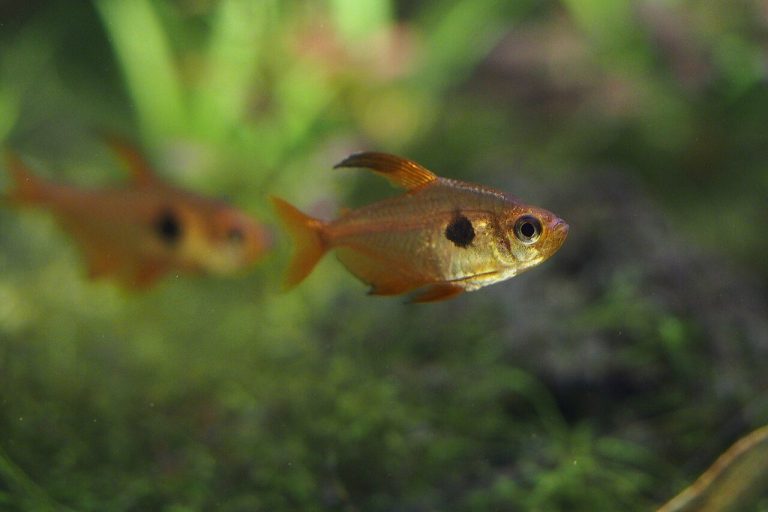
These fish are not just “starter fish”; they are charismatic, golden-hued gems that bring constant motion to the middle layers of your tank.
In this guide, I will share everything I have learned about keeping these wonderful members of the Characidae family well-kept for years.
Pro Tip: Always buy Silvertip Tetras in groups of at least 8 to 10. In my experience, a larger school significantly reduces fin-nipping behavior and makes the fish feel much more secure in their environment.
At a glance: Silvertip tetra (Hasemania nana)
- Temperature
- 72–82°F (22–28°C)
- Water pH
- 6.0–8.0
- Adult size
- 2 in (5 cm)
- Minimum tank
- 20 gal
- Group size
- Groups of 8+
- Temperament
- Active, can nip fins
- Diet
- Omnivore: flakes, small pellets, frozen foods
- Lifespan
- 3–5 years
Keeper’s tip: A busy, fast swimmer that does best with other quick fish rather than slow long-finned species.
Understanding the Silvertip Tetra: Origins and Unique Traits
The Silvertip Tetra originates from the São Francisco River basin in Brazil.
Unlike many other tetras that prefer soft, acidic blackwater, these fish are remarkably adaptable to various water conditions.
One of the most interesting things about Hasemania nana is a physical trait that sets them apart from almost all other tetras.
The Mystery of the Missing Fin
If you look closely at most tetras, you will see a tiny, fleshy fin between the dorsal fin and the tail, known as the adipose fin.
The Silvertip Tetra is unique because it completely lacks this fin.
This anatomical quirk is one of the easiest ways to identify them when browsing the tanks at your local fish store.
Coloration and Dimorphism
The body of a healthy Silvertip is a rich, translucent copper or deep gold.
The name “Silvertip” comes from the brilliant white or silvery splashes on the tips of their fins.
Males typically display much more intense coloration than females, especially when they are trying to impress a mate.
Females tend to be slightly rounder in the belly and have a more washed-out, pale yellow hue.
Ideal Tank Requirements for Silvertip Tetra for Beginners
Setting up a home for these fish is straightforward, but attention to detail will make sure they show their best colors.
While they are hardy, providing an environment that mimics their natural habitat will lead to a much longer lifespan.
I have found that they look particularly beautiful against a dark substrate, which makes their golden bodies and white fin tips “pop.”
Tank Size and Dimensions
Because they are highly active swimmers, I do not recommend keeping them in anything smaller than a 20-gallon “long” aquarium.
While a 10-gallon tank might technically hold a small group, it doesn’t provide enough horizontal swimming space for their energetic shoaling behavior.
A longer tank allows them to zip back and forth, which is essential for their physical health and mental stimulation.
Water Parameters at a Glance
Consistency is more important than chasing “perfect” numbers, but you should aim for the following ranges:
| Parameter | Ideal Range |
|---|---|
| Temperature | 72°F to 82°F (22°C – 28°C) |
| pH Level | 6.0 to 8.0 |
| Water Hardness (dGH) | 5 to 20 dGH |
| Ammonia / Nitrite | 0 ppm |
| Nitrate | < 20 ppm |
Filtration and Water Flow
Silvertips appreciate a moderate amount of water flow.
In their native Brazilian rivers, they are used to moving water, so a quality hang-on-back or canister filter is perfect.
If you want to create a more natural “blackwater” feel, you can use peat filtration or add dried Indian Almond leaves.
This releases tannic acid into the water, which slightly tints it amber and provides natural antibacterial properties.
Understanding how these fish interact is the key to a peaceful aquarium.
Silvertip Tetra for beginners can sometimes be described as “semi-aggressive,” but this is usually a misunderstanding of their nature.
They are incredibly high-energy fish that engage in constant “sparring” among themselves.
The Importance of the School
When kept in groups smaller than six, Silvertips can become stressed and may take out their frustration on other tank mates.
In a large school, they focus their energy on each other, establishing a natural pecking order.
You will often see two males “dancing” side-by-side with their fins flared to show dominance.
This is normal behavior and rarely results in any actual injury as long as there is plenty of space.
Activity Levels
If you are looking for a “zen” or sleepy tank, these might not be the fish for you.
They are almost always on the move, darting through plants and exploring every corner of the aquarium.
This activity is contagious and often encourages shyer species to come out of hiding.
Pro Tip: If you notice excessive nipping, try adding more tall plants or driftwood. Breaking up the line of sight allows subservient fish to escape the gaze of a dominant male.
Diet and Nutrition: Feeding for Color and Health
One reason I love the Silvertip Tetra for beginners is that they are not picky eaters.
They are omnivores and will accept almost anything you drop into the tank.
However, a varied diet is the secret to making those copper colors shine.
High-Quality Dry Foods
A high-quality flake or micro-pellet should be the staple of their diet.
Look for foods that contain natural color enhancers like spirulina or krill meal.
Since they have small mouths, help the pellets are tiny enough for them to swallow easily.
You can find many high-quality diets that work perfectly for Silvertips as well.
Frozen and Live Foods
To really see them flourish, I recommend offering frozen or live treats twice a week.
Artemia salina (brine shrimp) is a fantastic choice that provides essential proteins and fats.
Daphnia and bloodworms are also highly relished and help mimic the variety of insects they would find in the wild.
Feeding live foods also triggers their natural hunting instincts, which is great for their overall well-being.
Choosing the Best Tank Mates
Because Silvertips are so active, you must choose their neighbors carefully.
You want to avoid fish with long, flowing fins that might be too tempting for a curious tetra to nip.
They do best with other fast-moving, short-finned species.
Compatible Fish Species
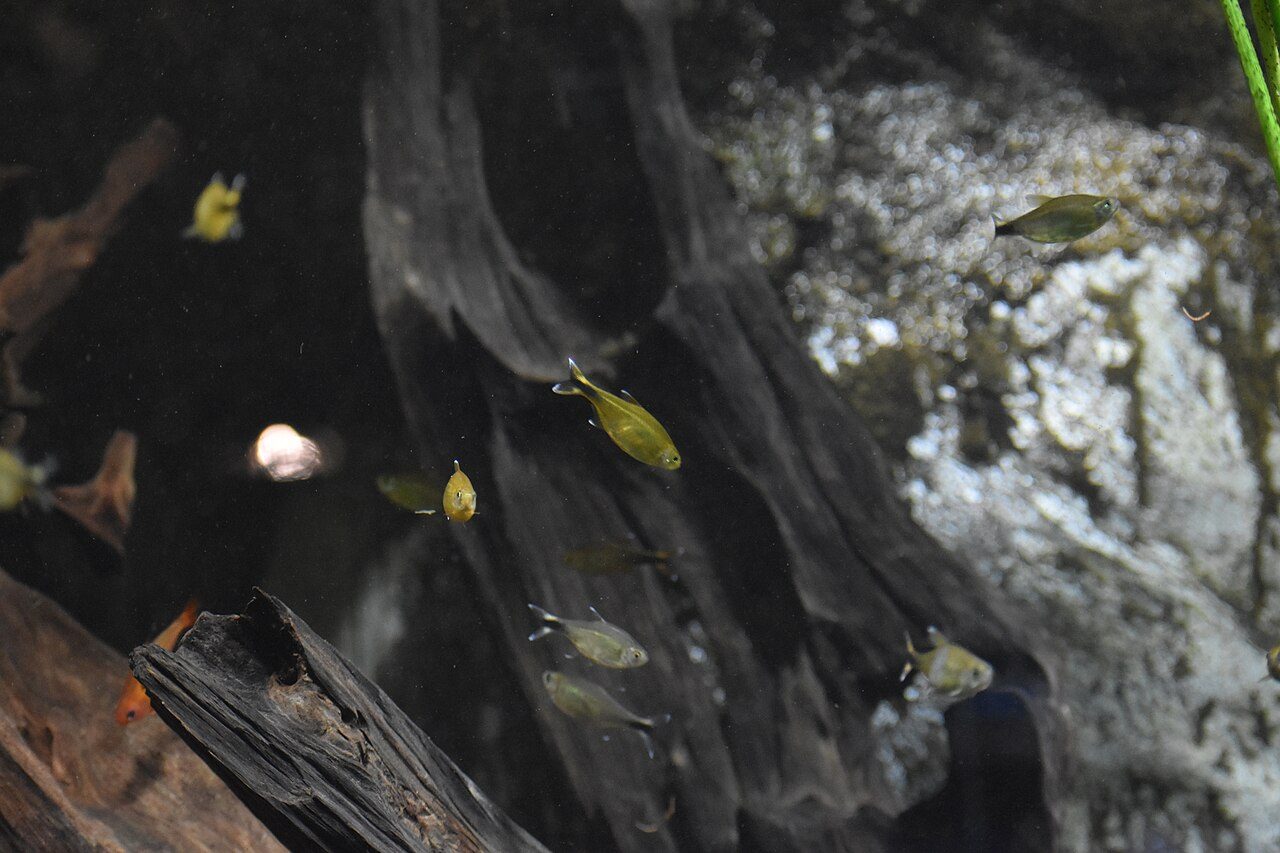
Excellent choices include other hardy tetras, rasboras, and corydoras catfish.
If you are looking for other easy-to-keep species, consider pairing them with Zebra Danios or Cherry Barbs.
They also get along well with most peaceful bottom dwellers like Bristlenose Plecos.
Are They Safe with Bettas?
This is a common question for many new hobbyists.
While it is possible, I generally advise caution when mixing them with Bettas.
The active nature of the Silvertip can stress out a slow-moving Betta, and the Betta’s long fins are a prime target for nipping.
If you do try this combination, a 29-gallon tank or larger with heavy planting is absolutely mandatory.
Common Health Issues and Prevention
Like all freshwater fish, Silvertips are susceptible to certain ailments if their environment is not maintained.
The good news is that their natural hardiness makes them quite resilient to many common pathogens.
Ichthyophthirius multifiliis (White Spot Disease)
Commonly known as “Ich,” this parasite appears as tiny white salt-like grains on the fish’s body and fins.
It is often triggered by sudden temperature fluctuations or the stress of being moved to a new tank.
To prevent this, always use a heater to keep temperatures stable and quarantine new arrivals if possible.
If an outbreak occurs, Ich is easily treated with over-the-counter medications and a slight increase in water temperature.
Fin Rot
Fin rot is usually a sign of poor water quality or physical injury from aggressive tank mates.
If you see the edges of their fins becoming ragged, white, or inflamed, check your ammonia and nitrate levels immediately.
Frequent water changes (25% weekly) are the best way to prevent almost all bacterial infections.
Creating a Beautiful Aquascape for Silvertips
Designing a tank for Silvertip Tetras is a fun project because they look great in almost any style.
However, I have found a few specific tricks that really bring out their personality.
Plant Selection
Silvertips love a heavily planted tank with plenty of open swimming space in the center.
I suggest using tall background plants like Vallisneria or Amazon Swords.
These provide “cover” that makes the fish feel safe enough to swim in the open.
Floating plants like Frogbit or Salvinia are also great for diffusing light, which can make their silver tips appear even brighter.
Substrate and Decor
As mentioned earlier, a dark substrate (dark brown or black) is ideal.
River stones and driftwood branch pieces can be used to create a “riverbed” aesthetic.
The driftwood also helps maintain a slightly lower pH, which these fish appreciate.
Breeding Silvertip Tetras: A Step Beyond the Basics
While this guide focuses on Silvertip Tetra for beginners, you might eventually want to try breeding them.
They are egg-scatterers, meaning they do not provide any parental care and will actually eat their own eggs if given the chance.
The Spawning Setup
To be successful, you will need a separate small breeding tank (5-10 gallons).
Fill it with clumps of Java Moss or a spawning mop to catch the eggs.
The water should be slightly soft and acidic, mimicking the conditions of a spring rain in the São Francisco basin.
Raising the Fry
Once the eggs are laid, remove the adults immediately.
The fry are tiny and will require “infusoria” or liquid fry food for the first few days.
After about a week, they can graduated to newly hatched brine shrimp.
A few common questions
How long do Silvertip Tetras live?
With proper care and a varied diet, they typically live between 3 to 5 years. I have seen some well-cared-for individuals reach the 6-year mark in stable community tanks.
Why are my Silvertip Tetras losing their color?
This is usually a sign of stress or poor water quality. Check your nitrate levels and ensure the temperature is within the correct range. Color loss can also occur at night when the fish are resting.
Can Silvertip Tetras live with shrimp?
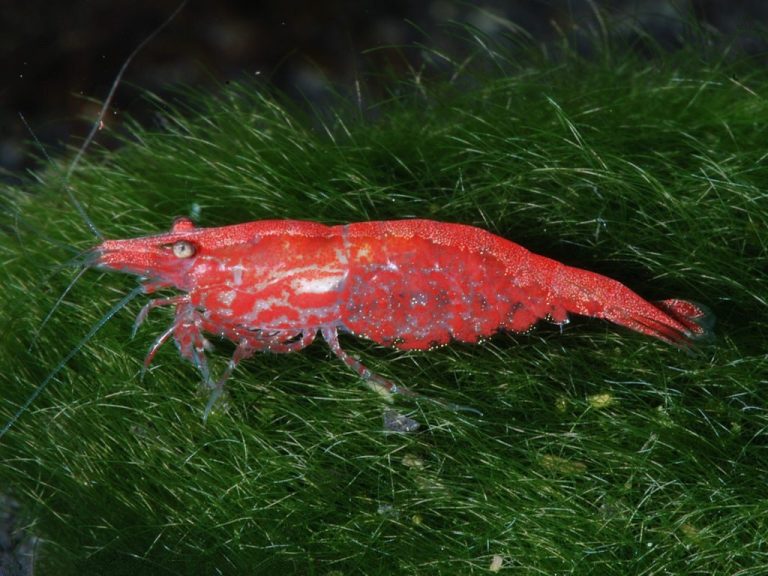
They are generally safe with larger shrimp like Amano shrimp. However, they are opportunistic feeders and will likely eat baby Neocaridina (Cherry Shrimp) if they can fit them in their mouths.
Do Silvertip Tetras need a heater?
Yes. They are tropical fish and require a stable temperature between 72°F and 82°F. Fluctuating temperatures can weaken their immune systems and lead to disease.
How many should I keep in a 20-gallon tank?
A group of 8 to 12 is perfect for a 20-gallon long tank. This provides a bright school while still leaving room for a few bottom-dwelling tank mates.
In short
The Silvertip Tetra for beginners is one of the most rewarding species you can keep.
Their golden shimmer, unique lack of an adipose fin, and high-energy personality make them a standout in any aquarium.
If you provide them with a spacious tank, a varied diet of flakes and Artemia salina, and a group of their own kind, you will be rewarded with a healthy, bustling underwater world.
Remember that what matters most is consistency.
Maintain your water changes, monitor their behavior, and enjoy the lively “dance” of the Silvertip school.
Whether you are a first-time fish keeper or a seasoned pro, these Brazilian beauties are sure to bring a touch of gold to your home.

- 2003First tank
- 20+Years keeping
- 40+Tanks kept
- 0Sponsored picks
Howard set up his first 10-gallon planted tank in 2003 and lost half of it within six weeks. Two decades and more than forty aquariums later, he writes the guides he wished he had then: clear numbers, the reasons behind them, and what actually goes wrong in home tanks.