Do Neon Tetras Eat Shrimp – What and How Often to Feed
Yes, neon tetras will eat baby shrimp (shrimplets) and may attack adult shrimp during the molting process. While generally peaceful, they are opportunistic predators that naturally consume small invertebrates and larvae.
One of the most common questions I hear from new hobbyists is whether they can mix the iconic neon tetra with a colony of colorful freshwater shrimp. After maintaining various community tanks for over ten years, I have seen both incredible success stories and a few heartbreaking “expensive snacks.”
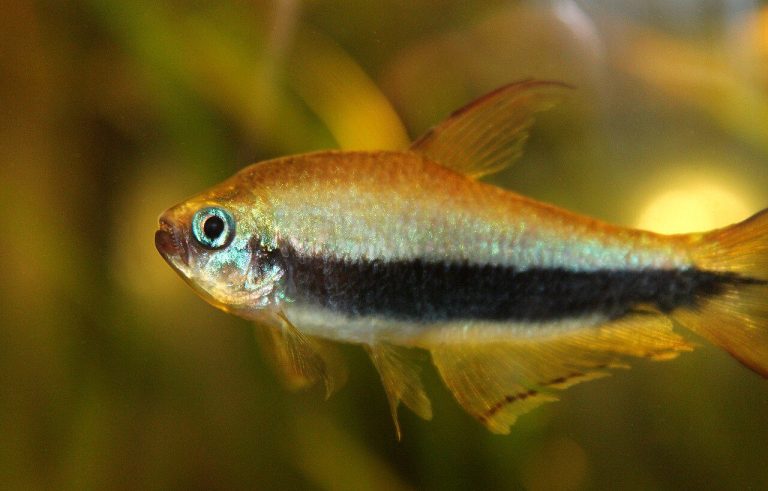
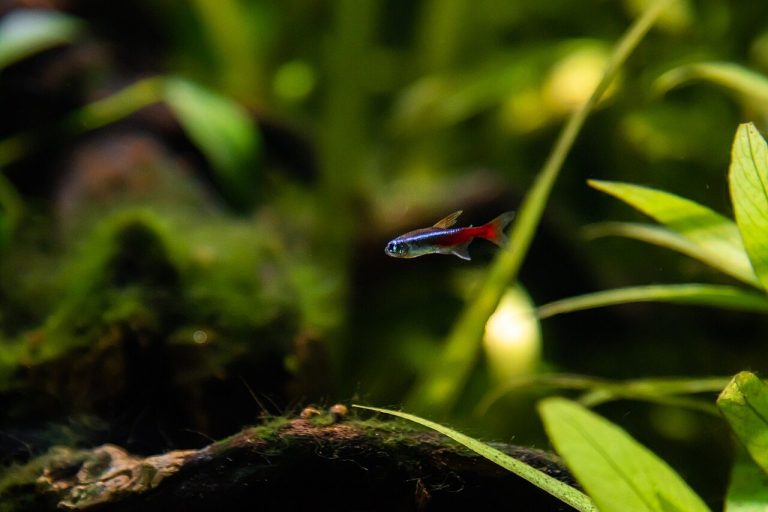
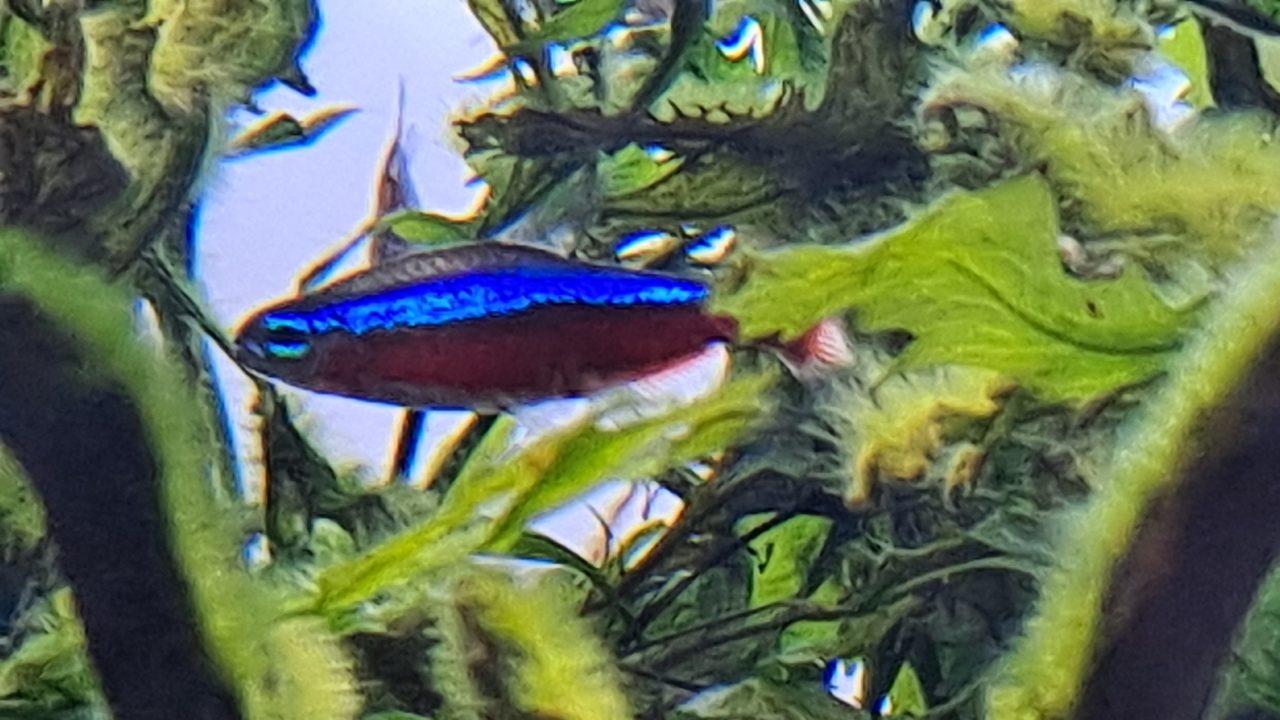
The truth is that the Paracheirodon innesi, or the neon tetra, is a peaceful schooling fish, but it is still a predator by nature. In the wild, these fish survive by being zooplanktivores, meaning their diet consists of tiny organisms floating in the water column and benthic macroinvertebrates.
When we bring them into our home aquariums, those predatory instincts do not simply disappear. If you are planning a rich neon tetra setup, understanding the delicate balance between fish and crustacean is the key to a healthy ecosystem.
At a glance: Neon tetra (Paracheirodon innesi)
- Temperature
- 72–78°F (22–26°C)
- Water pH
- 6.0–7.0
- Adult size
- 1.5 in (4 cm)
- Minimum tank
- 10 gal (20 gal for a proper school)
- Group size
- Groups of 8+
- Temperament
- Peaceful
- Diet
- Omnivore: micro pellets, flakes, frozen daphnia
- Lifespan
- 5–8 years
Keeper’s tip: Add neons only to a fully cycled, stable tank; they are among the first fish to suffer from ammonia swings.
Understanding Neon Tetra Behavior and Diet
To answer the question of whether your fish will hunt your shrimp, we first have to look at what makes a neon tetra tick. These fish are remarkably active and have relatively high metabolisms for their size, which keeps them constantly on the lookout for food.
In my experience, neon tetras are the definition of opportunistic predation. This means they don’t necessarily go “hunting” for shrimp like a Cichlid might, but if a tiny shrimplet swims past their nose, they will strike in a heartbeat.
It is important to keep in mind that most tetras have surprisingly large mouths relative to their body size. If an object is small enough to fit in their mouth and looks like it might be alive, a neon tetra will likely try to eat it.
The Role of Visual Triggers
Neon tetras are highly visual hunters that are attracted to movement. In a bright aquarium, the jerky swimming motion of a young Neocaridina davidi (Cherry Shrimp) acts like a dinner bell for a hungry school of tetras.
I have noticed that tetras are much more likely to ignore shrimp that stay still or graze slowly on the substrate. However, the moment a shrimp “flicks” its tail to swim across the open water, the chase is on.
Do Neon Tetras Eat Shrimp? The Risk Factors
When asking “do neon tetras eat shrimp,” the answer depends heavily on the size and life stage of the shrimp in question. Adult shrimp are generally safe from being swallowed whole, but they are not entirely out of danger.
Baby shrimp are the primary target for any schooling fish in a healthy community aquarium. From the moment they hatch, they are the perfect size for a neon tetra to consume as a high-protein snack.
Pro Tip: If your goal is to breed shrimp and maximize the survival rate of the offspring, I strongly recommend keeping them in a dedicated shrimp-only tank. Even the most “peaceful” fish will significantly reduce your shrimplet population.
If you are keeping adult shrimp, the risk is much lower, but still present. Adult shrimp are often too large for a neon tetra to eat, but a group of tetras may still nip at their antennae or legs if they feel bold or hungry.
Which Shrimp Species are Safest?
Not all shrimp are created equal when it comes to living with fish. Some species are naturally more solid or larger, making them less appealing targets for Paracheirodon innesi.
The following table breaks down the risk levels for common shrimp species when housed with neon tetras:
| Shrimp Species | Average Adult Size | Risk Level | Best For… |
|---|---|---|---|
| Amano Shrimp (Caridina multidentata) | 2.0 – 2.5 inches | Low | Algae control in community tanks. |
| Cherry Shrimp (Neocaridina davidi) | 1.0 – 1.5 inches | Moderate | Established tanks with heavy cover. |
| Ghost Shrimp | 1.5 – 2.0 inches | Low / Moderate | Budget-friendly scavengers. |
| Crystal Red Shrimp | 0.8 – 1.2 inches | High | Expert-level dedicated setups. |
As you can see, the Caridina multidentata (Amano Shrimp) is your safest bet. They are significantly larger than neon tetras and generally command respect in the tank due to their size and activity levels.
The Vulnerability of Ecdysis (Molting)
One aspect of shrimp making sure that many beginners overlook is the process of ecdysis, or molting. Shrimp must periodically shed their hard exoskeleton to grow, leaving them with a soft, jelly-like exterior for several hours.
During this window, shrimp are incredibly vulnerable. They release chemical signals into the water that can actually attract fish, and their soft bodies provide no protection against a nipping tetra.
When a shrimp is in ecdysis, it will instinctively look for a dark, quiet place to hide. If your tank lacks these “safe zones,” even a peaceful neon tetra might take a “test bite” that can prove fatal to the shrimp.
I have found that most “unexplained” adult shrimp deaths in community tanks actually happen during or immediately after a molt. It isn’t always that the fish ate the whole shrimp, but rather that they stressed or injured the shrimp while it was soft.
Creating a Safe Haven: Plants and Hardscape
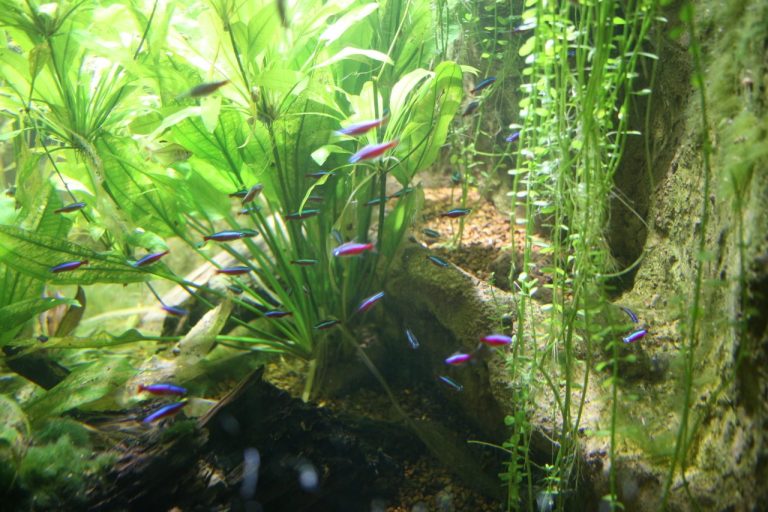
If you want to keep both species successfully, you must design your aquarium with the shrimp’s safety in mind. This means providing plenty of interstitial spaces—tiny gaps and crevices where shrimp can fit but fish cannot.
Dense vegetation is the single most important factor in shrimp survival. I always recommend using Taxiphyllum barbieri (Java Moss) or other fine-leaved plants like Christmas Moss or Subwassertang.
These plants create a complex “jungle” where shrimplets can hide and graze on biofilm without being seen by the tetras. Without these hiding spots, your shrimp colony will likely dwindle over time as the young are picked off.
Pro Tip: Use “shrimp flats” or ceramic tubes hidden behind your driftwood. These provide a 100% safe area for molting shrimp to recover where no fish can reach them.
Hardscape items like Cholla wood are also fantastic. The hollow center of the wood provides a perfect sanctuary for shrimp, and the wood itself grows beneficial biofilm that serves as a natural food source.
Practical Steps to Minimize Predation
Beyond aquascaping, there are several management strategies you can use to ensure your neon tetras and shrimp coexist peacefully. It often comes down to the environment and the sequence in which you introduce the inhabitants.
First, consider your tank size. Keeping these species in a 20-gallon fish tank or larger provides enough “territory” for everyone to find their own space.
In a smaller 5 or 10-gallon tank, the shrimp are much more likely to run into the fish constantly. This high-frequency interaction leads to more stress for the shrimp and more hunting opportunities for the tetras.
Feeding Schedules and Introduction Order
A well-fed fish is a lazy hunter. If you keep your neon tetras satisfied with high-quality flake food, micro-pellets, and occasional frozen treats like daphnia, they will be less inclined to hunt for live prey.
I also highly recommend the “Shrimp First” rule. When setting up a new tank, introduce your shrimp colony and let them establish themselves for 4-6 weeks before adding the tetras.
This allows the shrimp to find all the best hiding spots and potentially produce a first batch of offspring. Once the shrimp feel “at home,” they are less likely to panic and dart around when fish are introduced, which reduces the tetras’ predatory trigger.
Questions I get asked a lot
Will neon tetras eat Ghost shrimp?
Generally, no. Adult Ghost shrimp are usually too large and aggressive for a neon tetra to mess with. However, very small juvenile Ghost shrimp are definitely at risk of being eaten.
Can I keep Neon Tetras with Bamboo Shrimp?
Yes, this is a very safe combination. Bamboo shrimp are much larger filter-feeders and do not compete with tetras for food. They are far too big for a neon tetra to consider as prey.
How many shrimplets will I lose to my tetras?
It is impossible to give an exact number, but in a moderately planted tank, you might lose 50-70% of the hatchlings. In a heavily planted “jungle” tank, that loss might drop to 20-30%.
Do neon tetras eat shrimp eggs?
Neon tetras cannot eat eggs while they are still attached to the female shrimp (who “carries” them). However, if a female drops her eggs due to stress, the tetras will quickly consume them as they are a highly nutritious food source.
Final thoughts
So, do neon tetras eat shrimp? The answer is a nuanced “yes,” but with the right preparation, they can still live together in a beautiful community display.
The key is to accept that some shrimplet predation is inevitable. If you provide thick clumps of Taxiphyllum barbieri, choosing larger species like Amano shrimp, and maintaining a consistent feeding schedule, you can create a balanced environment.
I have spent years watching the interaction between these two species, and there is nothing quite as rewarding as seeing a bright school of Paracheirodon innesi swimming above a stable colony of colorful shrimp.
Just remember to prioritize hiding spots and choose your shrimp species wisely. With a bit of planning and a “shrimp-first” approach, you can enjoy the best of both worlds in your successful aquarium.
- 2003First tank
- 20+Years keeping
- 40+Tanks kept
- 0Sponsored picks
Howard set up his first 10-gallon planted tank in 2003 and lost half of it within six weeks. Two decades and more than forty aquariums later, he writes the guides he wished he had then: clear numbers, the reasons behind them, and what actually goes wrong in home tanks.