Big Tetra Species – Top Picks for Your Tank
Big tetra species like the Congo Tetra and Bleeding Heart Tetra reach 3 to 4 inches, offering colorful colors and active shoaling behavior. These solid fish are ideal for larger community aquariums over 30 gallons.
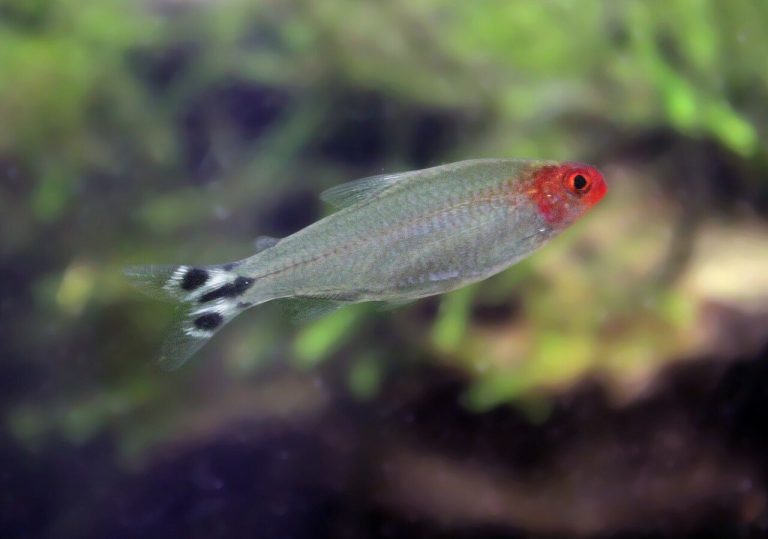
When most people think of tetras, they immediately picture the tiny, glimmering Neon Tetra. While those small fish are wonderful, there is an entire world of big tetra species that can bring a completely different level of energy and presence to your aquarium.
In my 10 years of keeping fish, I have found that larger tetras are often hardier and more visually impactful than their smaller cousins. They fill the mid-water section of a tank with shimmering scales and remarkable social dynamics that you just don’t get with nano fish.
Whether you are looking for the iridescent scales of the Congo Tetra or the spirited personality of the Buenos Aires Tetra, these fish offer something for everyone. In this guide, we will explore the best large tetras for your home setup and how to keep them flourishing.
Pro Tip: When transitioning from small tetras to larger species, keep in mind that these fish need significantly more swimming room. A 20-gallon tank might feel crowded quickly, so I always recommend starting with at least a 40-gallon breeder for a proper shoal of big tetras.
At a glance: Tetras (general) (Family Characidae and relatives)
- Temperature
- 72–80°F (22–27°C) for most species
- Water pH
- 6.0–7.5 for most species
- Adult size
- 1–3 in (2.5–8 cm)
- Minimum tank
- 10–30 gal depending on species
- Group size
- Groups of 6–10+
- Temperament
- Mostly peaceful schooling fish
- Diet
- Omnivores: quality flakes or micro pellets plus frozen foods
- Lifespan
- 3–8 years
Keeper’s tip: Schooling size matters more than tank size for most tetras: small groups hide, nip and stress.
Why Choose Big Tetra Species for Your Aquarium?
Choosing big tetra species over smaller ones provides a focal point that captures the eye from across the room. These fish are generally more sturdy, meaning they can handle slight fluctuations in water parameters better than fragile nano species.
Larger tetras also exhibit more complex shoaling behavior. In a large group, you will see a clear hierarchy and unusual interactions as they move together through the water column.
Furthermore, they are less likely to become “snacks” for larger tank mates like Angelfish or Gouramis. This makes them the perfect middle-ground fish for a diverse community aquarium where size and speed are necessary for survival.
Top Big Tetra Species for the Home Aquarium
There are several species that stand out in the hobby due to their size, color, and ease of care. Each brings a unique aesthetic, from the flowy fins of the Alestidae family to the deep-bodied shape of South American varieties.
The following table compares some of the most popular large tetras to help you decide which is right for your tank.
| Common Name | Scientific Name | Max Size | Temperament |
|---|---|---|---|
| Congo Tetra | Phenacogrammus interruptus | 3.5 – 4 inches | Peaceful |
| Bleeding Heart Tetra | Hyphessobrycon erythrostigma | 2.5 – 3 inches | Peaceful/Semi-active |
| Buenos Aires Tetra | Hemigrammus caudovittatus | 2.8 – 3 inches | Semi-aggressive/Active |
| Diamond Tetra | Moenkhausia pittieri | 2.5 – 2.8 inches | Peaceful |
| Bucktooth Tetra | Exodon paradoxus | 3 – 4 inches | Aggressive |
The Majestic Congo Tetra (Phenacogrammus interruptus)
The Congo Tetra is widely considered the “king” of the large tetras. Originating from the Congo River Basin, these fish possess incredible iridescent scales that reflect rainbows of color under the right lighting.
They belong to the Alestidae family, which is the African equivalent of the South American characins. One of their most striking features is the long, flowing fins found on the males.
I have noticed that Congo Tetras are particularly sensitive to water quality. They stay healthy best in well-oxygenated water with a moderate flow, mimicking their natural riverine habitat.
The Classic Bleeding Heart Tetra (Hyphessobrycon erythrostigma)
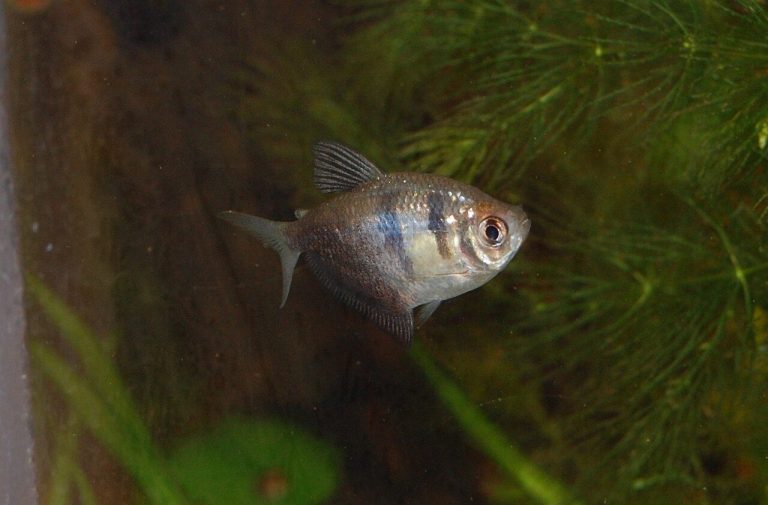
The Bleeding Heart Tetra is named for the distinct red spot located near its heart area. They have a deep-bodied, disc-like shape that makes them look much larger than typical tetras.
These fish are incredibly peaceful and make excellent companions for other soft-water species. They also feature a prominent adipose fin, a small fleshy fin behind the dorsal fin typical of many characins.
When keeping Bleeding Hearts, I recommend using a dark substrate. This helps their pinkish-silver bodies and red accents really “pop” against the background.
The Energetic Buenos Aires Tetra (Hemigrammus caudovittatus)
If you are looking for a fish with high energy and a hardy constitution, the Buenos Aires Tetra is a top contender. They are incredibly active and will constantly zoom around the tank.
One thing to watch out for is their appetite for live plants. In my experience, they can be quite destructive to soft-leaved plants like Hygrophila or Ludwigia.
If you want to keep them in a planted tank, stick to tough species like Anubias or Java Fern. They are also known to be occasional fin nippers, so avoid keeping them with slow-moving fish like Bettas or Fancy Guppies.
Essential Tank Requirements for Larger Tetras
Because of their size and activity levels, big tetra species require more thoughtful planning than a standard 10-gallon setup. They need space to swim and high-quality filtration to handle their higher bioload.
Maintaining the correct aquarium temp for tetras is vital for their immune systems. Most large species prefer temperatures between 74°F and 82°F, depending on their specific origin.
You should also pay close attention to choosing the right aquarium volume. A larger volume of water is more stable and provides the linear swimming space these shoaling fish crave.
Water Chemistry and Filtration
Most large tetras originate from environments rich in humic substances. These are organic compounds released by decaying wood and leaves that naturally soften the water and lower the pH.
Using peat moss in your filter or adding Indian Almond leaves can replicate these conditions. It makes the fish feel more at home and also helps intensify their natural colors.
A strong canister filter or a high-quality hang-on-back filter is necessary. Large tetras are active eaters and produce more waste than smaller species, so over-filtration is always a good idea.
Aquascaping for Large Schools
When designing a tank for big tetra species, I follow the “open middle” rule. I place plants and driftwood around the perimeter and leave the center of the tank open for swimming.
Large tetras can be easily startled by sudden movements outside the tank. Providing plenty of hiding spots in the form of tall plants or rock caves will help them feel secure and reduce stress.
Lighting should be moderate. If your lights are too bright, these fish may become shy; using floating plants like Frogbit can provide shaded areas that encourage them to spend more time in the open.
Diet and Nutrition for Peak Health
A varied diet is the secret to seeing the best colors in your fish. While they will readily accept high-quality flake food, relying on a single food source can lead to nutritional deficiencies.
I always supplement my tetras’ diet with frozen or live foods. Brine shrimp, daphnia, and bloodworms are excellent choices that provide the protein needed for growth and fin development.
For species like the Congo Tetra, adding some vegetable-based foods can also be beneficial. They often enjoy nibbling on blanched zucchini or high-quality spirulina flakes.
Common Mistake: Many hobbyists forget that larger tetras have larger mouths. If you are feeding tiny “nano” pellets, your big tetras might spend too much energy searching for small bites. Ensure the food size is appropriate for their physical size to prevent stunted growth.
Social structure is incredibly important for big tetra species. Unlike some fish that can be kept singly, tetras are social animals that require a group to feel safe and display natural behaviors.
I recommend a minimum of six individuals of the same species, though a group of ten or more is much better. In larger groups, aggression is spread out, and the fish feel much more confident.
You will often see “sparring” among males, especially in Diamond Tetras or Congo Tetras. This is rarely harmful; it involves flashing fins and “dancing” to establish dominance within the shoal.
The Unique Case of the Bucktooth Tetra
The Bucktooth Tetra (Exodon paradoxus) is an exception to the “peaceful” rule. These are highly predatory and aggressive big tetra species that should usually be kept in a species-only tank.
They have a specialized diet in the wild that includes the scales of other fish. In the aquarium, they are incredibly fast and can be quite “nippy” even with their own kind if the group is too small.
If you decide to keep Exodons, you need a large tank (55 gallons+) and a group of at least 12 to 15. This high number prevents any single fish from being bullied to death by the others.
Health Management and Common Issues
Even though they are hardy, large tetras are not invincible. They can still fall victim to common freshwater ailments if their environment is not maintained.
The most frequent issue I see is Ichthyophthirius multifiliis, commonly known as Ich. This parasite presents as small white spots on the body and fins and is often triggered by temperature stress.
Another concern for larger tetras is fin rot. Because species like the Congo Tetra have long, delicate fins, they are more susceptible to bacterial infections if the water contains high levels of ammonia or nitrate.
Regular water changes are your best defense. I aim for a 30% water change every week to keep the environment clean and the lifespan of these fish as long as possible. You can learn more about the lifespan of these fish to understand how long-term care impacts their health.
Common questions About Big Tetra Species
Can I mix different big tetra species in one tank?
Yes, you can mix different species as long as they have similar water requirements and temperaments. For example, Bleeding Heart Tetras and Diamond Tetras usually coexist very peacefully.
How big of a tank do I need for a school of 10 Congo Tetras?
For a school of 10 Congo Tetras, I would recommend a minimum of a 55-gallon tank. They are fast swimmers and reach nearly 4 inches, so they need the length of a 4-foot tank to be comfortable.
Do big tetras need special lighting?
They don’t necessarily need “special” lighting, but they look best under full-spectrum LED lights. This brings out the iridescence in species like the Diamond Tetra (Moenkhausia pittieri).
Are big tetras okay for beginners?
Most are! Species like the Buenos Aires Tetra are incredibly hardy and can survive many “rookie mistakes.” However, the Congo Tetra is slightly more demanding and better suited for someone with a few months of experience.
Will large tetras eat my shrimp?
Unfortunately, yes. Most big tetra species will view ornamental shrimp like Cherry Shrimp as food. If you want to keep shrimp with them, you need very large shrimp (like Amano shrimp) and plenty of dense moss for hiding.
Where that leaves you
Integrating big tetra species into your aquarium setup can transform a standard tank into a dynamic, shimmering display of nature. From the rainbow hues of the Congo Tetra to the silver glitter of the Diamond Tetra, these fish offer beauty and personality in spades.
Success with these larger characins comes down to space, water stability, and social structure. If you provide a large enough tank and a proper shoal, you will be rewarded with active, healthy fish that can live for five to seven years.
In my experience, once you try keeping these larger species, it is hard to go back to the tiny ones. The presence they bring to an aquarium is unmatched in freshwater community fish.
If you are ready to upgrade your tank, start by researching the specific needs of your favorite species. With a little preparation and the right environment, your big tetras will become the crowning jewels of your successful aquarium.

- 2003First tank
- 20+Years keeping
- 40+Tanks kept
- 0Sponsored picks
Howard set up his first 10-gallon planted tank in 2003 and lost half of it within six weeks. Two decades and more than forty aquariums later, he writes the guides he wished he had then: clear numbers, the reasons behind them, and what actually goes wrong in home tanks.