Aquarium Temp For Tetras – Care Guide
The ideal aquarium temp for tetras typically ranges between 75°F and 80°F (24°C to 27°C). Maintaining a stable temperature within this window is essential for supporting their immune systems and preventing dangerous metabolic stress.
In my decade of experience maintaining tropical setups, I have found that temperature is often the most overlooked factor in fish health. While many hobbyists focus heavily on pH or ammonia, the aquarium temp for tetras serves as the literal engine for their biological functions.
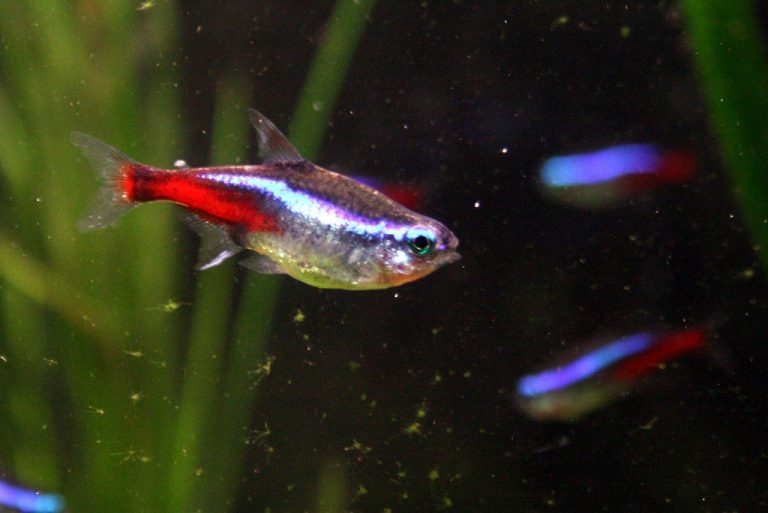
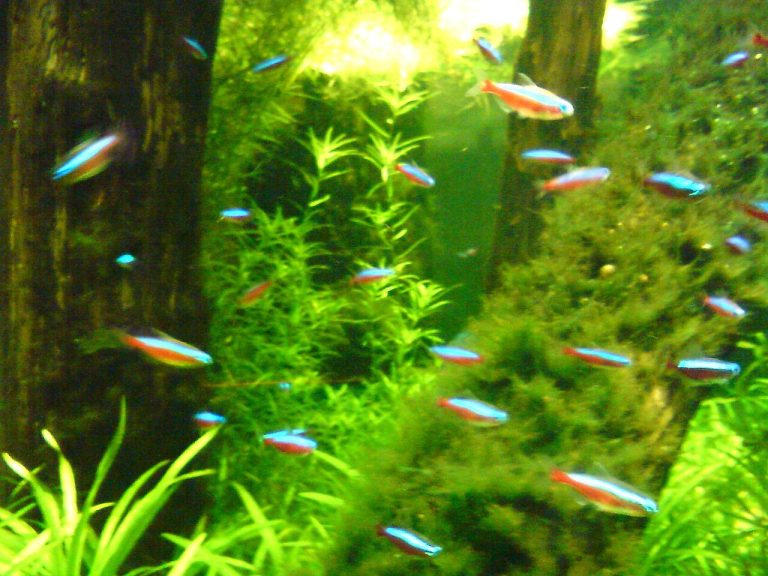
When you bring home a new school of vivid neon tetras, you are responsible for mimicking their natural Amazonian environment. These fish are sensitive to even slight changes in their surroundings, which can lead to rapid health declines if not managed properly.
Setting the right temperature is not just about keeping the water warm; it is about providing stability and biological efficiency. In this guide, we will explore why specific thermal ranges matter and how to achieve them for a flourishing aquatic display.
At a glance: Tetras (general) (Family Characidae and relatives)
- Temperature
- 72–80°F (22–27°C) for most species
- Water pH
- 6.0–7.5 for most species
- Adult size
- 1–3 in (2.5–8 cm)
- Minimum tank
- 10–30 gal depending on species
- Group size
- Groups of 6–10+
- Temperament
- Mostly peaceful schooling fish
- Diet
- Omnivores: quality flakes or micro pellets plus frozen foods
- Lifespan
- 3–8 years
Keeper’s tip: Schooling size matters more than tank size for most tetras: small groups hide, nip and stress.
Understanding Ectothermic Regulation and Metabolic Rate
Tetras are ectothermic organisms, meaning they cannot produce their own body heat like mammals do. Instead, their internal body temperature is dictated entirely by the water surrounding them in their carefully maintained aquarium.
This biological reality means that the aquarium temp for tetras directly controls their metabolic rate. When the water is too cold, their digestion slows down, their immune system becomes sluggish, and they lose their characteristic energy.
Conversely, water that is too warm can cause their metabolism to skyrocket, leading to premature aging and exhaustion. Finding that “Goldilocks” zone is the secret to seeing your tetras live out their full, multi-year lifespans.
Pro Tip: I have noticed that tetras kept at the higher end of their range (around 80°F) often show more intense coloration but may require more frequent feedings. If you want to maximize longevity, keeping them at a steady 76°F or 77°F is often the better long-term strategy.
The Role of Nitrifying Bacteria Kinetics
Temperature doesn’t just affect the fish; it also impacts the invisible heroes of your tank: the beneficial bacteria. The nitrifying bacteria kinetics in your filter are most efficient when the water is warm.
If the temperature drops significantly below 70°F, these bacteria slow their processing of ammonia and nitrite. This can lead to a sudden “mini-cycle” or ammonia spike, even in a well-established tank, putting your tetras at further risk.
Ideal Aquarium Temp for Tetras by Species
While most tetras come from tropical regions, their specific habitats can vary from shaded forest streams to sun-drenched river edges. This means that a “one size fits all” approach doesn’t always work perfectly for every species.
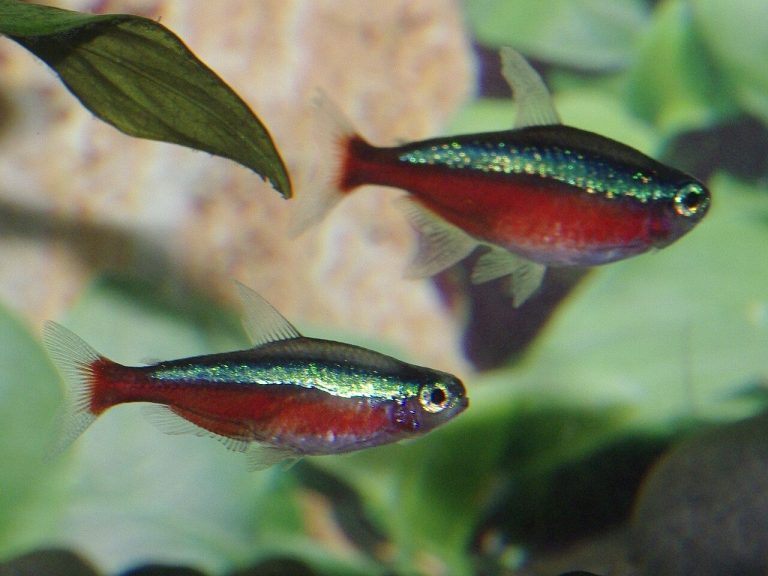
For example, the classic Neon Tetra (Paracheirodon innesi) actually prefers slightly cooler water than its cousin, the Cardinal Tetra (Paracheirodon axelrodi). Neons often do well in the 72°F to 76°F range, while Cardinals prefer it closer to 80°F or even 82°F.
Understanding these subtle differences is key to building a successful multi-species community tank. Below is a reference table for some of the most popular species in the hobby.
| Tetra Species | Ideal Temp Range (°F) | Ideal Temp Range (°C) | Hardiness Level |
|---|---|---|---|
| Neon Tetra (P. innesi) | 72°F – 78°F | 22°C – 25°C | Moderate |
| Cardinal Tetra (P. axelrodi) | 78°F – 82°F | 25°C – 28°C | Moderate |
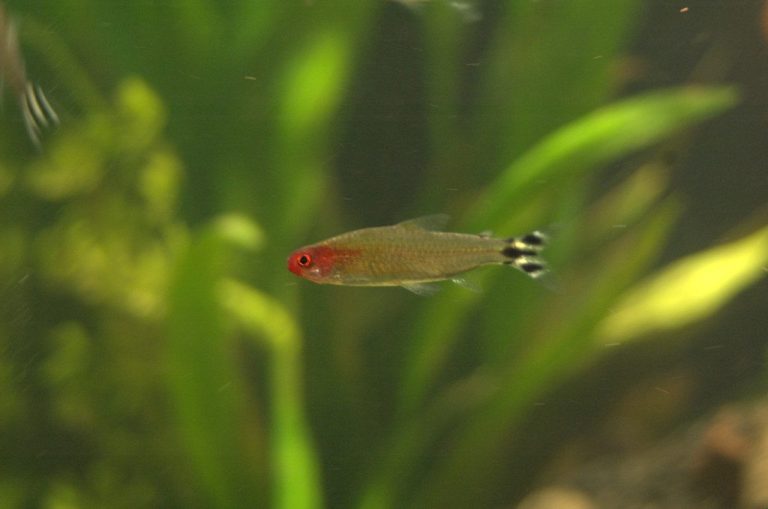
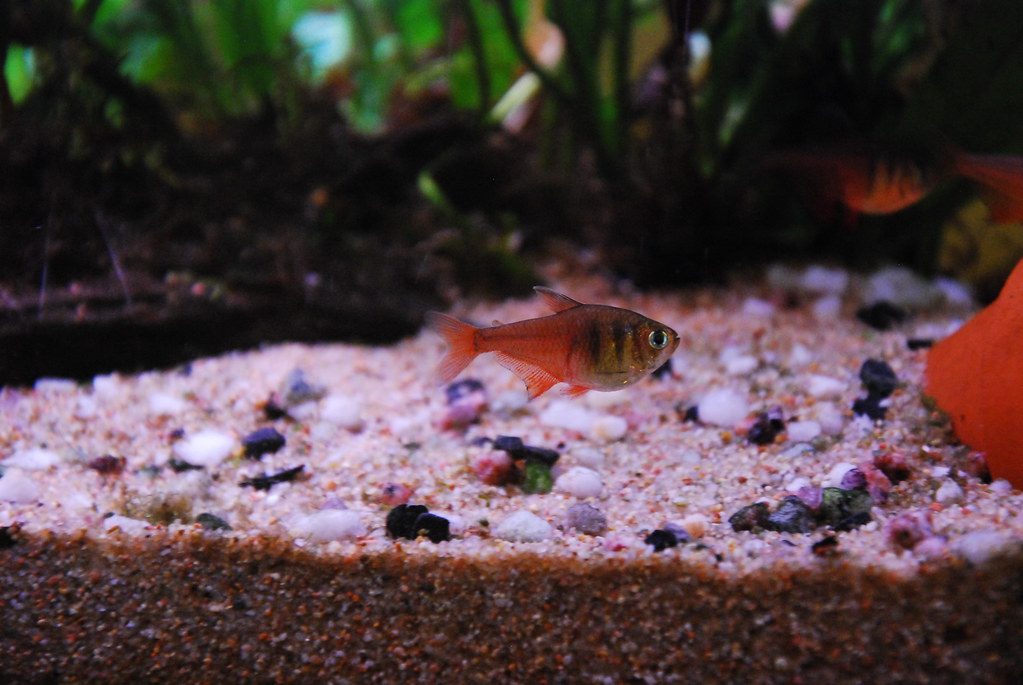
| Rummy Nose Tetra | 75°F – 84°F | 24°C – 29°C | Sensitive |
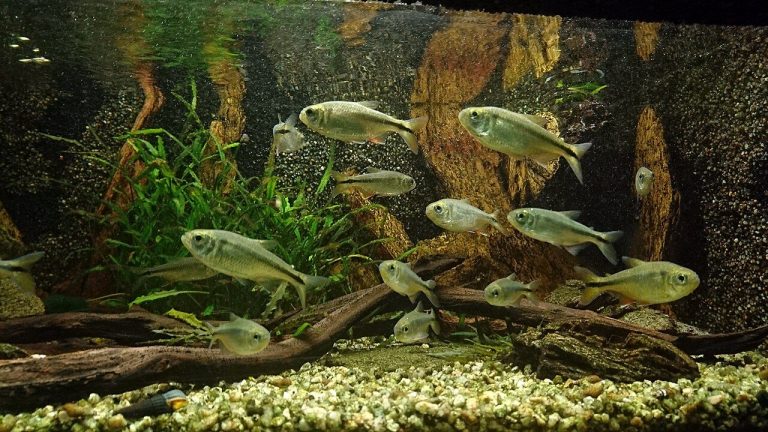
| Black Skirt Tetra | 70°F – 79°F | 21°C – 26°C | Hardy |
| Buenos Aires Tetra | 64°F – 82°F | 18°C – 28°C | Very Hardy |
Dissolved Oxygen Saturation and High Temperatures
A common mistake I see among intermediate keepers is cranking up the heat to encourage breeding without considering oxygen levels. There is a direct inverse relationship between water temperature and dissolved oxygen saturation.
As the water gets warmer, it becomes physically less capable of holding oxygen molecules. If your aquarium temp for tetras climbs above 82°F, you may notice your fish gasping at the surface.
This condition, known as hypoxia, is extremely stressful and can lead to sudden deaths. If you must keep your tank at a higher temperature, help you have significant surface agitation or an air stone to facilitate gas exchange.
When tetras are too hot, they often become hyperactive and may show signs of frantic swimming. Their gills will move rapidly as they struggle to pull enough oxygen from the depleted water.
When they are too cold, they will often huddle near the heater or sit motionless at the bottom of the tank. Their colors will appear washed out, and they will show little to no interest in food during their normal feeding times.
Choosing and Calibrating a Submersible Heater Thermostat
To maintain the perfect aquarium temp for tetras, you need a reliable submersible heater thermostat. Not all heaters are created equal, and a failure can result in “cooking” your fish or letting them freeze.
I always recommend choosing a heater with a clear temperature dial and an auto-shutoff feature. It is also vital to place the heater in an area with high water flow, such as near the filter intake or outflow.
This helps make sure that the heated water is distributed evenly throughout the tank, preventing “cold spots” where fish might get chilled. Always use a separate, high-quality thermometer to verify the heater’s internal setting.
Common Mistake: Many beginners trust the number printed on the heater dial blindly. In my experience, these dials can be off by 2 or 3 degrees; always calibrate your heater against a reliable digital or glass thermometer before assuming the water is safe.
Redundancy is Your Best Friend
If you have a larger tank, such as a 55-gallon or 75-gallon setup, consider using two smaller heaters instead of one large one. If one heater fails and stays “on,” a single small unit is less likely to overheat the entire tank quickly.
Conversely, if one heater fails and stays “off,” the second unit can usually keep the water from dropping to lethal levels until you notice the problem. This redundancy has saved my personal fish rooms more times than I can count.
Managing Temperature Fluctuations and Thermal Shock
The absolute value of the temperature is important, but stability is even more critical. Tetras are highly susceptible to thermal shock, which occurs when the temperature changes too rapidly for their bodies to adjust.
This often happens during water changes or when bringing new fish home from the store. Even a sudden 3-degree drop can suppress their immune systems enough to allow diseases to take hold.
When performing water changes, always use a thermometer to make sure the new water is within 1 degree of the tank water. If you are moving fish, the “float and drip” method is the best way to slowly acclimate them to the new aquarium temp for tetras.
The Impact of Ambient Room Temperature
Keep in mind that your aquarium is influenced by the room it is in. If you place your tank near a drafty window or a direct sunlight source, the temperature will swing wildly throughout the day.
I once kept a tank near a sun-facing window and watched the temperature jump 5 degrees every afternoon. This constant fluctuation caused a massive outbreak of stress-related illness that took weeks to resolve.
Temperature and Disease Prevention
Maintaining the correct aquarium temp for tetras is your first line of defense against common pathogens. The most notorious of these is Ichthyophthirius multifiliis, commonly known as “Ich” or white spot disease.
The lifecycle of the Ich parasite is heavily dependent on temperature. In cooler water, the parasite matures slowly, making it harder to treat; in warmer water, the cycle speeds up, allowing medications to work more effectively.
However, keeping tetras in water that is consistently too cold (below 74°F) weakens their slime coat. This makes them easy targets for Ich and other fungal infections that stay healthy in sub-ideal conditions.
Summer Heat Waves
In the summer, your main challenge might be keeping the water cool enough. If your tank exceeds 84°F, you should take immediate action to cool it down slowly.
You can do this by turning off the aquarium lights, opening the lid, and pointing a small fan across the surface of the water. Evaporative cooling is surprisingly effective and can drop the temperature by several degrees without the risk of thermal shock.
FAQ
Can tetras live without a heater?
In most modern homes, a heater is required. Unless your room stays a constant 76°F–78°F year-round, the fluctuations at night or during winter will be too stressful for tropical tetras.
What happens if the water is too cold for tetras?
If the water stays below 70°F for extended periods, the fish’s metabolic rate will drop dangerously low. They will stop eating, their immune systems will fail, and they will eventually die from secondary infections or organ failure.
Is 82 degrees too hot for Neon Tetras?
Yes, 82°F is on the high side for Paracheirodon innesi. While they can survive it for short periods, it will shorten their lifespan and likely lead to oxygen stress. It is better to keep them closer to 75°F.
How do I lower the temperature during a heatwave?
The safest way is to use a fan for evaporative cooling or perform small, frequent water changes with slightly cooler water. Avoid dropping ice cubes directly into the tank, as this creates localized “freezing zones” that can harm the fish.
Putting it all together
Mastering the aquarium temp for tetras is a fundamental skill that separates successful aquarists from those who struggle with constant fish loss. Once you understand the relationship between heat, metabolism, and oxygen, you can create a stable environment where your fish will flourish.
Stability is just as important as the specific number on the thermometer. Invest in a high-quality submersible heater thermostat, monitor your water daily, and always be prepared for seasonal changes in your home’s climate.
When you provide the right thermal conditions, your tetras will reward you with vivid colors, active schooling behavior, and many years of beauty in your home. It is the invisible foundation of a healthy, flourishing aquarium.

- 2003First tank
- 20+Years keeping
- 40+Tanks kept
- 0Sponsored picks
Howard set up his first 10-gallon planted tank in 2003 and lost half of it within six weeks. Two decades and more than forty aquariums later, he writes the guides he wished he had then: clear numbers, the reasons behind them, and what actually goes wrong in home tanks.