Smallest Tetra Species – Top Picks for Your Tank
The smallest tetra species include the Ember Tetra, Green Neon Tetra, and Ruby Tetra, typically reaching only 0.6 to 0.8 inches. These nano fish do well in heavily planted, stable aquarium environments.
Aquarists have long been fascinated by the colorful colors and energetic movement of the Characidae family. In my ten years of keeping fish, I have found that the smallest tetra species offer a unique opportunity to create intricate, large-scale landscapes in relatively small volumes of water.
These tiny gems allow you to witness authentic shoaling behavior without needing a massive tank. When you select the right species, you can turn a modest 10-gallon aquarium into a bustling slice of the Amazon.
Choosing the right inhabitants requires an understanding of their specific needs, from water chemistry to social structure. In this guide, I will share everything I have learned about maintaining these delicate but satisfying fish.
At a glance: Tetras (general) (Family Characidae and relatives)
- Temperature
- 72–80°F (22–27°C) for most species
- Water pH
- 6.0–7.5 for most species
- Adult size
- 1–3 in (2.5–8 cm)
- Minimum tank
- 10–30 gal depending on species
- Group size
- Groups of 6–10+
- Temperament
- Mostly peaceful schooling fish
- Diet
- Omnivores: quality flakes or micro pellets plus frozen foods
- Lifespan
- 3–8 years
Keeper’s tip: Schooling size matters more than tank size for most tetras: small groups hide, nip and stress.
Understanding the Smallest Tetra Species and Their Appeal
The term “nano fish” has become a staple in the hobby, but the smallest tetra species define the category. Most of these fish originate from the soft, acidic waters of South America, often found in slow-moving forest streams.
In these environments, humic substances and tannic acid play a vital role in their health. These elements create “blackwater” conditions that help shield the fish from bacteria and provide a sense of security.
Pro Tip: When moving tiny tetras, always use a fine-mesh net. Their small fins can easily get caught in standard nets, leading to stress or physical injury during the transition to your tank.
Keeping smaller fish allows for a higher number of individuals in a single shoal. This creates a much more natural and visually beautiful display than keeping just a few larger fish.
Top 5 Smallest Tetra Species for Your Aquarium
There are several species that vie for the title of the smallest, each with its own personality and care requirements. Below is a detailed look at the most popular and hardy options for your nano setup.
1. Ember Tetra (Hyphessobrycon amandae)
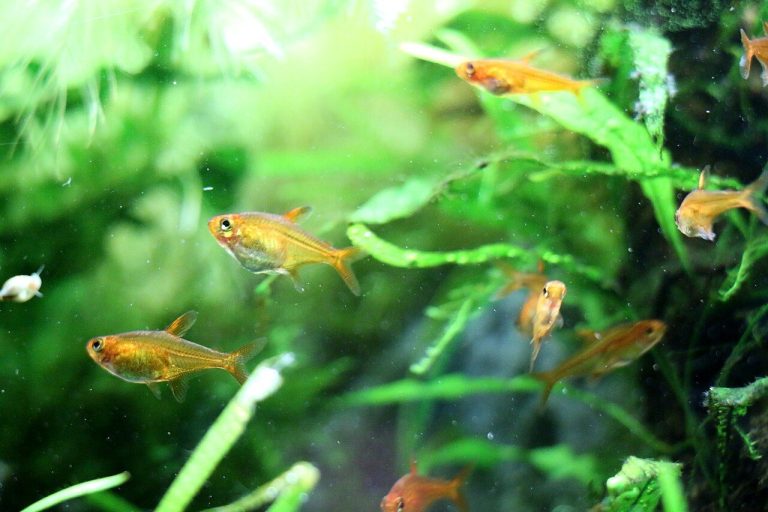
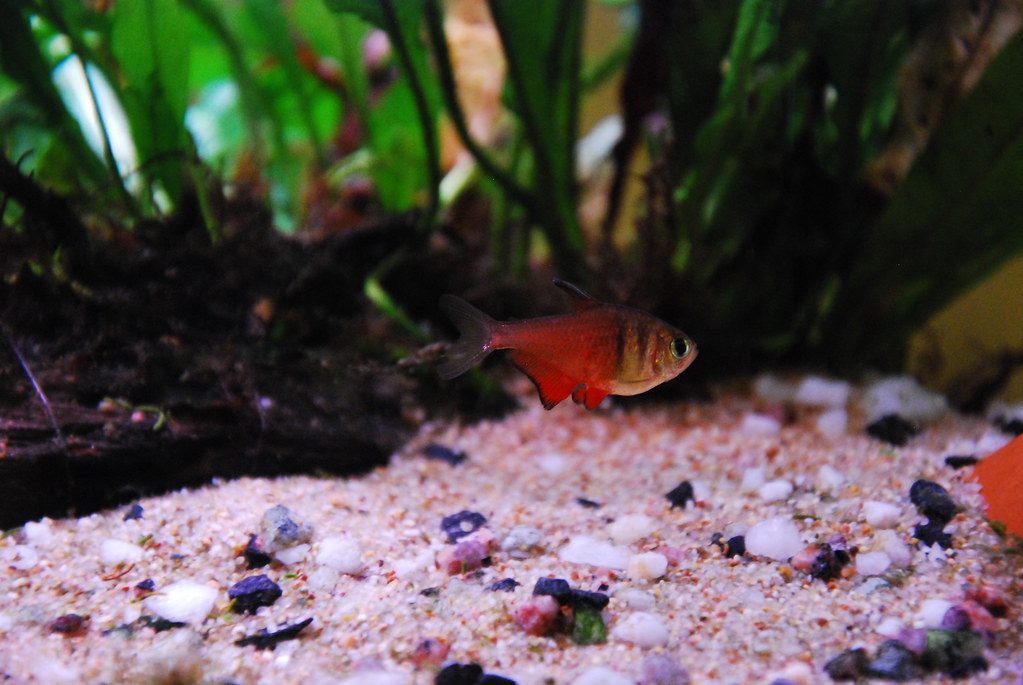
The Ember Tetra is a personal favorite of mine because of its deep orange-red coloration. They rarely exceed 0.8 inches and are incredibly peaceful, making them perfect for shrimp tanks.
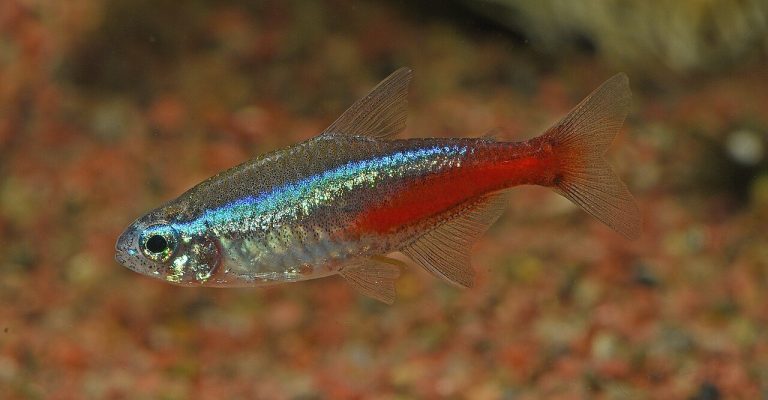
2. Green Neon Tetra (Paracheirodon simulans)
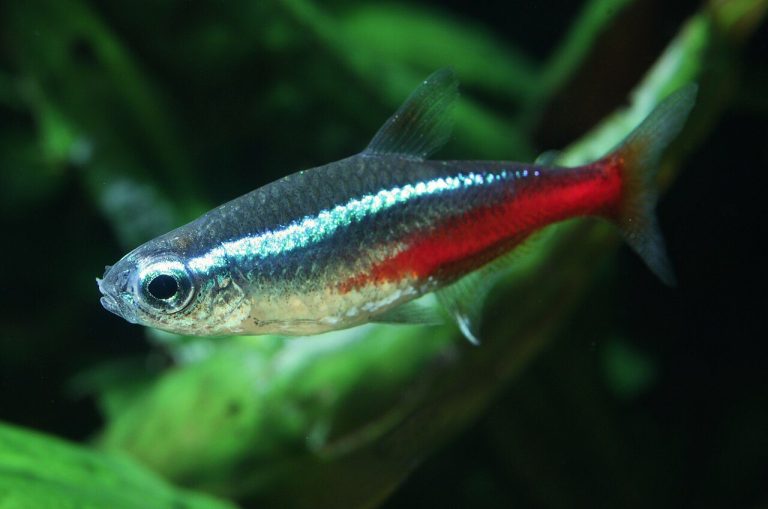
While people often look at a variety of neon species, the Green Neon is significantly smaller than its famous cousin. It features a brilliant lateral stripe that leans more toward turquoise or green.
3. Ruby Tetra (Axelrodia riesei)
The Ruby Tetra is a true heavyweight in the smallest tetra species when it comes to beauty. They have a translucent red body and a distinct black spot at the base of the tail, reaching about 0.7 inches.
4. Tucano Tetra (Tucanoichthys tucano)
This is a rarer find in the hobby but highly sought after by enthusiasts. They have a striking black stripe and a cream-colored body, often showing hints of pink or orange under the right lighting.
5. Crystal Rainbow Tetra (Trochilocharax ornatus)
These are nearly transparent with iridescent fins that shimmer as they move. They are incredibly small, often staying under 0.7 inches, and they require very stable water conditions to flourish.
| Common Name | Scientific Name | Max Size (Inches) | Min Tank Size |
|---|---|---|---|
| Ember Tetra | Hyphessobrycon amandae | 0.8″ | 5-10 Gallons |
| Green Neon Tetra | Paracheirodon simulans | 0.8″ | 10 Gallons |
| Ruby Tetra | Axelrodia riesei | 0.7″ | 5-10 Gallons |
| Tucano Tetra | Tucanoichthys tucano | 0.65″ | 10 Gallons |
The Perfect Setup for the Smallest Tetra Species
When setting up a tank for these tiny creatures, you have to think about scale. A standard filter intake can easily suck up a small tetra, so equipment choice is essential.
I always recommend using a high-quality sponge filter or a pre-filter intake sponge for hang-on-back filters. This helps make sure your fish stay safe while the water remains crystal clear.
Substrate and decor should also be chosen to make the fish feel secure. Darker substrates and plenty of live plants like Java Moss or Anubias help these fish feel at home and display their best colors.
Tank Size and Dimensions
While some of the smallest tetra species can technically live in a 5-gallon tank, a 10-gallon “long” is much better. The extra horizontal swimming space allows for more natural shoaling and better gas exchange.
If you are considering nano aquarium setups, keep in mind that smaller volumes of water can fluctuate in temperature and chemistry much faster. Stability is the biggest factor with these species.
Lighting and Vegetation
These fish typically come from shaded jungle streams. Floating plants like Frogbit or Salvinia are excellent for diffusing light and providing cover.
Dense planting at the back and sides of the tank creates a “safety zone.” When tetras know they have a place to hide, they actually spend more time out in the open.
Water Chemistry and the Blackwater Biotope
Most of the smallest tetra species settle in in soft, acidic water. In my experience, maintaining a pH between 5.5 and 6.8 is the “sweet spot” for long-term health and colorful colors.
You can achieve this naturally by adding Indian Almond leaves or driftwood to the tank. These release humic substances that slightly tint the water and lower the pH.
Common Mistake: Many beginners try to chase a perfect pH using chemical buffers. This often leads to “pH swings,” which are far more dangerous to tiny tetras than a slightly “imperfect” but stable pH.
Maintaining the ideal water temperature is also critical. These fish are tropical and require a consistent heater to prevent stress-induced diseases like Ich.
Feeding and Nutrition for Tiny Mouths
One of the biggest challenges with the smallest tetra species is their physical size. Their mouths are microscopic, meaning standard tropical flakes are often too large for them to consume.
I have found that crushing high-quality flakes into a fine powder works well. However, for the best health, you should provide a variety of specialized nano foods.
Recommended Foods
- Baby Brine Shrimp: This is arguably the best food for small tetras, providing high protein and triggering their natural hunting instincts.
- Microworms: These are easy to culture at home and are small enough for even the tiniest Ruby Tetra.
- Cyclops: A frozen or live copepod that is perfectly sized for nano fish.
- Nano Pellets: Many brands now offer pellets specifically designed for fish under one inch.
Feeding should be done in small amounts twice a day. Since these fish have high metabolisms, they do better with frequent, small meals rather than one large feeding.
Common Pitfalls and Success Metrics
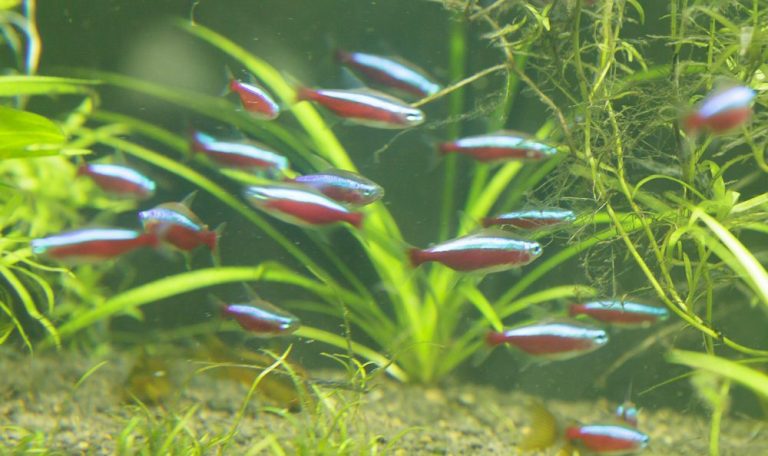
The most common mistake I see with the smallest tetra species is keeping them in groups that are too small. These are social fish that rely on the “safety in numbers” principle.
I always suggest a minimum of 8 to 10 individuals of the same species. In a larger group, they will be less skittish and show much more interesting social behaviors.
| Success Metric | What to Look For | Action if Failing |
|---|---|---|
| Color Intensity | Bright, saturated colors | Check water quality/Add tannins |
| Shoaling Behavior | Moving together as a unit | Increase group size |
| Activity Level | Active swimming in mid-water | Check temperature and oxygen |
| Feeding Response | Rushing to food immediately | Try smaller or live foods |
Another pitfall is inappropriate tank mates. Even “peaceful” larger fish like Angelfish will see the smallest tetra species as a snack. Stick to other nano fish or dwarf shrimp as companions.
Common questions
Can the smallest tetra species live with Bettas?
In some cases, yes, but it depends on the individual Betta’s temperament. Because these tetras are so small, a Betta might view them as prey or feel threatened by their fast movements.
How often should I change the water in a nano tetra tank?
I recommend a 20-30% water change once a week. Because nano tanks have less water volume, waste can build up quickly, so consistency is vital.
Do I need a heater for these small tetras?
Yes, absolutely. Most of these species come from tropical environments where the water stays between 74°F and 82°F year-round.
Why are my tetras losing their color?
This is usually a sign of stress. Check your ammonia and nitrite levels first, and help they have enough hiding places and a proper diet.
Are these fish suitable for beginners?
While they are small, some species like the Ember Tetra are quite hardy. However, because they require stable water parameters, I recommend them for beginners who are willing to be diligent with maintenance.
Final Thoughts on Keeping Nano Tetras
Successfully keeping the smallest tetra species is one of the most satisfying experiences in the aquarium hobby. They prove that you don’t need a massive tank to have a eye-catching, biologically diverse underwater world.
If you focus on group size, water stability, and proper nutrition, you can ensure these tiny characins live a long and healthy life. Whether you choose the fiery Ember Tetra or the shimmering Green Neon, you are in for a treat.
Take it slow and let your tank mature before adding these delicate species. Your patience will be rewarded with a bright, shoaling display that will captivate anyone who sees it.

- 2003First tank
- 20+Years keeping
- 40+Tanks kept
- 0Sponsored picks
Howard set up his first 10-gallon planted tank in 2003 and lost half of it within six weeks. Two decades and more than forty aquariums later, he writes the guides he wished he had then: clear numbers, the reasons behind them, and what actually goes wrong in home tanks.