Tetra Tropical Flakes Fish Food – What and How Often to Feed
Tetra tropical flakes fish food is a nutritionally balanced staple diet featuring the BioActive formula to support immunity. It improves colors with carotenoids while remaining highly digestible to keep aquarium water clean and clear.
Finding the right balance for your aquatic pets can feel like a daunting task, especially with the hundreds of options lining the pet store shelves.
In my fifteen years of maintaining community tanks, I have found that consistency and quality are the two pillars of a stable aquarium.
One staple that has remained a constant in my fish room is tetra tropical flakes fish food, a product designed to meet the diverse needs of various species.
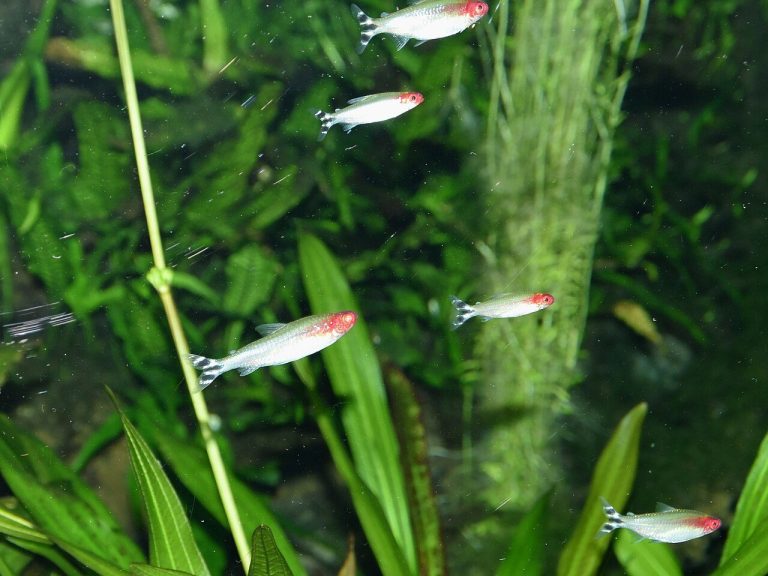
Whether you are keeping a shimmering school of Paracheirodon innesi (Neon Tetras) or a lively group of Poecilia reticulata (Guppies), understanding what goes into their food is essential.
In this guide, we will look closely at the nutritional science, practical application, and water quality benefits of using this iconic flake food.
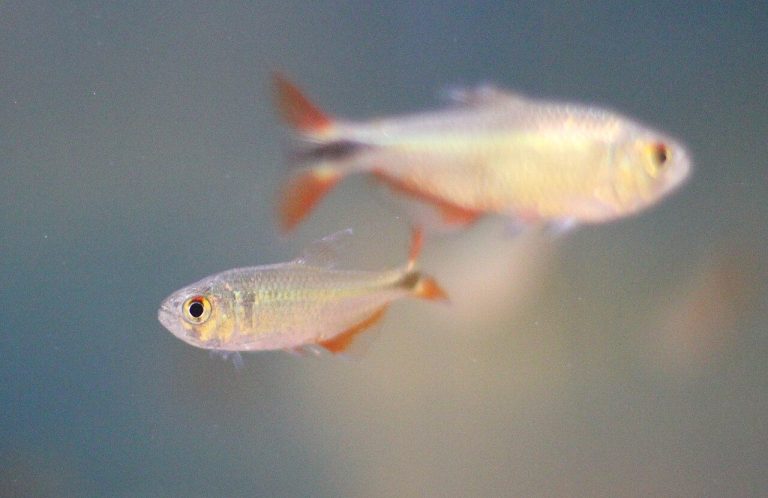
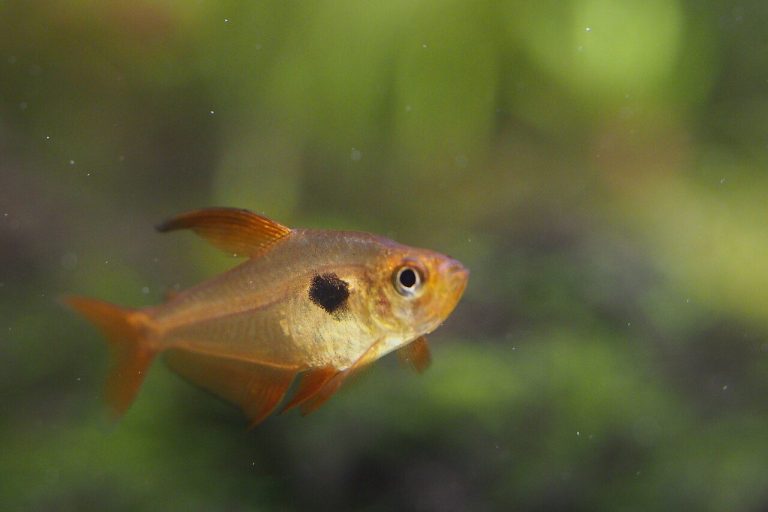
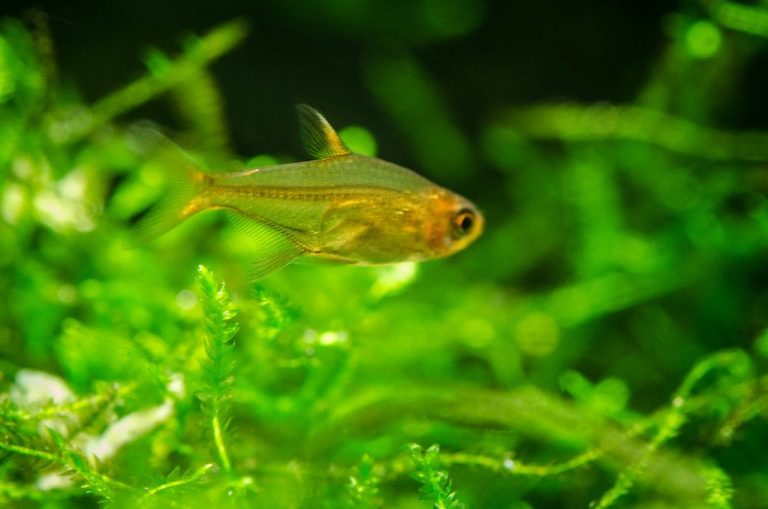
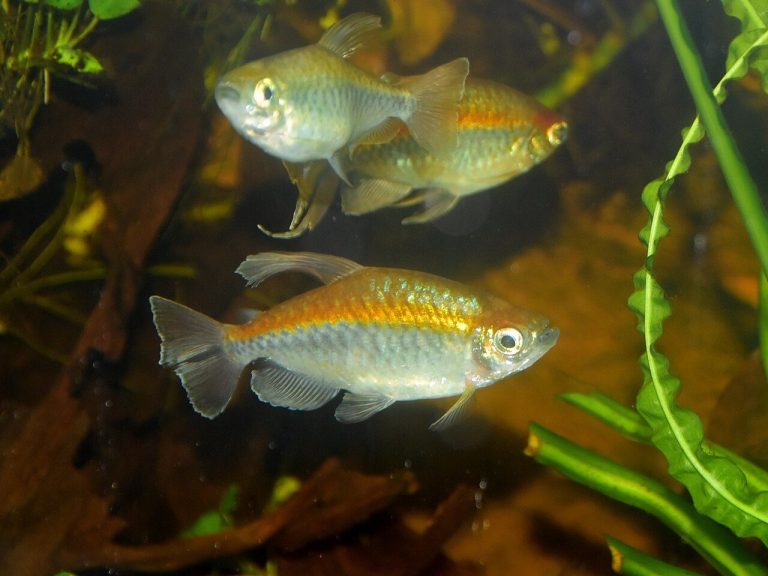
At a glance: Tetras (general) (Family Characidae and relatives)
- Temperature
- 72–80°F (22–27°C) for most species
- Water pH
- 6.0–7.5 for most species
- Adult size
- 1–3 in (2.5–8 cm)
- Minimum tank
- 10–30 gal depending on species
- Group size
- Groups of 6–10+
- Temperament
- Mostly peaceful schooling fish
- Diet
- Omnivores: quality flakes or micro pellets plus frozen foods
- Lifespan
- 3–8 years
Keeper’s tip: Schooling size matters more than tank size for most tetras: small groups hide, nip and stress.
The Nutritional Science Behind Tetra Tropical Flakes Fish Food
When we talk about tetra tropical flakes fish food, we aren’t just talking about “fish flakes”; we are talking about a precision-engineered diet.
The formulation is designed to mimic the variety of nutrients fish would find in their natural environments, from insects to plant matter.
One of the standout features of this food is the BioActive formula, which is a patented blend of ingredients that support a healthy immune system.
Understanding the BioActive Formula
The BioActive formula isn’t just a marketing buzzword; it includes a specific mix of vitamins and nutrients that help fish resist disease.
Key components like Biotin play a massive role in helping your fish convert food into energy efficiently.
I have noticed that when fish are fed a diet rich in these essential vitamins, they tend to be more active and show better growth rates over time.
The Role of Omega-3 Fatty Acids
Energy is a requirement for any living creature, and for fish, Omega-3 fatty acids are the primary fuel source.
These healthy fats support heart health and provide the stamina needed for schooling fish to zip around the tank all day.
Furthermore, these fatty acids are important for the development of healthy scales and fins, preventing the “ragged” look often seen in malnourished fish.
Pro Tip: If you notice your fish are sluggish or their colors seem dull, check the “Best By” date on your food. Vitamins like Biotin can degrade over time once the seal is broken, so I always recommend replacing your flakes every 3 to 6 months for maximum potency.
Boosting Natural Colors with Carotenoids
One of the most satisfying aspects of fish keeping is seeing the brilliant reds, blues, and yellows of your tropical fish.
Tetra tropical flakes fish food is specifically formulated with Carotenoids and Astaxanthin to boost these pigments naturally.
These are natural color enhancers that fish would typically get by eating small crustaceans or algae in the wild.
Bringing Out the Best in Neon Tetras
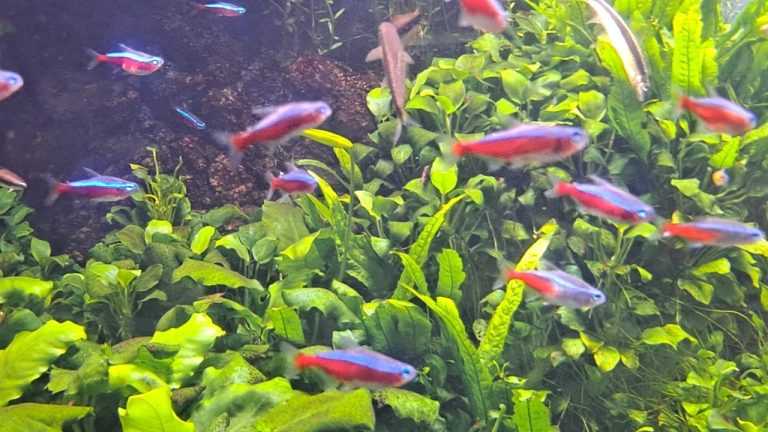
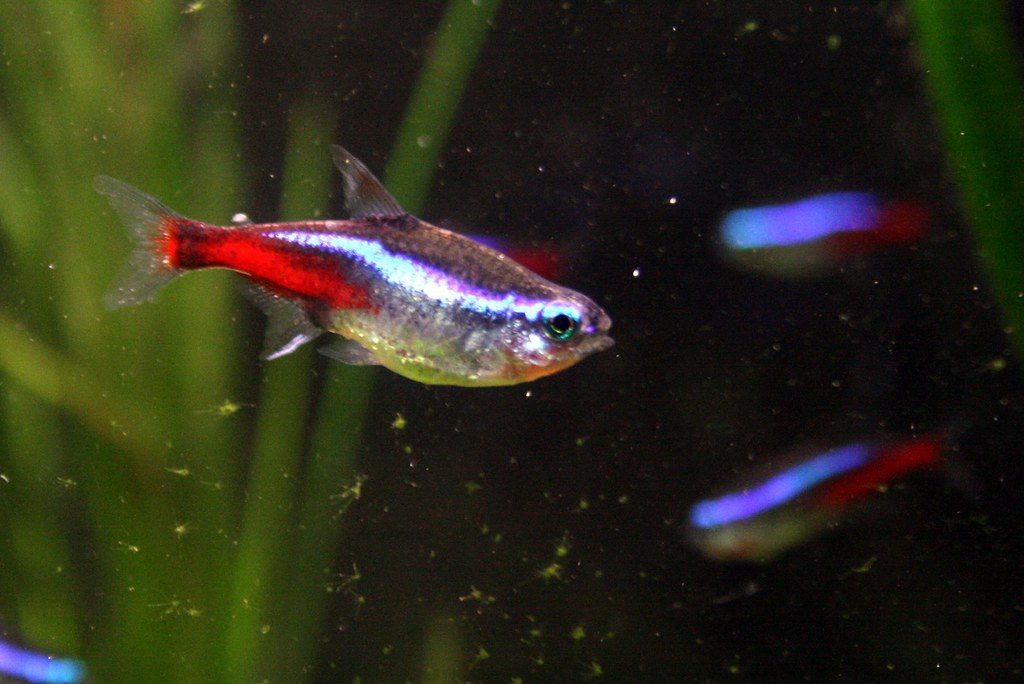
For species like the Neon Tetra, maintaining that electric blue and deep red stripe is a sign of health.
I have found that using a high-quality flake as a daily staple helps make sure these colors stay “neon” rather than fading into a pale gray.
If you want to learn more about the best diet for neons, you will see that color-boosting nutrients are always at the top of the list.
Why Astaxanthin Matters
Astaxanthin is a powerful antioxidant that does more than just make fish look pretty.
It helps protect the fish’s cells from oxidative stress, which can be caused by fluctuating water parameters or transport stress.
By including this in their daily diet, you are essentially giving your fish an internal shield against environmental stressors.
Impact on Water Quality and the Nitrogen Cycle
As an experienced aquarist, I know that what goes into the fish eventually comes out as waste.
The digestibility of tetra tropical flakes fish food is one of its strongest selling points for those of us who hate constant water changes.
Highly digestible ingredients mean that the fish absorb more nutrients, resulting in less Nitrogenous waste being released into the water.
Managing Dissolved Organic Compounds
When fish food isn’t fully digested, it breaks down into Dissolved organic compounds (DOCs).
High levels of DOCs can lead to yellow water, unpleasant odors, and even algae outbreaks that can choke out your plants.
Because these flakes are designed to be easily processed, you’ll find that your mechanical and biological filtration doesn’t have to work nearly as hard.
Floating Properties and Surface Tension
These flakes are engineered to take advantage of Surface tension, allowing them to stay afloat longer than cheaper alternatives.
This is vital for top-dwelling and mid-dwelling fish who may not notice food once it hits the substrate.
I’ve observed that when food stays at the surface, it gives every fish in the school a fair chance to eat before the “scraps” fall to the bottom.
Pro Tip: To prevent your filter from sucking up the flakes before the fish can eat, try using a feeding ring. This keeps the flakes in one spot, allowing the fish to congregate and reducing the amount of uneaten food that ends up trapped in your filter sponge.
How to Feed Tetra Tropical Flakes Fish Food Correctly
Feeding might seem simple, but there is a technique to making sure your fish get the most out of their tetra tropical flakes fish food.
One of the most common mistakes beginners make is overfeeding, which leads to ammonia spikes and cloudy water.
The “two-minute rule” is a classic for a reason: only feed what your fish can completely consume in two minutes or less.
Portions for Different Tank Sizes
The amount of food you provide should scale with your fish population, not necessarily your tank size.
A 20-gallon tank with five fish needs much less food than a 20-gallon tank with twenty fish.
Always start with a small pinch and watch how quickly they finish it before adding a second helping.
Adjusting for Small Mouths
For very small fish or fry, the standard flake size might be too large for them to swallow comfortably.
In my experience, simply crushing the flakes between your thumb and forefinger into a fine powder works wonders.
This helps make sure that even the smallest members of the community can get their share of the BioActive formula.
| Feeding Frequency | Fish Type | Best Practice |
|---|---|---|
| 2-3 Times Daily | Active Schooling Fish | Small pinches to maintain energy levels. |
| Once Daily | Slow-moving/Older Fish | Prevents obesity and digestive issues. |
| 4-5 Times Daily | Growing Fry | Crush flakes into a fine dust for easy intake. |
Comparing Flakes to Other Food Types
While tetra tropical flakes fish food is an excellent staple, it is helpful to understand where it sits in the hierarchy of fish nutrition.
Many hobbyists wonder if they should be using pellets, freeze-dried, or frozen foods instead.
Each has its place, but flakes remain the most versatile option for a mixed community tank.
Flakes vs. Pellets
Pellets are great for larger fish, but they sink quickly and can be too hard for smaller species to bite.
Flakes offer a larger surface area relative to their weight, making them easier to digest for fish with smaller digestive tracts.
I usually recommend flakes for any tank containing Neons, Guppies, or Mollies because of this ease of access.
The Role of Supplemental Feeding
Even the best flake food can be supplemented with occasional treats to provide variety.
Frozen bloodworms or brine shrimp are great, but they should only make up about 10-20% of the total diet.
If you keep the flakes as the 80% staple, you make sure they are getting the balanced vitamins that “treat” foods often lack.
If you are maintaining a school of tetras, making sure they are at the ideal water conditions will also improve their appetite for these supplements.
Common Problems and Troubleshooting
Sometimes, even with the best tetra tropical flakes fish food, you might run into issues with your fish’s eating habits.
If your fish are suddenly ignoring their food, it is rarely the food’s fault and usually a sign of an underlying issue.
Always check your ammonia, nitrite, and nitrate levels first, as poor water quality is the number one cause of appetite loss.
The “Sinking Flake” Issue
If your flakes are sinking too fast, it usually means the surface tension of your water is being broken too aggressively.
This can happen if your filter outlet is pointing directly at the feeding area or if you have too much surface agitation from an air stone.
Try turning off the air stone for five minutes during feeding to allow the flakes to stay at the top where the fish can reach them.
Dealing with “Finicky” Eaters
Some fish, especially those newly transitioned from a pet store, might be used to a different brand or type of food.
In these cases, I find that soaking the flakes in a little bit of garlic juice can stimulate their sense of smell and encourage them to bite.
Once they taste the tetra tropical flakes fish food, they usually realize it’s a high-quality meal and begin eating regularly.
Why Experience Matters When Choosing Fish Food
I’ve seen many “bargain” brands come and go over the last decade, often leaving hobbyists with cloudy water and sick fish.
The reason I stick with tetra tropical flakes fish food is the consistency of the manufacturing process.
You know exactly what you are getting in every jar: a balance of protein, fats, and immune-boosting vitamins.
For those who are just starting out, follow proper feeding habits to avoid the common pitfalls of over-pollution.
Quick answers
Can I feed these flakes to my bottom feeders?
While some flakes will eventually sink, bottom feeders like Corydoras or Loaches prefer sinking wafers. You can crush some flakes so they sink faster, but a dedicated sinking pellet is usually better for their specialized mouths.
Will these flakes cloud my water?
No, as long as you do not overfeed. These flakes are designed to be “clean and clear,” meaning they don’t disintegrate into fine dust that clouds the water column.
How long does a container of Tetra flakes last?
Nutritionally, it is best to use the container within 6 months of opening. While it won’t necessarily “spoil” like human food, the vitamins (especially Vitamin C) lose their effectiveness over time.
Are these flakes suitable for saltwater fish?
These are specifically formulated for freshwater tropical fish. Saltwater fish have different nutritional requirements, particularly regarding certain fatty acids and minerals found in marine environments.
Can I feed this to my Betta?
Yes, Bettas can eat these flakes, though many Bettas prefer a higher protein pellet. If your Betta enjoys the flakes, the BioActive formula will certainly benefit their health and color.
A closing note
Choosing tetra tropical flakes fish food is a decision that prioritizes both the health of your fish and the clarity of your aquarium water.
With its specialized BioActive formula, inclusion of Omega-3 fatty acids, and natural color enhancers like Astaxanthin, it provides a comprehensive diet for any community tank.
Successful fish keeping is a marathon, not a sprint, and providing a high-quality staple diet is one of the easiest ways to help long-term success.
Keep your portions small, watch your fish’s behavior, and enjoy the colorful colors that come from a well-fed, healthy aquatic environment.

- 2003First tank
- 20+Years keeping
- 40+Tanks kept
- 0Sponsored picks
Howard set up his first 10-gallon planted tank in 2003 and lost half of it within six weeks. Two decades and more than forty aquariums later, he writes the guides he wished he had then: clear numbers, the reasons behind them, and what actually goes wrong in home tanks.