Emperor Tetra Size And Lifespan – Quick Facts and Tips
Emperor tetras typically reach a maximum size of 2 inches (5 cm) and have an average lifespan of 6 years. With exceptional care and a pristine environment, some individuals can live up to 8 years in home aquaria.
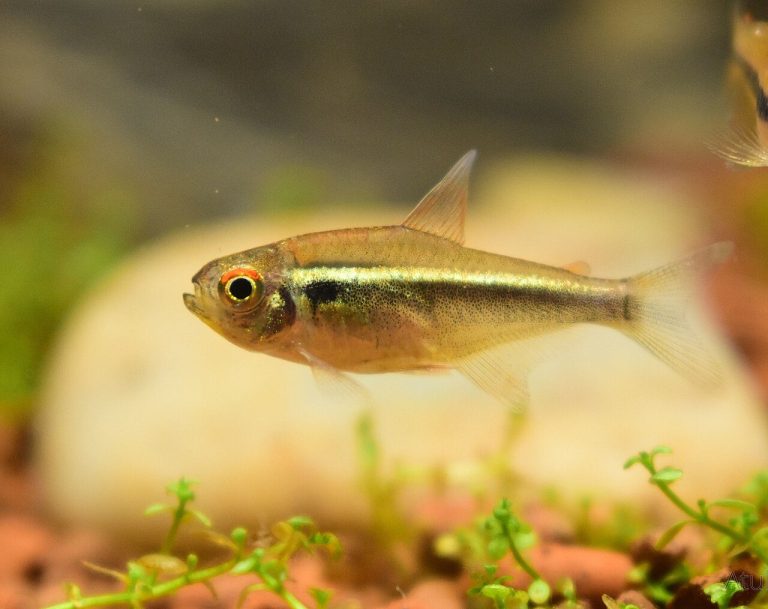
The Emperor Tetra, scientifically known as Nematobrycon palmeri, is one of the most sophisticated-looking fish in the hobby. Unlike the flashy, neon colors of many other species, these fish offer a regal, iridescent sheen that changes from purple to blue depending on the light.
In my experience, few fish can transform a planted tank as effectively as a shimmering school of these beauties. They belong to the Characidae family and bring a level of elegance that is hard to match.
Understanding the emperor tetra size and lifespan is the first step toward ensuring these fish do well in your care. Many beginners underestimate how much their environment impacts their total growth and long-term health.
In this guide, we will look closely at everything from their natural habitat in the Atrato River basin to the specific water chemistry required for them to reach their full potential. Let’s explore how you can maximize the life and beauty of these majestic tetras.
At a glance: Emperor tetra (Nematobrycon palmeri)
- Temperature
- 73–81°F (23–27°C)
- Water pH
- 5.0–7.8
- Adult size
- 2 in (5 cm)
- Minimum tank
- 20 gal
- Group size
- Groups of 6+
- Temperament
- Peaceful, males spar
- Diet
- Omnivore: flakes, pellets, frozen foods
- Lifespan
- 5–6 years
Keeper’s tip: Keep more females than males so one dominant male does not stress the rest.
Understanding Emperor Tetra Size and Lifespan in the Home Aquarium
When we talk about emperor tetra size and lifespan, we are looking at two major indicators of a fish’s overall health and well-being. A fish that doesn’t reach its full size or dies prematurely is often a sign of underlying environmental stress.
In a typical home aquarium, you can expect your Emperor Tetras to grow to about 2 inches in length. While this might seem small, their deep bodies and long fins make them appear much larger than a sleek Neon Tetra.
The lifespan of an Emperor Tetra is quite impressive for a small characin. While many tetras only live for 2 or 3 years, the Nematobrycon palmeri frequently lives for 6 years or more.
Pro Tip: To help your tetras reach their maximum lifespan, focus on water stability rather than chasing “perfect” numbers. Frequent, small water changes are far better than one massive change that shocks their system.
| Attribute | Average Expectation | Maximum Potential |
|---|---|---|
| Adult Body Length | 1.5 – 1.8 Inches | 2.1 Inches |
| Average Lifespan | 4 – 5 Years | 7 – 9 Years |
| Maturity Age | 6 – 8 Months | N/A |
Factors Influencing Growth Rates
Growth is heavily dictated by the quality of the diet you provide during their juvenile stages. If they are fed only low-quality flakes, they rarely reach their full 2-inch potential.
I have found that supplementing their diet with live or frozen foods like Daphnia pulex significantly boosts their growth rate. Warm water also speeds up metabolism, but it can slightly shorten the total lifespan if kept too high for too long.
The Role of Genetics in Longevity
Not all Emperor Tetras are created equal, as many are commercially bred in large-scale farms. These fish may have shorter lifespans due to mass-breeding practices that prioritize quantity over genetic diversity.
If possible, seek out local breeders or high-quality specialty shops. Fish with strong genetics are much more resilient against common pathogens like Ichthyophthirius multifiliis.
Sexual Dimorphism and Its Impact on Physical Appearance
One of the most interesting aspects of Nematobrycon palmeri is the clear sexual dimorphism displayed by adults. Unlike many other tetras where males and females look nearly identical, Emperors are easy to tell apart once they mature.
Males are generally larger and more colorful than females. They possess an extended trident-shaped caudal fin, where the middle rays grow longer than the rest, creating a three-pointed look.
Females, on the other hand, are smaller and have a more rounded belly. Their colors are more muted, and they lack the dramatic fin extensions seen in the males.
| Feature | Male Characteristics | Female Characteristics |
|---|---|---|
| Caudal Fin | Trident-shaped with long middle ray | Simple fork or slightly rounded |
| Eye Color | Often bright blue | Often green or yellowish |
| Body Shape | Slender and elongated | Deep-bodied and plump |
Identifying the Trident Tail
The trident-shaped caudal fin is the hallmark of a healthy male Emperor Tetra. In a well-fed male, the central black stripe extends through the tail and forms a long, pointed spike.
When I first started keeping emperor tetras, I noticed that subordinate males might not develop this tail as prominently. Making sure you have a large enough tank allows multiple males to establish territories and show off their best features.
Eye Color Differences
Another subtle but reliable way to sex these fish is by looking at their eyes. Most males will exhibit a striking blue iris, while females tend to have a green or amber-colored iris.
This distinction is very helpful when you are trying to pick a specific ratio at the pet store. Aiming for more females than males can help reduce aggression during spawning behavior.
Creating the Perfect Environment for Maximum Lifespan
To achieve the best emperor tetra size and lifespan, you must mimic their natural Colombian habitat. These fish originate from the Atrato River basin and the San Juan River, where the water is soft, acidic, and stained with tannins.
The presence of humic acid and tannic acid in their water is not just for aesthetics. These compounds provide mild antibacterial properties and help the fish feel secure, which reduces stress and bolsters the immune system.
Using driftwood, dried Indian Almond leaves, or peat moss can help achieve this “blackwater” effect. When the fish feel safe, they display much more vivid colors and live significantly longer.
Water Chemistry and Specific Conductance
While they are relatively hardy, they do best when the specific conductance of the water remains low. This essentially means the water should not be overly “thick” with dissolved minerals or salts.
In my experience, keeping the pH between 6.0 and 7.0 is the sweet spot for these fish. If the water is too alkaline, their colors will fade, and they may become susceptible to skin infections.
The Importance of Vegetation
Emperor Tetras love a heavily planted aquarium. Plants like Java Fern, Anubias, and various Cryptocoryne species provide the shade and hiding spots they crave.
Floating plants are particularly effective at diffusing light. These fish are naturally found in forest-covered streams where direct sunlight is rare, so bright aquarium lights can make them shy.
Pro Tip: Use a dark substrate, such as black sand or dark fluorite. The dark background makes the iridescent purple and blue hues of the Emperor Tetra “pop” much more than a light-colored gravel would.
Dietary Requirements for Health and Vibrancy
A significant factor in the emperor tetra size and lifespan is the fuel you put into their bodies. As omnivores, they need a varied diet that includes both plant-based matter and high-quality proteins.
In the wild, they hunt for small insects, larvae, and crustaceans. Replicating this in the aquarium is easier than ever with the availability of frozen and freeze-dried foods.
I highly recommend providing high-quality nutrition through a rotation of different foods. This prevents nutritional deficiencies that can lead to stunted growth or a weakened immune system.
Top Recommended Foods
- Live/Frozen Foods: Daphnia pulex, brine shrimp, and bloodworms.
- Dry Foods: High-quality micro-pellets or crushed flakes with color-boosting ingredients.
- Fresh Options: Occasional blanched zucchini or spinach can provide necessary fiber.
Feeding Frequency
It is better to feed small amounts twice a day rather than one large meal. This makes sure that even the less aggressive fish in the school get a chance to eat.
Overfeeding is a common cause of poor water quality, which directly impacts lifespan. Always monitor the tank to make sure all food is consumed within two to three minutes.
Common Health Issues and Prevention
Even with the best care, fish can occasionally fall ill. The most common ailment for this species is Ichthyophthirius multifiliis, more commonly known as Ich or White Spot Disease.
Because Emperor Tetras have relatively large scales compared to some other tetras, they are slightly more resilient, but they are not immune. Stress from transport or sudden temperature drops is usually the trigger.
Maintaining a stable temperature and using a quarantine tank for new arrivals are the best ways to prevent outbreaks. If you do notice white spots, treat the tank immediately with a copper-based medication or by slowly raising the temperature.
Managing Stress in a Community Tank
Stress is a silent killer in the aquarium hobby. When Emperor Tetras are kept with aggressive tank mates, they spend most of their time hiding, which suppresses their appetite.
Choosing suitable tank mates is essential for a peaceful environment. They do well with other peaceful tetras, rasboras, and dwarf cichlids.
The Impact of Nitrates on Longevity
High nitrate levels (above 40 ppm) can lead to chronic stress and a shortened lifespan. Over time, high nitrates interfere with the fish’s ability to transport oxygen in its blood.
Regular water changes and the use of fast-growing live plants can help keep these levels in check. I’ve noticed that tanks with heavy “pothos” growth coming out of the top often have the healthiest, longest-lived tetras.
Breeding Emperor Tetras to Extend Your Experience
If you want to master the care of these fish, try breeding them. Seeing the entire life cycle from egg to adult is incredibly satisfying and gives you a deeper appreciation for their biology.
They are egg-scatterers and do not provide parental care. In fact, they will eat their own eggs if given the chance, so a separate breeding tank is usually necessary.
The Spawning Setup
Set up a small 10-gallon tank with very soft water (pH 6.0) and a temperature of 80°F. Use fine-leaved plants like Java Moss or a spawning mop to catch the eggs.
Condition the parents with live foods like bloodworms for a week before moving them to the breeding tank. Once the eggs are laid, remove the adults immediately.
Raising the Fry
The fry are tiny and require specialized food like infusoria or vinegar eels for the first few days. As they grow, you can transition them to baby brine shrimp.
Watching the fry develop their first hint of color and that iconic trident-shaped caudal fin is a highlight for any aquarist. It takes about 6 months for them to reach a size where they can join a community tank.
Quick answers
How many Emperor Tetras should be kept together?
You should keep a minimum of 6 individuals, but 10 or more is much better. They are schooling fish and feel much more secure in larger groups, which reduces aggression between males.
Can Emperor Tetras live in a 10-gallon tank?
While a single pair could technically survive, it is not recommended. Because they are active swimmers and need to be in a school, a 20-gallon long or 29-gallon tank is the ideal minimum size.
Are Emperor Tetras aggressive?
They are generally peaceful but can be semi-aggressive toward each other. Males will engage in “sparring” matches where they flare their fins and circle each other to establish dominance.
Why is my Emperor Tetra losing its color?
Loss of color is usually a sign of stress, poor water quality, or illness. Check your ammonia and nitrite levels immediately and help the fish aren’t being bullied by tank mates.
How long does it take for them to reach full size?
Under ideal conditions with a high-protein diet, they will reach their full 2-inch size in about 8 to 12 months. Their fins will continue to develop and lengthen for several months after that.
A closing note
Mastering the emperor tetra size and lifespan requires a blend of patience, observation, and consistent maintenance. These fish are not just “set and forget” decorations; they are living jewels that respond beautifully to high-quality care.
If you focus on soft, acidic water, a varied diet of live and frozen foods, and a stress-free environment, you can enjoy these fish for up to 8 years. Their unique trident-shaped caudal fin and shimmering purple hues make every bit of effort worthwhile.
Treat them with the “regal” respect they deserve, and they will reward you with years of shimmering beauty in your aquarium.

- 2003First tank
- 20+Years keeping
- 40+Tanks kept
- 0Sponsored picks
Howard set up his first 10-gallon planted tank in 2003 and lost half of it within six weeks. Two decades and more than forty aquariums later, he writes the guides he wished he had then: clear numbers, the reasons behind them, and what actually goes wrong in home tanks.