Can Neon Tetras Live With Guppies – Can They Live Together?
Yes, neon tetras can live with guppies quite successfully. Both species are peaceful, small, and share similar temperature requirements, though you must carefully balance water hardness to ensure both flourish in the same environment.
Creating a bright, bustling community aquarium is one of the most satisfying aspects of the fish-keeping hobby. Many beginners and intermediate keepers find themselves asking can neon tetras live with guppies because these two species are among the most colorful and iconic fish available.
In my experience over the last decade, I have found that while they are technically compatible, success lies in the details of their care. You aren’t just putting two types of fish together; you are merging two different biological backgrounds into one glass box.
Once you understand the specific needs of Paracheirodon innesi (Neon Tetras) and Poecilia reticulata (Guppies), you can create an aquatic showpiece. This guide will walk you through everything from water chemistry to behavioral nuances to make sure your tank remains a stress-free zone.
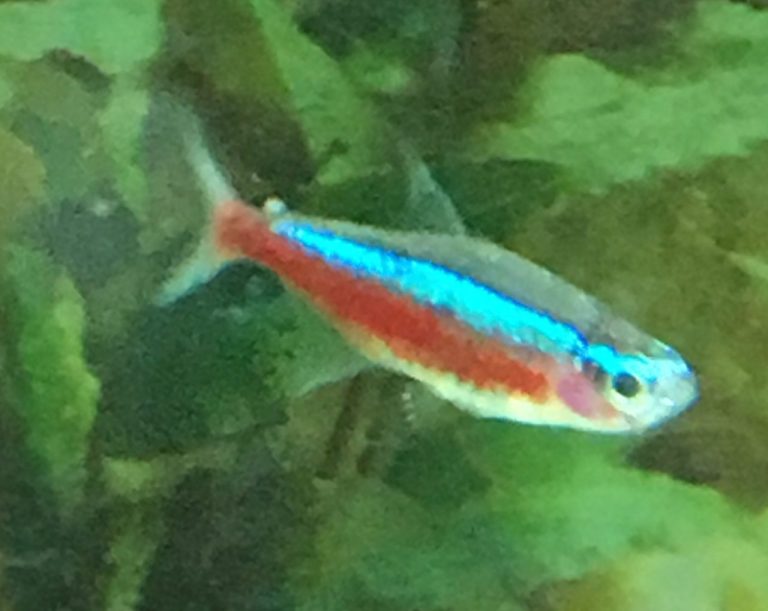
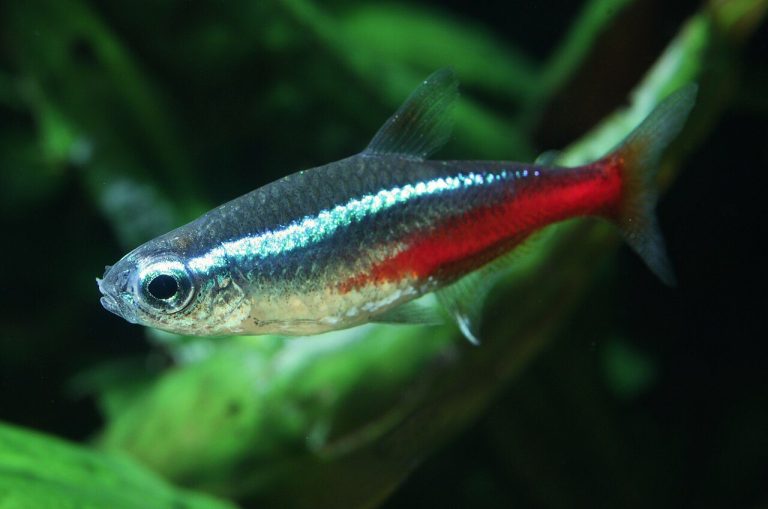
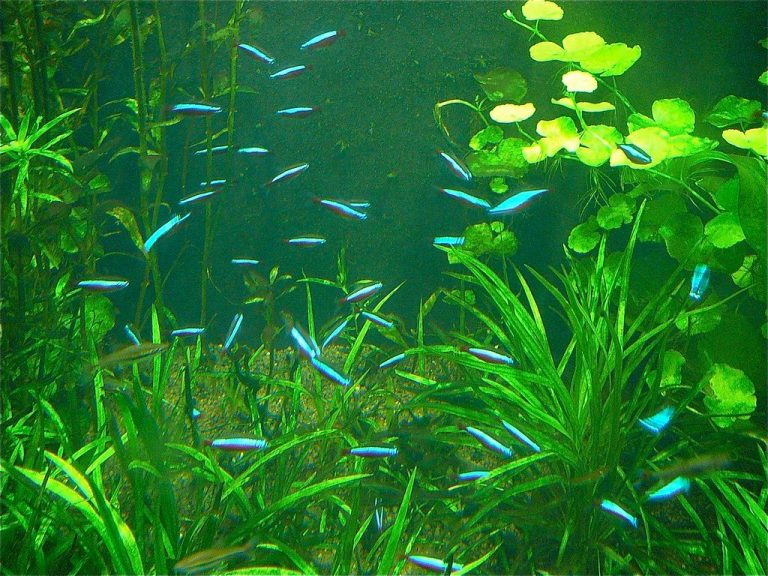
At a glance: Neon tetra (Paracheirodon innesi)
- Temperature
- 72–78°F (22–26°C)
- Water pH
- 6.0–7.0
- Adult size
- 1.5 in (4 cm)
- Minimum tank
- 10 gal (20 gal for a proper school)
- Group size
- Groups of 8+
- Temperament
- Peaceful
- Diet
- Omnivore: micro pellets, flakes, frozen daphnia
- Lifespan
- 5–8 years
Keeper’s tip: Add neons only to a fully cycled, stable tank; they are among the first fish to suffer from ammonia swings.
Understanding the Compatibility of Neon Tetras and Guppies
When we look at the temperament of these two species, they are a match made in heaven. Both are generally peaceful and do not possess the aggressive “fin-nipping” tendencies seen in some larger tetra species.
Neon tetras are schooling fish that find safety in numbers, often sticking to the middle and lower sections of the water column. Guppies, on the other hand, are active explorers that tend to zip around the top and middle layers of the tank.
This natural vertical separation is a huge advantage. It means the fish rarely compete for physical space, which reduces stress and potential territorial disputes.
Pro Tip: Always keep neon tetras in a group of at least 6 to 10 individuals. In my early years, I tried keeping just three, and they became incredibly shy and prone to illness due to the lack of “schooling security.”
Overcoming the Water Parameter Challenge
The biggest hurdle when asking can neon tetras live with guppies is their preference for water chemistry. Historically, neon tetras come from the soft, acidic blackwaters of the Amazon, while guppies originate from harder, more alkaline waters.
Neon tetras prefer a low General Hardness (GH) and Carbonate Hardness (KH). Guppies require a higher mineral content to support their metabolic functions and overall vitality.
To keep them together, you must aim for a “middle ground” in your water parameters. This helps make sure that neither species is pushed to its physiological limit, allowing for healthy osmoregulation.
| Parameter | Neon Tetra Preference | Guppy Preference | Ideal “Middle Ground” |
|---|---|---|---|
| pH Level | 5.0 – 7.0 | 7.0 – 8.5 | 6.8 – 7.2 |
| Temperature | 72°F – 78°F | 74°F – 82°F | 75°F – 77°F |
| Water Hardness | Soft (2-10 dGH) | Hard (10-25 dGH) | Moderate (8-12 dGH) |
The Role of Total Dissolved Solids (TDS)
Managing the Total Dissolved Solids (TDS) in your tank is key when mixing these species. High TDS levels can be stressful for neon tetras, while extremely low levels can lead to mineral deficiencies in guppies.
I have found that maintaining a stable environment is far more important than chasing “perfect” numbers. Use a reliable liquid testing kit to monitor your GH and KH weekly during the first few months of setup.
If your tap water is exceptionally hard, you might consider using peat filtration to naturally buffer the pH slightly downward. This creates a softer feel that the neons will appreciate without harming the guppies.
Can Neon Tetras Live With Guppies in a 10-Gallon Tank?
While a 10-gallon tank is often marketed as a starter size, I strongly recommend a 20-gallon long for this specific combination. Neon tetras need horizontal swimming space to display their natural schooling behavior.
Guppies are also high-energy swimmers and can be quite prolific breeders. A 10-gallon tank can quickly become overpopulated and biologically stressed, leading to crashes in the nitrogen cycle.
In a larger tank, the waste produced by guppies is more easily diluted. This is essential for neon tetras, as they are particularly sensitive to spikes in ammonia and nitrites.
Designing the Layout
A well-planned neon tetra aquarium setup should include plenty of live plants. Species like Java Fern, Anubias, and Amazon Swords provide cover for the tetras and resting spots for the guppies.
Floating plants, such as Water Lettuce or Frogbit, are also highly beneficial. They help suck up excess nitrates and provide a sense of security for the guppies near the surface.
I’ve noticed that when there are plenty of hiding spots, the neon tetras are actually more likely to swim out in the open. They feel safe knowing that a retreat is only an inch away.
Feeding and Nutrition for a Mixed Community
One of the joys of making sure these fish is watching the “feeding frenzy” that occurs when the lid opens. However, you must make sure that both species are getting the nutrients they need.
Guppies are opportunistic eaters and will often gobble up food at the surface before it has a chance to sink. This can leave the mid-dwelling neon tetras hungry if you aren’t careful.
I recommend using a mix of high-quality flakes and slow-sinking micro-pellets. This helps make sure that food is distributed throughout the different layers of the aquarium.
Pro Tip: Supplement their diet with frozen or live foods like daphnia or brine shrimp twice a week. This not only improves the colors of your neon tetras but also provides the protein guppies need for healthy growth.
Managing the Guppy Appetite
Because guppies are so active, they have a higher metabolic rate than neons. Feed small amounts twice a day rather than one large meal to prevent excess food from rotting and fouling the water.
Keep an eye on the bellies of your neon tetras. If they look thin while the guppies look plump, try “target feeding” the tetras by using a pipette to puff food directly into their school.
Health Considerations and Disease Prevention
When mixing species, you must be vigilant about disease. Neon tetras are susceptible to Pleistophora hyphessobryconis, commonly known as Neon Tetra Disease.
This condition is often incurable and can spread if an infected fish dies and is eaten by others. Guppies, while hardy, are frequently prone to Columnaris and external parasites like Ich.
The best defense is a strong offense. Always quarantine new arrivals for at least two weeks before adding them to your main display tank.
Maintaining Water Quality
To keep the immune systems of both fish strong, maintain a strict water change schedule. I typically perform a 25% water change every week to keep nitrates below 20 ppm.
Consistent water quality prevents the stress that often triggers dormant diseases. A healthy fish is a resilient fish, regardless of its species.
It is also wise to keep an eye on the ideal temperature of your tank. Large fluctuations can weaken both tetras and guppies, making them easy targets for pathogens.
Breeding Realities in a Mixed Tank
If you have both male and female guppies, you will eventually have fry. The question then becomes: will the neon tetras eat the guppy babies?
The short answer is yes. Neon tetras are small, but they are still predators of anything that fits in their mouths. Most guppy fry will be seen as a high-protein snack.
If you wish to save the fry, you must provide dense thickets of fine-leaved plants like Hornwort or Java Moss. This allows the babies to hide until they are large enough to avoid being eaten.
Can They Interbreed?
A common question among beginners is whether neon tetras and guppies can crossbreed. The answer is a definitive no.
They belong to entirely different families of fish. Neon tetras are Characins (egg-layers), while guppies are Poeciliids (livebearers). Their reproductive biology is completely incompatible.
Questions I get asked a lot
Can neon tetras live with guppies in a 5-gallon tank?
I strongly advise against this. A 5-gallon tank is too small for a school of neon tetras and doesn’t provide enough swimming room or biological stability for guppies.
Will guppies bully neon tetras?
Generally, no. Guppies are too busy interacting with each other or searching for food to bother neon tetras. However, very large male guppies might occasionally chase a tetra if the tank is too crowded.
What is the best temperature for a guppy and neon tetra tank?
A stable temperature of 76°F (24.5°C) is the “sweet spot” that caters to the tropical needs of both species without being too hot for the neons or too cool for the guppies.
Do I need an air stone for this tank?
While not strictly necessary if you have a good filter, an air stone helps with gas exchange. Both species appreciate well-oxygenated water, especially during the warmer summer months.
Can I add shrimp to a guppy and neon tetra tank?
Yes, but be careful. Adult Cherry Shrimp are usually fine, but both guppies and neons will happily eat baby shrimp. Provide plenty of moss for the shrimp to hide in.
Final thoughts
So, can neon tetras live with guppies? Absolutely. By finding a middle ground in water hardness and maintaining a stable, clean environment, you can enjoy the best of both worlds.
The shimmering blue and red of the neon tetras perfectly complement the diverse patterns and flowing fins of the guppies. It creates a dynamic and visually eye-catching aquarium that is a joy to maintain.
Prioritize a larger tank size, provide plenty of live plants, and never skip your weekly water changes. With these steps, your community tank will flourish for years to come.

- 2003First tank
- 20+Years keeping
- 40+Tanks kept
- 0Sponsored picks
Howard set up his first 10-gallon planted tank in 2003 and lost half of it within six weeks. Two decades and more than forty aquariums later, he writes the guides he wished he had then: clear numbers, the reasons behind them, and what actually goes wrong in home tanks.