Largest Tetra Species – Top Picks for Your Tank
The absolute largest tetra species is the Goliath Tigerfish (Hydrocynus goliath), which can reach lengths of nearly 5 feet. In the home aquarium, the Silver Prochilodus and various Brycon species represent the largest available characins.
When most people think of tetras, they picture tiny, shimmering fish like the Neon or Cardinal tetra. These diminutive beauties are the backbone of many peaceful community tanks and planted scapes.
However, Characiformes is vast and incredibly diverse. Beyond the 2-inch fish we see in local shops lies a group of “monster” fish that defy the standard tetra stereotype.
In my experience, discovering the largest tetra species often shocks beginner hobbyists. We are moving away from delicate nano fish and entering the world of powerful river predators and massive migratory giants.
Whether you are a monster fish keeper or just a curious enthusiast, understanding these giants provides a better perspective on the entire Characin family. Let’s look at the interesting world of giant tetras and the unique challenges they present.
At a glance: Tetras (general) (Family Characidae and relatives)
- Temperature
- 72–80°F (22–27°C) for most species
- Water pH
- 6.0–7.5 for most species
- Adult size
- 1–3 in (2.5–8 cm)
- Minimum tank
- 10–30 gal depending on species
- Group size
- Groups of 6–10+
- Temperament
- Mostly peaceful schooling fish
- Diet
- Omnivores: quality flakes or micro pellets plus frozen foods
- Lifespan
- 3–8 years
Keeper’s tip: Schooling size matters more than tank size for most tetras: small groups hide, nip and stress.
Defining the Giant Characins
To understand what qualifies as the largest tetra species, we must first look at their biological classification. All tetras belong to the order Characiformes, a massive group containing over 2,000 species.
Within this order, most aquarium tetras fall into the family Characidae or Alestidae. These fish are characterized by a few specific physical traits that link the tiny Neon to the massive Goliath Tigerfish.
One of the most notable features is the presence of an adipose fin. This is a small, fleshy fin located between the dorsal fin and the tail, which is a hallmark of many Characins and Salmonids.
Additionally, these fish possess a Weberian apparatus. This series of small bones connects the swim bladder to the inner ear, granting them exceptional hearing and sensitivity to vibrations in the water.
Pro Tip: When identifying large Characins, look for the adipose fin. Many predatory fish in the Amazon look similar, but the presence of this tiny fin is a major clue that you are looking at a relative of the common tetra.
The Goliath Tigerfish (Hydrocynus goliath)
When discussing the absolute largest tetra species, the Hydrocynus goliath sits at the top of the food chain. Native to the Congo River Basin in Africa, this fish is the stuff of legends and nightmares.
The Goliath Tigerfish can reach lengths of up to 5 feet and weigh over 100 pounds. It belongs to the family Alestidae, making it a direct relative of the popular Congo Tetra.
Unlike its smaller cousins, the Goliath Tigerfish is a specialized apex predator. It features a mouth filled with 32 massive, interlocking teeth that are as sharp as razors.
In the wild, these giants inhabit turbulent, oxygen-rich waters where they hunt in high-velocity currents. They are known to be fearless, often attacking prey nearly their own size with incredible speed.
Keeping a Goliath Tigerfish in a home aquarium is a feat very few can achieve. They require massive custom-built enclosures, often exceeding several thousand gallons, to accommodate their size and swimming power.
The Golden Dorado (Salminus brasiliensis)
Moving to South America, we find another contender for the largest tetra species: the Golden Dorado (Salminus brasiliensis). Despite its name, it is not related to the saltwater Dorado (Mahi-Mahi).
The Golden Dorado is a member of the Characidae family and is often referred to as the “Tiger of the River.” It is prized by anglers and monster fish keepers for its colorful gold color and sheer strength.
These fish can grow to over 3 feet in length and are incredibly muscular. They are built for endurance, often migrating hundreds of miles upstream to spawn in the turbulent headwaters of South American rivers.
In a captive setting, the Golden Dorado requires a high-protein diet consisting of fish, shrimp, and high-quality pellets. They are aggressive feeders and can easily outcompete other tank mates during mealtime.
I have found that keeping these fish requires a massive amount of surface area and high water turnover. They settle in in environments that mimic fast-flowing rivers with plenty of dissolved oxygen.
Common Mistake: Many hobbyists buy “baby” Golden Dorados or Tigerfish without realizing they can grow several inches per month. Always research the adult size before bringing home a “miniature” river monster.
The African Tigerfish (Hydrocynus vittatus)
While slightly smaller than its “Goliath” cousin, the Hydrocynus vittatus is still one of the most impressive largest tetra species. It is widely distributed across Sub-Saharan Africa.
This species typically reaches lengths of 2.5 to 3 feet in the wild. It shares the same ferocious dental structure as the Goliath, with teeth that are visible even when its mouth is closed.
The Hydrocynus vittatus is a schooling predator when young, but it becomes more solitary as it matures. They are highly visual hunters that rely on the clear water of lakes like Lake Tanganyika to find prey.
In the aquarium hobby, this is the most “common” tigerfish you will encounter. However, “common” is a relative term, as they still require specialized care and massive tanks to flourish.
Making sure they have enough swimming space is critical to prevent “nose rub.” This is a common injury where large, fast-swimming fish collide with the aquarium glass, leading to infections and deformities.
The Brycon Genus: The Amazonian Powerhouses
The genus Brycon contains several species that rank among the largest tetra species found in the Amazon. Two notable examples are Brycon dentex and Brycon amazonicus.
These fish are often called “South American Trout” because of their similar shape and jumping ability. They can reach lengths of 18 to 30 inches depending on the specific species.
Unlike the purely predatory Tigerfish, Brycon species are often omnivorous. In the wild, they play a vital role in seed dispersal by eating fruits and nuts that fall into the river during the flooded season.
They are incredibly active and require a larger tank size than most people anticipate. Their powerful tails allow them to leap out of the water with significant force.
I once witnessed a Brycon amazonicus clear a four-foot jump during a feeding frenzy. This highlights the absolute necessity of a heavy, secure lid for any aquarium housing these energetic giants.
Comparison Table of Large Characin Species
To help you visualize the scale of these fish, I have compiled a comparison of the most notable large tetras. This table highlights their maximum sizes and their primary habitats.
| Common Name | Scientific Name | Max Length (Approx.) | Native Region |
|---|---|---|---|
| Goliath Tigerfish | Hydrocynus goliath | 59 inches (150 cm) | Congo River Basin |
| Golden Dorado | Salminus brasiliensis | 39 inches (100 cm) | South America |
| African Tigerfish | Hydrocynus vittatus | 29 inches (74 cm) | Sub-Saharan Africa |
| Brycon (Trout Tetra) | Brycon dentex | 24 inches (60 cm) | Central/South America |
| Silver Prochilodus | Semaprochilodus insignis | 14 inches (35 cm) | Amazon River |
Large Tetras for the Intermediate Hobbyist
If you aren’t ready for a 500-gallon predator tank, there are still several “large” tetras that fit into more standard home aquariums. These species offer the look and behavior of tetras but on a much larger scale than a Neon.
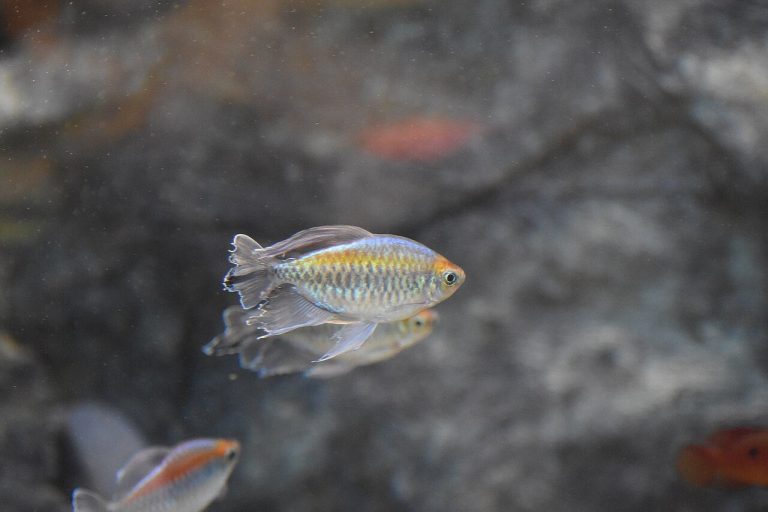
The Congo Tetra is perhaps the most famous. While it only grows to about 3.5 inches, its flowing fins and iridescent colors make it a centerpiece in many 55-gallon tanks.
For those wanting something even larger, the Silver Prochilodus is a fantastic choice. While technically a Characin, it grows to about 12-14 inches and acts as a brilliant “cleaner” by grazing on algae.
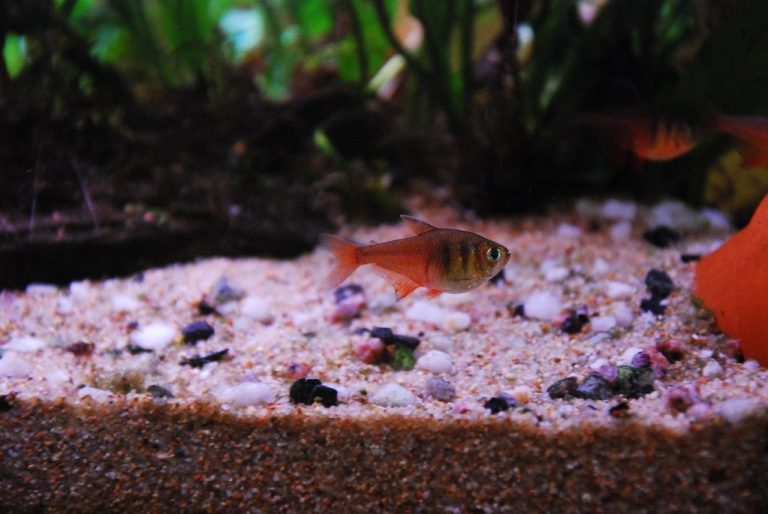
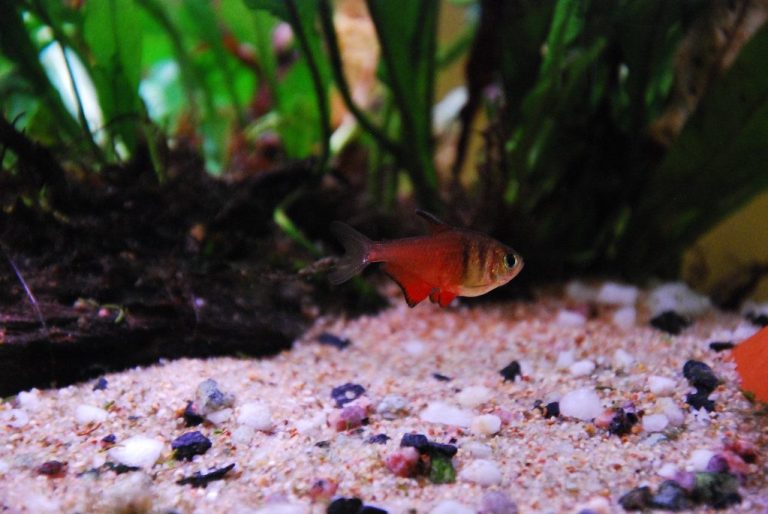
Another interesting option is the Bucktooth Tetra (Exodon paradoxus). They only reach about 3 inches, but they are incredibly aggressive and must be kept in large groups to disperse their energy.
If you are looking for a peaceful giant, the Emperor Tetra or the King Blue Tetra are excellent choices. They provide a more substantial presence than the tiny species covered in a neon tetra care guide.
Caring for Large Characins in the Home Aquarium
Caring for the largest tetra species requires a significant shift in mindset compared to keeping nano fish. The bioload of a 2-foot predatory fish is immense.
Filtration must be top-tier. I recommend using large sump systems or multiple heavy-duty canister filters to handle the waste produced by these high-metabolism fish.
Water quality is essential, as many of these species come from pristine, fast-moving rivers. Regular water changes are not optional; they are a weekly necessity to keep nitrate levels in check.
Dietary needs are also more complex. While smaller tetras stay healthy on flakes, giant tetras need a variety of whole foods like tilapia fillets, whole shrimp, and fortified carnivore pellets.
Lastly, tank décor should be minimal and secure. Large fish can easily dislodge driftwood or break heaters if they become startled and dash across the tank.
The Role of the Weberian Apparatus in Giants
One of the unusual aspects of all Characins, including the largest tetra species, is how they perceive their environment. The Weberian apparatus is a key anatomical feature here.
This bone structure allows giant tetras like the Golden Dorado to detect the vibrations of struggling prey from great distances. It makes them incredibly efficient hunters in murky or turbulent waters.
In the aquarium, this means these fish are very sensitive to external noises. Loud music, slamming doors, or even heavy footsteps near the tank can stress them out significantly.
I always advise keepers of large Characins to place their tanks in low-traffic areas. This helps the fish feel secure and reduces the risk of “spooking” which leads to glass collisions.
Understanding their biology helps us create a better environment. If you respect their heightened senses, we can make sure these majestic giants live long, healthy lives in captivity.
A few common questions
What is the biggest tetra you can keep in a 55-gallon tank?
For a 55-gallon tank, the Congo Tetra or the Bleeding Heart Tetra are excellent choices. These species are larger and more solid than Neons but won’t outgrow the space.
Are Piranhas considered tetras?
Yes, Piranhas belong to the order Characiformes and the family Serrasalmidae. They are closely related to tetras and share the same adipose fin and Weberian apparatus.
Can the largest tetra species live with other fish?
Most giant tetras are either highly predatory or very boisterous. While some can live in large community tanks with other “monster” fish, they will eat anything that fits in their mouths.
Why do my large tetras keep jumping?
Many large Characins are naturally migratory and use jumping to bypass obstacles in the wild. In an aquarium, this is often triggered by stress, lack of space, or a startle response.
How long do giant tetras live?
While small tetras may live 3-5 years, the larger species can live significantly longer. Many of the Brycon and Hydrocynus species can live 10-15 years or more with proper care.
In short
Exploring the largest tetra species reveals a side of the aquarium hobby that is both challenging and awe-inspiring. From the razor-toothed Goliath Tigerfish to the shimmering Golden Dorado, these fish represent the pinnacle of Characin evolution.
While most of these giants are beyond the reach of the average home aquarist, they serve as a reminder of the incredible diversity within the fish world. Even the tiny Neon in your living room shares a lineage with these massive river monsters.
If you choose to keep one of the larger species, keep in mind that they require a massive commitment in terms of space, filtration, and diet. Providing a proper environment is the only way to successfully keep these powerful animals.
I hope this guide has broadened your understanding of what a “tetra” can be. Whether you stick to nano schools or venture into giants, the Characin family offers something for every level of fish keeper.
- 2003First tank
- 20+Years keeping
- 40+Tanks kept
- 0Sponsored picks
Howard set up his first 10-gallon planted tank in 2003 and lost half of it within six weeks. Two decades and more than forty aquariums later, he writes the guides he wished he had then: clear numbers, the reasons behind them, and what actually goes wrong in home tanks.