Male Vs Female Neon Tetra – The Ultimate Identification And Breeding
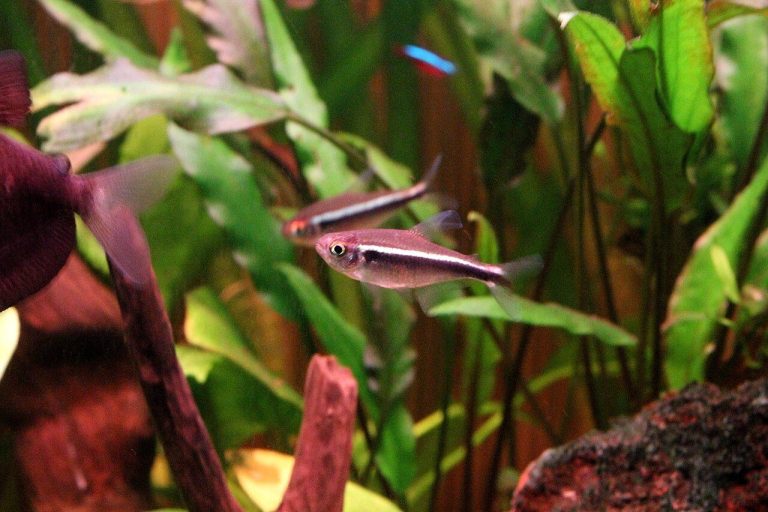
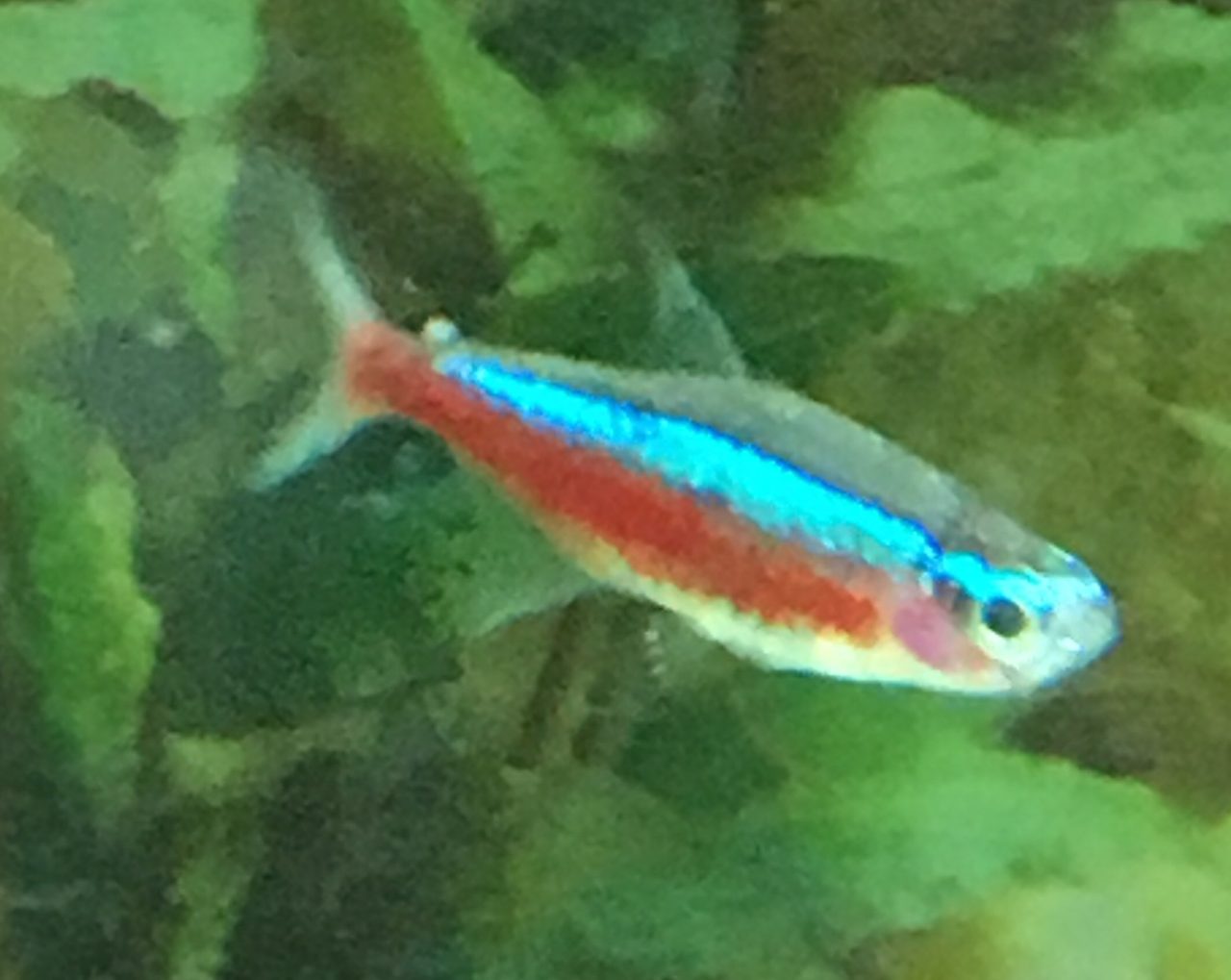
Male neon tetras are distinguished by their slim, torpedo-shaped bodies and straight blue lateral stripes. Females appear rounder with a deeper belly, often causing their blue stripe to look curved or “kinked” when viewed from the side.
Identifying the difference between a male vs female neon tetra is one of the most rewarding challenges for a dedicated aquarist. After spending over a decade maintaining various Characidae species, I have found that these shimmering jewels of the Amazon require a very keen eye to sex accurately.
While they may look identical to the casual observer, subtle morphological cues reveal their true identity. Whether you are interested in breeding or simply want to understand your school better, mastering these visual markers is essential for any successful aquarium.
In this guide, I will share the exact methods I use to distinguish between the sexes. We will look closely at anatomy, behavior, and the specific environmental triggers that make these differences more apparent.
At a glance: Neon tetra (Paracheirodon innesi)
- Temperature
- 72–78°F (22–26°C)
- Water pH
- 6.0–7.0
- Adult size
- 1.5 in (4 cm)
- Minimum tank
- 10 gal (20 gal for a proper school)
- Group size
- Groups of 8+
- Temperament
- Peaceful
- Diet
- Omnivore: micro pellets, flakes, frozen daphnia
- Lifespan
- 5–8 years
Keeper’s tip: Add neons only to a fully cycled, stable tank; they are among the first fish to suffer from ammonia swings.
Understanding Sexual Dimorphism in Neon Tetras
The Paracheirodon innesi, commonly known as the Neon Tetra, exhibits what we call sexual dimorphism. This term refers to the physical differences between males and females of the same species beyond their reproductive organs.
In many fish species, these differences are obvious, such as the flowing fins of a male Betta. However, with neons, the variations are much more nuanced and require patience to observe.
In my experience, trying to sex juvenile fish is almost impossible. You generally need to wait until the fish are at least six to nine months old before their secondary sexual characteristics become prominent enough to identify.
Visual Differences: How to Spot a Male vs Female Neon Tetra
When you are looking at your school, the first thing you should focus on is the overall ventral profile. This is the “belly” line of the fish, and it provides the most reliable clue for identification.
Females are built for egg production, which necessitates a more strong and rounded midsection. This extra girth changes how the light hits their scales and how their iconic markings appear.
Pro Tip: To get the best view, observe your fish from the side during feeding time. When they are active and swimming near the front glass, it is much easier to compare their body shapes side-by-side.
The Blue Line “Kink” Test
One of the most famous tricks in the hobby is looking at the neon blue lateral stripe. On a male, this line is almost perfectly straight from the eye to the adipose fin.
On a female, the rounded belly actually distorts the skin and scales. This causes the blue line to develop a noticeable curve or “kink” in the middle of the body.
Size and Fin Variations
While not always a definitive rule, females tend to be slightly larger in overall mass than males. A healthy, mature female will look “taller” when viewed from the side because of her deeper body.
The fins themselves are quite similar in both sexes. However, some experienced keepers suggest that the anal fin of a male might be slightly more pointed, though this is often difficult to see without a magnifying glass.
| Feature | Male Neon Tetra | Female Neon Tetra |
|---|---|---|
| Body Shape | Slim, streamlined, and torpedo-like. | Rounder, deeper belly, and more sturdy. |
| Lateral Blue Stripe | Perfectly straight and horizontal. | Curved or “kinked” due to body girth. |
| Overall Size | Slightly smaller and shorter. | Generally larger and more substantial. |
| Ventral Profile | Flat or slightly concave. | Noticeably convex (rounded). |
Beyond physical appearance, behavior can offer significant clues when analyzing a male vs female neon tetra. During the morning hours, you might notice increased activity in the school.
Males often engage in “sparring” or “dancing” to establish dominance or attract a mate. This involves quick, darting movements and shimmering displays near the females.
Females generally remain more passive, focusing on foraging for food. If you see one fish being chased by two or three others, the one in the lead is almost certainly a female.
Internal Anatomy: Swim Bladder and Egg Development
If you have a very bright light and a clear tank, you can sometimes see the internal swim bladder anatomy of these fish. The swim bladder in males is often more visible and appears slightly more pointed toward the rear.
In females, as they mature, the developing eggs will begin to occupy the space in the abdominal cavity. This pushes against the internal organs and gives the fish that characteristic “plump” look.
I have noticed that when females are “gravid” (carrying eggs), they may appear slightly sluggish. This is the perfect time to move them if you are planning on how to breed neon tetras in a separate setup.
Preparing for Spawning: The Role of Gender Identification
Understanding the nuances of neon tetra reproduction requires a keen eye for these physical traits. You cannot simply throw a group together and hope for the best if you want high success rates.
To trigger spawning, I always recommend separating the males and females for a week. During this time, feed them high-quality live foods or frozen brine shrimp to condition them.
Once the females look particularly round and the males are rich, you can introduce them to a dedicated spawning tank. This tank should have very soft water and a low dGH to make sure the eggs can be fertilized.
Using Peat Filtration and Spawning Mops
In the wild, these fish live in blackwater environments. Using peat filtration in your breeding setup can help replicate these acidic conditions, making the fish feel more at home.
I also swear by using spawning mops or fine-leaved plants like Java Moss. These provide a safe place for the female to scatter her eggs, which the male will then fertilize.
Pro Tip: Neon tetras are notorious egg-eaters. Always remove the adults from the breeding tank immediately after you see the spawning process has finished to protect the future fry.
Common Challenges in Sexing Neon Tetras
One of the most common mistakes I see beginners make is confusing a bloated fish with a gravid female. If a fish is round but its scales are sticking out (like a pinecone), it is likely suffering from dropsy, not carrying eggs.
Another challenge is the impact of diet. If you overfeed your school, the males can develop “pot bellies” that mimic the shape of a female.
To avoid this, I recommend fasting your fish for 24 hours before trying to sex them. This allows their digestive tracts to clear, making their natural body shapes much more apparent.
Environmental Factors That Improve Identification
Water quality plays a massive role in how bright these fish appear. If your nitrates are high, the red and blue colors will fade, making it much harder to see the “kink” in the lateral line.
Maintaining the correct neon tetra water parameters is non-negotiable for their health and your ability to observe them. Soft, slightly acidic water brings out their best colors and most active behaviors.
When the colors are at their peak, the contrast between the silver belly and the blue stripe becomes much sharper. This clarity is exactly what you need to distinguish a male vs female neon tetra with confidence.
Still wondering?
Can neon tetras change their sex?
No, neon tetras are not sequential hermaphrodites. Their sex is determined at birth and remains the same throughout their entire lifespan.
At what age can you tell the difference between males and females?
Usually, you can start seeing the differences around 6 months of age. By 9 to 12 months, the physical characteristics are fully developed and much easier to spot.
What is the best male-to-female ratio for a community tank?
I recommend keeping a ratio of at least two females for every one male. This prevents the males from over-stressing a single female during their constant courtship displays.
Why does my male neon tetra look fat?
If a male looks fat, it is likely due to overfeeding or a digestive issue. Help you are providing a varied diet and not feeding more than they can consume in two minutes.
Do I need to sex them if I don’t want to breed them?
It isn’t strictly necessary for a display tank, but knowing the sexes helps you understand their social dynamics. It also helps you monitor for health issues like egg-binding in females.
Wrapping up
Distinguishing a male vs female neon tetra is a skill that develops with time and observation. If you focus on the ventral profile, the straightness of the blue line, and the overall body mass, you can accurately identify the members of your school.
Remember that these fish settle in best in groups of six or more, where their natural social behaviors can shine. Whether you are observing a male’s colorful courtship dance or a female’s steady presence, these fish remain one of the most enchanting species in the hobby.
In my years of keeping these Characidae, I have found that the more effort you put into understanding their biology, the more successful your aquarium will be. Take your time, watch them closely, and enjoy the process of becoming a true expert in neon tetra care.

- 2003First tank
- 20+Years keeping
- 40+Tanks kept
- 0Sponsored picks
Howard set up his first 10-gallon planted tank in 2003 and lost half of it within six weeks. Two decades and more than forty aquariums later, he writes the guides he wished he had then: clear numbers, the reasons behind them, and what actually goes wrong in home tanks.