pH For Neon Tetras – The Ultimate Guide To Water Stability And Health
The ideal ph for neon tetras ranges between 6.0 and 7.0, mimicking their natural acidic habitats. While they prefer soft, slightly acidic water, maintaining a stable pH level is more critical for their long-term health than achieving a specific number.
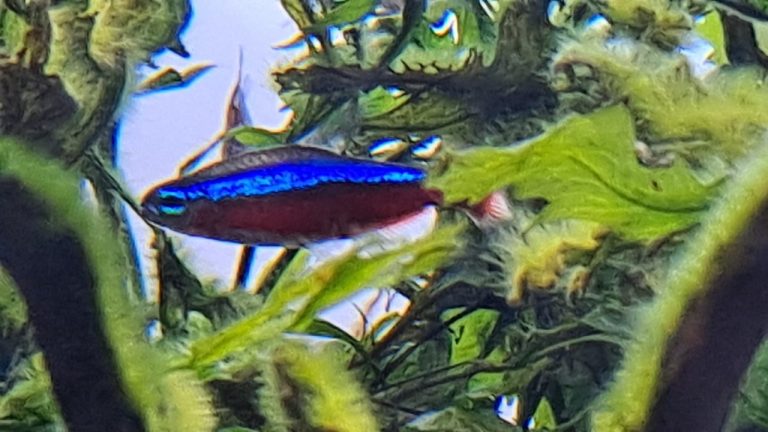
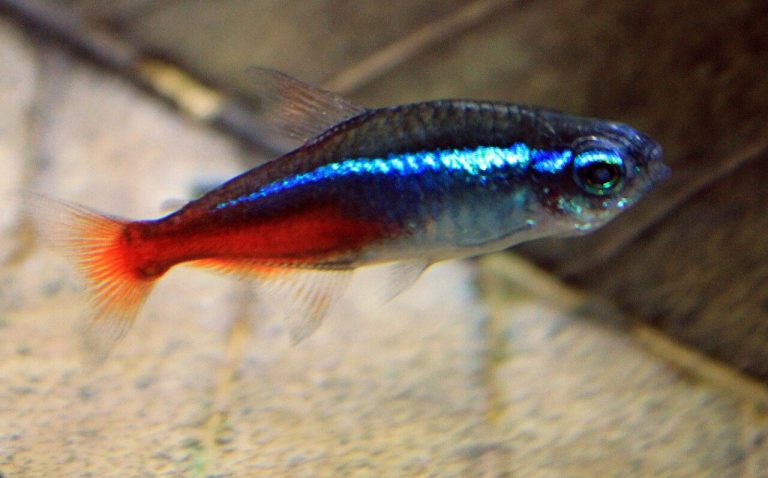
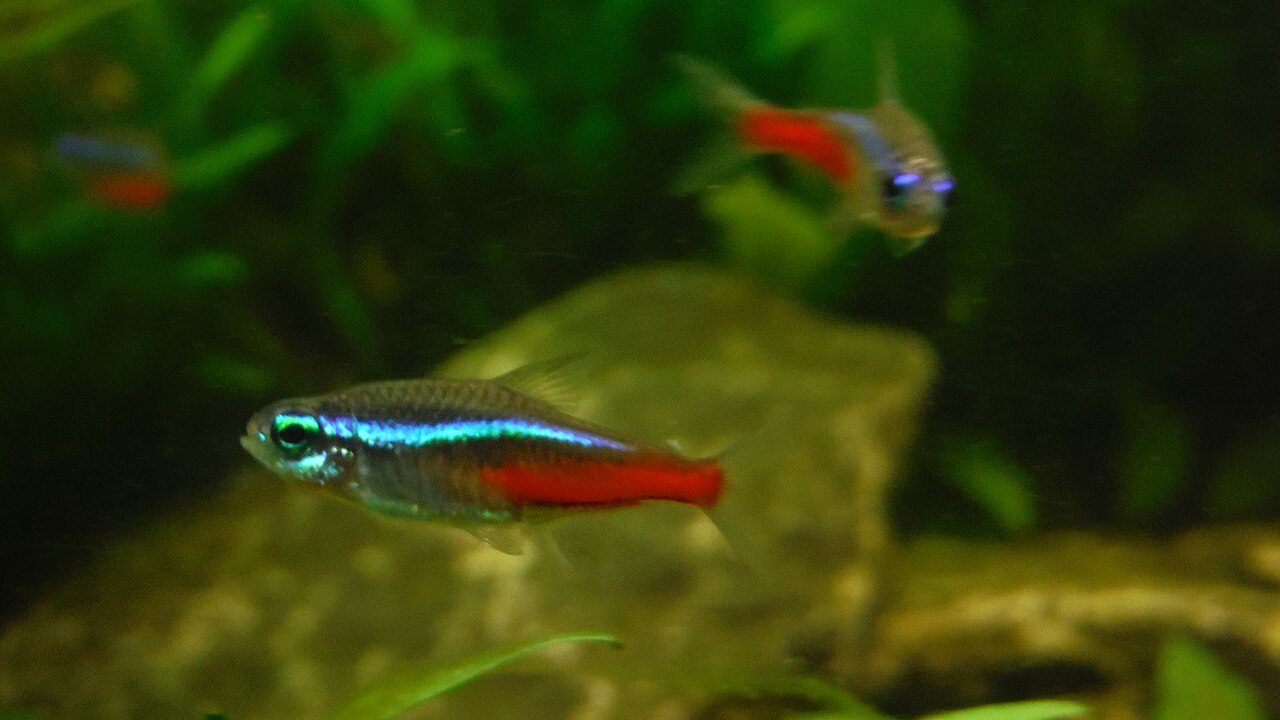
Understanding the specific ph for neon tetras is often the turning point between a struggling tank and a flourishing underwater ecosystem. These iconic fish, known scientifically as Paracheirodon innesi, are staples in the hobby for their brilliant blue and red stripes.
In my decade of maintaining community tanks, I have found that Neons are surprisingly hardy if you respect their biological boundaries. However, they are sensitive to sudden shifts in water chemistry, which can lead to stress or disease.
In this guide, I will share the exact parameters I use to keep my schools bright and active. We will look closely at the chemistry of the Amazon, the role of water hardness, and how to safely adjust your tank environment.
At a glance: Neon tetra (Paracheirodon innesi)
- Temperature
- 72–78°F (22–26°C)
- Water pH
- 6.0–7.0
- Adult size
- 1.5 in (4 cm)
- Minimum tank
- 10 gal (20 gal for a proper school)
- Group size
- Groups of 8+
- Temperament
- Peaceful
- Diet
- Omnivore: micro pellets, flakes, frozen daphnia
- Lifespan
- 5–8 years
Keeper’s tip: Add neons only to a fully cycled, stable tank; they are among the first fish to suffer from ammonia swings.
The Ideal Water Parameters for Neon Tetras
When we talk about the ph for neon tetras, we are looking at a scale that measures how acidic or basic your water is. In the wild, these fish inhabit “blackwater” streams that are rich in organic matter and very low in minerals.
To replicate this at home, you should aim for a slightly acidic environment. While they can adapt to a wider range in captivity, staying within the “sweet spot” makes sure their colors remain vivid and their immune systems strong.
Below is a breakdown of the target water parameters I recommend for a standard setup. These values provide the foundation for a healthy neon tetra care guide routine.
| Parameter | Ideal Range | Acceptable Range |
|---|---|---|
| pH Level | 6.0 – 6.8 | 5.5 – 7.5 |
| General Hardness (GH) | 2 – 6 dGH | Up to 10 dGH |
| Carbonate Hardness (KH) | 1 – 2 dKH | Up to 4 dKH |
| Temperature | 72°F – 76°F | 70°F – 81°F |
Pro Tip: If your tap water has a pH above 7.5, do not try to “fix” it instantly with chemical buffers. Most farm-raised Neons are acclimated to local water supplies, and a stable, slightly high pH is often safer than a fluctuating “perfect” pH.
Why pH Matters: The Science of Osmoregulation
The reason the ph for neon tetras is so vital involves a process called osmoregulation. This is how a fish maintains the balance of salts and water inside its body relative to the water outside.
In a blackwater habitat, the water is very soft and acidic, meaning there are very few dissolved minerals. The fish’s body is designed to work efficiently in these specific conditions without overworking its kidneys.
When the pH is too high or the water is too hard, the fish must work harder to maintain its internal chemistry. This constant effort leads to chronic stress, which eventually weakens the fish and makes it susceptible to Neon Tetra Disease or fungal infections.
The Role of Humic Substances
In the wild, the low pH is maintained by humic substances released from decaying leaves and wood. These substances act as natural conditioners that provide antibacterial and antifungal benefits.
I have noticed that adding these natural elements to a home aquarium significantly improves the activity levels of the school. It makes the fish feel “at home,” encouraging them to display more natural behaviors.
If you focus on the biological needs of Paracheirodon innesi, you create an environment where they can live out their full lifespan. Proper neon tetra water parameters are about more than just numbers; they are about biology.
Understanding Carbonate and General Hardness
You cannot discuss the ph for neon tetras without mentioning Carbonate Hardness (KH) and General Hardness (GH). These three parameters are deeply interconnected like a three-legged stool.
KH acts as a buffer for your pH, preventing it from crashing or swinging wildly. However, Neons naturally come from water with almost zero KH, which makes keeping the pH stable a challenge for many beginners.
GH measures the calcium and magnesium ions in the water. Since Neons are “soft water” fish, high GH can interfere with their ability to take in oxygen and minerals through their gills.
The Connection Between KH and pH Stability
If your KH is very low (below 2 dKH), your pH can drop suddenly as organic waste builds up in the tank. This is known as a “pH crash,” and it is often fatal for sensitive tetras.
In my experience, maintaining a KH of at least 2 or 3 dKH provides enough safety to keep the pH from fluctuating. It is a delicate balance between providing the soft water they love and the stability they need to survive.
Common Mistake: Many hobbyists use Reverse Osmosis (RO) water to lower their pH but forget to add minerals back in. Pure RO water has zero buffering capacity, leading to dangerous pH swings that can kill a school overnight.
How to Safely Lower pH for Neon Tetras
If you find that your local tap water is too alkaline, there are several natural ways to lower the ph for neon tetras. I always prefer natural methods over chemical “pH Down” products, as they are gentler on the fish.
Using Indian almond leaves or peat filtration is the gold standard for South American setups. These methods slowly release tannins into the water, lowering the pH while giving the water a beautiful, tea-colored tint.
Using Natural Botanicals
Adding dried leaves, such as Catappa or Guava leaves, mimics the forest floor of the Amazon. As these leaves break down, they release organic acids that naturally buffer the water toward the acidic side.
This method also provides a foraging ground for microorganisms, which can serve as a supplemental food source for your fish. It creates a complex, healthy ecosystem rather than just a sterile glass box.
Peat Filtration and Driftwood
Another effective method is placing aquarium-safe peat moss inside your filter media bag. This acts as a slow-release acidifier that can keep your pH consistently in the 6.5 range.
Large pieces of Malaysian or Mopani driftwood also contribute to this effect. Over time, the wood leaches tannins, which help maintain the ideal ph for neon tetras without the need for constant monitoring.
The Dangers of High pH and Alkalinity
When the ph for neon tetras rises above 7.8 for extended periods, you may start to see physical signs of distress. While some Neons can survive in harder water, they rarely settle in or show their best colors.
High alkalinity can lead to acidosis if the fish is moved too quickly from acidic to basic water. Conversely, if the pH is too high, ammonia becomes significantly more toxic to the fish.
I have found that in alkaline tanks, Neons often appear pale, and their red stripe may look washed out. This is a clear indicator that the fish is under physiological stress and is struggling to osmoregulate.
- Gasping at the water surface (even with good aeration).
- Erratic swimming or “darting” across the tank.
- Excessive mucus production on the skin and gills.
- Loss of appetite and lethargy.
- Fading of the iconic blue and red coloration.
If you notice these symptoms, test your water immediately. A sudden shift in the ph for neon tetras is often the culprit, especially after a large water change with untreated tap water.
Maintaining Stability in the Aquarium
The most important lesson I have learned in 10 years of fish keeping is that stability is king. A constant pH of 7.4 is much better than a pH that bounces between 6.0 and 7.0 every few days.
To keep the ph for neon tetras stable, perform smaller, more frequent water changes. Instead of a 50% change once a week, try 15-20% twice a week to minimize the impact on water chemistry.
Always treat your replacement water before adding it to the tank. If you are using a Reverse Osmosis system, make sure to remineralize the water to the desired GH and KH levels.
Pro Tip: When introducing new fish, always use the “drip acclimation” method. This slowly equalizes the ph for neon tetras between the shipping bag and your tank, preventing osmotic shock.
Step-by-Step Guide to Setting the Perfect pH
Setting up a new tank with the right ph for neon tetras requires a bit of planning. You want to build a foundation that naturally maintains the water chemistry over time.
Following a structured neon tetra fish tank setup will help you avoid the common pitfalls that lead to fish loss. Here is how I recommend prepping your water:
- Test Your Source Water: Use a high-quality liquid test kit to determine your tap water’s baseline pH, GH, and KH.
- Choose Your Substrate: Use an active substrate (like aquarium soil) if you want to keep the pH low, or inert sand if your water is already acidic.
- Add Natural Buffers: Place driftwood and a few Indian almond leaves in the tank during the cycling process.
- Monitor the Cycle: As the tank cycles, the pH may fluctuate. Wait for the tank to stabilize and show zero ammonia and nitrites before adding fish.
- Slow Acclimation: Once the tank is ready, spend at least 60 minutes drip-acclimating your Neons to make sure they adjust to your specific pH.
Questions I get asked a lot
Can neon tetras live in 8.0 pH?
While they may survive for a short time, 8.0 is far too alkaline for long-term health. Most Neons kept at this level will experience shortened lifespans and chronic stress.
Does driftwood lower pH?
Yes, driftwood releases tannins and organic acids that naturally lower the ph for neon tetras. It is one of the safest and most aesthetic ways to acidify your water.
Is 7.5 pH okay for neon tetras?
A pH of 7.5 is acceptable if it is stable and the fish were acclimated slowly. Many captive-bred Neons do perfectly fine in slightly alkaline water.
How often should I test pH?
I recommend testing the ph for neon tetras at least once a week during your regular maintenance. This helps you catch any drifting values before they become a problem.
Does high KH affect neon tetras?
High KH makes it very difficult to lower the pH. If your KH is high, you will likely need to use RO water to achieve the acidic environment Neons prefer.
Final thoughts
Finding the right ph for neon tetras is a journey into the heart of tropical fish keeping. By aiming for a range of 6.0 to 7.0, you are providing these beautiful fish with an environment that honors their wild heritage.
While the numbers are important, the health of your fish is the ultimate metric. A school of Neons that is active, brightly colored, and eating well is the best sign that your water chemistry is on point.
Focus on stability, use natural botanicals to your advantage, and always avoid sudden chemical changes. With these principles in place, your Paracheirodon innesi will flourish in your care for years to come.

- 2003First tank
- 20+Years keeping
- 40+Tanks kept
- 0Sponsored picks
Howard set up his first 10-gallon planted tank in 2003 and lost half of it within six weeks. Two decades and more than forty aquariums later, he writes the guides he wished he had then: clear numbers, the reasons behind them, and what actually goes wrong in home tanks.