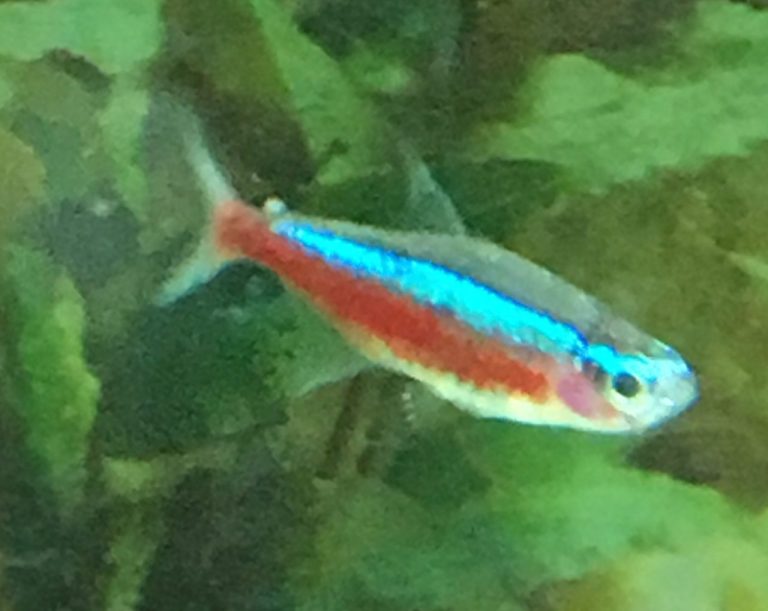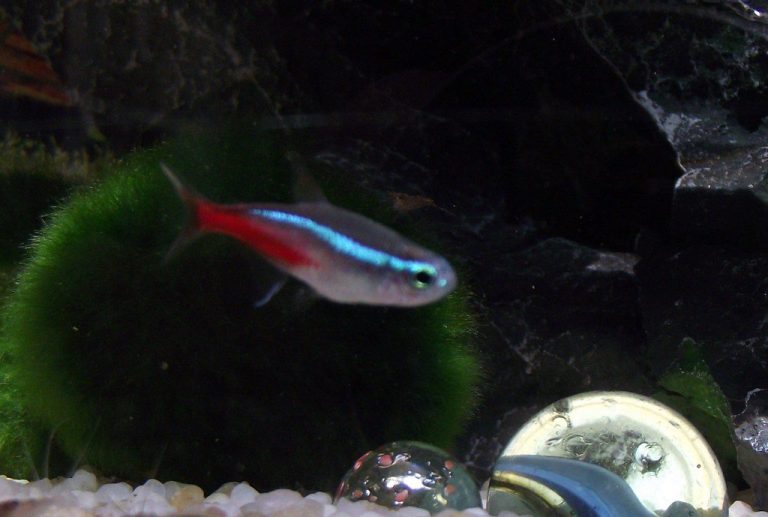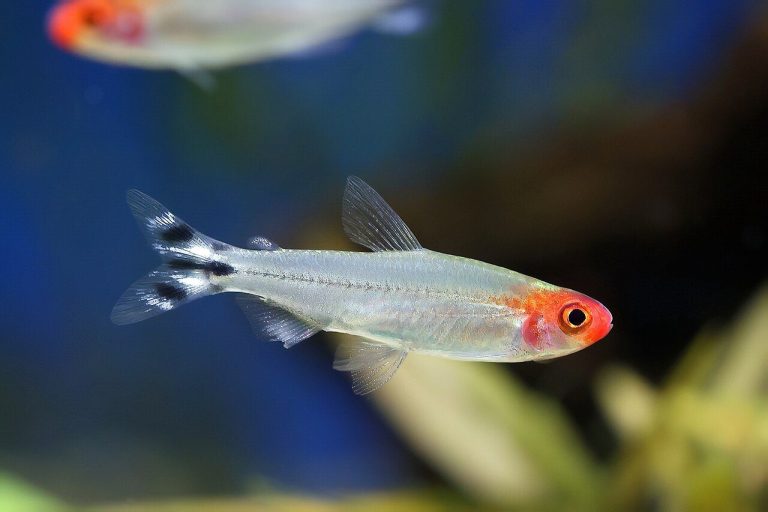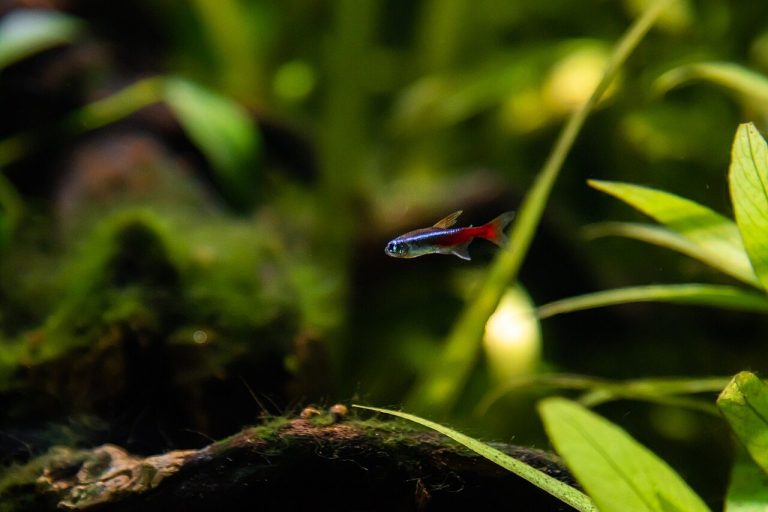
Neon Tetra Diet – What and How Often to Feed
A balanced neon tetra diet consists of high-quality micropellets, flake food, and regular supplements of live or frozen treats like daphnia and brine shrimp to provide essential proteins and bring out their iconic iridescent colors.
Feeding your fish is one of the most satisfying parts of the hobby, but it is also where many beginners struggle.
In my experience of keeping these shimmering jewels for over a decade, I’ve found that a proper neon tetra diet is the absolute foundation of a long-lived, disease-resistant school.
When I first started, I thought any “tropical flake” would do, but I quickly learned that these fish require specific nutrients to do well and show off those neon blues and reds.
At a glance: Neon tetra (Paracheirodon innesi)
- Temperature
- 72–78°F (22–26°C)
- Water pH
- 6.0–7.0
- Adult size
- 1.5 in (4 cm)
- Minimum tank
- 10 gal (20 gal for a proper school)
- Group size
- Groups of 8+
- Temperament
- Peaceful
- Diet
- Omnivore: micro pellets, flakes, frozen daphnia
- Lifespan
- 5–8 years
Keeper’s tip: Add neons only to a fully cycled, stable tank; they are among the first fish to suffer from ammonia swings.
Understanding the Natural Foundations of the Neon Tetra Diet
To understand what our fish need, we have to look at their ancestral home in the blackwater streams of the Amazon Basin.
In the wild, Paracheirodon innesi is a micro-predator, meaning they spend their days hunting tiny organisms in the water column.
A huge part of the wild neon tetra diet consists of insect larvae, tiny crustaceans, and even microscopic worms that fall into the water.
The Role of Paracheirodon innesi Dietary Protein
In their natural habitat, these fish rely heavily on Paracheirodon innesi dietary protein to fuel their high metabolism and active schooling behavior.
I have noticed that when tetras are deprived of high-quality animal proteins, they often become lethargic and lose that “sparkle” in their scales.
High-quality protein sources help build muscle mass and support the immune system, which is vital for such small, delicate fish.
Why Particle Size Matters
Because these fish have tiny mouths, the micropellet particle size you choose is critical for successful feeding.
If the food is too large, they will strike at it but eventually give up, leading to wasted food and hungry fish.
Always look for “micro” or “nano” sized pellets that are specifically designed for small characins to make sure they can swallow the food easily.
Pro Tip: If you only have large flakes on hand, rub them between your fingers to create a fine powder before dropping them into the tank. This helps keep even the smallest neon in the school gets a chance to eat.
Essential Components of a Healthy Neon Tetra Diet
A monotonous diet is the enemy of a healthy aquarium, as no single food contains every vitamin a fish needs.
I always recommend a “rotational feeding” schedule that mimics the variety they would find in the wild.
By mixing dry, frozen, and live foods, you ensure a strong fish gut microbiome that can process nutrients efficiently.
| Food Category | Examples | Primary Benefit |
|---|---|---|
| Dry Staples | Micropellets, high-protein flakes | Convenience and balanced vitamins |
| Frozen Foods | Bloodworms, Daphnia, Brine Shrimp | High protein and hydration |
| Live Foods | Baby Brine Shrimp, Moina | Stimulates natural hunting instincts |
| Color Enhancers | Foods with Astaxanthin/Spirulina | Vivid blues and reds |
The Importance of Live and Frozen Feed
Including Daphnia pulex live feed in your routine is one of the best things you can do for your tetras’ digestion.
Daphnia acts as a natural laxative, helping to prevent gastrointestinal impaction which is common in fish fed only dry pellets.
I also like to offer Chironomid larvae frozen (commonly known as bloodworms) once or twice a week as a high-calorie treat.
Using Brine Shrimp for Growth and Vitality
If you are looking to maximize the growth of your fish, starting a brine shrimp nauplii culture is a real improvement.
These tiny, freshly hatched shrimp are packed with fats and proteins that trigger a feeding frenzy in bright neon tetras.
Even adult neons benefit from the high energy levels provided by these “living multivitamins” during their active daylight hours.
Improving Coloration Through Nutrition
Many hobbyists ask me why their neons look washed out compared to the ones they see in professional displays.
While genetics and water quality play a role, the secret usually lies in Astaxanthin pigment enhancement within their food.
Astaxanthin is a natural carotenoid that intensifies the red pigments, while also acting as a powerful antioxidant for the fish.
Vitamin C and Immune Support
Another critical element is Vitamin C fish feed fortification, which helps the fish repair tissue and fight off infections.
Fish cannot synthesize their own Vitamin C, so they must receive it through their diet to maintain strong skeletal structures.
I always check the labels of my dry foods to make sure they contain stabilized Vitamin C, as this form doesn’t degrade as quickly when exposed to air.
Natural Color Boosters
Beyond supplements, feeding small amounts of spirulina-based flakes can help the blue “neon” line appear more iridescent.
I’ve observed that a diet rich in varied pigments creates a multi-dimensional glow that cheap, generic foods simply cannot replicate.
When your tetras are well-fed on a diverse neon tetra diet, they will practically glow even under standard aquarium lighting.
Feeding Frequency and Management Strategies
One of the most common mistakes I see is the “once-a-day dump” method, where a large amount of food is added at once.
In the wild, tetras are “grazers” that eat small amounts throughout the entire day.
To keep them healthy and prevent water quality issues, it is much better to feed smaller amounts two or three times per day.
The Three-Minute Rule
A good rule of thumb is to only provide as much food as they can completely consume within three minutes.
Any food that hits the substrate is often ignored by neons, as they prefer to feed in the middle of the water column.
Leftover food will rot, leading to ammonia spikes and stressing the very fish you are trying to nourish.
Common Mistake: Do not feed your tetras right before turning the lights off. They need time to digest their meal while active; sleeping with a full stomach can lead to bloating and metabolic issues.
Managing Waste in a Community Setting
If you are keeping your neons in a community environment, you must help they aren’t outcompeted for food.
Faster swimmers might gobble everything up before the tetras can get a chance to feed.
I usually “distract” the faster fish at one end of the tank while dropping the neon tetra diet staples at the other end for the school.
Specialized Nutrition for Breeding and Fry Care
If you are interested in breeding your fish, their nutritional needs will change significantly.
Conditioning the parents requires a massive increase in high-quality live foods to trigger egg production in females.
Without the right fats and proteins, the eggs may be infertile or the parents might lack the stamina for the spawning ritual.
Infusoria and Micro-Foods
Once the eggs hatch, the fry are incredibly small and cannot eat standard fish food.
You will need to provide “infusoria” or liquid fry food for the first few days of their lives.
Gradually, you can transition them to brine shrimp nauplii culture as they grow large enough to hunt.
Monitoring Growth Milestones
I track the success of my breeding efforts by observing the growth rate and color development of the fry.
A fry that receives a high-protein diet early on will often grow into a much hardier and more colorful adult.
Making sure they have constant access to food without fouling the water is the most difficult balance to strike during this phase.
Water Chemistry and Dietary Success
It is a mistake to think about diet in a vacuum; the environment plays a huge role in how fish process their food.
The aquarium water hardness GH and pH levels directly affect the metabolic rate of your tetras.
In water that is too hard or alkaline, tetras may experience stress that reduces their appetite and weakens their digestion.
The Impact of Temperature on Digestion
Tetras are ectothermic, meaning their internal temperature is regulated by the water around them.
If your tank is too cold, their digestion slows down significantly, making them prone to gastrointestinal impaction.
Keeping the water at a steady 75-78°F (24-26°C) helps keep their “internal engine” is running at the right speed for nutrient absorption.
Filtering Out the Byproducts
A high-protein diet naturally results in more nitrogenous waste being released into the water.
This is why a sturdy filtration system and regular water changes are non-negotiable for anyone serious about fish health.
I always perform a 25% water change weekly to keep nitrates low, making sure the fish stay hungry and active.
Common Pitfalls in Neon Tetra Nutrition
Even experienced keepers can run into trouble if they become complacent with their feeding habits.
The most frequent issue I see is “Old Food Syndrome,” where a large container of flakes is kept for over six months.
Once a seal is broken, vitamins begin to oxidize and lose their potency, leaving your fish with “empty calories.”
Identifying Overfeeding Signs
If you notice your neons have extremely distended bellies that don’t go down after a few hours, you are likely overfeeding.
This can lead to fatty liver disease and a shortened lifespan for your school.
A healthy neon should have a slightly rounded belly after feeding, but it should return to a streamlined shape by the next meal.
Dealing with Fin Nipping and Competition
Sometimes, a poor neon tetra diet can lead to aggression within the school.
If the fish are hungry, they may nip at each other’s fins or the fins of their tank mates to find extra protein.
Making sure every fish is satiated is the easiest way to maintain a peaceful and peaceful aquarium.
FAQ
Can neon tetras eat Betta food?
Yes, they can occasionally eat Betta pellets if they are small enough, as both fish require high protein. However, Betta food lacks some of the plant-based matter that neons need for a fully balanced diet.
How long can neon tetras go without food?
Healthy adult tetras can typically go 3 to 5 days without food without any long-term harm. In a well-established planted tank, they may even find micro-organisms to snack on while you are away for a weekend.
Why are my neon tetras not eating?
This is usually a sign of stress, poor water quality, or disease. Check your ammonia and nitrite levels immediately, and make sure the water temperature hasn’t dropped unexpectedly.
Do neon tetras eat aquarium plants?
Unlike some of their larger cousins, neon tetras generally do not eat live plants. They may pick at algae or microfilm on the leaves, but they won’t damage your aquascape.
Is freeze-dried food as good as frozen food?
Freeze-dried food is a great backup, but it can cause bloating if not soaked in tank water first. Frozen food is generally superior as it retains more moisture and natural texture.
Conclusion: The Path to Tetra Success
Perfecting the neon tetra diet is a journey of observation and adjustment.
If you provide a base of high-quality micropellets and supplementing with live treats like daphnia, you are giving your fish the best possible life.
I have found that the extra effort of culturing live foods or sourcing the best pellets pays off tenfold when you see a school of thirty neons glowing brilliantly in a leafy green tank.
Keep your portions small, your variety high, and your water clean.
With these principles in mind, your neon tetras will remain the rich, energetic centerpieces of your aquarium for years to come.

- 2003First tank
- 20+Years keeping
- 40+Tanks kept
- 0Sponsored picks
Howard set up his first 10-gallon planted tank in 2003 and lost half of it within six weeks. Two decades and more than forty aquariums later, he writes the guides he wished he had then: clear numbers, the reasons behind them, and what actually goes wrong in home tanks.