What Temperature Do Tetras Like – The Ultimate Guide To Ideal Water
Most tropical tetras settle in in water temperatures between 72°F and 82°F (22°C to 28°C). While specifics vary by species, maintaining a stable environment within this range is essential for their metabolic health and immune system.
Starting a new aquarium is an exhilarating journey, but it often comes with a steep learning curve regarding water chemistry and physics. One of the most common questions I hear from new hobbyists is, “what temperature do tetras like” for their specific setup?
In my experience of over a decade keeping these shimmering gems, I have found that temperature is the foundation of a healthy tank. Tetras are not just “set and forget” fish; they are biological indicators of your success as an aquarist.
Understanding the thermal needs of your fish is the first step toward preventing disease and making sure rich colors. Let’s look closely at the science and practical application of keeping your tetras at the perfect temperature.
At a glance: Tetras (general) (Family Characidae and relatives)
- Temperature
- 72–80°F (22–27°C) for most species
- Water pH
- 6.0–7.5 for most species
- Adult size
- 1–3 in (2.5–8 cm)
- Minimum tank
- 10–30 gal depending on species
- Group size
- Groups of 6–10+
- Temperament
- Mostly peaceful schooling fish
- Diet
- Omnivores: quality flakes or micro pellets plus frozen foods
- Lifespan
- 3–8 years
Keeper’s tip: Schooling size matters more than tank size for most tetras: small groups hide, nip and stress.
The Biological Importance of Temperature for Tetras
Tetras are ectothermic organisms, meaning their internal body temperature is dictated by the water around them. This process, known as ectothermic regulation, means that every biological function they perform is tied to the thermometer.
When the water is too cold, their metabolic rate slows down significantly. This leads to lethargy, a weakened immune system, and poor digestion.
Conversely, if the water is too warm, their metabolism spikes. While they might seem active, they are actually burning through energy too quickly, which can shorten their overall lifespan.
Pro Tip: I’ve noticed that many beginners ignore the relationship between heat and oxygen. As water temperature rises, the dissolved oxygen saturation decreases. Always ensure you have plenty of surface agitation if you are keeping your tank on the warmer end of the spectrum.
what temperature do tetras like: A Species-by-Species Breakdown
Not all tetras come from the exact same environment. While many hail from the Amazon basin blackwater regions, some prefer slightly cooler or warmer pockets of water.
To give you a clear roadmap, I have compiled a table of the most popular species and their preferred thermal ranges.
| Tetra Species (Scientific Name) | Ideal Temp Range (°F) | Ideal Temp Range (°C) |
|---|---|---|
| Neon Tetra (Paracheirodon innesi) | 70°F – 78°F | 21°C – 25°C |
| Cardinal Tetra (Paracheirodon axelrodi) | 73°F – 82°F | 23°C – 28°C |
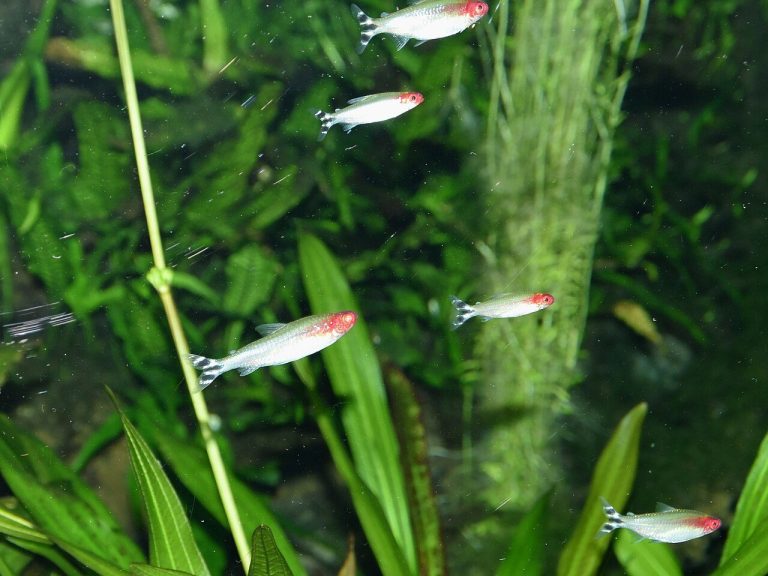
| Rummy Nose Tetra (Hemigrammus rhodostomus) | 75°F – 84°F | 24°C – 29°C |
| Black Skirt Tetra (Gymnocorymbus ternetzi) | 72°F – 82°F | 22°C – 28°C |
| Ember Tetra (Hyphessobrycon amandae) | 73°F – 82°F | 23°C – 28°C |
As you can see, there is a “sweet spot” around 76°F to 78°F that satisfies most species. If you are keeping a community tank, aiming for the middle of these ranges is usually the safest bet for overall health.
You can learn more about the specific needs of certain varieties by checking out our guide on neon tetra temperature range to make sure your schooling fish stay active.
The Difference Between Neons and Cardinals
It is a common mistake to treat all “neon-looking” fish the same. For example, Paracheirodon innesi (the Neon Tetra) actually prefers slightly cooler water than its cousin, Paracheirodon axelrodi (the Cardinal Tetra).
In my early days, I kept them together at 82°F. While the Cardinals were well-kept, the Neons were stressed and prone to disease because the water was just a bit too warm for their natural physiology.
Making sure you research the specific requirements for your tetra tank size and species mix is essential for long-term success.
Essential Equipment for Maintaining Stability
Knowing what temperature do tetras like is only half the battle. You also need the right tools to make sure that temperature consistent.
Fluctuations are often more dangerous than being slightly outside the “ideal” range. A sudden drop in temperature can cause thermal shock, which can be fatal to small, delicate fish.
The Submersible Heater Thermostat
A high-quality submersible heater thermostat is the most important investment you will make. These devices allow you to set a specific temperature, and they automatically turn on and off to maintain it.
I always recommend buying a heater with an adjustable dial rather than a “preset” heater. Preset heaters are often calibrated poorly and may keep your tank too cold or too hot depending on the room temperature.
Reliable Thermometers
Never trust the dial on the heater alone. I have seen heaters that were set to 78°F actually heat the water to 84°F.
Use a separate digital or glass thermometer placed on the opposite side of the tank from the heater. This helps make sure that the heat is distributing evenly throughout the water column.
Common Mistake: Many hobbyists place their heater in a corner with low water flow. This creates “hot spots” near the heater while the rest of the tank remains cold. Always place your heater near the filter intake or outlet to ensure the warmed water is circulated.
The Risks of Incorrect Temperatures
When you stray too far from what tetras like, you open the door to a host of problems. Understanding these risks will help you stay vigilant.
Low Temperature Risks
If your water drops below 70°F for an extended period, your tetras will become sluggish. Their digestion slows down, which can lead to bloating or constipation.
More importantly, cold stress suppresses their immune system. This makes them highly susceptible to Ichthyophthirius multifiliis, commonly known as “Ich” or white spot disease.
High Temperature Risks
On the flip side, water that is too warm (above 84°F for most species) causes metabolic stress. Your fish will breathe rapidly at the surface because of the lower dissolved oxygen saturation.
High heat also encourages the growth of harmful bacteria and algae. If you notice your fish “gasping,” check your thermometer immediately.
If you are dealing with smaller setups, you might want to look into how small tetra fish react to temperature changes in nano environments.
Managing Seasonal Temperature Shifts
Depending on where you live, summer and winter can pose different challenges for your aquarium.
Summer Heat Waves
During the summer, room temperatures can soar. If your tank exceeds 82°F, you may need to take action.
I have found that simply propping open the aquarium lid and using a small fan to blow across the water surface can drop the temperature by 2-4 degrees through evaporative cooling.
Winter Chills
In the winter, the biggest threat is a power outage or a drafty window. If your heater struggles to keep up, you might consider “insulating” the back and sides of the tank with foam board.
I always keep a backup heater in my supply closet. Heaters are notorious for failing at the worst possible moments, and having a spare can save your entire school of fish.
Step-by-Step: How to Safely Change Tank Temperature
If you realize your tank is currently at the wrong setting, do not rush to fix it instantly. Rapid changes are often more stressful than the wrong temperature itself.
- Assess the current temp: Use a reliable thermometer to confirm the actual water temperature.
- Adjust the heater slightly: Turn the dial no more than 1 or 2 degrees every 24 hours.
- Monitor fish behavior: Look for signs of stress, such as hiding, loss of color, or rapid gill movement.
- Verify the new stability: Once you reach the target, check the thermometer at different times of the day (morning vs. night) to make sure it stays steady.
A few common questions
Can tetras live in unheated tanks?
In most homes, no. Unless your room temperature stays consistently between 75°F and 80°F year-round, you need a heater. Tetras are tropical fish and cannot tolerate the typical household temperature drops that happen at night.
What is the best temperature for breeding tetras?
Breeding often requires a slight “trigger.” For many species, raising the temperature by 2 degrees (up to about 80°F-82°F) while providing soft, acidic water can mimic the start of the rainy season and encourage spawning.
Is 82 degrees too hot for Neon Tetras?
While they can survive at 82°F for short periods (such as during Ich treatment), it is not ideal for long-term care. It speeds up their metabolism too much, often leading to a shorter lifespan. I prefer keeping Neons at 75°F to 77°F.
How do I know if my heater is broken?
If the indicator light is on but the water is cold, or if the water is significantly hotter than the setting, the internal thermostat has likely failed. Always replace a faulty heater immediately; they can sometimes “stick” in the ON position and boil your fish.
In short
Mastering the environment of your aquarium starts with answering one fundamental question: “what temperature do tetras like”? If you provide a stable, species-appropriate temperature, you are giving your fish the best possible chance at a long, rich life.
Consistency is just as important as the number on the dial. Invest in a quality submersible heater thermostat, monitor your water daily, and pay attention to the subtle cues your fish give you.
Whether you are keeping the classic Paracheirodon innesi or the striking Hemigrammus rhodostomus, your dedication to their thermal needs will be rewarded with a beautiful, active, and healthy underwater world.

- 2003First tank
- 20+Years keeping
- 40+Tanks kept
- 0Sponsored picks
Howard set up his first 10-gallon planted tank in 2003 and lost half of it within six weeks. Two decades and more than forty aquariums later, he writes the guides he wished he had then: clear numbers, the reasons behind them, and what actually goes wrong in home tanks.