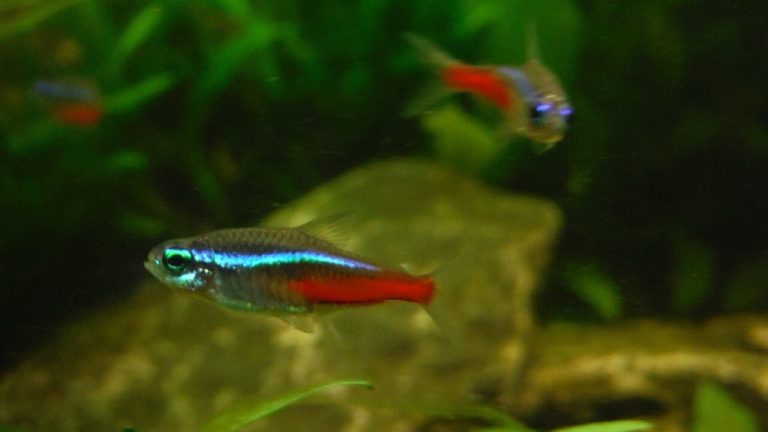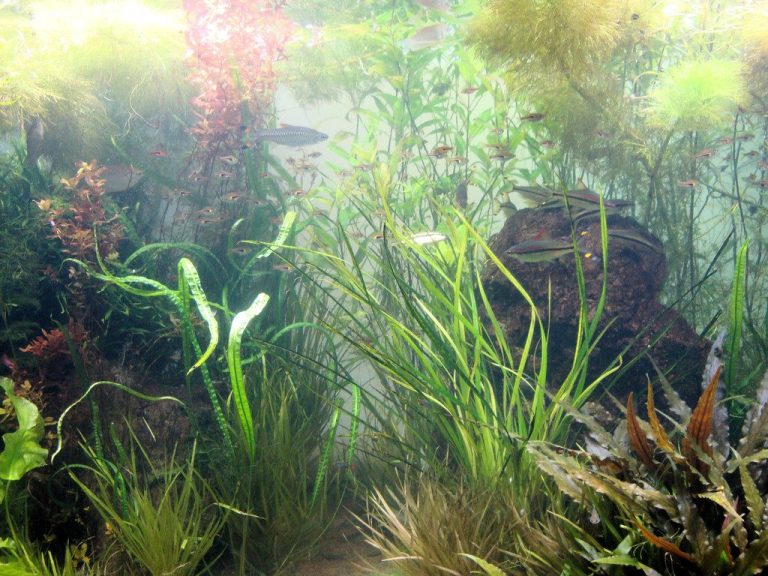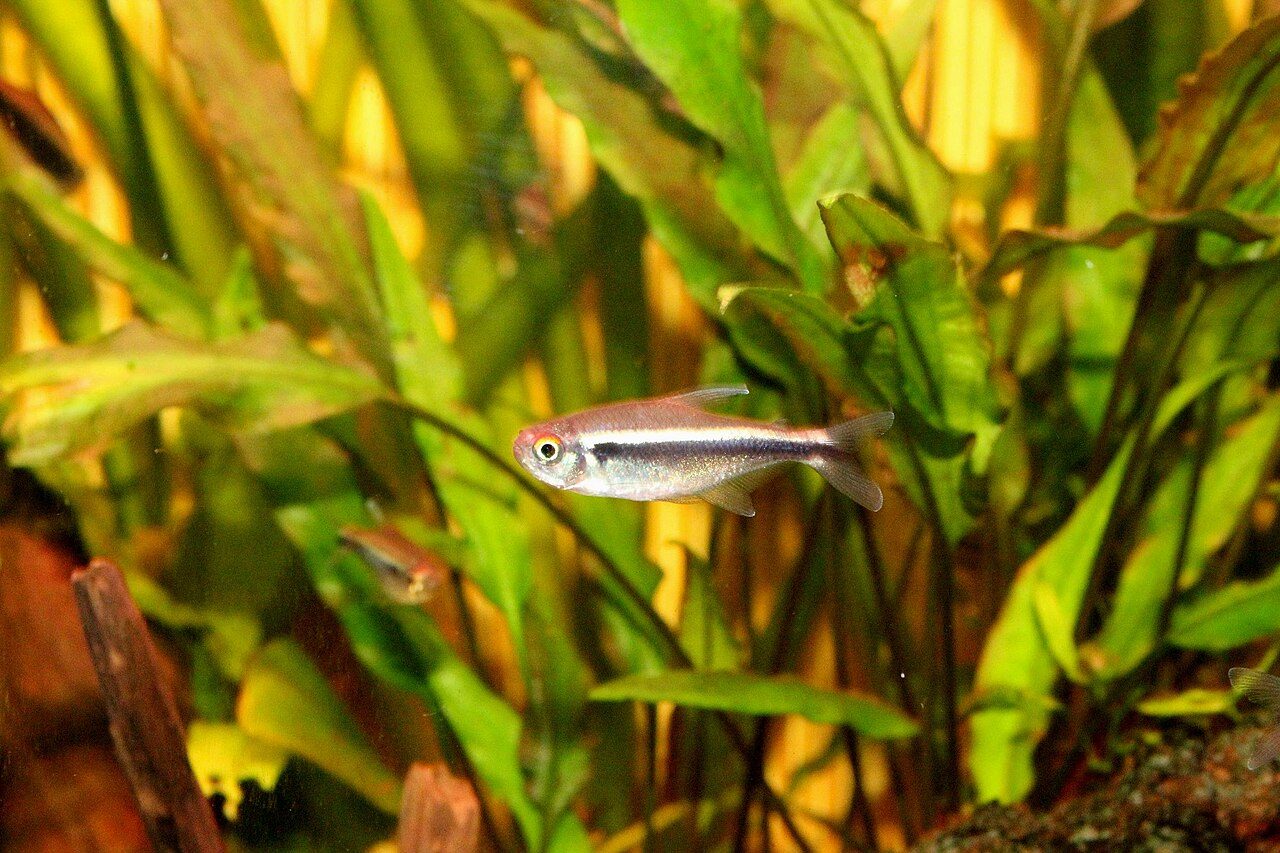
Black Neon Tetra Aquarium – Setup Checklist
A flourishing black neon tetra aquarium requires a minimum of 20 gallons, soft acidic water with a pH between 5.5 and 7.0, and dense vegetation. Keeping a school of at least six makes sure these peaceful fish display their most vivid colors.
Setting up a black neon tetra aquarium is one of the most rewarding projects for any fish keeper. These fish bring a sophisticated, understated elegance to the tank that many brighter species simply cannot match.
In my decade of maintaining various Amazonian setups, I have found that these tetras are far hardier than their standard neon cousins. They offer a unique aesthetic with their deep black bodies and glowing white-green stripes that shimmer under the right lighting.
We will look closely at their natural habitat, water chemistry, and the specific aquascaping techniques that make them do well.
At a glance: Black neon tetra (Hyphessobrycon herbertaxelrodi)
- Temperature
- 73–81°F (23–27°C)
- Water pH
- 5.5–7.5
- Adult size
- 1.5 in (4 cm)
- Minimum tank
- 15 gal
- Group size
- Groups of 6+
- Temperament
- Peaceful
- Diet
- Omnivore: flakes, micro pellets, live or frozen foods
- Lifespan
- 5 years
Keeper’s tip: Hardier than the true neon and a good choice for beginners with slightly harder tap water.
Understanding the Black Neon Tetra (Hyphessobrycon herbertaxelrodi)
The black neon tetra, scientifically known as Hyphessobrycon herbertaxelrodi, is a member of the diverse Characidae family. Despite their name, they are not actually a color morph of the standard neon tetra but a completely distinct species.
They originate from the Rio Taquari region in southern Brazil, where the waters are often stained with organic matter. This natural environment consists of slow-moving streams and flooded forests rich in submerged roots and fallen leaves.
In my experience, understanding their wild roots is the key to a healthy black neon tetra aquarium. These fish have evolved to settle in in “blackwater” conditions, which are naturally low in minerals and high in organic compounds.
Expert Pro-Tip: To see the most intense colors in your tetras, use a dark substrate like black sand or dark brown gravel. The dark background encourages the fish to darken their pigments, making their horizontal stripes glow with incredible intensity.
Designing the Perfect black neon tetra aquarium
When planning your setup, the first thing to consider is the volume of water and the dimensions of the tank. While they are small fish, they are active swimmers that require horizontal space to move.
A 20-gallon long tank is often cited as the gold standard for a starting school. This provides enough room for shoaling behavior while allowing for the dense planting these fish love.
If you are looking for more variety, you can explore other building a community around these peaceful inhabitants. They rarely bother their neighbors, making them ideal for mixed setups.
Essential Tank Specifications
To help you plan, I have outlined the ideal specifications for a dedicated setup below. These numbers ensure the long-term health and vitality of your school.
| Parameter | Ideal Range |
|---|---|
| Minimum Tank Size | 20 Gallons (Long preferred) |
| Water Temperature | 72°F to 82°F (22°C – 28°C) |
| pH Level | 5.5 to 7.0 |
| Carbonate Hardness (KH) | 2 to 6 dKH |
| Lighting Intensity | Low to Moderate |
Substrate and Hardscape Selection
Choosing the right materials for the bottom of your tank is more than just an aesthetic choice. In the wild, these fish handle through sandy bottoms littered with wood and decaying plant matter.
I recommend using a fine-grained sand or a specialized planted aquarium soil. This supports the growth of live plants while preventing waste from getting trapped in large gaps between gravel stones.
Adding driftwood and dried leaf litter (such as Indian Almond leaves) can drastically improve the water quality. These natural elements release humic substances that act as mild disinfectants and lower the pH naturally.
Water Chemistry and Filtration Mastery
Maintaining stable water parameters is the most critical factor for success in a black neon tetra aquarium. These fish are sensitive to sudden spikes in ammonia or nitrites, especially when first introduced.
While they can adapt to slightly harder water, they flourish when the carbonate hardness is kept low. This mimics the soft rainwater-fed streams of their native Brazilian habitat.
I have found that peat filtration is an excellent way to achieve that slightly acidic, “tea-colored” water they love. You can place aquarium-safe peat granules in a media bag inside your filter to slowly release tannins.
Filtration Needs
A high-quality hang-on-back or canister filter is essential for keeping the water crystal clear. However, the flow should not be overly aggressive, as these fish prefer calmer waters.
If the current is too strong, you may notice your tetras hiding behind plants or rocks. Adjusting the output or using a pre-filter sponge can help create a more comfortable environment.
Consistent water changes are also non-negotiable for long-term health. I recommend a 20-25% water change every week to keep nitrates under control and replenish trace minerals.
Aquascaping with Live Plants
Plants are not just decoration; they are a biological filter and a security blanket for your tetras. A well-planted tank reduces stress and encourages the fish to spend more time in the open.
The Amazon Sword (Echinodorus amazonicus) is a classic choice that fits the South American theme perfectly. Its broad leaves provide excellent shade and hiding spots for your school.
Floating plants like Amazon Frogbit or Salvinia are also highly beneficial. They help diffuse the light, creating the dappled lighting effect found in the Rio Taquari.
Expert Pro-Tip: Use “heavy” planting on the sides and back of the tank while leaving the center open. This creates a “stage” where the school will congregate and swim together, giving you the best view of their behavior.
Low-Light Plant Options
If you are not using high-intensity lighting, there are several hardy plants that will still flourish. Java Fern and various Anubias species are incredibly resilient and easy to care for.
Cryptocorynes are another great option for the foreground and midground. These plants develop deep root systems and can tolerate the slightly lower light levels that black neons prefer.
Remember to provide enough swimming space in the middle of the tank. If the vegetation is too dense everywhere, the fish may feel cramped and lose their natural schooling rhythm.
Diet and Nutritional Requirements
Feeding your fish a varied diet is the best way to make sure they live a long, healthy life. In the wild, they are omnivores, feeding on small crustaceans, filamentous algae, and fallen insects.
In a black neon tetra aquarium, they will readily accept high-quality flake food or micro-pellets. However, I have noticed a significant improvement in their color and energy when I include frozen or live foods.
Try offering baby brine shrimp, daphnia, or bloodworms twice a week. These protein-rich treats are essential if you are interested in breeding your fish in the future.
Feeding Frequency
It is better to feed small amounts twice a day rather than one large meal. This helps make sure that all fish in the school get a chance to eat and prevents excess food from rotting on the substrate.
Keep an eye on the “black line” on their bodies. If the fish appear thin or the line seems faded, it may be a sign that they are not getting enough nutrition or are stressed.
A healthy tetra should be active and alert during feeding times. If a fish ignores food, it is often the first indicator of a potential health issue that needs attention.
Common Health Issues and Prevention
While generally hardy, black neons are susceptible to common freshwater ailments if the water quality slips. The most notorious issue in the hobby is often referred to as “Neon Tetra Disease.”
This condition is caused by a parasite called Pleistophora hyphessobryconis. It usually enters the tank via infected new fish or contaminated live food, and it can be difficult to treat once established.
Signs of infection include loss of color, cyst-like lumps on the body, and erratic swimming. If you notice these symptoms, it is vital to quarantine the affected fish immediately to protect the rest of the school.
Preventing Disease
The best defense is a strong offense, which means maintaining a stress-free environment. High nitrate levels or fluctuating temperatures weaken the fish’s immune system, making them vulnerable.
Always quarantine new additions for at least two weeks before adding them to your main black neon tetra aquarium. This simple step has saved my tanks from disaster more times than I can count.
If you are looking for peaceful tank mates, ensure they are also disease-free. Compatibility is about more than just temperament; it is also about shared health requirements.
One of the most interesting aspects of these fish is their shoaling behavior. Unlike some species that only school when they feel threatened, black neons tend to stay close together naturally.
To see this behavior at its best, you should keep them in groups of at least 6 to 10 individuals. In larger tanks, a school of 20 or 30 is absolutely striking as they move in unison across the aquarium.
This social structure provides them with a sense of security. A lone tetra will likely become timid, lose its color, and hide constantly, which significantly shortens its lifespan.
Choosing Compatible Neighbors
Black neons are incredibly peaceful and rarely nip at the fins of other fish. They inhabit the middle to upper layers of the tank, leaving the bottom free for other species.
Good tank mates include Corydoras catfish, dwarf cichlids like Apistogramma, and other small tetras. They also get along famously with ornamental shrimp, though they may snack on very tiny shrimplets if given the chance.
Avoid keeping them with large, aggressive, or fast-moving fish that might outcompete them for food. Species like Oscars or large barbs will view your tetras as a snack rather than neighbors.
A few common questions
How long do black neon tetras live?
Looked after properly and a stable environment, they typically live between 3 and 5 years. I have seen well-maintained specimens reach 6 years in high-quality setups.
Can I keep black neon tetras in a 10-gallon tank?
While technically possible for a very small school, it is not recommended. These fish are active swimmers and will be much happier and healthier in a 20-gallon or larger tank.
Do they need a heater?
Yes, as tropical fish from South America, they require a consistent temperature. A high-quality heater set between 75°F and 78°F is ideal for most home setups.
Why is my black neon tetra losing its color?
Loss of color is usually a sign of stress, poor water quality, or illness. Check your ammonia and nitrite levels immediately and keep the fish are not being bullied by tank mates.
Are they easy to breed?
They are moderately difficult to breed compared to livebearers. They require very soft, acidic water and a dark environment to trigger spawning and protect the light-sensitive eggs.
In short
Creating a healthy black neon tetra aquarium is a journey that combines art and science. By mimicking the soft, acidic conditions of the Rio Taquari and providing plenty of plant cover, you create a sanctuary for these elegant fish.
In my experience, the what really counts lies in consistency. Small, frequent water changes and a high-quality diet will keep your school colorful and active for years to come.
These fish prove that you don’t need “flashy” neon blues to have a beautiful aquarium. The deep blacks and shimmering silvers of the black neon tetra offer a sophisticated beauty that grows on you every day.
Take the time to set up your tank correctly from the start, and you will be rewarded with a peaceful, striking display of nature right in your living room.

- 2003First tank
- 20+Years keeping
- 40+Tanks kept
- 0Sponsored picks
Howard set up his first 10-gallon planted tank in 2003 and lost half of it within six weeks. Two decades and more than forty aquariums later, he writes the guides he wished he had then: clear numbers, the reasons behind them, and what actually goes wrong in home tanks.