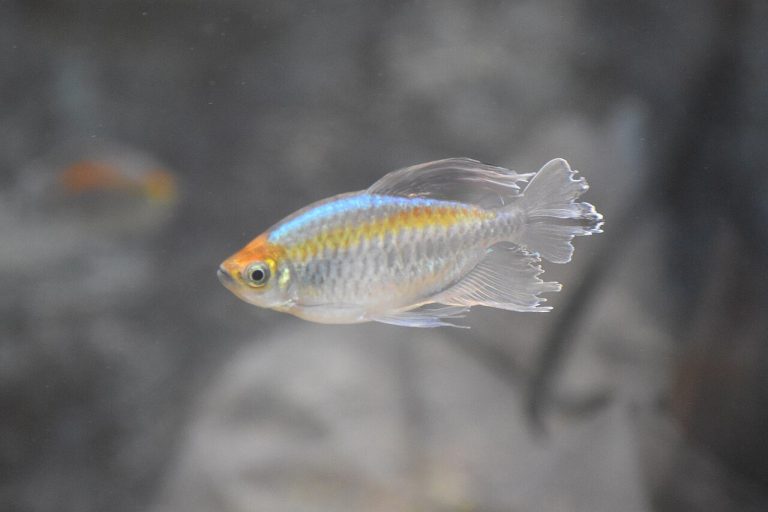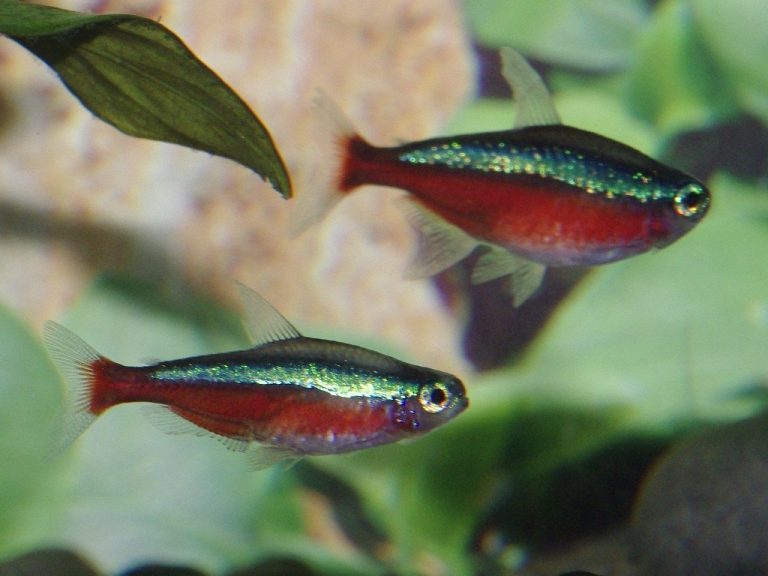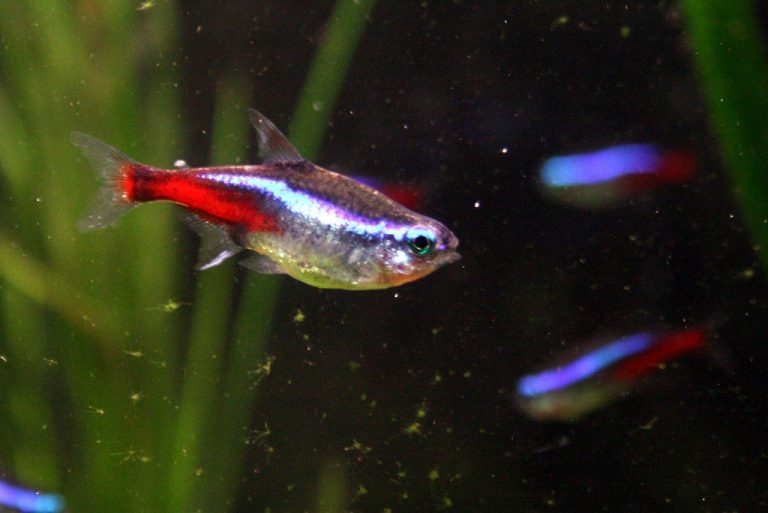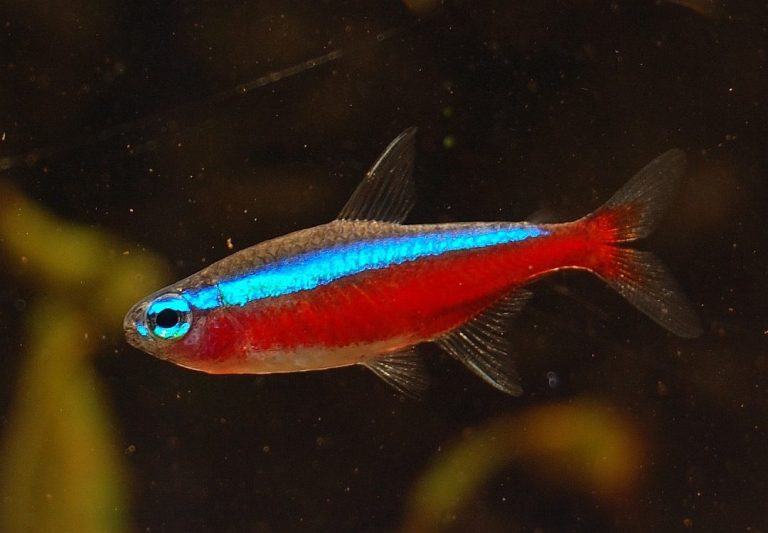
What Do Neon Fish Eat – What and How Often to Feed
Neon fish are omnivores that do well on a varied diet of high-quality tropical flakes, micro-pellets, and small live or frozen foods like brine shrimp and daphnia to maintain their health and brilliant colors.
Understanding the dietary needs of your fish is the cornerstone of successful fish keeping. When I first started keeping Paracheirodon innesi, better known as the Neon Tetra, I realized that their health is directly tied to the variety of food they receive.
In my decade of experience, I have found that these shimmering gems are not particularly picky eaters. However, providing a diet that mimics their natural environment is what separates a surviving fish from a well-kept one.
Whether you are setting up your first neon tetra aquarium fish tank or looking to bring out the colors of an existing school, this guide covers everything you need to know. Let’s look at the specifics of a balanced diet for these iconic tropical fish.
At a glance: Neon tetra (Paracheirodon innesi)
- Temperature
- 72–78°F (22–26°C)
- Water pH
- 6.0–7.0
- Adult size
- 1.5 in (4 cm)
- Minimum tank
- 10 gal (20 gal for a proper school)
- Group size
- Groups of 8+
- Temperament
- Peaceful
- Diet
- Omnivore: micro pellets, flakes, frozen daphnia
- Lifespan
- 5–8 years
Keeper’s tip: Add neons only to a fully cycled, stable tank; they are among the first fish to suffer from ammonia swings.
The Natural Diet of Paracheirodon innesi
In the wild, Neon Tetras inhabit the blackwater and clearwater streams of South America. These environments are rich in organic matter but often low in mineral content, making the available food sources quite specific.
They are primarily micro-predators, meaning they spend their days hunting for tiny invertebrates. Their natural diet consists of small insects, larvae, and various types of zooplankton found in the water column.
Small Invertebrates and Larvae
A significant portion of their wild diet includes Chironomidae larvae, which are commonly known as bloodworms. They also opportunisticly feed on tiny crustaceans like Cyclopoida and other copepods that drift by in the current.
I have often observed that in a home aquarium, they retain this predatory instinct. They will actively “hunt” anything small enough to fit in their mouths, including microscopic organisms.
Algae and Biofilm
While they are hunters, they are also omnivores that consume small amounts of plant matter. This usually comes in the form of algae or biofilm that grows on submerged roots and leaves.
Consuming these greens provides them with essential fiber and minerals. It is this balance of protein and plant matter that keeps their digestive systems functioning optimally.
Pro Tip: When choosing a commercial food, look for one that lists a high-quality protein source like whole fish meal or shrimp as the first ingredient. Avoid brands that rely heavily on “wheat flour” or “soybean meal” as fillers, as these can lead to excess waste.
Essential Nutrients for Health and Color
To keep your school looking like a neon sign, you must provide specific nutrients that support their physiological needs. Their rich blue and red stripes are not just for show; they are indicators of their internal health.
The presence of Carotenoids in their diet is important for maintaining that deep, iconic red stripe. Without these natural pigments, you may notice your fish looking washed out or pale over time.
The Role of Spirulina and Proteins
Including Spirulina platensis in their diet is an excellent way to boost their immune system. This blue-green algae is packed with vitamins and minerals that help fish resist common diseases.
Proteins are the building blocks of growth and tissue repair. Since Neon Tetras are active swimmers, they require a steady supply of high-quality amino acids to maintain their energy levels.
Vitamins and Minerals
Vitamins A, D3, and E are essential for bone development and reproductive health. In a tetra community tank, making sure every fish gets its fair share of vitamin-rich food can be a challenge.
Using a variety of foods helps make sure that any nutritional gaps in one product are filled by another. I always recommend rotating between at least three different types of food throughout the week.
| Food Category | Examples | Primary Benefit |
|---|---|---|
| Dry Foods | Micro-pellets, high-quality flakes | Convenience and base nutrition |
| Frozen Foods | Bloodworms, Brine Shrimp, Daphnia | Protein boost and natural hunting |
| Live Foods | Baby Brine Shrimp, Infusoria | Peak conditioning and breeding |
| Vegetables | Blanched Zucchini, Spirulina flakes | Digestive health and fiber |
Best Commercial Foods for Neon Tetras
For most hobbyists, commercial dry foods will form the staple of what their neon fish eat. The key is to choose foods that are small enough for their tiny mouths, as they have very narrow throats.
Standard tropical flakes are often too large and need to be crushed between your fingers before feeding. Micro-pellets are generally a better option as they are designed specifically for small tetras and rasboras.
Micro-Pellets vs. Flakes
I prefer slow-sinking micro-pellets because Neon Tetras are mid-water feeders. They rarely like to come to the very surface to eat, and they are not bottom-dwellers like Corydoras.
Slow-sinking pellets stay in the “strike zone” longer, allowing the fish to grab them as they drift down. High-quality flakes are also great, provided they are crushed into bite-sized pieces.
Freeze-Dried Options
Freeze-dried foods like tubifex worms or bloodworms can be a great treat. However, they should be soaked in aquarium water for a few minutes before feeding to prevent them from expanding in the fish’s stomach.
If fed dry, these foods can cause Gastrointestinal bloat, which is painful and potentially fatal for small fish. I’ve seen many beginners make this mistake, so always remember to hydrate freeze-dried treats first.
Live and Frozen Foods: The Secret to Longevity
If you want to see the most natural behavior from your school, you must include live or frozen foods. These foods are much closer to what they would find in the Amazon basin.
Frozen foods are a safer alternative to live foods as the freezing process kills most parasites. They are also incredibly convenient to store in your freezer and thaw as needed.
Daphnia and Brine Shrimp
Daphnia pulex, often called “water fleas,” are perhaps the best food for cleaning out a fish’s digestive tract. They act as a natural laxative and are excellent for preventing bloat.
Artemia salina, or brine shrimp, are a power-house of protein. Feeding newly hatched baby brine shrimp (nauplii) is the gold standard for conditioning fish for breeding.
Moina and Bloodworms
Moina are similar to Daphnia but even smaller, making them perfect for younger or smaller Neons. They are highly nutritious and very easy to culture at home if you have the space.
Frozen bloodworms are a favorite for almost all tetras, but they should be fed sparingly. Because they are very rich, feeding them more than twice a week can lead to obesity and water quality issues.
Pro Tip: When feeding frozen foods, never drop the frozen cube directly into the tank. Thaw it in a small container with a bit of tank water and use a pipette to target-feed your fish, ensuring less waste ends up in the substrate.
How Much and How Often to Feed
Overfeeding is the number one cause of fish death for beginners. A Neon Tetra’s stomach is roughly the size of its eye, which is incredibly small.
It is much better to feed small amounts multiple times a day than one large meal. This keeps their metabolism steady and prevents excess food from rotting in the corners of the tank.
The Two-Minute Rule
A good rule of thumb is to only feed what the school can completely consume within two minutes. If there is food hitting the bottom and staying there, you have fed too much.
In a tetra fish compatibility chart, you’ll often see Neons listed with other small fish. Make sure faster swimmers aren’t stealing all the food before the Neons get a chance.
Adjusting for Tank Size
The amount you feed also depends on your filtration and tank maintenance habits. In a smaller setup, you must be even more diligent about removing uneaten food to prevent ammonia spikes.
I typically feed my school twice a day—once in the morning and once in the evening. I also incorporate one “fasting day” per week to allow their digestive systems to fully clear out.
Feeding Neon Tetra Fry
If you are lucky enough to have your fish spawn, you will need to provide even smaller food for the fry. Neon Tetra fry are incredibly tiny and cannot eat standard flakes or pellets.
During the first few days after they become free-swimming, they require microscopic food. This is where Infusoria becomes essential for their survival.
Culturing Infusoria
Infusoria are microscopic aquatic organisms that you can culture at home using vegetable matter and water. They are the perfect first food for almost all egg-scattering fish larvae.
As the fry grow, you can transition them to “liquifry” or finely powdered fry foods. Eventually, they will be large enough to handle baby brine shrimp and crushed flakes.
Transitioning to Adult Food
By the time the fry reach about half an inch in length, they can start eating the same foods as the adults. However, you should still crush their food into a very fine powder to make sure they can swallow it easily.
Growth rates depend heavily on water temperature and feeding frequency. Feeding fry small amounts 4-5 times a day will result in much faster growth and better survival rates.
Identifying and Preventing Feeding Problems
Monitoring your fish during feeding is the best way to catch health issues early. A healthy Neon Tetra should be alert, active, and eager to eat as soon as the food hits the water.
If a fish is hiding during feeding time or spitting out food it normally loves, it may be a sign of stress or illness. This is often the first indicator of poor water quality or internal parasites.
Dealing with Gastrointestinal Bloat
If you notice a fish looking unusually “puffy” or struggling to swim straight after eating, it may have Gastrointestinal bloat. This is often caused by eating too much dry food too quickly.
To treat mild cases, stop feeding for 48 hours and then offer a small piece of a deshelled, blanched pea. The fiber in the pea helps move the blockage through their system.
Water Quality and Waste
Remember that everything you put into the tank eventually comes out as waste. High-protein diets are great for growth, but they also produce more ammonia and nitrates.
Regular water changes and a high-quality filter are non-negotiable when feeding a diverse diet. Keeping the water clean ensures that your fish remain healthy enough to maintain their high metabolism.
FAQ: Common Questions About Neon Tetra Diets
Can Neon Tetras eat Betta food? Yes, they can occasionally eat Betta pellets if they are small enough. However, Betta food is usually much higher in protein and may lack the plant matter that tetras need for a balanced diet.
How long can they go without food? Healthy adult Neon Tetras can easily go 3 to 5 days without food. If you are going away for a weekend, it is better to let them fast than to risk someone overfeeding them and crashing the nitrogen cycle.
Do they eat aquarium plants? Generally, no. Unlike some other species, Neon Tetras are not known for damaging live plants. They may pick at algae or biofilm on the leaves, which is actually beneficial for the tank.
Why are my fish losing their color? This is often a sign of poor nutrition or stress. Ensure you are providing foods rich in Carotenoids and keeping your water parameters stable. Low-quality food is a very common cause of fading colors.
Can they eat bread or crackers? Absolutely not. Human foods like bread contain yeast, sugars, and processed flours that are harmful to fish. Stick to foods specifically designed for aquatic life.
Conclusion: Consistency is Key
Feeding your Neon Tetras doesn’t have to be complicated, but it does require thought. If you provide a mix of high-quality dry foods, frozen treats, and occasional live snacks, you are setting your fish up for a long and healthy life.
I have found that the most successful hobbyists are those who pay attention to the small details. Watching your fish eat is not just a chore; it is an opportunity to bond with your aquatic pets and monitor their well-being.
Keep their portions small, their variety high, and their water clean. If you follow these principles, your school of Neon Tetras will remain the colorful, shimmering centerpiece of your aquarium for years to come.

- 2003First tank
- 20+Years keeping
- 40+Tanks kept
- 0Sponsored picks
Howard set up his first 10-gallon planted tank in 2003 and lost half of it within six weeks. Two decades and more than forty aquariums later, he writes the guides he wished he had then: clear numbers, the reasons behind them, and what actually goes wrong in home tanks.